
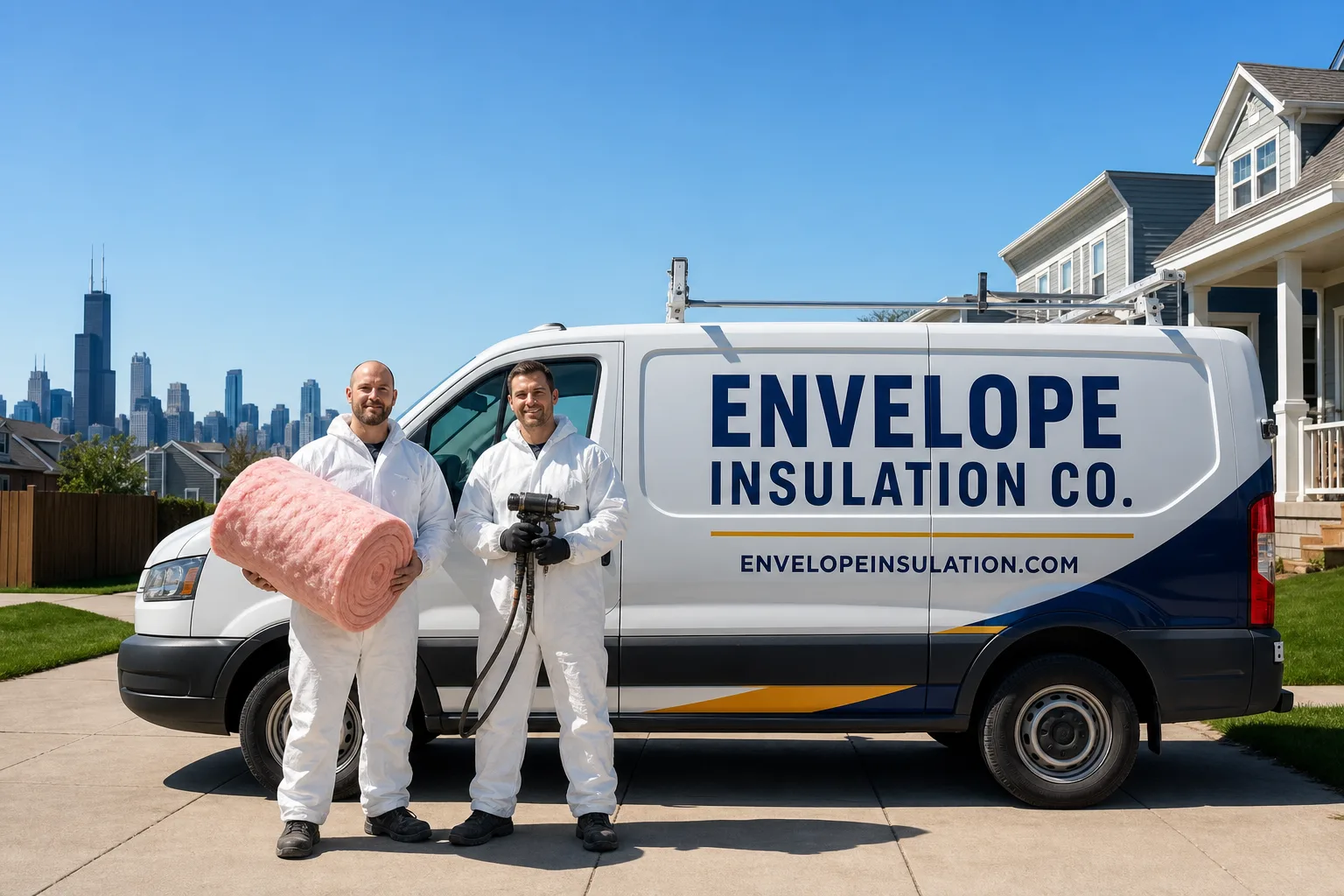
Insulation in Brooklyn Park, MN
Most Brooklyn Park insulation work comes down to one thing: 2×4-framed split-entry homes built between 1960 and 1990 that were insulated to R-11 or R-19 when Minnesota code now calls for R-49 attics and R-21 walls. Spray foam insulation is usually the first fix we recommend here because it air-seals and insulates in one pass, which matters in a housing stock where rim joist bands sit at grade and leak conditioned air into finished lower-level family rooms. Call (218) 261-7714 for a written price before any work starts.
Why Brooklyn Park Homes Are Different
Brooklyn Park’s build-out created one of the Twin Cities metro’s densest concentrations of split-entry homes, and that layout makes insulation genuinely harder. Each one has multiple rim joist bands, a garage-to-living-space party wall, and shallow cathedral ceiling sections that leave no room for standard attic depth. The rim joist band between the upper and lower floors sits right at exterior grade, was often stuffed with a single unfaced batt during original construction, and now functions as an unbroken thermal bridge into lower-level family rooms. That’s the most common undiagnosed source of cold floors and elevated gas bills we find on service calls across the city’s older southern and central neighborhoods. Brooklyn Park sits in ASHRAE Climate Zone 6, with design temperatures near -20°F and more than 8,000 heating degree days per year, so every R-value shortfall shows up fast as an ice dam or a room that will not hold heat. The northern edge has newer 1990s and 2000s tract housing that is better insulated, but still often falls short of current code minimums.
Our Main Brooklyn Park Services
Two jobs dominate our Brooklyn Park schedule: attic insulation retrofits in the split-entry stock, and crawl space encapsulation in homes where the lower level sits partly below grade and pulls moisture into the building envelope year-round.
Attic Insulation in Brooklyn Park
Most split-entry attics in Brooklyn Park are shallow, with roof pitch leaving barely enough space to work. The original fiberglass batts have compressed and settled over 40 to 60 years, and air leaks at top plates and can lights are common in the older southern and central neighborhoods. We air-seal before we insulate, every time, then bring the attic to Climate Zone 6 code. Full details on that process are on our Attic Insulation in Brooklyn Park page, including what a blower-door test shows before and after.
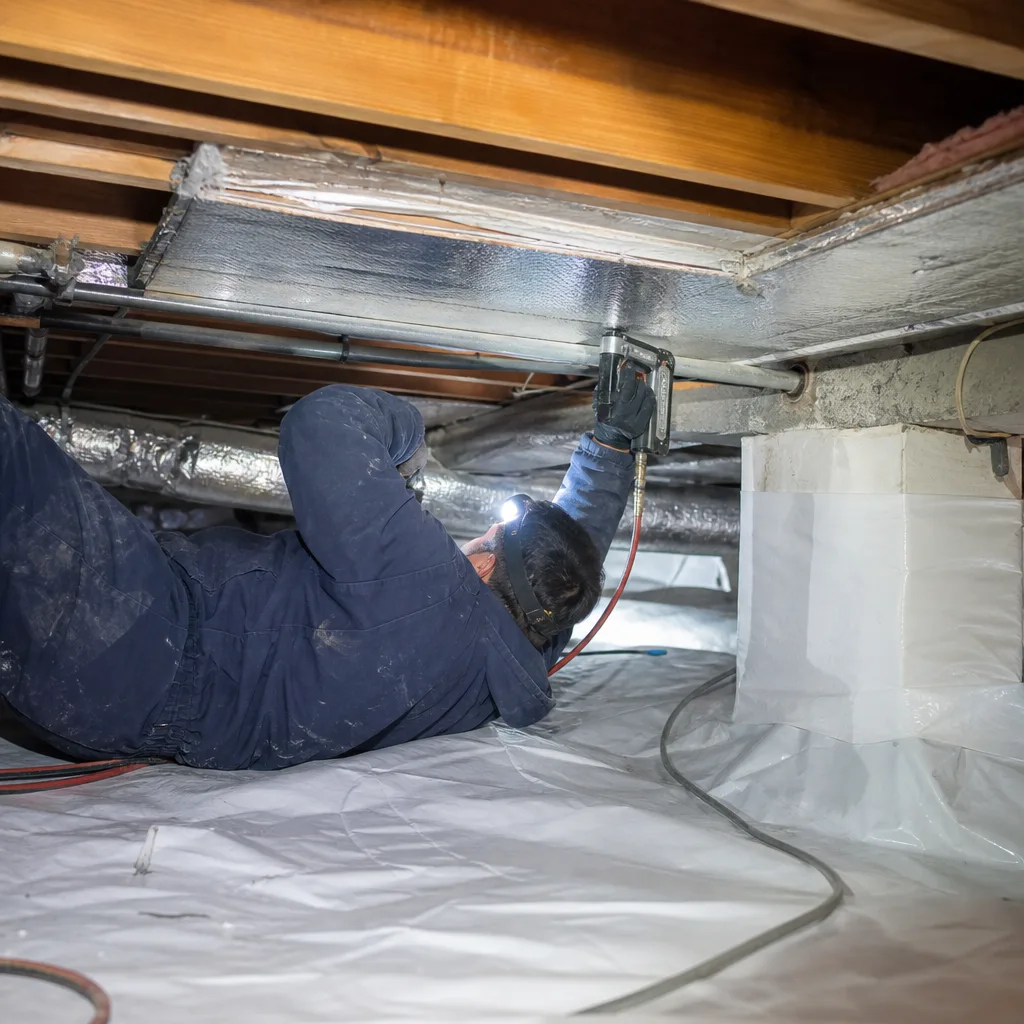
Crawl Space Encapsulation & Vapor Barrier in Brooklyn Park
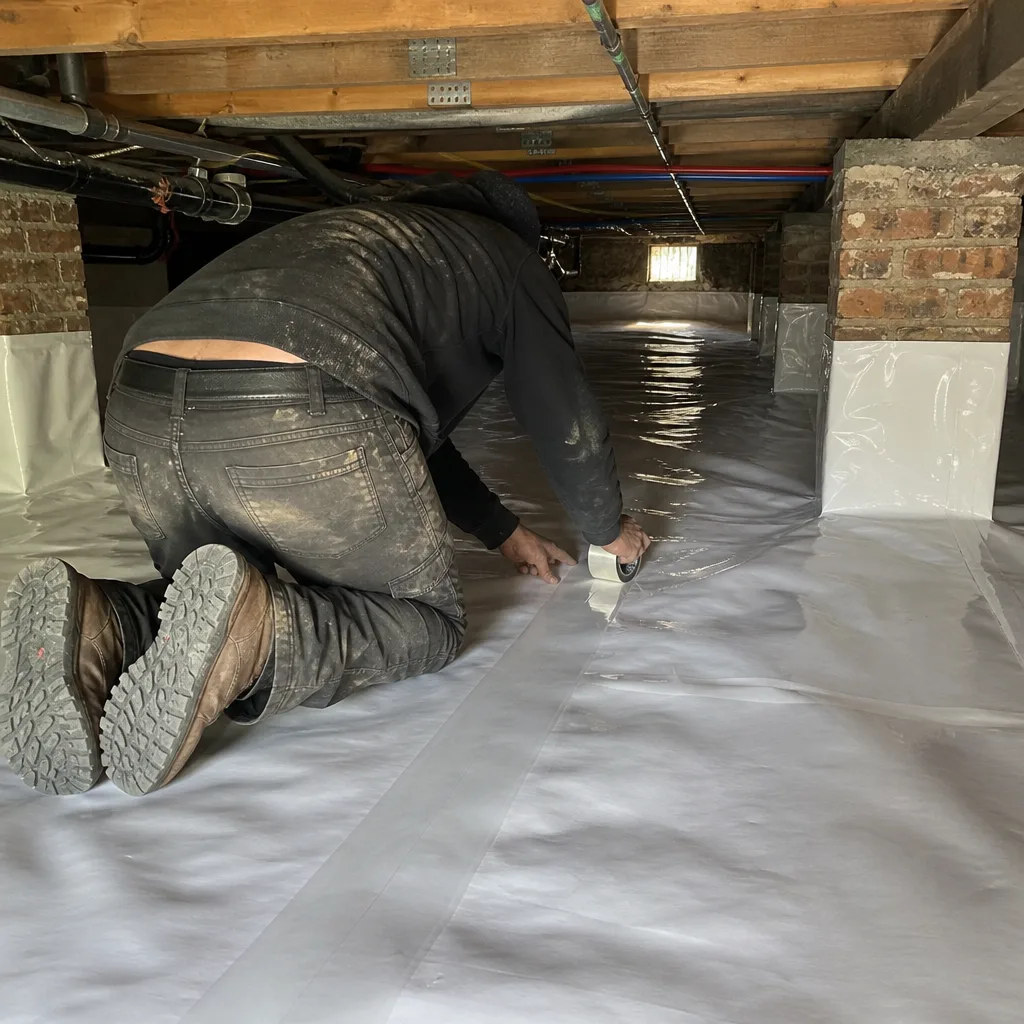
Split-entry homes here have crawl spaces under the lower level that draw moisture from the soil and pump it into the living space above. That moisture rots rim joists, encourages mold, and makes insulation less effective. We install vapor barriers, seal the rim, and insulate the foundation walls as a system. Our Crawl Space Encapsulation & Vapor Barrier in Brooklyn Park page covers pricing, scope, and the documentation you receive.
What happens when you call
- 1
A real person answersNo phone trees - you reach a local pro.
- 2
You get an upfront price rangeHonest numbers before anyone is dispatched.
- 3
A background-checked tech heads outLicensed & insured, dispatched right away.
- 4
You approve before work beginsNothing starts until you say go.
Spray Foam Insulation in Brooklyn Park
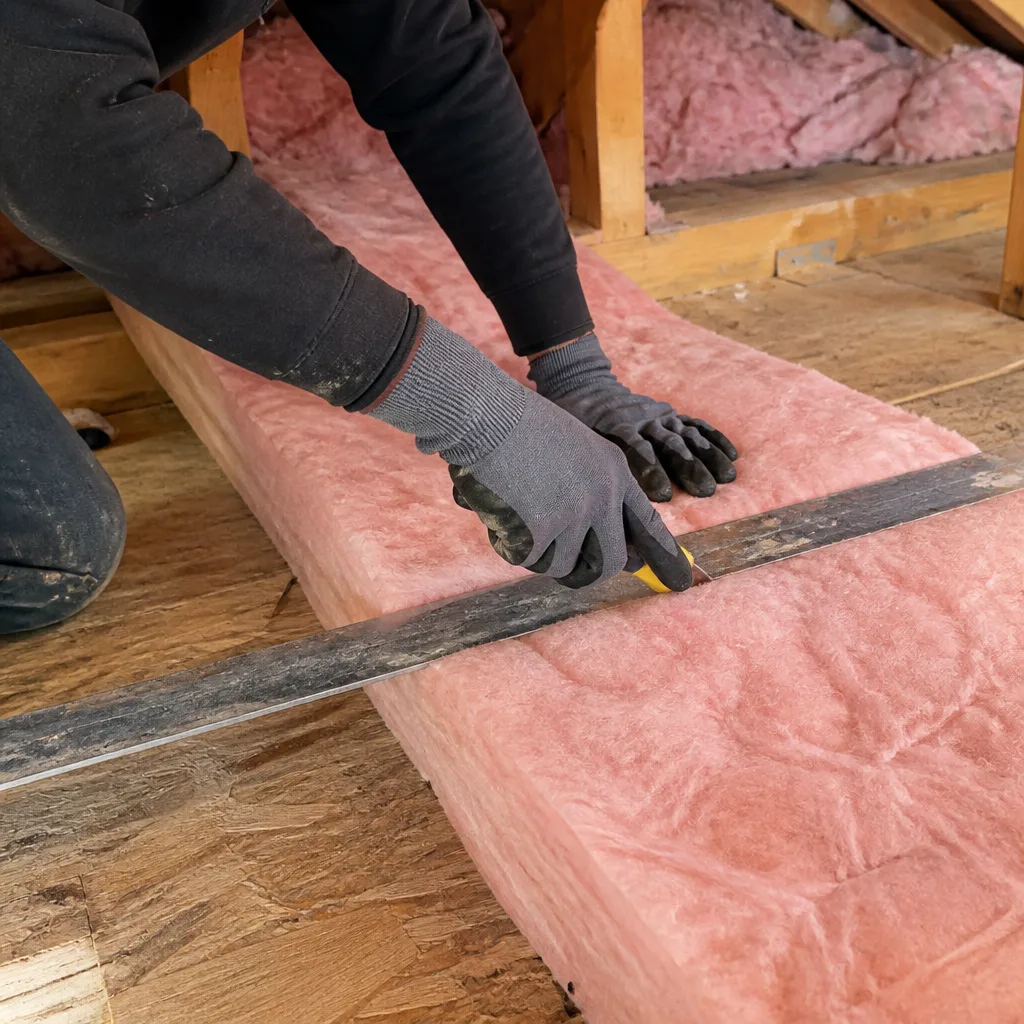
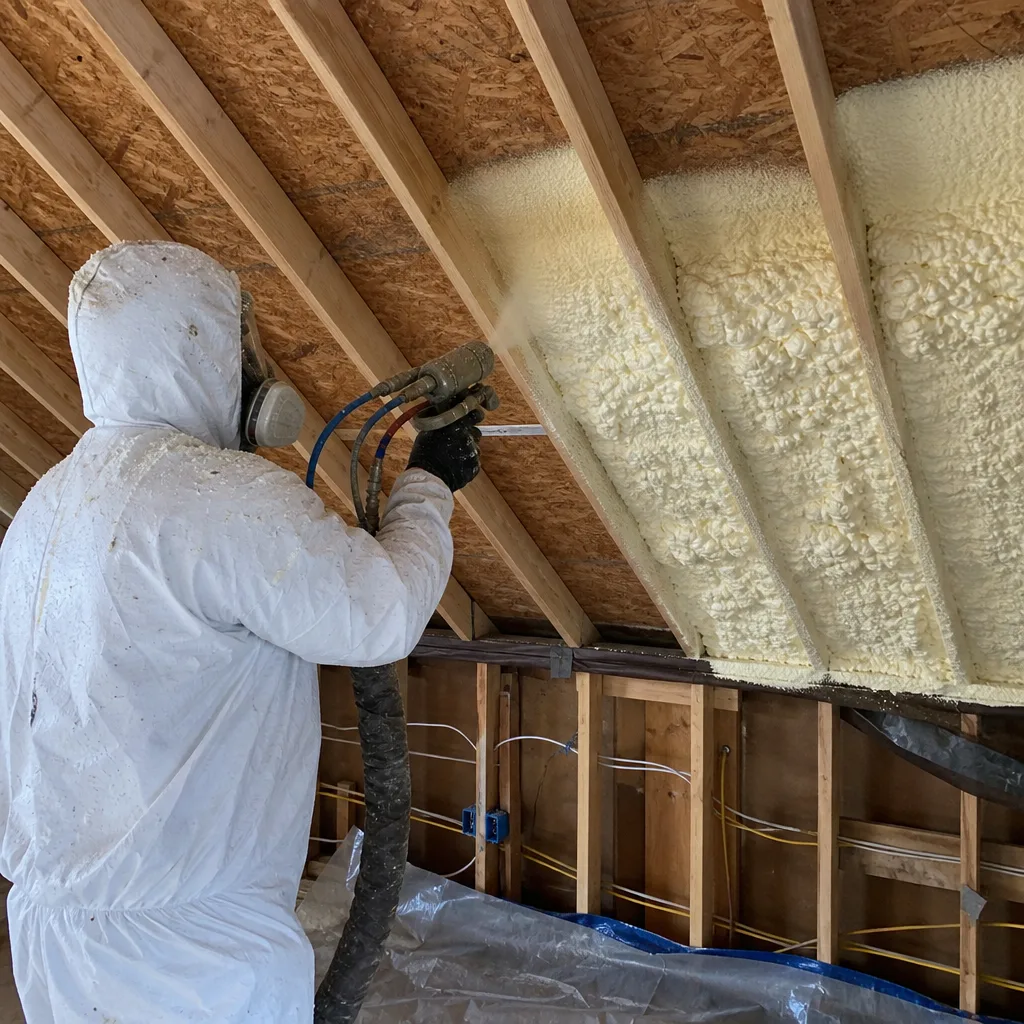
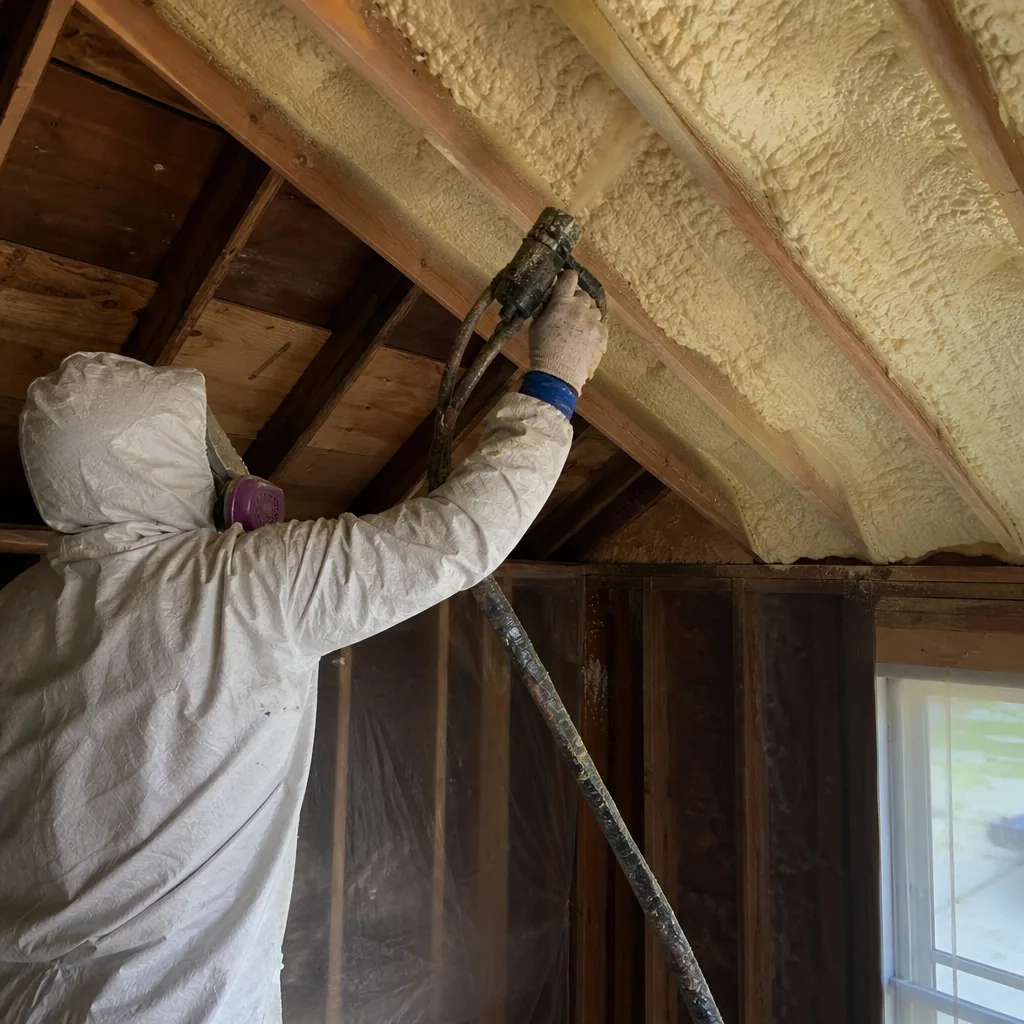
Spray foam insulation in Brooklyn Park solves two problems at once for split-entry homes: it air-seals the rim joist bands and shallow cathedral cavities that batt insulation never fit correctly, and it delivers R-value per inch that dense-pack options cannot match in 2×4 wall cavities. Closed-cell foam also handles the moisture pressing against below-grade foundation walls in the city’s lower-level family rooms. We install open-cell and closed-cell systems from Johns Manville and Knauf, depending on the cavity and the air-sealing target. Our Spray Foam Insulation service line covers the full range.
Rim Joist Spray Foam
Signs you need it
Cold floors in lower-level family rooms, especially along exterior walls, and gas bills that stay high even after attic work.
What it costs in Brooklyn Park
Rim joist spray foam in Brooklyn Park typically runs $1,800-$3,200 depending on the number of exposed joist bays and access clearance.
How we do it
We pull back any existing batt, clean the cavity, spray closed-cell foam to the full depth of the joist, and photograph the finished band.
Garage Ceiling Spray Foam
Signs you need it
Rooms above the garage that run hot in summer and cold in winter, and garage doors that show frost on the inside face during cold snaps.
What it costs in Brooklyn Park
Garage ceiling spray foam in Brooklyn Park typically runs $2,200-$4,000 for a standard two-car garage, depending on joist depth and access.
How we do it
We seal all penetrations and top plates first, then apply open-cell foam to the ceiling deck to create an air and thermal barrier between garage and living space.
What Spray Foam Insulation Costs in Brooklyn Park
| Item | Typical range in Brooklyn Park |
|---|---|
| Rim joist spray foam | $1,800-$3,200 |
| Garage ceiling spray foam | $2,200-$4,000 |
| Whole-attic spray foam (open-cell) | $4,500-$9,000 |
Is spray foam worth it in a Brooklyn Park split-entry?
Yes, for rim joists and shallow cathedral cavities where batts never fit. It air-seals and insulates together, which addresses the split-entry’s biggest envelope leak. Closed-cell foam also blocks moisture migration through below-grade foundation walls.
Does spray foam work with existing attic insulation?
It can, but we usually remove compromised batts first. Spraying foam over settled fiberglass traps moisture and hides air leaks instead of fixing them. We assess the existing layer and recommend removal when it is saturated or compressed.
Blown-In Insulation in Brooklyn Park
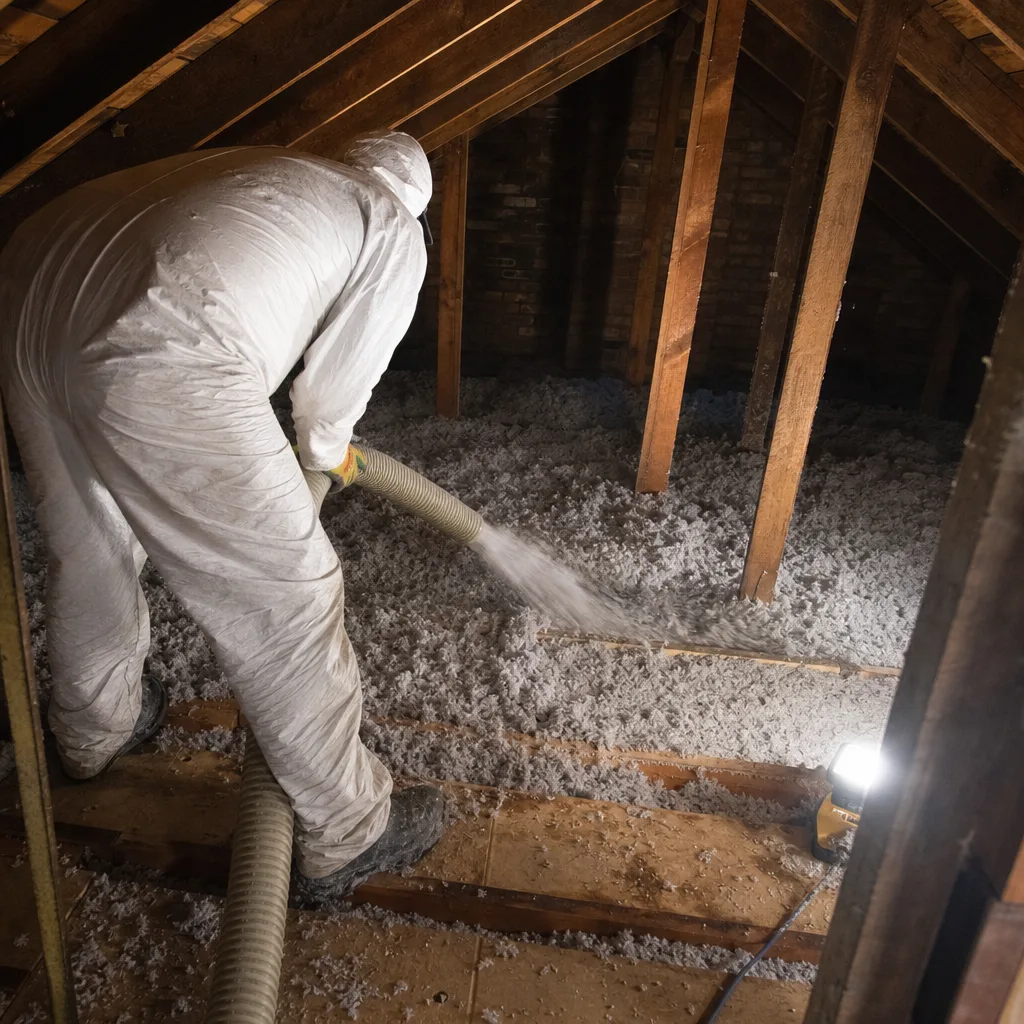
Blown-in insulation in Brooklyn Park is the workhorse retrofit for 1960s and 1970s split-entry attics where the original R-11 or R-19 fiberglass has settled to a fraction of its rated performance. In Climate Zone 6, those attics should carry R-49, and blown-in cellulose or fiberglass gets there fast in the shallow, irregular cavities these roofs create. We install Knauf and CertainTeed blown products, always after air sealing, so the new insulation is not filtering conditioned air out through the roof deck. Our Blown-In Insulation service line covers material options and depth specs.
Blown-In Cellulose
Signs you need it
Attic insulation that measures 6 inches or less in depth, and rooms that swing 10 degrees between morning and evening.
What it costs in Brooklyn Park
Blown-in cellulose in a standard Brooklyn Park split-entry attic typically runs $1,800-$3,000 to bring the space to R-49.
How we do it
We seal the attic floor first, blow cellulose to the full R-49 depth with height markers left for verification, and record the before-and-after blower-door reading.
Blown-In Top-Up
Signs you need it
Existing attic insulation that is dry and uncontaminated but simply not deep enough for current code, often found in northern Brooklyn Park homes from the 1990s.
What it costs in Brooklyn Park
A blown-in top-up in Brooklyn Park typically runs $1,000-$2,200, depending on existing depth and how many inches are needed to reach R-49.
How we do it
We verify the existing layer is dry and uncompromised, then blow additional material over it to the required depth, documenting the finished R-value.
What Blown-In Insulation Costs in Brooklyn Park
| Item | Typical range in Brooklyn Park |
|---|---|
| Blown-in cellulose (full attic to R-49) | $1,800-$3,000 |
| Blown-in fiberglass (full attic to R-49) | $2,000-$3,400 |
| Blown-in top-up | $1,000-$2,200 |
How deep should blown-in insulation be in Brooklyn Park?
For R-49 in Climate Zone 6, about 14 to 16 inches of cellulose or 17 to 19 inches of fiberglass, depending on settled density. We leave height markers so you can verify the depth yourself after we leave.
Can you blow insulation over old fiberglass batts in Brooklyn Park?
Yes, if the existing batts are dry, uncontaminated, and free of rodent damage. We inspect first; if the old layer is compressed or holding moisture, we recommend removal before blowing in new material.
Radiant Barrier Installation in Brooklyn Park
Radiant barrier installation in Brooklyn Park makes sense for split-entry homes where summer heat loads hit the shallow roof deck directly, and where the real problem is radiative gain rather than conductive loss. A radiant barrier reflects heat away from the attic floor in July and August, which reduces the temperature differential the under-insulated ceiling has to fight. In our Climate Zone 6 winters, the barrier adds a small reflective benefit to the underside of the roof deck, but its real value here is summer performance in the older southern neighborhoods where air conditioning runs hard. We install the material to the attic roofline or the roof deck depending on venting, and our Radiant Barrier Installation page covers the options.
Attic Radiant Barrier
Signs you need it
Bedrooms and upper rooms that fail to cool in summer even with the AC running full-time, and attics that read above 130°F on hot afternoons.
What it costs in Brooklyn Park
Attic radiant barrier in Brooklyn Park typically runs $1,500-$2,800 for a standard split-entry roof deck.
How we do it
We staple the barrier material to the underside of the roof rafters, leaving the required air gap and keeping all attic ventilation paths clear.
Radiant Barrier & Ventilation
Signs you need it
Attics that trap heat because soffit vents are blocked by old insulation, paired with rooms that overheat in summer.
What it costs in Brooklyn Park
Radiant barrier with ventilation correction in Brooklyn Park typically runs $2,000-$3,500 depending on how many vents need to be cleared or added.
How we do it
We clear soffit and ridge vent paths first, then install the barrier so it does not interfere with the airflow we just restored.
What Radiant Barrier Installation Costs in Brooklyn Park
| Item | Typical range in Brooklyn Park |
|---|---|
| Attic radiant barrier | $1,500-$2,800 |
| Radiant barrier roof deck | $1,800-$3,200 |
| Radiant barrier & ventilation correction | $2,000-$3,500 |
Does a radiant barrier help in a Minnesota winter?
It provides a modest reflective benefit on the underside of the roof deck, but it is not a heating solution. The primary payoff in Brooklyn Park is summer cooling load reduction. Pair it with air sealing and R-49 attic insulation for year-round performance.
Can a radiant barrier be added to any Brooklyn Park attic?
Most attics can accept one, but vented attics are the best candidates. We check your soffit and ridge ventilation before installation to make sure the barrier will not trap moisture against the roof deck.
Insulation Removal & Replacement in Brooklyn Park
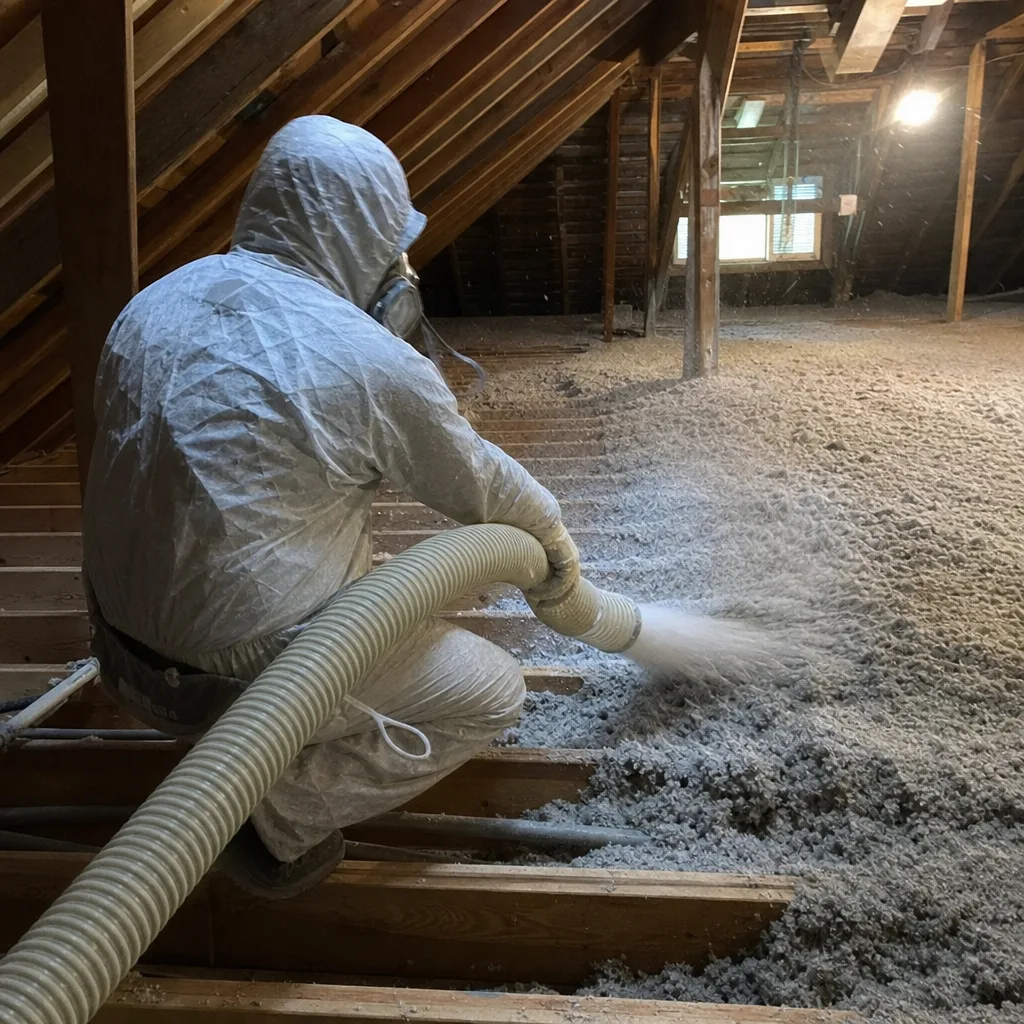
Insulation removal and replacement in Brooklyn Park is most often triggered by rodent activity, water damage from ice dams, or 60-year-old fiberglass that has compressed into a mat that no longer insulates. Split-entry attics from the 1960s and 1970s in the southern and central neighborhoods are the most common candidates, because the original batts have settled and often carry decades of dust and animal activity. We remove the old material, sanitize the space, seal the attic floor, and re-insulate to current code. Our Insulation Removal & Replacement page covers full scope and what the process looks like from first inspection to final documentation.
Attic Insulation Removal
Signs you need it
Insulation that has compressed to half its original depth, holds visible moisture, or smells musty even on dry days.
What it costs in Brooklyn Park
Attic insulation removal in Brooklyn Park typically runs $1,500-$3,000 before new insulation is installed, depending on attic size and access.
How we do it
We use HEPA-filtered vacuum equipment to pull out the old material, bag it for disposal, and leave the attic floor clean and ready for air sealing.
Contaminated Insulation Removal
Signs you need it
Droppings, nesting material, or urine staining visible in the insulation, or a persistent odor that does not clear after cleaning.
What it costs in Brooklyn Park
Contaminated insulation removal in Brooklyn Park typically runs $2,000-$4,000, including sanitizing and decontamination of the attic space.
How we do it
We remove all affected insulation, apply an antimicrobial treatment to the decking and framing, then seal entry points before new insulation goes in.
What Insulation Removal & Replacement Costs in Brooklyn Park
| Item | Typical range in Brooklyn Park |
|---|---|
| Attic insulation removal | $1,500-$3,000 |
| Contaminated insulation removal | $2,000-$4,000 |
| Full removal + R-49 replacement | $3,500-$6,500 |
Is it cheaper to remove old insulation or just add on top in Brooklyn Park?
Adding on top is cheaper upfront, but if the existing layer is compressed, moisture-damaged, or rodent-contaminated, topping it just hides the problem. Removal and replacement is the only fix that resets the attic to a known state.
How long does insulation removal take in a Brooklyn Park split-entry?
Most attic removals take one full day; contaminated removal with sanitizing can run into a second day. We schedule the replacement insulation immediately after so the attic is not left exposed.
Attic Air Sealing in Brooklyn Park
Attic air sealing in Brooklyn Park is the prerequisite we will not skip. In split-entry homes, warm interior air escapes through top plates, can lights, duct boots, and the attic hatch, and in Climate Zone 6 that escaping air is what creates ice dams and drives heating bills up. We seal the attic floor completely before any insulation goes in, then measure the change with a blower-door test so you can see the number move. Our Attic Air Sealing page explains the process and the documentation you receive.
Top Plate & Penetration Sealing
Signs you need it
Ice dams forming along the eaves in winter, and attic insulation that looks dirty or darkened around the edges, which means air is moving through it.
What it costs in Brooklyn Park
Top plate and penetration sealing in Brooklyn Park typically runs $800-$1,600 for a standard split-entry attic.
How we do it
We locate every framing joint, wire penetration, and plumbing chase, then seal them with foam or caulk before insulation goes back.
Can Light & Duct Boot Sealing
Signs you need it
Recessed lights that show dust streaks on the trim, and rooms that lose heat quickly after the furnace shuts off.
What it costs in Brooklyn Park
Can light and duct boot sealing in Brooklyn Park typically runs $400-$900, depending on how many fixtures and boots need attention.
How we do it
We install sealed covers over non-IC-rated fixtures and seal around every duct boot where it passes through the ceiling plane.
What Attic Air Sealing Costs in Brooklyn Park
| Item | Typical range in Brooklyn Park |
|---|---|
| Top plate & penetration sealing | $800-$1,600 |
| Can light & duct boot sealing | $400-$900 |
| Full attic floor air sealing | $1,200-$2,500 |
Why do you seal before insulating in Brooklyn Park?
Because insulation slows heat transfer but does not stop air movement. If you blow insulation over an unsealed attic floor, conditioned air keeps leaking through and the insulation underperforms. We seal first, then insulate, and the blower-door number proves the difference.
What blower-door numbers are typical for Brooklyn Park split-entry homes?
We commonly see 4,000 to 5,500 CFM50 before sealing on 1960s and 1970s split-entries, dropping to 2,000 to 2,800 after the attic floor is sealed and insulation is upgraded. You get both numbers in your job record.
Wall Insulation in Brooklyn Park
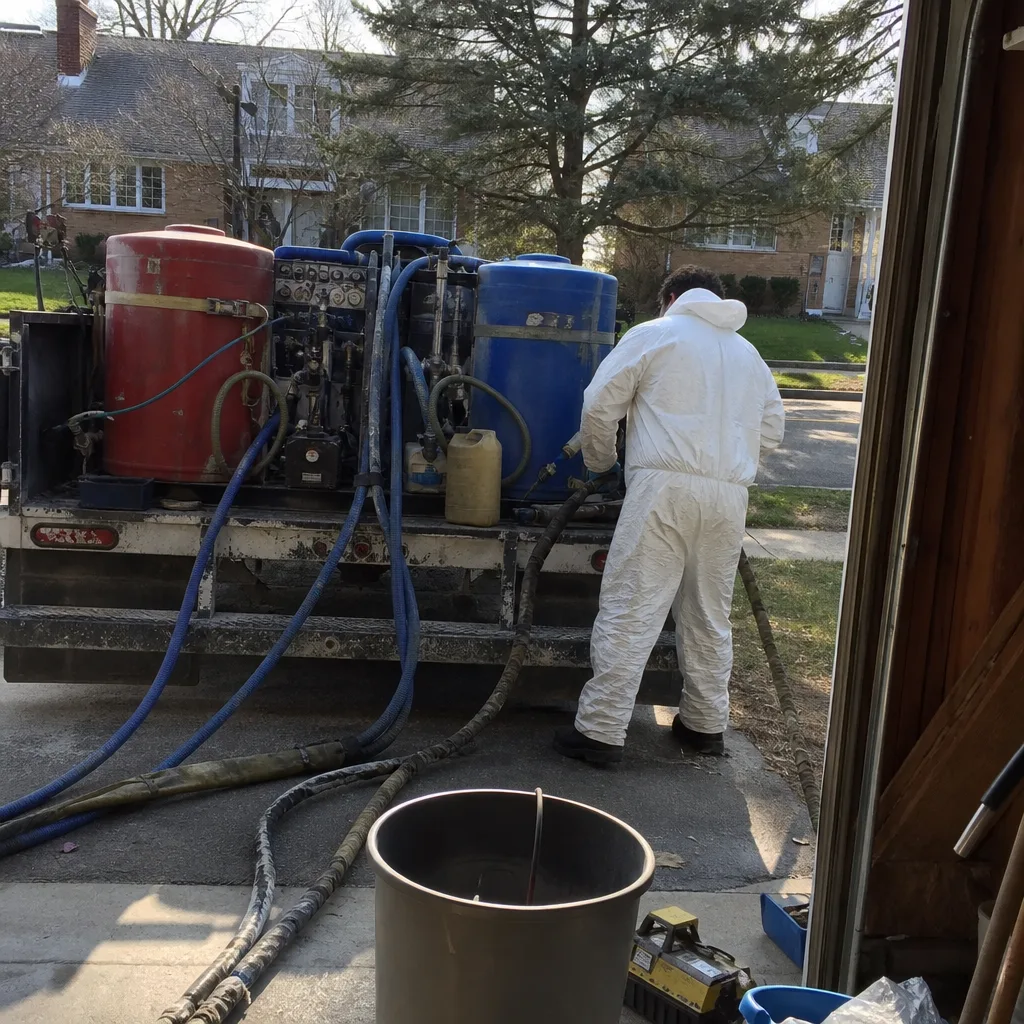
Wall insulation in Brooklyn Park is a bigger job here than in most suburbs because the split-entry stock was framed with 2×4 walls and insulated to R-11 when code now calls for R-21. The cavity is shallow, the sheathing is often original fiberboard, and the rim joist detail complicates everything. Dense-pack and injection foam are the two approaches we use most, and the choice depends on whether the wall has existing batts that have settled or is partially empty. Our Wall Insulation page covers the methods and when each one fits.
Injection Foam Wall Insulation
Signs you need it
Exterior walls that feel cold to the touch in winter, and rooms along the north and west sides of the house that run 5 degrees colder than the rest.
What it costs in Brooklyn Park
Injection foam wall insulation in Brooklyn Park typically runs $3,000-$6,500 depending on wall area and whether existing batts need to be removed first.
How we do it
We drill small access holes through the drywall or sheathing, inject foam into each stud cavity, then patch and document the work.
Drill & Fill Wall Insulation
Signs you need it
Walls that are mostly empty above the rim joist band, and high heating bills that persist even after attic air sealing and insulation.
What it costs in Brooklyn Park
Drill and fill wall insulation in Brooklyn Park typically runs $2,500-$5,500 for a standard split-entry exterior wall set.
How we do it
We drill into each stud bay, blow dense-pack cellulose or fiberglass to full density, then close and finish the access points.
What Wall Insulation Costs in Brooklyn Park
| Item | Typical range in Brooklyn Park |
|---|---|
| Injection foam wall insulation | $3,000-$6,500 |
| Drill & fill wall insulation | $2,500-$5,500 |
| Interior wall soundproofing | $1,200-$2,800 |
Can you insulate the walls of a Brooklyn Park split-entry without tearing out drywall?
Yes. Drill and fill and injection foam both work through small access holes that we patch afterward. The walls are not opened up. You get a written scope and photo record of every penetration before we patch.
Why are my lower-level walls so cold even with the heat on?
Because the rim joist band at exterior grade was never insulated properly when the house was built, and the wall cavities above it may have settled batts. We address the rim and the cavities together so the lower level stops losing heat through the band.
Attic Cleaning & Rodent Proofing in Brooklyn Park
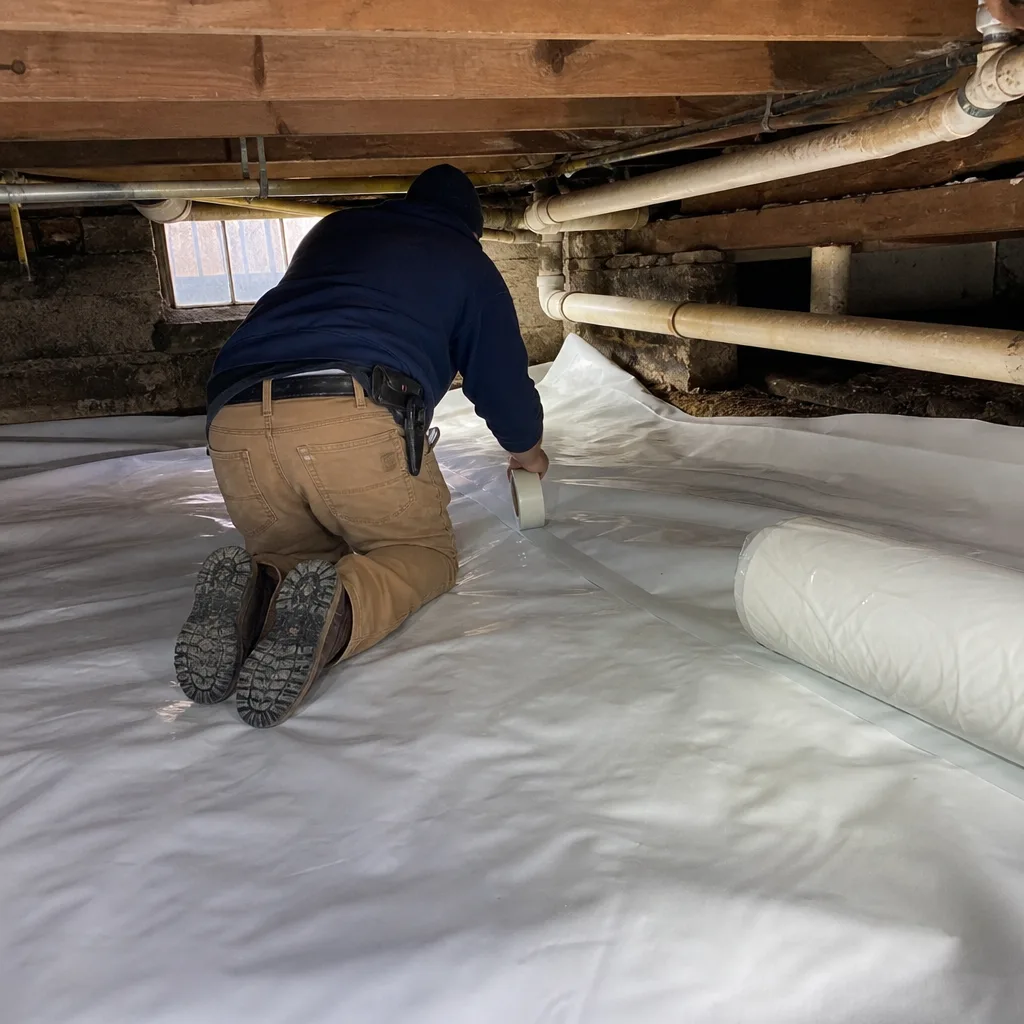
Attic cleaning and rodent proofing in Brooklyn Park goes after a problem that is more common in the older split-entry neighborhoods than homeowners expect. Shallow attics with easy soffit access, paired with decades of accumulated insulation, make good nesting habitat, and the damage goes beyond odor: rodent activity destroys insulation R-value and creates air paths that make the whole attic underperform. We remove contaminated material, sanitize the space, seal entry points, and restore insulation to code. Our Attic Cleaning & Rodent Proofing page covers the full process and what the final record includes.
Attic Cleanout
Signs you need it
Visible droppings or nesting material in the insulation, or a smell that gets worse when the furnace pulls attic air down through the house.
What it costs in Brooklyn Park
Attic cleanout in Brooklyn Park typically runs $800-$1,800, depending on attic size and how much material has to come out.
How we do it
We vacuum out the old insulation and debris, bag everything for disposal, and leave the attic floor exposed for inspection and sealing.
Rodent Proofing & Exclusion
Signs you need it
Scratching sounds in the ceiling at dawn or dusk, and greasy rub marks along soffits or roof joints.
What it costs in Brooklyn Park
Rodent proofing and exclusion in Brooklyn Park typically runs $600-$1,500, depending on how many entry points need to be sealed and reinforced.
How we do it
We locate every penetration a rodent can use, seal them with exclusion materials rodents cannot chew through, and install protective screens over vent openings.
What Attic Cleaning & Rodent Proofing Costs in Brooklyn Park
| Item | Typical range in Brooklyn Park |
|---|---|
| Attic cleanout | $800-$1,800 |
| Attic sanitizing & decontamination | $1,000-$2,200 |
| Rodent proofing & exclusion | $600-$1,500 |
Does rodent damage affect my insulation in Brooklyn Park?
Yes. Rodents compress insulation, tear vapor barriers, and leave behind waste that degrades air quality. Contaminated insulation loses R-value and should be removed and replaced, not topped off. We handle the removal, sanitizing, and replacement as one job.
Will rodent proofing keep them out permanently?
If all entry points are sealed with materials they cannot chew through, and the attic is cleaned so there is no scent trail drawing them back, the exclusion holds. We document every sealed penetration in your photo record.
Home Energy Audit in Brooklyn Park
A home energy audit in Brooklyn Park answers the question every split-entry homeowner eventually asks: where is the heat actually going? The audit uses a blower-door test, thermal imaging, and a room-by-room inspection to map the building envelope’s real performance, and it gives you a prioritized list of fixes instead of a guess. In these 1960s and 1970s homes, the audit almost always finds the rim joist band and the attic floor as the two largest leaks. Our Home Energy Audit page explains what we test and what you walk away with.
Blower Door Test
Signs you need it
Gas bills that stay high after insulation work, or rooms that will not hold temperature no matter what the thermostat says.
What it costs in Brooklyn Park
A blower door test in Brooklyn Park typically runs $250-$500 as part of a full audit, depending on home size.
How we do it
We depressurize the house with a calibrated fan in an exterior door, measure the airflow in CFM50, and record the number before and after any sealing work.
Thermal Imaging Inspection
Signs you need it
Cold spots on walls or ceilings you can feel by hand, and ice dams that form in the same places every winter.
What it costs in Brooklyn Park
Thermal imaging inspection in Brooklyn Park typically runs $200-$450, depending on how much of the envelope we scan.
How we do it
We scan the interior and exterior surfaces with an infrared camera to locate missing insulation, air leaks, and thermal bridging in real time.
What Home Energy Audit Costs in Brooklyn Park
| Item | Typical range in Brooklyn Park |
|---|---|
| Blower door test | $250-$500 |
| Thermal imaging inspection | $200-$450 |
| Full home energy audit | $400-$800 |
What does a home energy audit in Brooklyn Park actually tell me?
It tells you the CFM50 air leakage rate, where the leaks are located, the condition of your insulation, and which fixes will deliver the most savings. You receive a written report with thermal images and the blower-door numbers, not a verbal summary.
Should I get an audit before or after insulation work?
Before, ideally. The audit identifies the leaks and the insulation deficits so the work targets the real problems. We also run a blower-door test after the work and give you both numbers, so you can verify the improvement.
Brands We Service in Brooklyn Park
We install and service insulation from Johns Manville, Knauf, Rockwool, and CertainTeed, and keep the most common retrofit materials available locally for Brooklyn Park jobs. Turnaround on brand-specific material orders for this area is typically two to three business days. See our brands for the full list.
Pricing for Insulation in Brooklyn Park, MN
| Service | Typical range in Brooklyn Park |
|---|---|
| Spray foam rim joist | $1,800-$3,200 |
| Spray foam garage ceiling | $2,200-$4,000 |
| Blown-in cellulose (full attic to R-49) | $1,800-$3,000 |
| Blown-in top-up | $1,000-$2,200 |
| Attic radiant barrier | $1,500-$2,800 |
| Attic insulation removal | $1,500-$3,000 |
| Top plate & penetration sealing | $800-$1,600 |
| Injection foam wall insulation | $3,000-$6,500 |
| Attic cleanout | $800-$1,800 |
| Full home energy audit | $400-$800 |
Prices in Brooklyn Park push upward when a split-entry attic has multiple shallow cavities that slow access, when rodent contamination requires sanitizing, or when the rim joist band is fully finished on the interior side and has to be reached from outside. Every job gets a written price before any work starts, no exceptions.
Neighborhoods We Serve in Brooklyn Park
We work throughout Brooklyn Park, and most calls come from the older split-entry neighborhoods where the insulation deficit is deepest. Typical response time for the area is one to two business days for an inspection, with emergency attic and ice-dam-related calls scheduled faster.
- Willowstone
- Hartkopf
- Oak Grove
- Village Creek
- Northwoods
Service Area - Cities Near Brooklyn Park
Our crews serve Brooklyn Park and the surrounding Twin Cities suburbs, including Minneapolis, MN, Bloomington, MN, Plymouth, MN, and Eden Prairie, MN. Scheduling is coordinated through our Minneapolis-St Paul office, with local crews running Brooklyn Park jobs on-site.
Serving Brooklyn Park, MN - Our Local Coverage Area
We’re based in the Brooklyn Park area and know this community well. Use the map below to see our service coverage - if you’re nearby, we can almost certainly help.
FAQs About Insulation in Brooklyn Park
Most inspections in Brooklyn Park are scheduled within one to two business days. Emergency calls related to ice dams, water-damaged insulation, or exposed attics after a storm are prioritized the same day when possible. Call (218) 261-7714 and a live person answers.
Most insulation retrofits do not require a city permit, but if spray foam exceeds certain depths or structural changes are involved, a permit may apply. We check Brooklyn Park requirements before we quote, and any permit cost is included in your written price.
Yes. We work across the full city, from the older southern and central neighborhoods to the newer northern developments. There is no minimum job size for most insulation services, and we do not charge extra for travel within Brooklyn Park.
Call (218) 261-7714 for a free estimate and a written price before any work starts.
What happens when you call
- 1A real person answersNo phone trees - talk to a local insulation pro.
- 2You get an upfront price rangeHonest numbers before anyone is dispatched. No surprises.
- 3A background-checked tech heads outLicensed & insured, typically within 1-hour.
- 4You approve before work beginsNothing starts until you say go.
What Brooklyn Park Customers Say
"The winter gas bill dropped by about a third. They had estimated a quarter, so they under-promised."
- Genevieve R."Two other companies quoted to blow more insulation on top of what was there. These were the only ones who said the existing material had to come out first, and explained why."
- Clifford E."Fixed price, clean work, and they hauled the old material away as agreed."
- Todd M.