
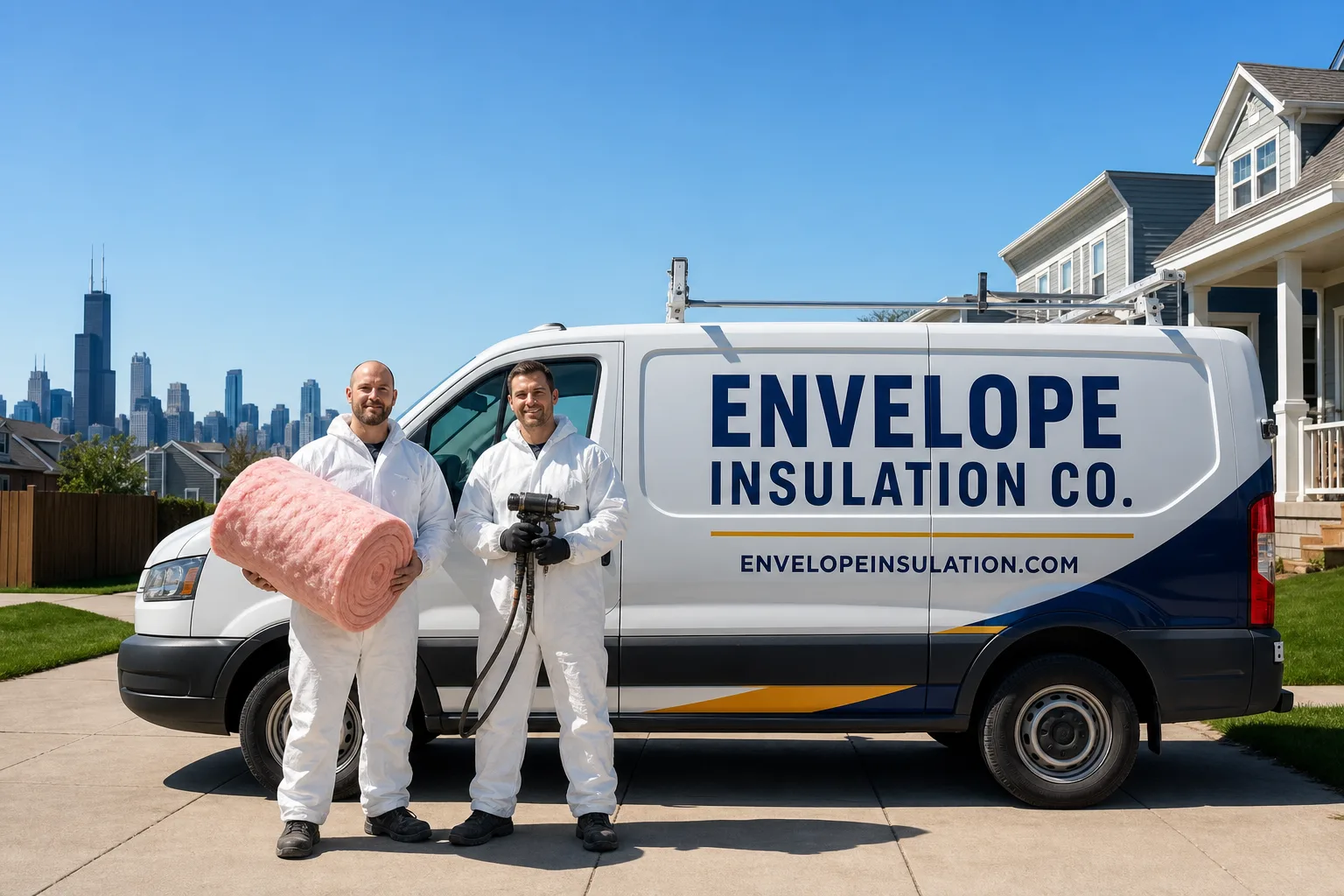
Attic Insulation in Gastonia: What It Costs and How Mill-Village Construction Changes the Job
Attic insulation in Gastonia typically runs $1,400-$3,200 for a standard 1,200-1,800 sq ft home getting blown-in cellulose to R-38, and $1,800-$4,500 when the job includes air sealing and fire-stopping in older mill-village construction. Homes built before 1945 around the Loray Mill district almost always need bay sealing before insulation can go in, which adds $600-$1,400 to the scope. We’re Topside Attic Insulation, and we work in Gastonia every week. Call (218) 261-7714 and you’ll get a live person who can schedule a written estimate.
Here’s the thing most insulation companies won’t tell you upfront: in Gastonia, the age and framing of your house determines whether attic insulation even works. A 1920s mill cottage with balloon framing and no fire stops is a completely different job than a 1995 rancher in east Gastonia. We’ll walk through what that means for your house specifically.
Why Topside Attic Insulation Is Built Different
We air seal first. Always. Topside Attic Insulation will not blow insulation over an unsealed attic floor, period. That’s not an upsell, it’s the entire job. Top plates, can lights, plumbing penetrations, the chase around your furnace flue, the gap where the bathroom fan vents into the attic instead of out the roof – all of it gets sealed before a single bag of cellulose is opened. Most Gastonia attics we inspect leak 30-50% of their conditioned air through gaps that insulation alone cannot fix.
And we prove it. On every applicable job, we publish before-and-after blower-door numbers. That’s a pressurization reading that shows, in a single figure, how much air your building envelope was losing. A typical Gastonia mill cottage might read 4,800 CFM50 before we start and 2,400 after. You get that number in writing, before and after. Not every contractor in Gastonia does that. Most can’t, because they’re not set up to measure it.
Wes Okafor started Topside Attic Insulation in 2016 under what we call The Haven Standard. It’s a simple set of rules: written price before any work starts, written scope, written warranty, and a documented record when the crew leaves. Every job. No exceptions. Since 2016, we’ve sealed and insulated more than 9,000 homes across the Charlotte metro, including hundreds in Gastonia.
The crew that shows up in Gastonia is background-checked, uniformed, and knows the difference between a balloon-frame mill cottage and a platform-frame ranch. They’ll text you when they’re on the way, with a name. Not a window.
Our Attic Insulation Services in Gastonia
Blown-In Attic Insulation
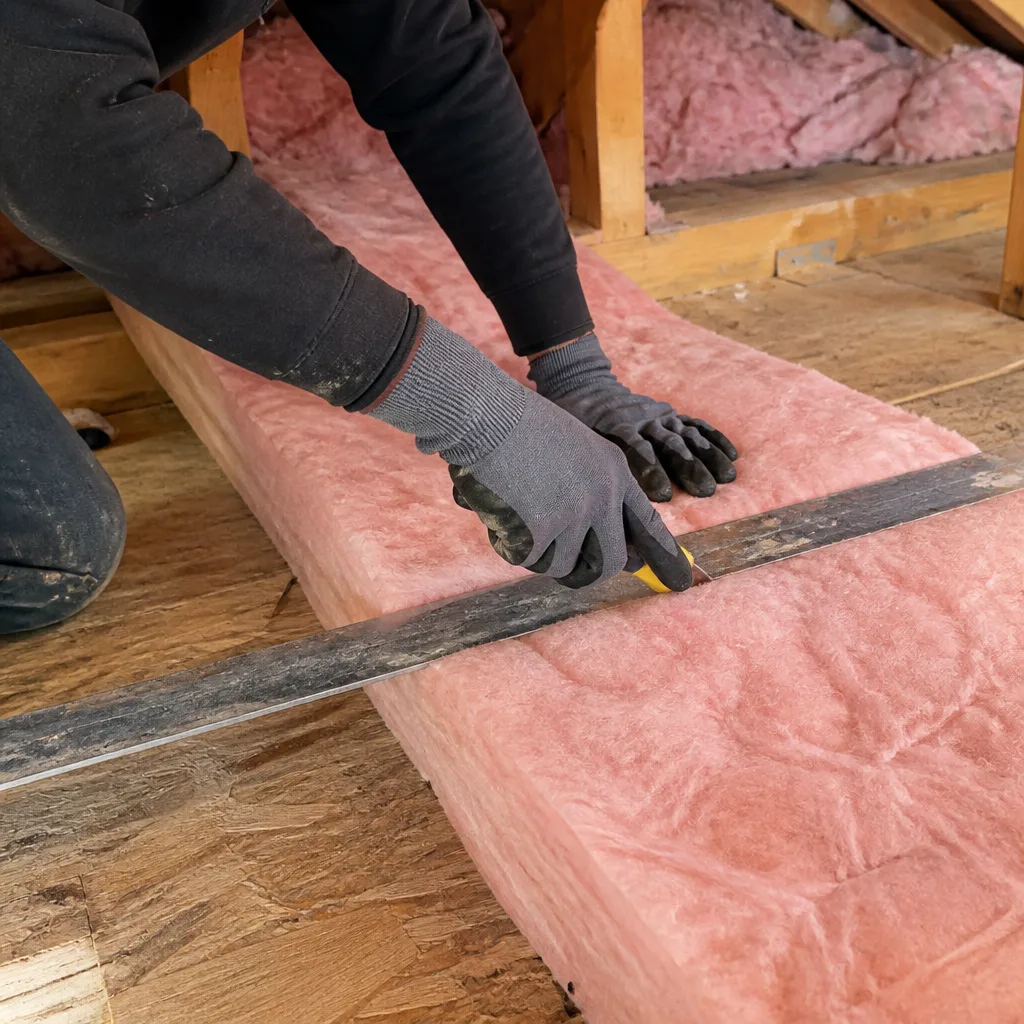
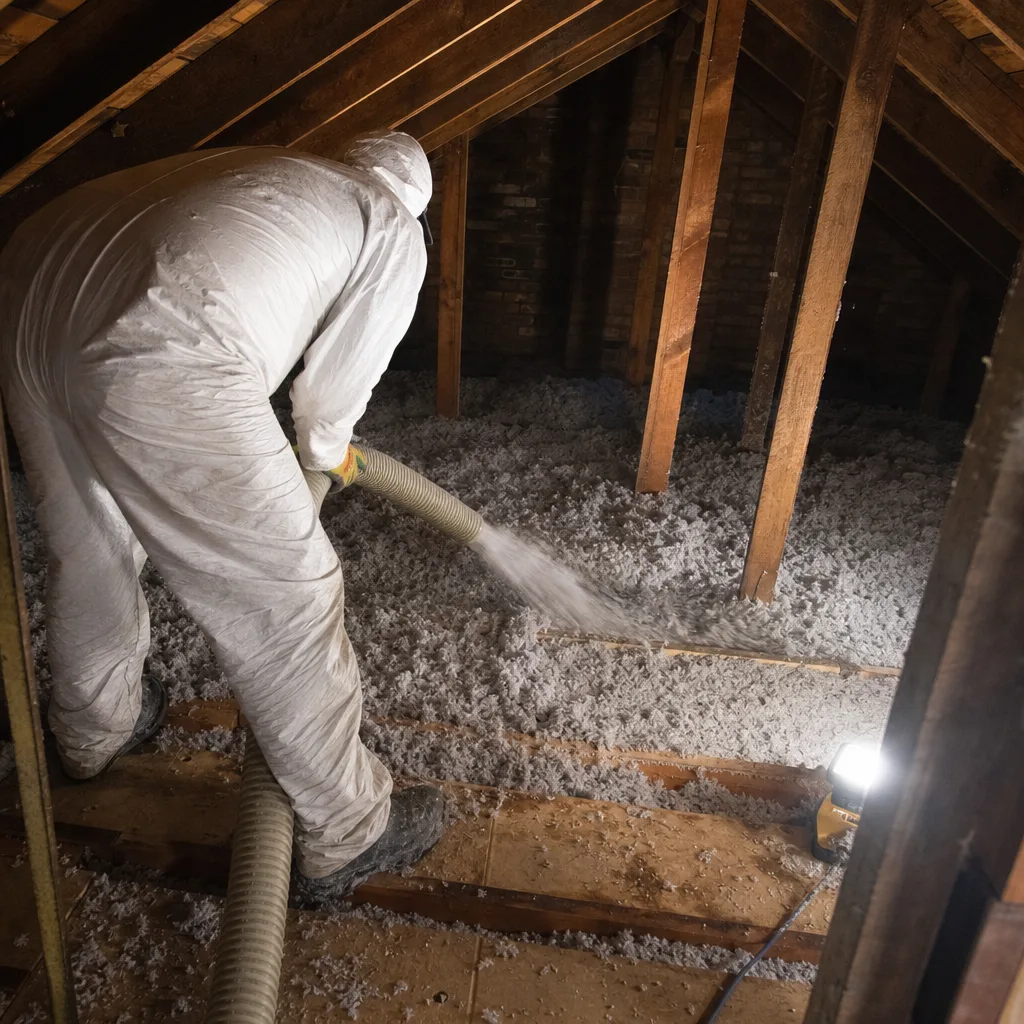
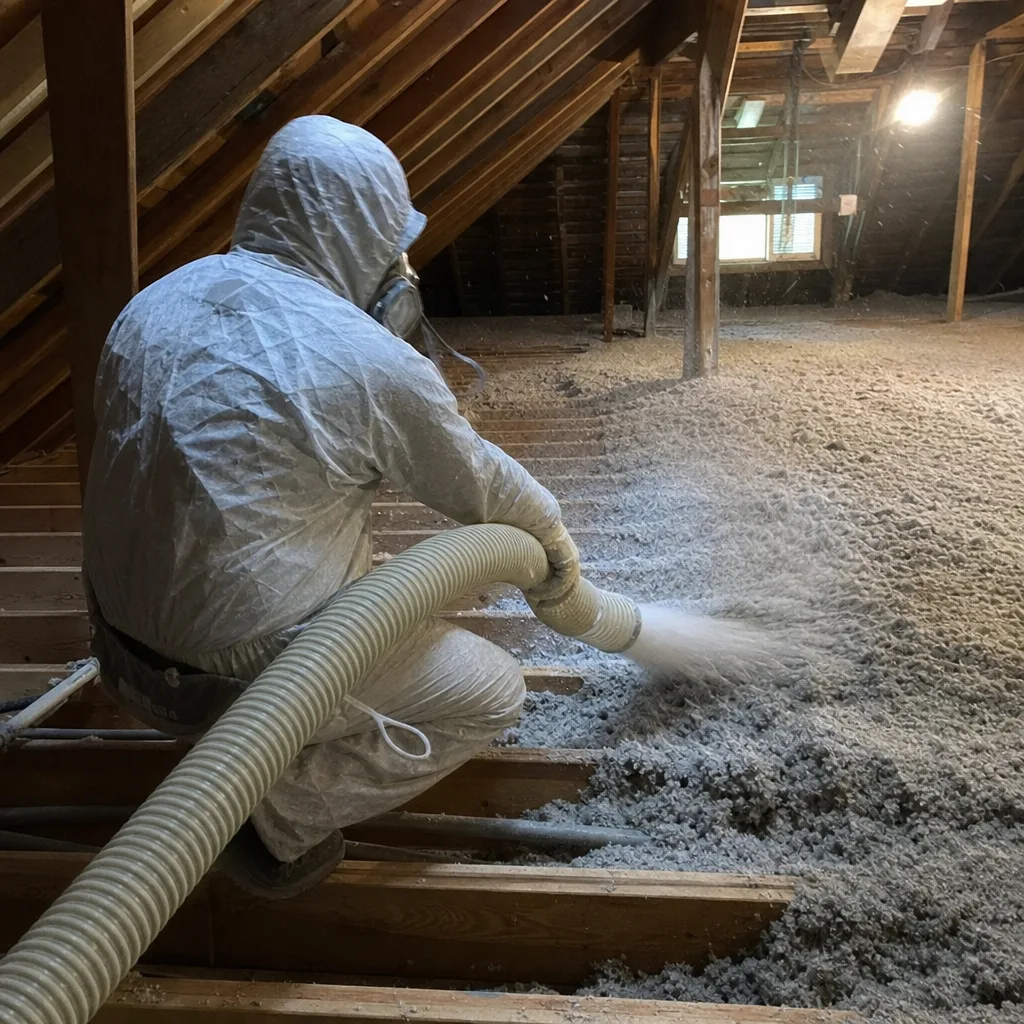
Blown-in cellulose is the workhorse insulation for Gastonia attics, especially in older homes where the attic floor framing is uneven or packed with debris from a century of use. We run GreenFiber cellulose, which settles into the irregular joist bays of mill cottages better than batts ever will. For a standard Gastonia rancher, we’re usually blowing to R-38, which in our climate means roughly 12-13 inches of settled material. In Zone 4A, that’s the number that stops both the August heat gain and the January stack effect.
Attic Batt Insulation
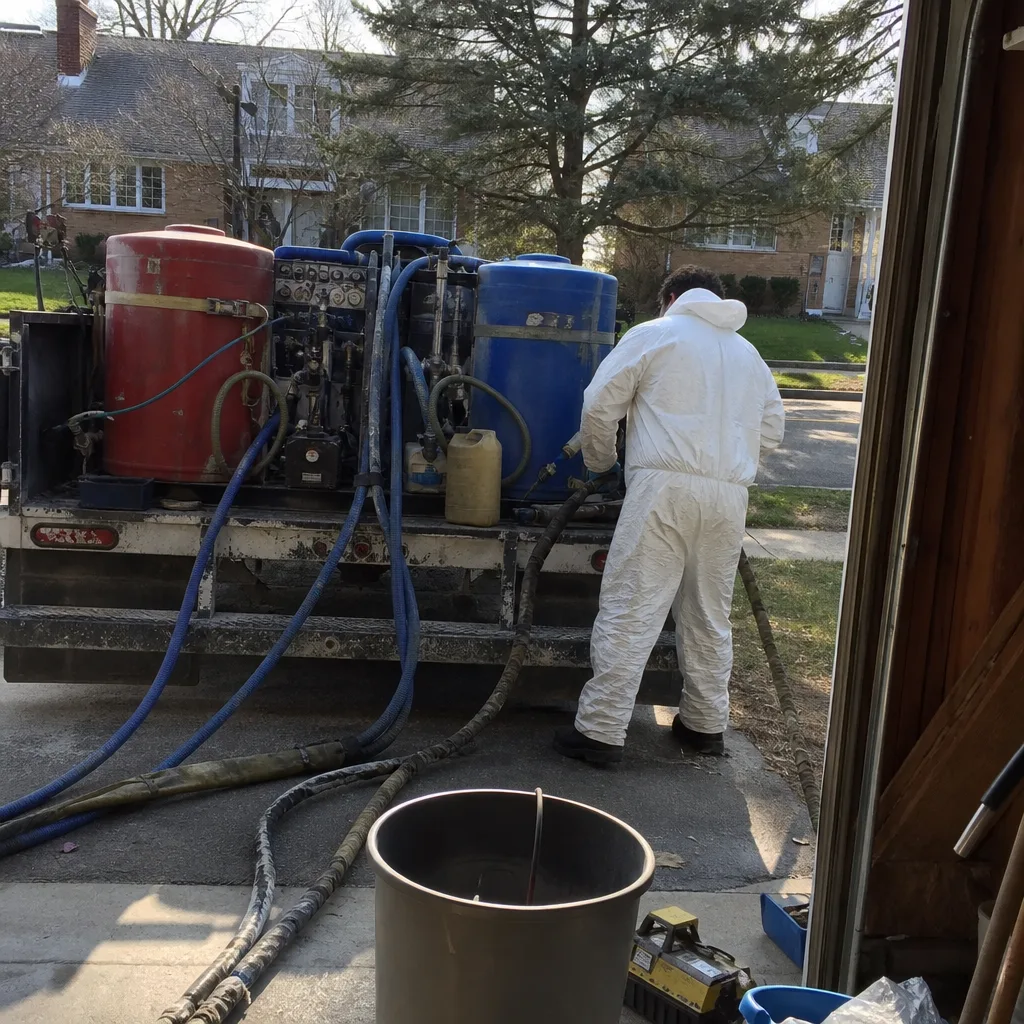
Batt insulation – fiberglass or Rockwool – has its place in Gastonia, but it’s not the default. We use it where the attic has open, uniform joist bays and no obstructions: newer construction in the 1980s and later, mostly. Rockwool batts are also the right call for fire-stopping balloon-frame cavities in mill village homes, because mineral wool doesn’t burn. In a Loray Mill district cottage, that’s not a preference, it’s a code requirement we’ll get into below.
Attic Insulation Top-Up
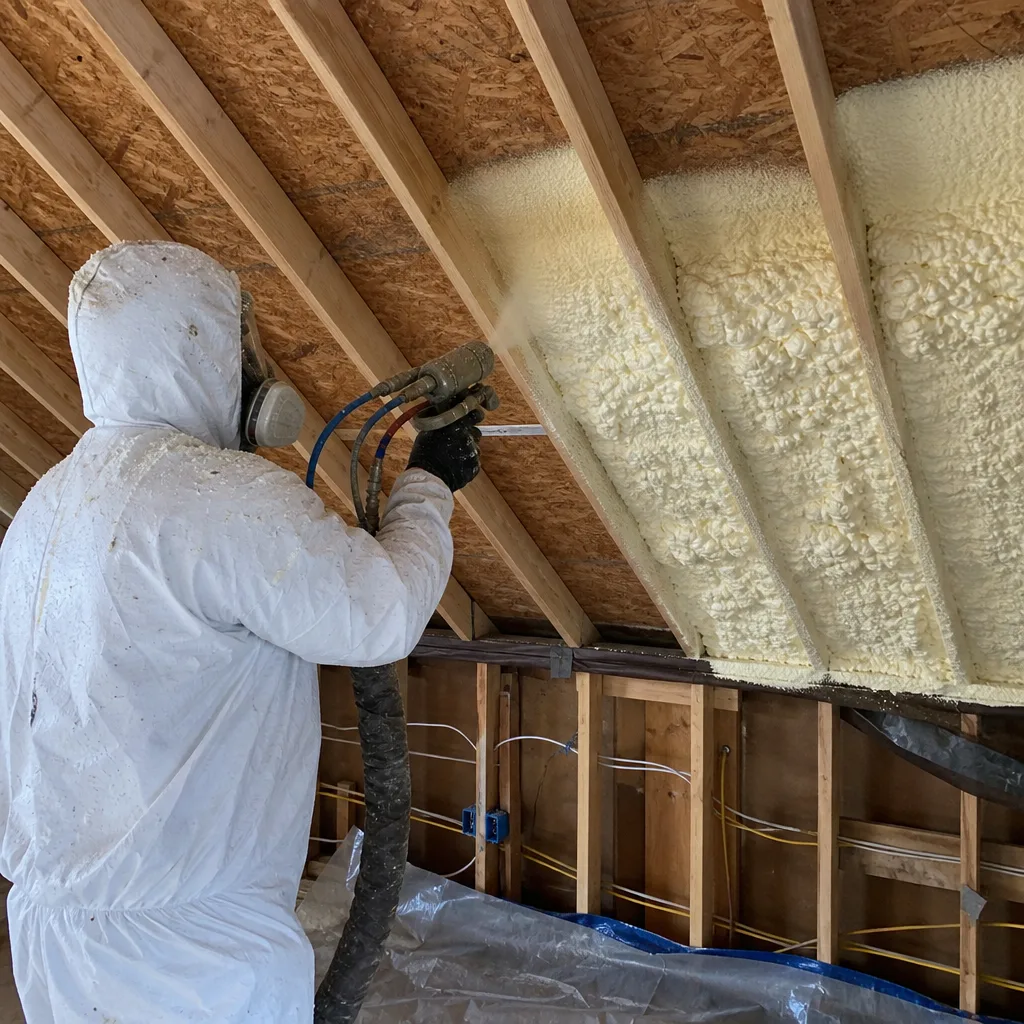
If your 1960s ranch home in Gastonia has some fiberglass batts from the Carter administration sitting at R-11 or R-19, you don’t necessarily need a full replacement. A top-up gets you to R-38 or R-49 with new blown-in material over the old, but only after we’ve verified the existing insulation is dry, mold-free, and not covering knob-and-tube wiring junctions. We find knob-and-tube in Gastonia’s pre-1930 housing stock regularly. You cannot bury live junctions under cellulose. We check first.
Attic Insulation Replacement
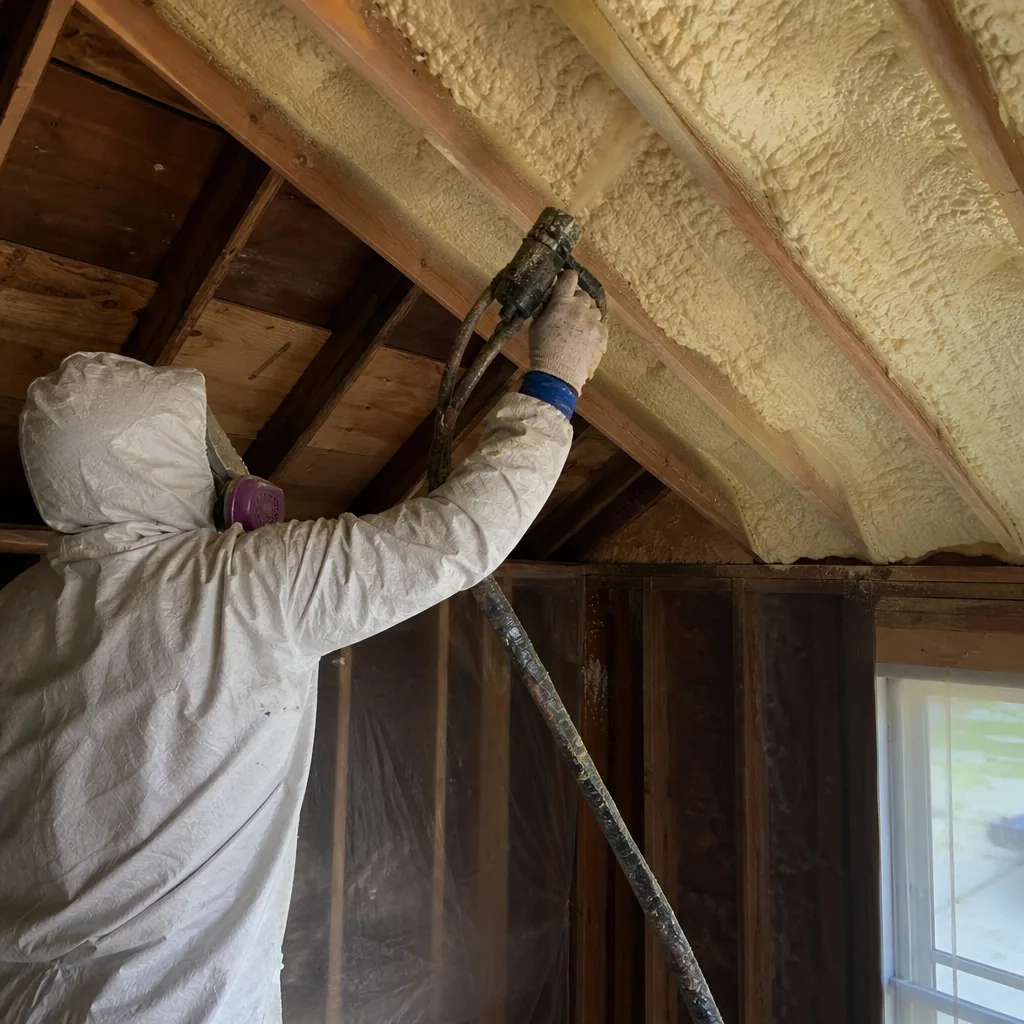
When the old insulation is wet from a roof leak, shredded by rodents, or contaminated with droppings from a racoon that moved in sometime before you bought the house, replacement is the only honest option. We remove the old material, sanitize where needed, air seal the attic floor, and install new insulation to current code. In Gastonia’s pier-and-beam homes especially, wet insulation over a humid crawl space is a pattern we see constantly.
What happens when you call
- 1
A real person answersNo phone trees - you reach a local pro.
- 2
You get an upfront price rangeHonest numbers before anyone is dispatched.
- 3
A background-checked tech heads outLicensed & insured, dispatched right away.
- 4
You approve before work beginsNothing starts until you say go.
Gastonia’s Mill Village Housing: Why This Page Is Different
Gastonia’s identity as one of the South’s premier textile manufacturing cities left behind an unusually dense concentration of mill village homes – small, wood-frame worker cottages built between roughly 1910 and 1945 with virtually no wall insulation and no vapor barrier. Retrofit insulation contractors here face this housing stock at a scale unlike Charlotte or most surrounding Piedmont cities. The dominant challenge is balloon-frame construction: continuous stud bays running from sill to attic with no floor-level fire break. The Loray Mill district and the streets off West Airline Avenue, West Franklin Boulevard, and North Chester Street are full of these homes.
Here’s the practical problem. In a balloon-frame cottage, the stud cavity is open from your crawlspace to your attic. If a fire starts in the crawlspace, the stud bay acts as a chimney flue, pulling flame and smoke straight up into the attic in minutes. Fire-stopping those cavities is not optional under current code. But here’s the part that surprises Gastonia homeowners: when a crew blows insulation into the attic of a balloon-frame home without first sealing those bays, the cellulose can shoot down the open wall cavities into the living space. We’ve seen it. Loose fill on the bedroom floor, a mess in the walls, and a code violation hiding behind the drywall.
At a mill cottage off West Airline Avenue, our crew found the attic floor framing open to the basement sill – no fire break and nothing in the walls. We air-sealed the bay tops in the attic and fire-stopped the stud cavities with mineral wool, then blew GreenFiber cellulose to R-38 over a sealed attic floor. That approach cut the homeowner’s winter stack effect dramatically without burying knob-and-tube junctions. The blower-door reading dropped from 4,900 CFM50 to 2,200.
This is information you won’t find on a generic insulation page. In a Charlotte subdivision built in 2003, none of this applies. In Gastonia’s mill villages, it’s the whole job. Wes Okafor’s crews train on this housing stock specifically, because it’s the defining retrofit challenge in this city.
Gastonia’s Climate and Crawlspace Problem
Gastonia sits in IECC Climate Zone 4A, mixed-humid. That means your attic insulation has to perform against two very different enemies: 90°F summer afternoons with dew points in the 70s, and January nights that dip into the teens. Undersized attic insulation hits you on both the cooling bill and the heating bill. We size insulation in Gastonia for that annual swing, not for a national average.
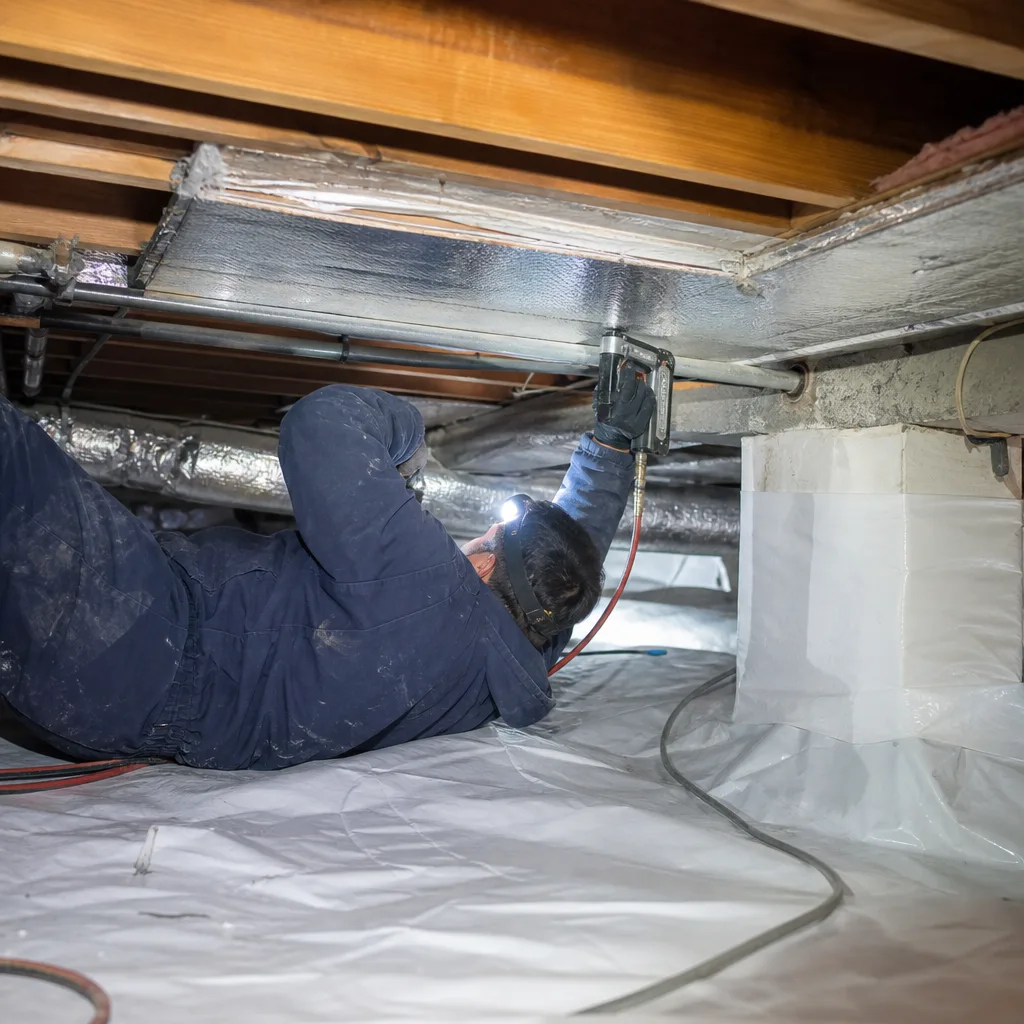
There’s a second, more local problem: pier-and-beam foundations. Many of Gastonia’s older homes sit on crawl spaces, and the humid Piedmont summers drive ground moisture into the underfloor framing. If your attic insulation is being installed over a damp, unvented crawlspace, you’re trapping moisture in the floor assembly. The fix is sequence-dependent: address the crawlspace first – vapor barrier, encapsulation where warranted – then insulate the attic. Topside Attic Insulation does both. It’s one crew, one scope, one written price.
Problems We See in Gastonia Attics
- Open balloon-frame cavities beneath attic insulation. In mill village homes around Loray Mill, the stud bays run unbroken from crawlspace to attic. Insulating without fire-stopping is a code violation and a fire-spread hazard. We seal these bays with mineral wool before any fill goes in.
- Blown-in material dumping into living spaces. Crews unfamiliar with balloon-frame construction can blow cellulose straight down open wall cavities. We’ve cleaned up other contractors’ messes in Gastonia. Our crews know which attics are at risk before the hose turns on.
- Attic insulation trapping crawlspace moisture. In Gastonia’s pier-and-beam homes, adding attic insulation over an unsealed crawlspace accelerates rot in the floor framing. The crawlspace needs attention first, or in the same scope. We write it into the plan.
- Knob-and-tube wiring under old insulation. Pre-1930 Gastonia homes often still have active knob-and-tube runs in the attic. Burying those junctions under cellulose creates a fire hazard. We identify and address wiring before insulating.
Pricing for Attic Insulation in Gastonia, NC
Let’s put numbers on the page, because that’s what this brand does. Blown-in attic insulation for a 1,200-1,500 sq ft Gastonia home runs $1,400-$2,400 to reach R-38. Attic batt insulation with Rockwool or fiberglass runs $1,600-$3,000 depending on square footage and joist spacing. An insulation top-up over existing fiberglass runs $900-$1,600. Full replacement, including removal and disposal of old material, runs $2,200-$4,500. Fire-stopping balloon-frame walls adds $600-$1,400 depending on stud cavity count. Air sealing the attic floor before insulation adds $500-$1,200, and it’s the most cost-effective part of the job.
Every estimate is written. You get a flat price, written scope, and written warranty before anyone lifts a tool. That’s Haven Standard Clause 1. Bring us a competing written quote from another Gastonia contractor and we’ll read it with you, line by line – that’s our Free Second Opinion policy. No pressure, no gamesmanship.
Trusted Materials and Fast Turnaround in Gastonia
We’re not locked to one manufacturer, because your house shouldn’t be either. Our crews install GreenFiber cellulose, Rockwool mineral wool, and Johns Manville and CertainTeed fiberglass batts. The material choice is driven by your house’s construction type, not by a supplier contract. For Gastonia jobs, we keep quick access to material through the metro supply chain, which means scheduling doesn’t stall waiting on a truck from another state. Dispatch and scheduling are coordinated from our Charlotte office; the crews you see in Gastonia are local-run teams who know the streets and the housing stock.
Cities We Serve Around Gastonia
Our Attic Insulation team covers Gastonia and the surrounding metro cores. You’ll find us regularly in Gastonia neighborhoods from Loray Mill to Gardner Park, and we also serve homeowners in Charlotte and Concord with the same written-price, blower-door-verified standard.
Serving Gastonia, NC - Our Local Coverage Area
We’re based in the Gastonia area and know this community well. Use the map below to see our service coverage - if you’re nearby, we can almost certainly help.
FAQs: Attic Insulation in Gastonia
Current building code requires fire-stopping at floor levels in balloon-frame construction, but Gastonia’s pre-1945 mill village homes were built without those blocks, leaving continuous stud bays from crawlspace to attic. In the Loray Mill district and surrounding streets, Gastonia code enforcement requires those cavities sealed before insulation covers the framing. We do this with mineral wool fire stops at each floor level. The cost is $600-$1,400 depending on how many cavities your cottage has. Call (218) 261-7714 and we’ll put it in writing.
Yes, but airflow has to be addressed first. Many 1920s Gastonia mill cottages were built without soffit vents, and buried roof framing holds heat and moisture if you pile insulation on top without ventilation. We install baffles at the eaves and, where needed, add continuous soffit venting before blowing insulation. It’s part of the scope, not an afterthought.
Sometimes not, and that’s planned for before the crew arrives. Mill-village cottages often have a single 18″x24″ scuttle hole in a hallway ceiling, which is tight for a blower hose and impossible for full batt rolls. Our crews have retrofitted dozens of these access points in Gastonia. If the access needs enlarging, that goes in the written scope, not discovered on the job day.
If your mid-century ranch sits at R-11 or R-19 and the existing fiberglass is dry and intact, a top-up to R-38 or R-49 typically costs $900-$1,600 and cuts both summer cooling load and winter heat loss by a third or more. We verify the existing insulation is dry and not covering wiring or recessed lights before blowing new material over it. In a Zone 4A climate like Gastonia’s, R-38 is the minimum we recommend for an attic floor.
It doesn’t, on its own. In fact, attic insulation without addressing a humid crawlspace can accelerate rot in the floor framing because it traps moisture that would otherwise move through the assembly. The correct sequence in Gastonia’s pier-and-beam homes is to seal the crawlspace first – vapor barrier and encapsulation – then air seal and insulate the attic. We do both in one scope, with one written price, and the blower-door numbers reflect the combined result. Call (218) 261-7714 to get a written estimate.
Get a Written Price for Attic Insulation in Gastonia
If you own a home in Gastonia – mill cottage, mid-century ranch, or 1990s builder-grade – we’ll give you a written price before any work starts. No “call for a quote” ambiguity. You’re asking a fair question: what will this cost, in dollars, and what will I get when it’s done? We’ll answer both, in writing, and we’ll show you blower-door numbers from the last ten houses we did in your neighborhood if you want to see them. Call (218) 261-7714 or text, and a live person will pick up. 24/7. That’s the standard.
Written by Wes Okafor, Owner at Topside Attic Insulation, serving Gastonia since 2016 under The Haven Standard.
Attic Insulation in Nearby Areas