
Fast, Reliable Attic Insulation Across Mount Vernon
Attic insulation in Mount Vernon typically runs $1,800-$4,600 for a standard rowhouse attic, with most projects completed in a single day. If your top floor over-heats in July and leaks heat by January, the problem usually isn’t the insulation alone. It’s the air moving through the balloon-frame cavities behind your plaster walls. We respond to Mount Vernon calls within 90 minutes during business hours, and we never start work without a written price in your hand first. Call (218) 261-7714 for a free estimate, and we’ll walk you through what a blower-door test reveals before anything gets installed.
Wes Okafor, who leads our crews, has spent enough time in Mount Vernon attics to know this city’s older homes don’t behave like newer suburban builds. They leak differently. They overheat differently. And they need a different sequence of work to actually perform. We’ll get into that below.
Why Topside Attic Insulation Is Mount Vernon’s Preferred Attic Insulation Company
We’re not the biggest contractor in Westchester, and we don’t try to be. What we do is narrower and more specific: we seal first, then insulate, in that exact order, and we publish the before-and-after blower-door numbers on every applicable Mount Vernon job. The blower-door test is a pressurization reading that shows, in a single figure, how much conditioned air your building envelope is losing. A 1920s two-family on Gramatan Avenue might read 4,200 CFM50 before we touch it and 2,100 after. That number goes on your final documentation, not in a marketing brochure.
Mount Vernon homeowners tend to research thoroughly before calling, and they ask hard questions. That’s the homeowner we want to work with. We’ll hand you a written scope and written warranty before anyone lifts a tool, under Haven Standard Clause 1. We also offer a Free Second Opinion on any written estimate: bring us a competing quote, and Wes will read it with you line by line. If a roofer’s bid says “blow R-38 over existing” without mentioning air sealing or baffles at the soffits, that’s a problem you should know about before you pay for it.
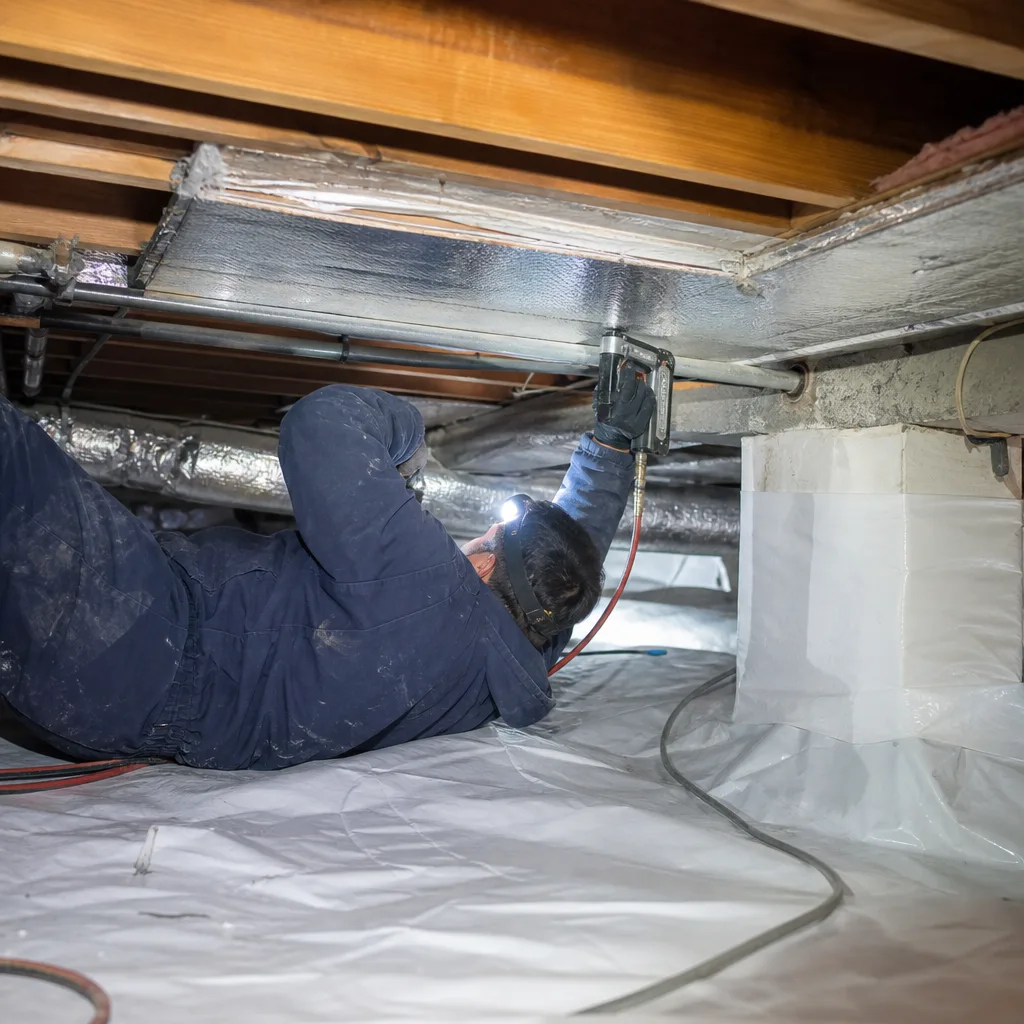
Every Mount Vernon job ends with a Documented Photo Record. You’ll see the sealed top plates, the baffles installed at the eaves, and the final insulation depth before we hand you the invoice. That’s what leaving looks like.
Our Attic Insulation Services in Mount Vernon
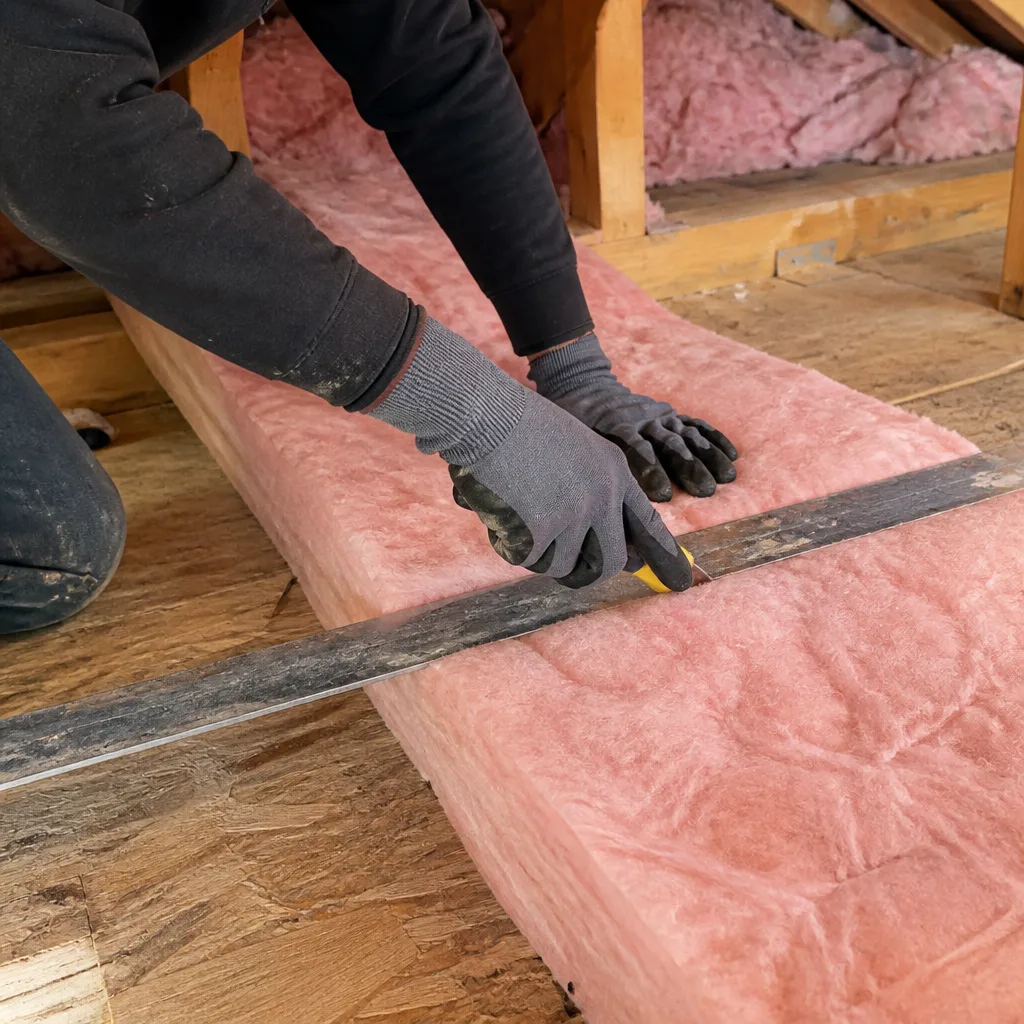
We offer the full Attic Insulation line in Mount Vernon, but three services matter most in this housing stock: baffles and ventilation prep, blown-in insulation, and top-up work. Here’s how each one works in a city built before 1930.
Attic Baffles & Ventilation Prep
In Mount Vernon rowhouses, soffit vents are often painted over, blocked by original trim, or simply absent. Before we blow any insulation into an attic, baffles must be installed to keep the eave vents open and to direct airflow above the insulation, not through it. Without this step, blown-in cellulose or fiberglass settles against the roof deck and creates a warm, moist pocket where condensation collects. In tight Mount Vernon attics with original plank roofing, that moisture rots wood and invites mold. We install baffles first, check that the ridge or gable vents are actually moving air, and only then do we add insulation.
Blown-In Attic Insulation
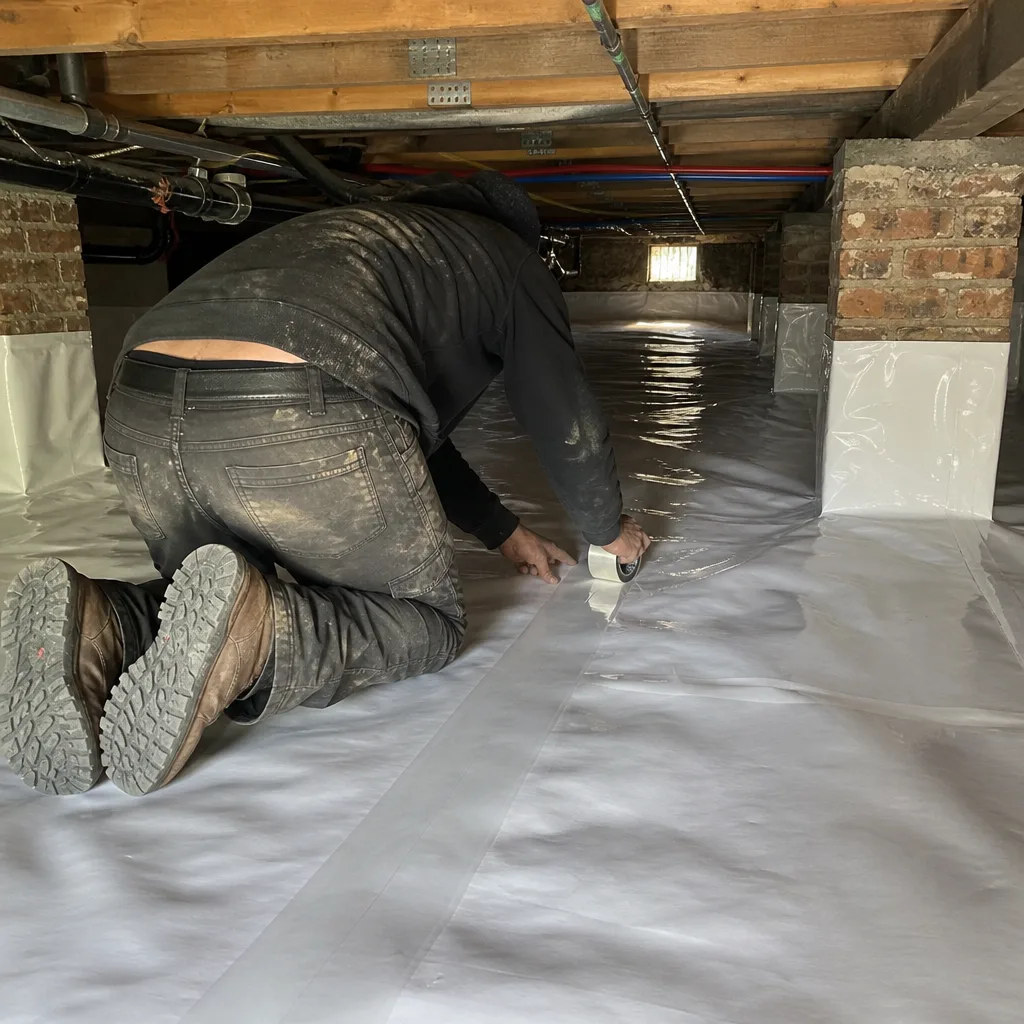
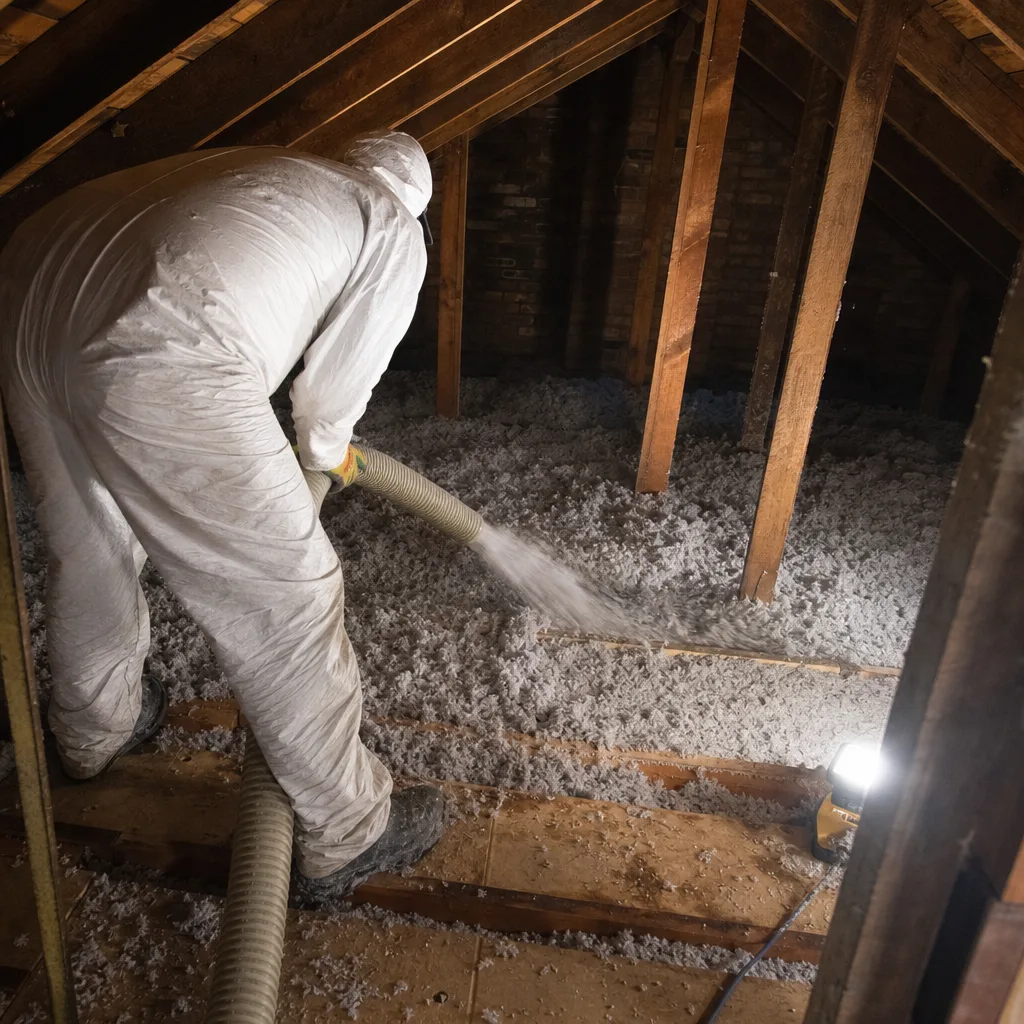
For most Mount Vernon homes, blown-in insulation is the right tool because it conforms to uneven joist spacing, odd angles, and plaster lath below without leaving gaps. We run GreenFiber cellulose or Johns Manville fiberglass, depending on the attic and the budget. In the dense blocks off South Fulton Avenue, we’re often working in attics that haven’t been touched in 60 years, with original knob-and-tube wiring still in place. Dense-packing around knob-and-tube requires care: we keep insulation out of contact with the wiring and use baffles to preserve airflow. That’s a Mount Vernon-specific reality you won’t see mentioned on a generic insulation page.
Attic Insulation Replacement
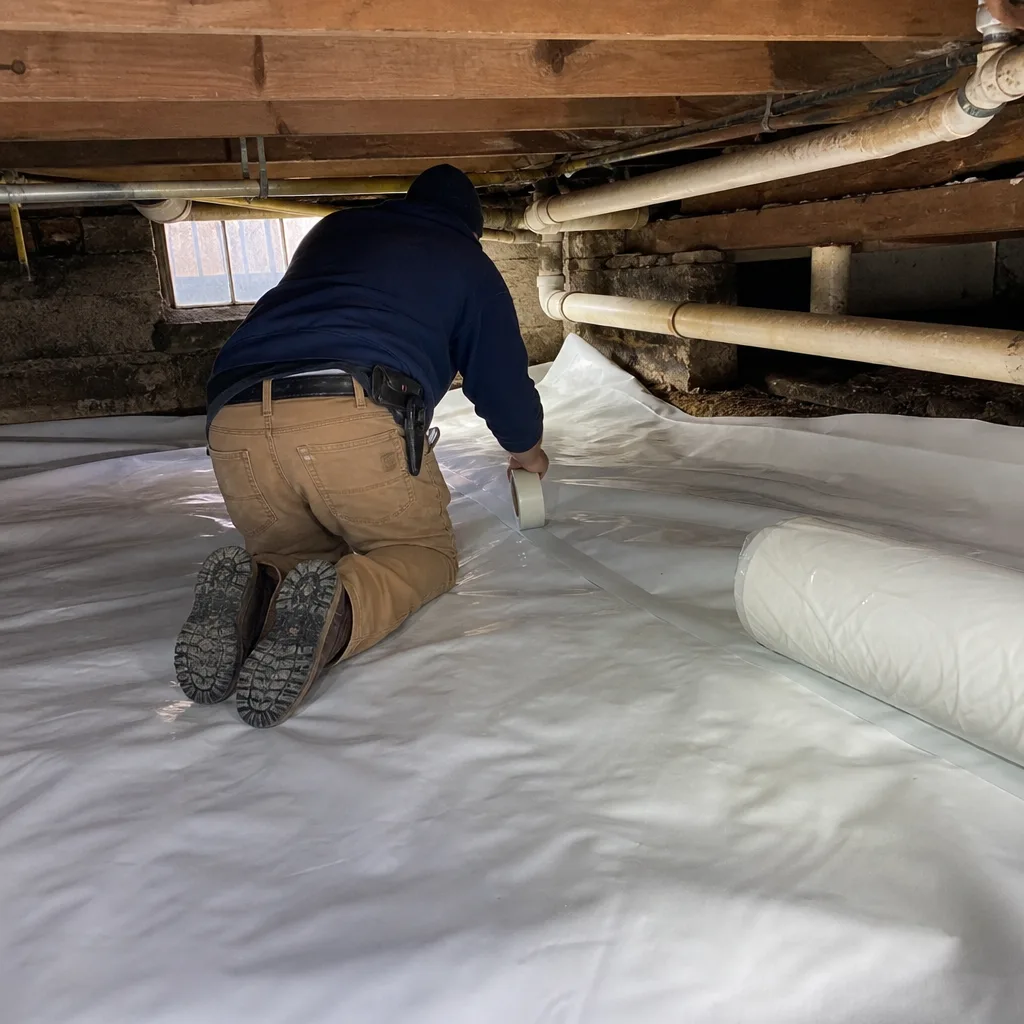
Sometimes the existing insulation is beyond saving. If a 1930s Mount Vernon attic has old fiberglass batts that are compressed, rodent-damaged, or soaked from a roof leak, removing and replacing is the only honest answer. We use Knauf or CertainTeed batts in replacement work where the joist bays are consistent, and blown-in material where they aren’t. Replacement also gives us access to the attic floor, which is when we find the real problem: the unsealed top plates and the open balloon-frame cavities behind them.
Attic Insulation Top-Up
If your Mount Vernon attic already has some insulation but your top floor still won’t hold temperature, a top-up might be all you need, provided the existing material is dry and the air leaks are sealed. We run GreenFiber over settled fiberglass or rock wool to bring the assembly up to R-49 or R-60. The critical question is always: what’s underneath the old insulation? If the floor wasn’t air-sealed before the original insulation went in, topping it up just buries the leak deeper. We’ll tell you if that’s the case, and we won’t blow over an unsealed floor.
What happens when you call
- 1
A real person answersNo phone trees - you reach a local pro.
- 2
You get an upfront price rangeHonest numbers before anyone is dispatched.
- 3
A background-checked tech heads outLicensed & insured, dispatched right away.
- 4
You approve before work beginsNothing starts until you say go.
Common Attic Insulation Problems We See in Mount Vernon Homes
- Balloon-frame cavities acting as hidden chimneys. In pre-1930 attached row houses, the stud cavities run uninterrupted from the foundation sill to the attic. Conditioned air from the first floor rises through these chases and exits at the attic. Blowing insulation over the attic floor without fire-blocking these cavities means the hot air simply bypasses the insulation through the walls.
- Shared party walls doing double duty as thermal bridges. In semi-detached and attached Mount Vernon housing, the wall you share with your neighbor can’t be insulated from the exterior. That leaves the party wall chase as an open path for air movement between units and between floors. Air-sealing the attic floor without addressing the party-wall chase leaves a significant part of the problem untouched.
- Original knob-and-tube wiring buried under old insulation. Many Mount Vernon homes still have live knob-and-tube circuits in the attic. Insulation packed directly against knob-and-tube creates overheating risk. We identify the wiring first, keep insulation clear of it, and work around the limitations.
- Unvented recessed lights and bathroom fans dumping into the attic. In older Mount Vernon homes, top-floor bathroom fans often terminate directly into the attic rather than through the roof. That pumps moist air into the insulation, which sags and loses R-value. We correct the venting before we insulate.
Pricing for Attic Insulation in Mount Vernon, NY
Let’s talk numbers. A typical Mount Vernon rowhouse attic between 800 and 1,200 square feet runs:
- Attic air sealing plus blown-in insulation (R-49 cellulose): $1,800-$2,800
- Attic insulation top-up over existing (R-49 total): $900-$1,400
- Attic baffles and ventilation prep only: $350-$700
- Full attic insulation removal and replacement: $2,200-$4,600
- Fire-blocking of balloon-frame cavities at the attic level: $40-$90 per chase, typically 4-8 chases in a Mount Vernon rowhouse
What moves the price in Mount Vernon: attic accessibility, presence of knob-and-tube wiring, depth of existing material, and whether fire-blocking is required before we insulate. Every quote is a flat, written price delivered before any work starts, under Haven Standard Clause 1. Estimates are free. Call (218) 261-7714 and Wes will walk you through the numbers specific to your attic.
Why Mount Vernon’s Building Stock Changes How We Insulate
Mount Vernon’s housing stock is dominated by pre-1930 attached and semi-detached row houses, built as dense commuter suburbs for New York City workers. Many still have original balloon-frame construction, where the wall cavities run uninterrupted from the stone foundation to the roof line. That’s not a quirk. It’s the single most important fact about insulating any attic in this city.
Here’s what happens in a 1920s two-family on South Fourth Avenue. The blower-door test reads 4,200 CFM50. We air-seal the attic floor. We dense-pack the floor joists with GreenFiber. But if we stop there, the top-floor tenant still complains about roasting bedrooms in July. Why? Because the balloon-frame cavities behind the plaster walls are still open. Hot air from the lower unit, the shared party wall, and the sun-baked bricks rises straight through those hidden chases and bypasses everything we just installed. The fix is fire-blocking at the attic level: we seal those cavities at the top, where they open into the attic. Without that step, the house remains a single connected air volume from basement to ridge, and the insulation we added is doing maybe two-thirds of its job.
That’s the difference between a generic attic insulation company and one that knows Mount Vernon’s building stock. We don’t just blow insulation. We deal with the frame first.
Westchester’s building inspectors require the same thing. Before adding attic insulation in a pre-1930 balloon-frame home, fire-blocking of the continuous stud cavities is a code requirement, not an optional upgrade. A local inspector will flag it. We address it before the insulation goes in, and we document it in your photo record.
The climate makes this doubly important in Mount Vernon. The city sits in the urban heat-island zone just north of the Bronx, which slightly moderates winter lows but amplifies summer cooling loads. Top-floor apartments in south Mount Vernon routinely hit 85°F in July without air conditioning. Insulation and air sealing work both directions: they keep heat in during January and keep heat out during August. In this building stock, the summer benefit is often the one homeowners notice first.
Trusted Brands We Service in Mount Vernon
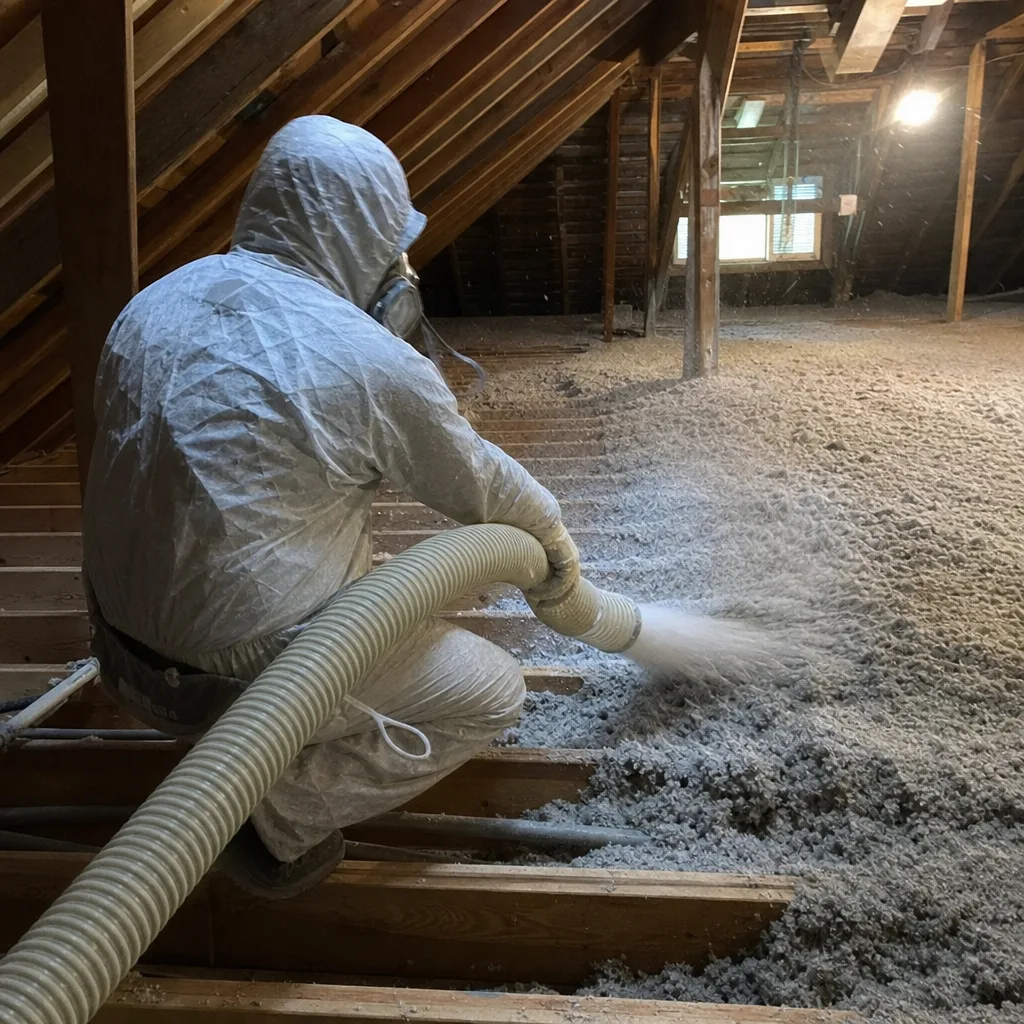
We install insulation from Johns Manville, Knauf, Rockwool, and CertainTeed, plus GreenFiber cellulose for dense-pack and blown-in work. No proprietary product lock-in. The material we recommend depends on your attic geometry, wiring condition, and budget. We stock the common widths and densities for Mount Vernon’s older joist spacing, which means faster turnaround when your attic’s ready for install. We also schedule around rainy days for vent work, since eave access in Mount Vernon’s tightly packed rows often happens from the outside with minimal clearance.
We Also Serve Cities Near Mount Vernon
While this page focuses on Mount Vernon, our crews also serve Attic Insulation in Mount Vernon and the surrounding area: New Rochelle, with its mix of pre-war and mid-century housing, and Yonkers, where we handle everything from single-family colonials to three-story walkups. If you’re in one of those cities, the same Haven Standard applies: written price first, documented record last.
Serving Mount Vernon, NY - Our Local Coverage Area
We’re based in the Mount Vernon area and know this community well. Use the map below to see our service coverage - if you’re nearby, we can almost certainly help.
FAQs - Attic Insulation in Mount Vernon
Fire-blocking is required because balloon-frame stud cavities act as open chimneys between floors. Without blocking at the attic level, a fire in the basement can travel straight up inside the walls and exit through the attic, bypassing every smoke detector in the building. The fire-blocking also serves an energy function: it stops conditioned air from bypassing your new insulation. We handle this as a standard part of attic work in Mount Vernon’s pre-1930 housing. Your quote will show it as a line item if your home needs it. Call (218) 261-7714 and we’ll tell you whether your block likely has balloon framing.
No, not practically. Party walls are brick or mass masonry, and they can’t be insulated from the exterior without trespassing on the neighbor’s property. Interior insulation would eat four to six inches of floor space and trap moisture against cold masonry. What we can do is air-seal the party-wall chase at the attic level, which stops the conditioned air from your unit escaping through the shared wall cavity. That’s the highest-value work on a shared wall, and it’s part of our standard sealing sequence in Mount Vernon rowhouses.
In winter, attic insulation slows the convective heat loss from your top-floor ceilings into the unheated attic. In summer, it blocks radiant heat from the sun-baked roof deck from radiating down into your rooms. In Mount Vernon’s urban heat-island zone, top-floor apartments in rowhouses catch sun on three sides plus the roof. Air sealing plus R-49 attic insulation typically drops a south Mount Vernon top-floor by 5-10 degrees on a hot afternoon. But only if the balloon cavities are fire-blocked first, otherwise the hot air just reroutes through the walls. Give us a call at (218) 261-7714 and we’ll schedule a blower-door reading so you can see your numbers before and after.
It reveals that the house leaks far more than its square footage suggests. A 1920s Mount Vernon two-family often reads 3,800-5,200 CFM50 before air sealing, where a modern code-built house of the same size might read 1,200-1,800. The leakage isn’t through windows and doors. It’s through the attic floor, the rim joist, and most of all, through the open balloon-frame chases. We publish your before and after numbers on every applicable job, so you can verify what the air sealing actually did.
It depends on condition. If the batts are dry, uncompressed, and free of rodent damage, a top-up to R-49 or R-60 is often sufficient, assuming the air sealing is done first. If the batts are water-stained, moldy, compressed, or chewed through, replacement is the better call. We’ll tell you which applies to your attic, with photos, before you commit to anything. Bring in a competing quote and Wes will read it with you as a Free Second Opinion. Call (218) 261-7714 to set that up.
Written by Wes Okafor, Owner at Topside Attic Insulation, serving Mount Vernon’s older housing stock with documented air-sealing and insulation work since 2016.