
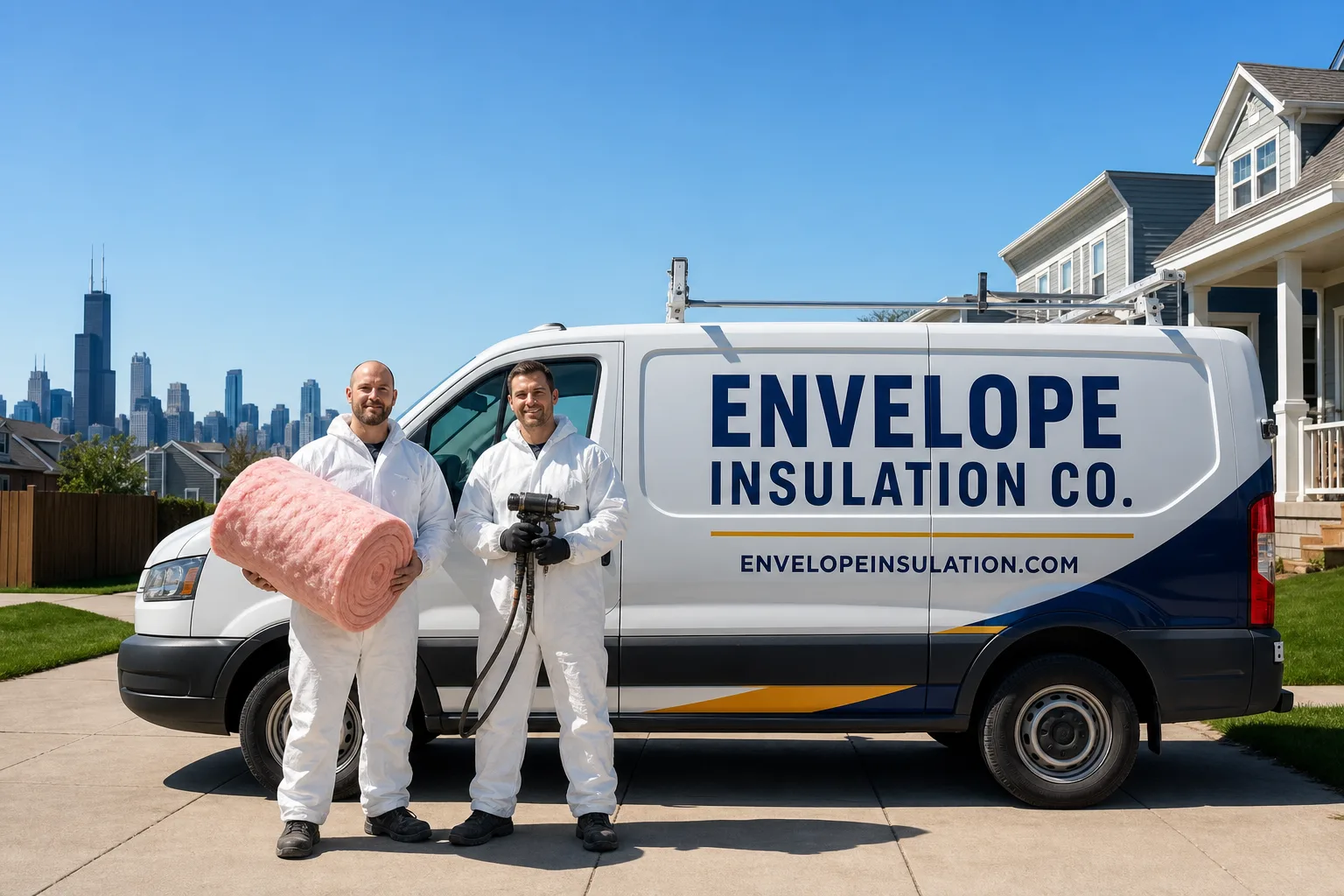
Fast, Reliable Crawl Space Encapsulation & Vapor Barrier Across Miami Beach
If you own a raised home, duplex, or ground-floor apartment in Miami Beach, the space under your floor is working against you. Climate Zone 1A heat and humidity push moisture inward through slabs, piers, and rim joists year-round, and an unsealed crawl area becomes a standing reservoir of damp air that feeds mold and rots subflooring. Our Crawl Space Encapsulation & Vapor Barrier team seals that space properly, using materials that meet Miami-Dade County’s Notice of Acceptance (NOA) requirements, not just whatever’s on the shelf. Call (218) 261-7714 and we’ll give you a written price before any work starts.
Why Topside Attic Insulation Is Miami Beach’s Preferred Crawl Space Encapsulation & Vapor Barrier Company
We work in Miami Beach neighborhoods like Flamingo Park, Sunset Harbour, and the streets around Meridian Avenue every week. Our crews know the difference between a 1920s hollow-tile raised foundation in South Beach and a 1960s concrete-block duplex mid-island, and we seal each one to handle Miami Beach’s specific vapor drive, not a generic northern crawl space playbook. Under The Haven Standard since 2016, every job starts with a written scope and a written price, and ends with a Documented Photo Record so you can see exactly what was sealed, taped, and insulated.
Wes Okafor leads our Miami Beach encapsulation work. He’s walked under hundreds of raised floors across the island and knows which rim joists on a 1940s Mediterranean Revival building will be holding moisture before he opens the access panel. When you call, a live person answers. When we schedule, you get a named technician and a text when the crew is on the way. No voicemail loops, no callback windows that stretch into next week.
Our Crawl Space Encapsulation & Vapor Barrier Services in Miami Beach
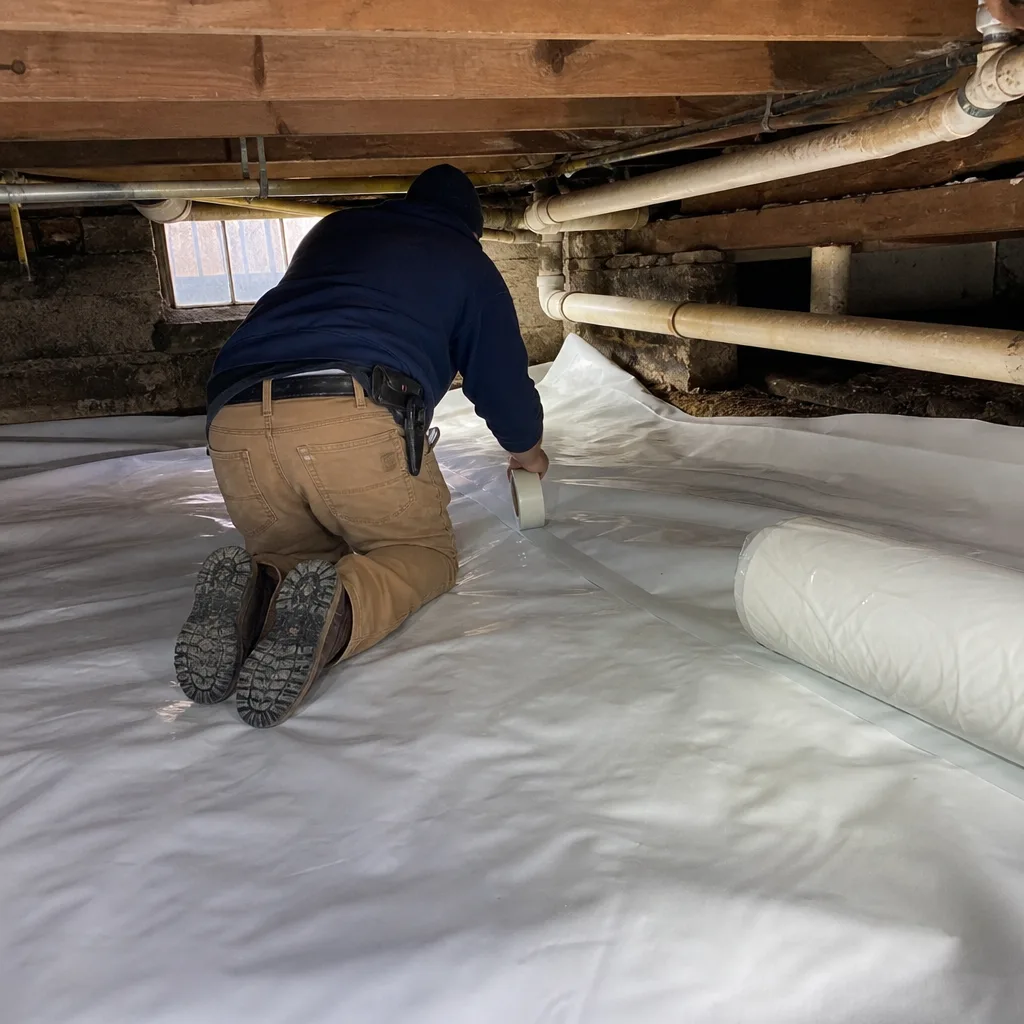
Crawl Space Vapor Barrier
In Miami Beach, a vapor barrier is not a passive upgrade. The inward vapor drive from Biscayne Bay and the Atlantic pushes moisture up through the soil under raised foundations all year, which means a standard 6-mil poly sheet from an out-of-state supplier will fail at the seams within a season or two. We install reinforced 20-mil barrier material, tape every seam and pier penetration with salt-resistant tape, and mechanically fasten the edges so they cannot peel back in humid air. This is the foundation layer for everything else.
Crawl Space Encapsulation
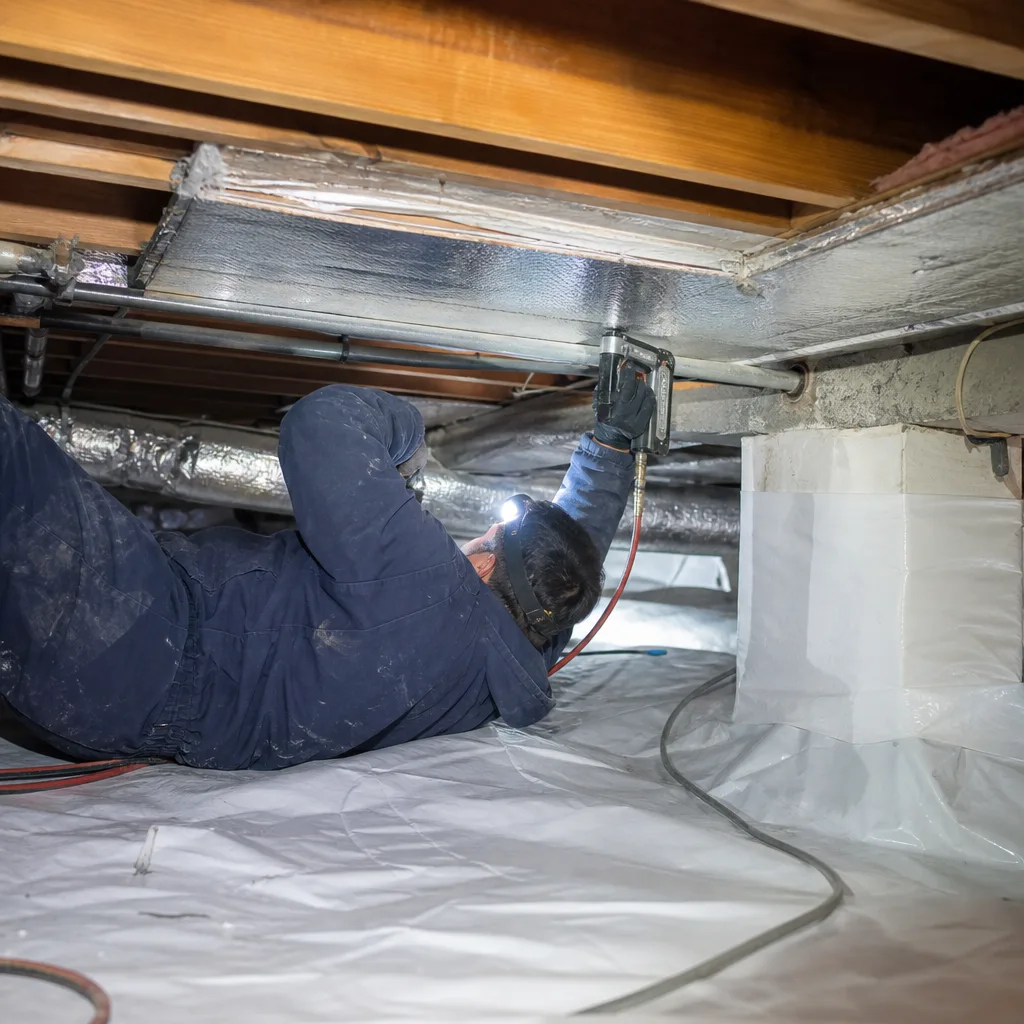
Encapsulation in Miami Beach means sealing the entire under-floor cavity, not just laying plastic on the dirt. We close off louvered vents and access doors that admit salt-laden ocean air into alley-load buildings, seal the rim joists, and create a dead-air assembly that holds the subfloor above dew point even when flat-roof heat above pushes attic temperatures past 140°F. The goal is a mechanically dried, sealed space, not a vented northern crawl. That distinction matters more here than anywhere else in Florida.
Crawl Space Insulation
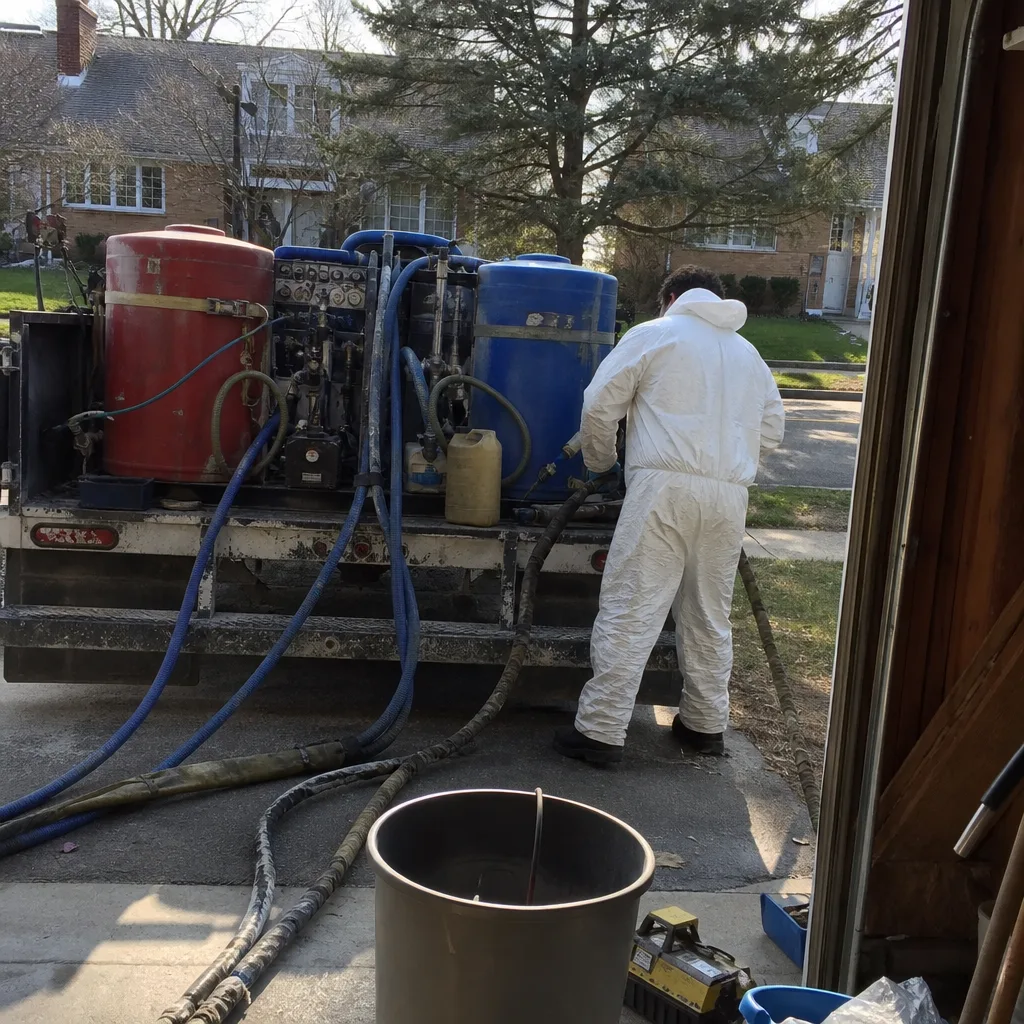
The right insulation for a Miami Beach crawl space depends on what’s above it. If historic district walls above are uninsulated concrete block, a thin layer of closed-cell spray foam at the rim joist stops the worst thermal bridging without trapping moisture behind interior plaster. If the subfloor is wood over a sealed crawl, we may recommend a different approach entirely. We’ll tell you what we found, not what we felt about it, and the blower-door reading or moisture reading will back up the recommendation.
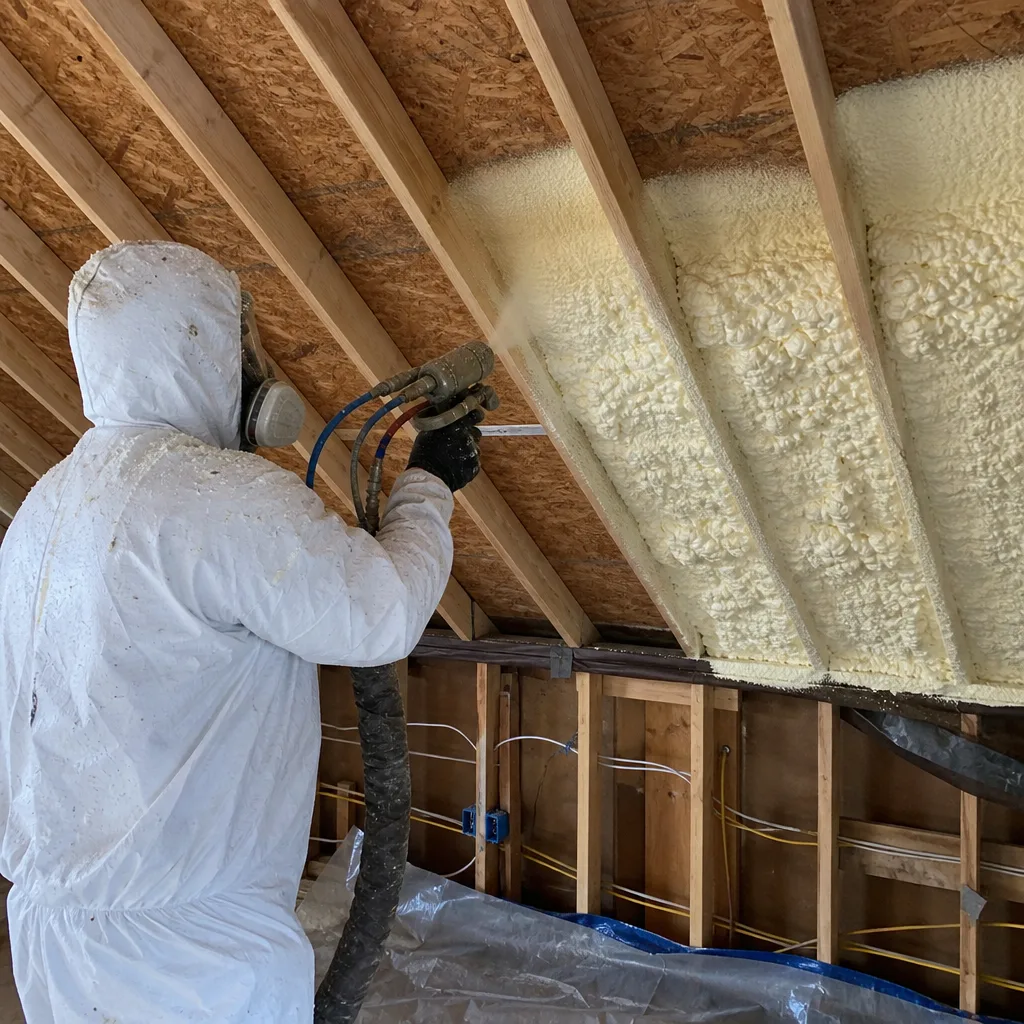
Crawl Space Moisture Control
Moisture is the enemy in Miami Beach crawl spaces, full stop. We use hygrometers to measure relative humidity before and after sealing, and we document those numbers. On a job in the Flamingo Park neighborhood, our crew encapsulated a 1962 hollow-tile duplex on Meridian Avenue after moisture readings spiked above 80% RH and salt air had corroded the old fiberglass batts. Three weeks after sealing the ground with a 20-mil reinforced vapor barrier and taping all pier penetrations, follow-up readings held at 52% RH with no visible condensation on the ductwork. That’s the number that matters.
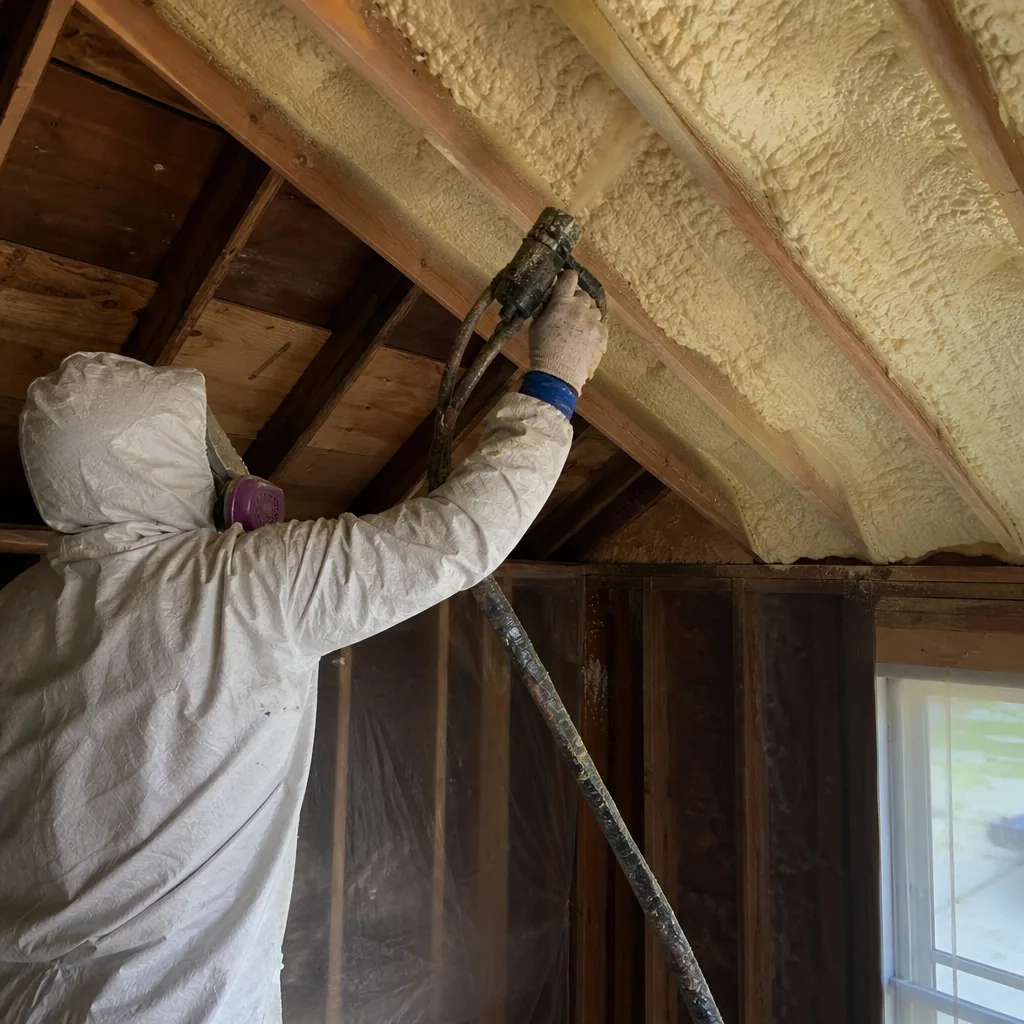
What happens when you call
- 1
A real person answersNo phone trees - you reach a local pro.
- 2
You get an upfront price rangeHonest numbers before anyone is dispatched.
- 3
A background-checked tech heads outLicensed & insured, dispatched right away.
- 4
You approve before work beginsNothing starts until you say go.
Trusted Brands We Service in Miami Beach
We stock and install materials from Owens Corning, Johns Manville, and Knauf, all with Miami-Dade NOA documentation where Florida code requires it. We are not locked to any single manufacturer, so if your building’s structural engineer or Historic District consultant has specified a particular system, we can source it and install it to that written spec. Parts for Miami Beach jobs are staged at our South Florida dispatch office, which means faster turnaround when a low-clearance alley-load building in South Beach needs a same-week fix.
Common Crawl Space Encapsulation & Vapor Barrier Problems We See in Miami Beach Homes
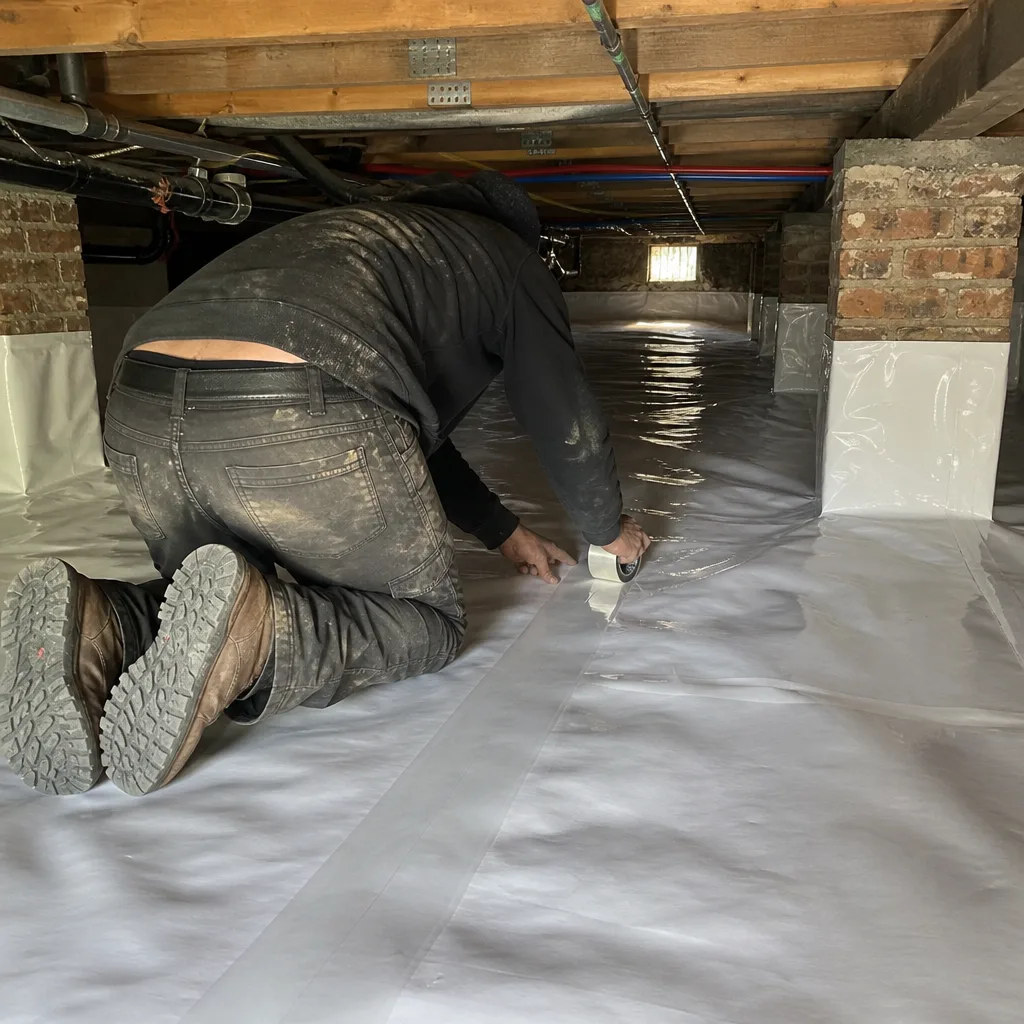
- Interior vapor retarders installed by out-of-state crews. In cold climates, you put the vapor barrier on the warm side of the wall. In Miami Beach, that logic is backwards. A vapor retarder installed inside a raised-floor cavity traps the inward moisture drive from Climate Zone 1A, condenses on the back of drywall, and feeds mold inside Art Deco walls within months.
- Salt-air corrosion of tapes and seams. Unsealed crawl access doors and louvered vents in alley-load buildings along the island admit ocean air that carries salt. Standard seam tapes oxidize and fail within a single season, and fiberglass batts sag into damp, useless masses. We use salt-resistant tapes and mechanically fastened barrier edges for this reason.
- Treating raised historic foundations like vented northern crawls. There is no vented attic under a 1920s South Beach building with parapet walls. The under-floor cavity is a dead-air trap. Leave it vented and the subfloor sits at dew point under 140°F roof heat, causing sweating pipes and buckling hardwood above.
- Ignoring Miami-Dade NOA requirements. Many insulation and barrier products that are code-compliant elsewhere in Florida have not been tested for Miami-Dade’s high-velocity hurricane zone. Installing them in Miami Beach can fail inspection and void warranties. We check the NOA listing before the material goes on the truck.
Pricing for Crawl Space Encapsulation & Vapor Barrier in Miami Beach, FL
Here are working ranges for Miami Beach homes, based on jobs we have actually scoped and sealed on the island.
- Crawl space vapor barrier (basic, 20-mil reinforced): $2,800-$4,600 for a typical raised duplex or single-family floor area.
- Full crawl space encapsulation (barrier, rim joist sealing, vent closure): $6,500-$11,500 depending on access clearance, square footage, and condition of existing framing.
- Crawl space moisture control with dehumidifier: $1,900-$3,400 added to the encapsulation scope.
- Crawl space cleanout (debris removal, old batt removal, sanitation): $800-$1,600, higher if the access is under a low-clearance alley-load door.
Miami Beach access conditions affect every one of these numbers. A 1920s South Beach building with a 24-inch crawl entry and no rear alley access takes longer and costs more than a 1960s mid-island duplex with a full walk-under foundation. We give you a written price before any work starts, always. No verbal estimates, no change orders after the fact. Call (218) 261-7714 and we’ll walk the space with you and put the number on paper.
We Also Serve Cities Near Miami Beach
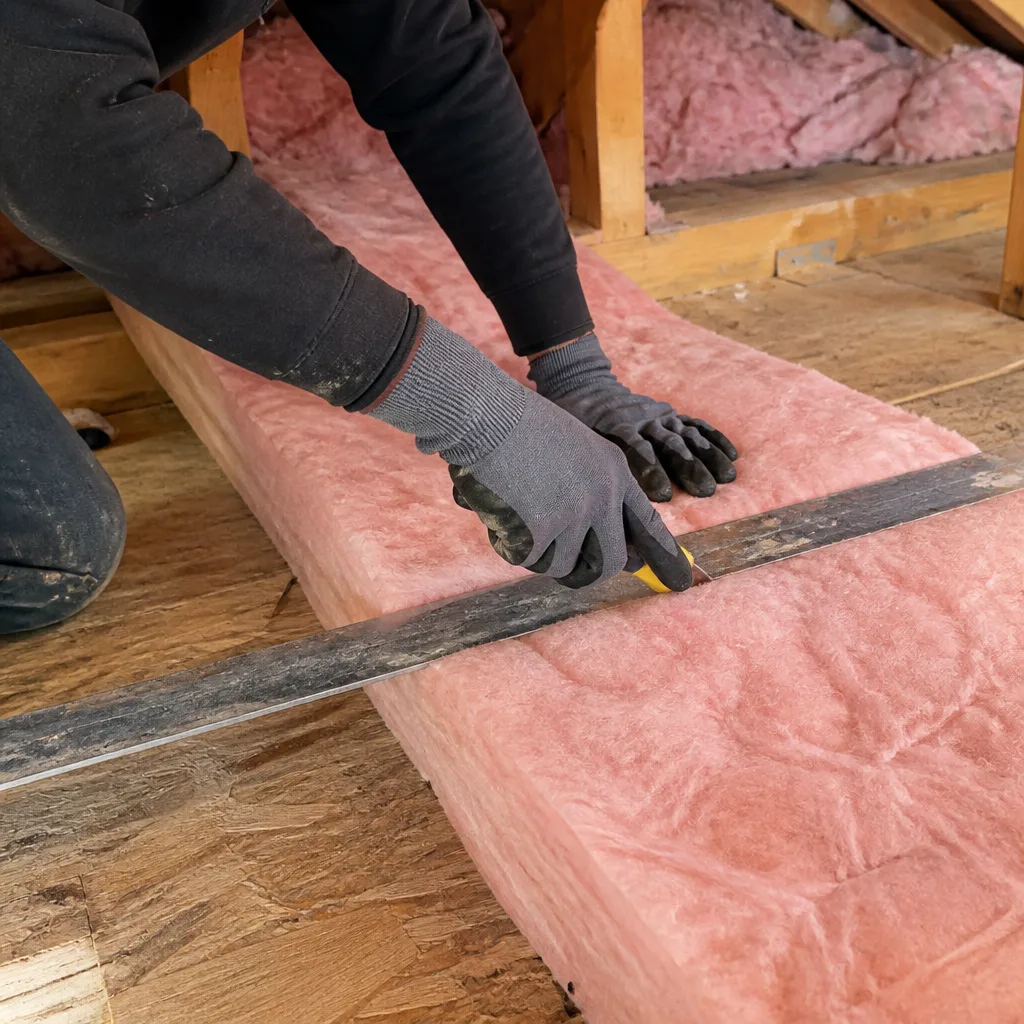
Our crews run encapsulation and vapor barrier jobs throughout Miami Beach and the surrounding area, including Miami, Hialeah, Miami Gardens, and Hollywood. If you’re just over the Julia Tuttle Causeway or north of the 79th Street corridor, we can usually schedule within the same week.
Serving Miami Beach, FL - Our Local Coverage Area
We’re based in the Miami Beach area and know this community well. Use the map below to see our service coverage - if you’re nearby, we can almost certainly help.
FAQs - Crawl Space Encapsulation & Vapor Barrier in Miami Beach
Yes, raised foundations in Miami Beach need encapsulation more urgently than most cold-climate crawls because the moisture is driven inward year-round, not seasonally. Climate Zone 1A’s vapor drive pushes humidity up through the soil and into the under-floor cavity every single day, and the result is a subfloor at dew point, sweating pipes, and mold behind interior insulation retrofits. Encapsulation is not a northern upgrade here; it is the baseline for keeping the floor assembly functional. Call (218) 261-7714 for a written price on your specific raised foundation.
You cannot legally use just any vapor barrier product in Miami Beach. Miami-Dade County’s post-Hurricane Andrew building code requires that all insulation and barrier products carry a Miami-Dade Notice of Acceptance (NOA). Many products that are perfectly code-compliant in other parts of Florida have never been tested for Miami-Dade’s high-velocity hurricane zone, and installing them can fail inspection and void the manufacturer’s warranty. We check the NOA listing before materials go on the truck.
Salt air accelerates the failure of standard tapes, fasteners, and fiberglass insulation. We see seam tapes oxidize and peel within a single season on ocean-facing buildings, and unsealed access doors admit salt-laden air that corrodes metal framing and turns batt insulation into a damp, sagging mass. That’s why we use salt-resistant tapes, mechanically fastened barrier edges, and closed-cell foam systems rated for Miami Beach’s corrosive environment. Under The Haven Standard, you get a written scope before we start and a photo record when we leave, so you can see exactly which fasteners and tapes went where.
They treat the space like a vented northern crawl and leave the louvered vents or access doors open, assuming airflow will dry things out. In Miami Beach, that airflow is saturated salt-air, and the crawl space becomes a passive humidifier for the entire building. The correct approach is to seal the cavity, mechanically dry it, and verify moisture levels with a hygrometer before and after. Wes Okafor has seen too many Miami Beach homes where a contractor “encapsulated” the floor but left the vents open, and the homeowner paid twice for the same rot.
Yes, in most cases the musty smell in a South Beach ground-floor unit comes from the under-floor cavity, not the walls. Sealing the crawl space with a reinforced vapor barrier, closing vents, and stabilizing the moisture level below 55% RH often eliminates the odor source without any work on the historic wall surfaces above. The Miami Beach Historic Preservation Board restricts exterior alterations, but the crawl space is an interior building system and typically accessible without historic review. Call (218) 261-7714 and we’ll scope it with you.
Written by Wes Okafor, Owner at Topside Attic Insulation, serving Miami Beach under The Haven Standard since 2016.