
Reflectix Insulation in Chicago, IL | Topside Attic Insulation
Reflectix insulation service in Chicago typically runs between $1,800 and $6,500 depending on whether we’re handling a bungalow knee wall, an attic radiant barrier, or a full dense-pack retrofit, and most jobs finish in one to two days. We’re Topside Attic Insulation, our Reflectix services cover every Chicago neighborhood from Portage Park to Hyde Park. What makes our Reflectix work different here is simple: we air seal before any reflective insulation goes in, because in Chicago’s masonry housing stock, a foil barrier over an unsealed cavity does almost nothing. Call (218) 261-7714 and you’ll get a written price before any work starts.
Why Chicago Residents Choose Us for Reflectix Service
Wes Okafor, our owner and lead building envelope technician, grew up about six blocks from the Portage Park field house and spent over twenty years doing insulation work in Chicago before narrowing his focus to the building envelope. That matters when you’re dealing with Reflectix in Naperville or Chicago, because the product behaves differently in a 1925 brick bungalow than it does in a 2005 frame house in the suburbs. We know the failure patterns, we know which Reflectix lines hold up in Chicago’s climate, and we know when to tell you a different material will serve you better.
Our service vans carry genuine Reflectix Double Reflective Insulation, R-21 Attic Unfaced, and foil tape, plus equivalent-quality radiant barriers with matching emissivity ratings. We’re not a manufacturer-authorized dealer, and we won’t pretend to be. What we offer is field experience with these exact products inside Chicago’s legacy housing stock, plus the documentation to prove the work performed: before-and-after blower-door numbers, installed R-values by zone, and a photo log of every air-sealing location. Since 2016, we’ve sealed and insulated over 9,000 homes under The Haven Standard, which means a written scope, a written warranty, and a written price before anyone lifts a tool.
Common Reflectix Insulation Problems We Solve in Chicago
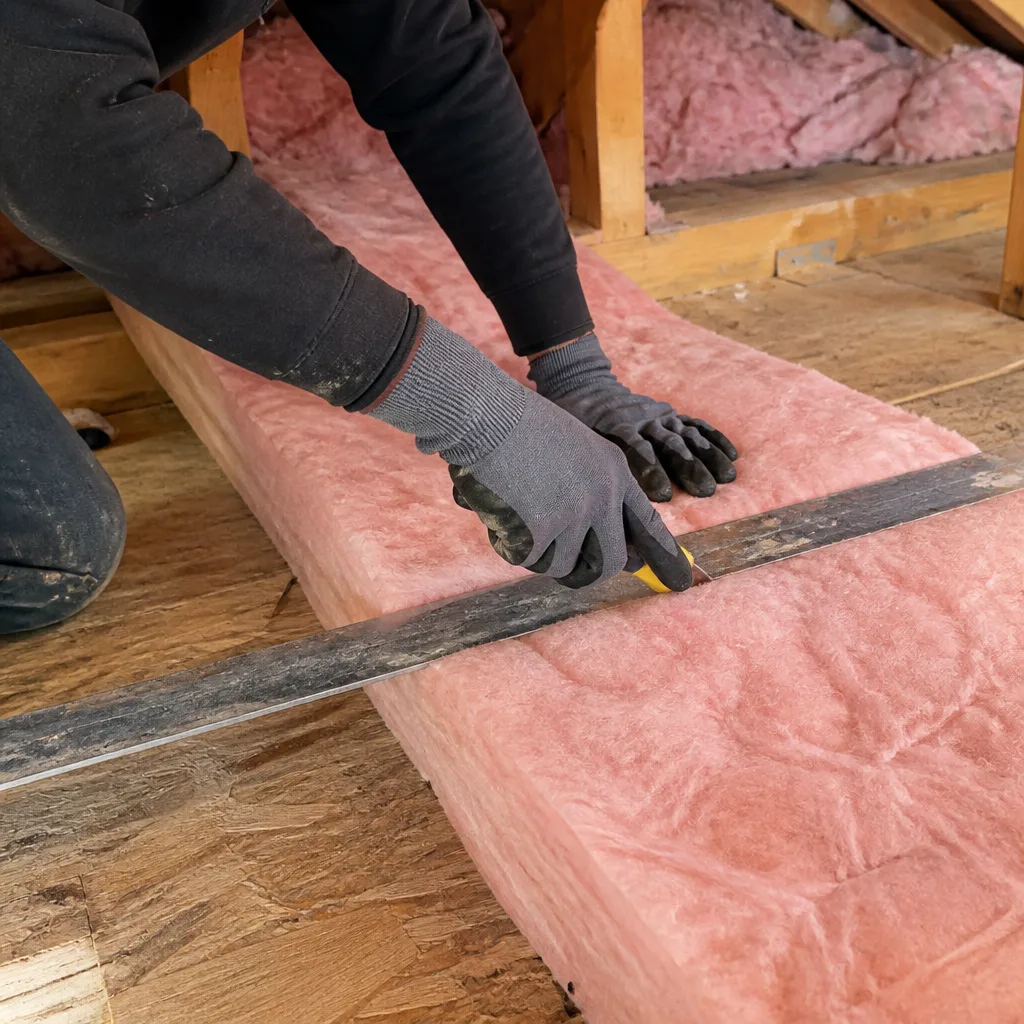
These are the conditions we see repeatedly when we open up walls and attics across Chicago. Each one connects a Reflectix-specific failure to the way this city’s homes are built and heated.
- Dust-contaminated foil on attic floors. Chicago bungalows built between 1910 and 1940 carry decades of plaster dust and loose-fill settling in the attic. When Reflectix sits on an attic floor, that dust settles on the reflective surface and cuts the emissivity benefit by over 40% within a few years. We see this constantly in Archer Heights and Bridgeport. The fix is usually removal and replacement, because reflective performance cannot be restored once the foil surface is compromised.
- Condensation on foil without an air gap. In the half-story knee walls and cathedral ceilings common to Chicago bungalows, Reflectix stapled directly to studs acts as a conductor, not a radiant barrier. During polar vortex cold snaps, warm indoor air hits that cold foil face and condenses. Near the lake in Rogers Park and Hyde Park, lake-effect humidity makes this worse. We install Reflectix with a 1-inch air gap on the warm side, and we never skip it.
- Untaped seams leaking warm air into cold masonry. Chicago’s brick two-flats and three-flats have solid masonry walls and zero cavity insulation. When Reflectix seams aren’t taped with foil tape, warm moist indoor air migrates through those gaps and reaches the cold brick behind the foil. During sub-zero weeks, frost accumulates inside the wall cavity. Homeowners notice plaster damage months later. We tape every seam and staple line, and we document it in the photo log.
- Reflectix used alone where air sealing was the real need. Contractors sometimes install Reflectix in Chicago brick two-flats to meet code without sealing rim joists and top plates first. The reflective insulation does nothing to stop the convective air leaks that dominate heat loss in masonry buildings. Our rule is always the same: seal the holes first, then add the R-value. The blower-door numbers will tell you whether it worked.
- Compressed or torn foil-facing from bad installs. We find Reflectix that was stretched, stapled too aggressively, or compressed under other insulation. Once the foil surface is wrinkled or torn, the radiant barrier value drops sharply. In Chicago’s heating-dominant climate, that’s wasted material and wasted money. We recommend replacement over repair when we see this, because the performance loss cannot be reversed.
Reflectix Service in Chicago: What Local Conditions Mean for Your Equipment
Chicago has roughly 80,000 Chicago Bungalows, the 1.5-story brick homes built from about 1910 to 1940 across the northwest and southwest sides. That housing type barely exists at this scale in Milwaukee, Indianapolis, or any neighboring market. What it means for Reflectix owners is specific: the half-story knee wall and cathedral ceiling create a discontinuous thermal boundary that standard attic insulation approaches don’t address. We regularly work in Portage Park and Archer Heights where the knee wall is either bare or stuffed with collapsed fiberglass from the 1970s, and the attic kneespace behind it is open to outside air. That single defect can account for 30 to 40 percent of the home’s entire heating load, which is why Attic Insulation - Chicago specialists know Reflectix alone won’t fix it. Pairing Reflectix R-21 with dense-pack cellulose in those knee-wall stud cavities handles both the radiant loss and the convective loss together. That combination is the real Chicago specialty, and it’s why we run a blower-door test before any material goes in.
One more thing worth naming directly: we’re an independent contractor, not a Reflectix authorized dealer. If a manufacturer’s warranty is your primary concern, that’s a conversation to have with Reflectix directly. If you want someone who has watched Reflectix perform, fail, and get reinstalled correctly across hundreds of Chicago houses, we’re the ones to call.
Reflectix Models & Products We Service in Chicago
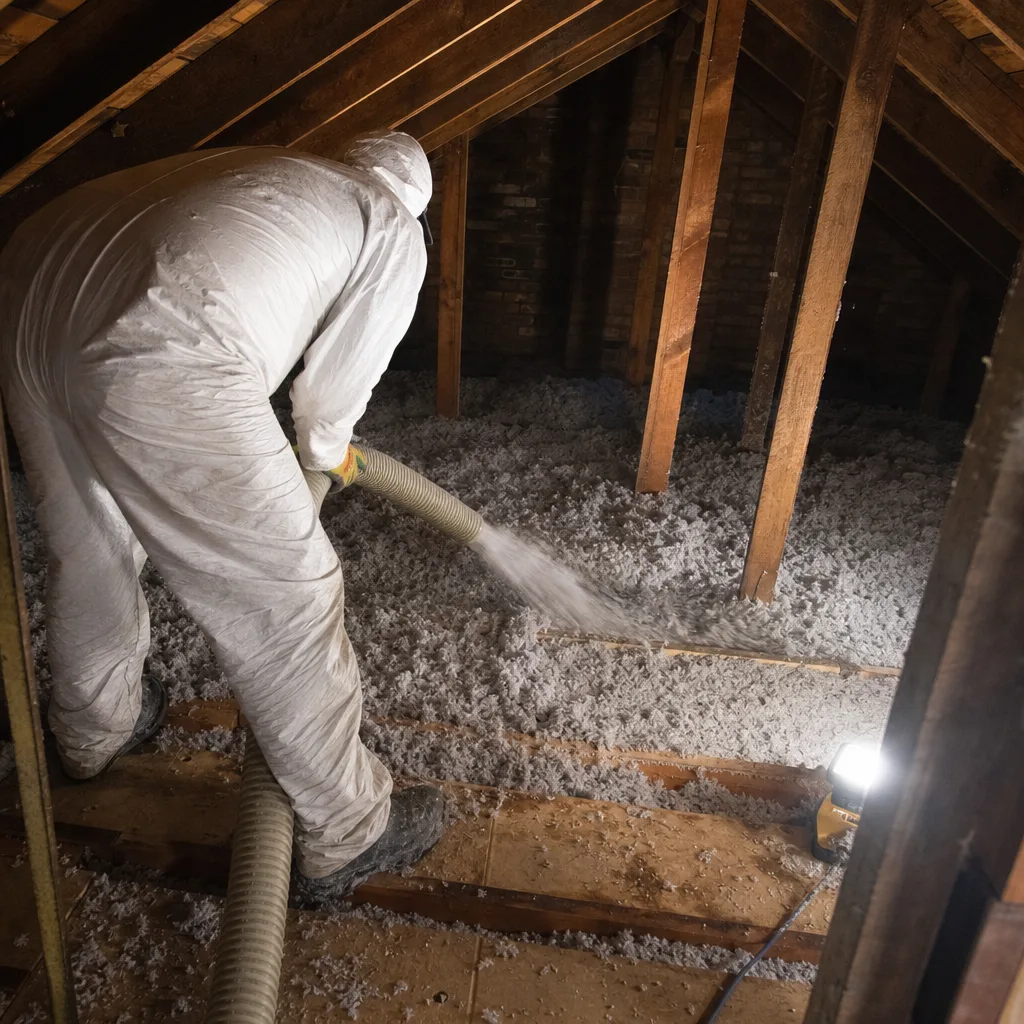
We work with the full Reflectix residential product line, including Double Reflective Insulation (ST16025), R-21 Attic Unfaced Reflective Insulation, Radiant Barrier (RB48125), and Foil Tape (FT210). On most Chicago jobs we use the R-21 attic unfaced for knee-wall and cathedral-ceiling applications, and the double reflective for rim-joist and duct applications. We stock genuine Reflectix products and equivalent-quality foil-faced barriers with matching emissivity ratings. We never use cheap imitation foil that tears during installation. For fast Chicago turnaround, our vans carry the common widths and tapes, so a same-week install doesn’t get delayed waiting on material.
Reflectix Service Pricing in Chicago
| Service | Typical Chicago Price Range |
|---|---|
| Knee wall insulation with Reflectix R-21 + dense-pack cellulose (bungalow half-story) | $2,200 - $4,800 |
| Attic radiant barrier installation (Reflectix RB48125) | $1,800 - $3,900 |
| Rim joist sealing + Reflectix Double Reflective | $1,200 - $2,600 |
| Full bungalow knee wall + cathedral ceiling retrofit | $3,500 - $6,500 |
What drives the cost in Chicago is access, masonry condition, and how much air sealing is needed before the Reflectix goes in. A third-floor knee wall in a Bridgeport bungalow with a tight attic hatch runs differently than a walk-up attic in a Rogers Park two-flat. Every estimate includes the written scope, the written warranty, and the blower-door reading before and after. Call (218) 261-7714 for a free estimate with a written price. We don’t start work without one.
Serving Chicago, IL - Our Local Coverage Area
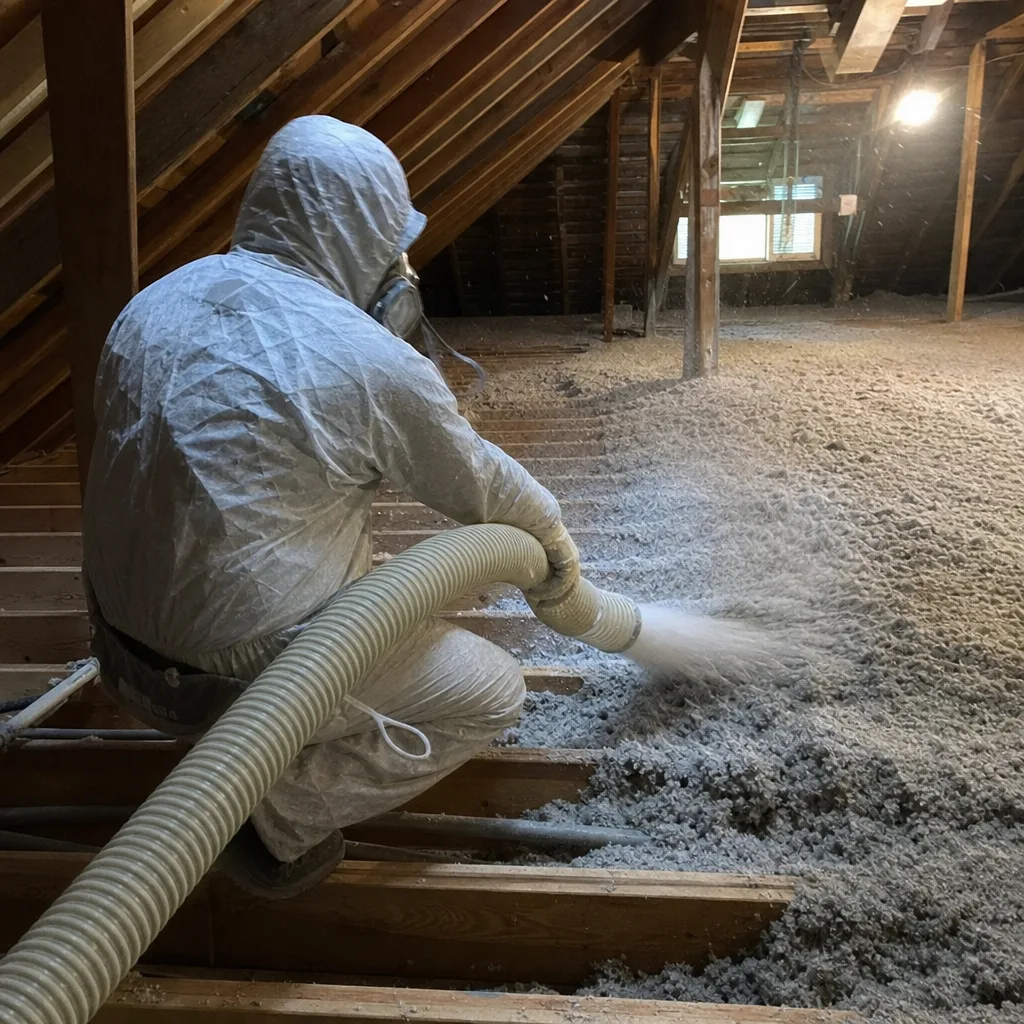
We’re based in the Chicago area and know this community well. Use the map below to see our service coverage - if you’re nearby, we can almost certainly help.
FAQs - Reflectix Insulation in Chicago
Chicago bungalows concentrate heat loss in the half-story knee wall, and Reflectix fails there most often because it’s installed without an air gap. Stapled flat against the studs, the foil conducts heat rather than reflecting it, and condensation forms during cold snaps. In bungalows across Portage Park and Archer Heights, we also find the kneespace behind the knee wall open to outside air, which means warm indoor air is leaking out before the foil ever gets a chance to do its job. The fix is an air gap on the warm side plus air sealing behind the cavity. Call (218) 261-7714 if your upstairs runs cold all winter.
No. Reflectix alone won’t meet the thermal needs of a masonry-walled Chicago two-flat, and it does nothing to stop the convective air leaks through rim joists and top plates that dominate heat loss in these buildings. Code compliance in Chicago requires a proper thermal barrier beyond a single foil layer. We use Reflectix as a component in a system, often alongside Crawl Space Encapsulation & Vapor Barrier in Chicago techniques, paired with dense-pack cellulose or spray foam, never as the sole insulation.
Lake-effect humidity raises the dew point inside wall and ceiling cavities near the lakefront, which means condensation forms on the foil face more readily during polar vortex cold snaps. In Rogers Park and Hyde Park, where winter winds off Lake Michigan are persistent, we see more frost accumulation behind improperly installed Reflectix than in inland neighborhoods. The installation standard for lakefront homes is stricter: fully taped seams, a consistent air gap, and sealed top plates before any foil goes in.
Generally not. Reflectix laid on an attic floor loses its reflective performance as plaster dust and loose-fill settle onto the foil surface, and in Chicago’s pre-1940 housing stock there’s no shortage of that dust. For bungalow attic floors we recommend loose-fill cellulose or fiberglass at R-49 to R-60, which handles Chicago’s heating-degree-day load far better than a foil layer. Reflectix earns its place on knee walls, cathedral ceilings, and rim joists, not flat attic floors. Call (218) 261-7714 and we’ll tell you honestly what you need.
The Reflectix R-21 attic unfaced product works in cathedral ceilings when it’s installed with a 1-inch air gap on the warm side, seams taped with foil tape, and the ceiling cavity air sealed at the top plates before the foil goes in. Without that air gap, the foil conducts heat and condensation forms during sub-zero weeks, eventually damaging plaster. We run a blower-door test before and after installation and give you the printed report, so you can see the air change per hour at 50 pascals drop in real numbers.
Service Areas Near Chicago
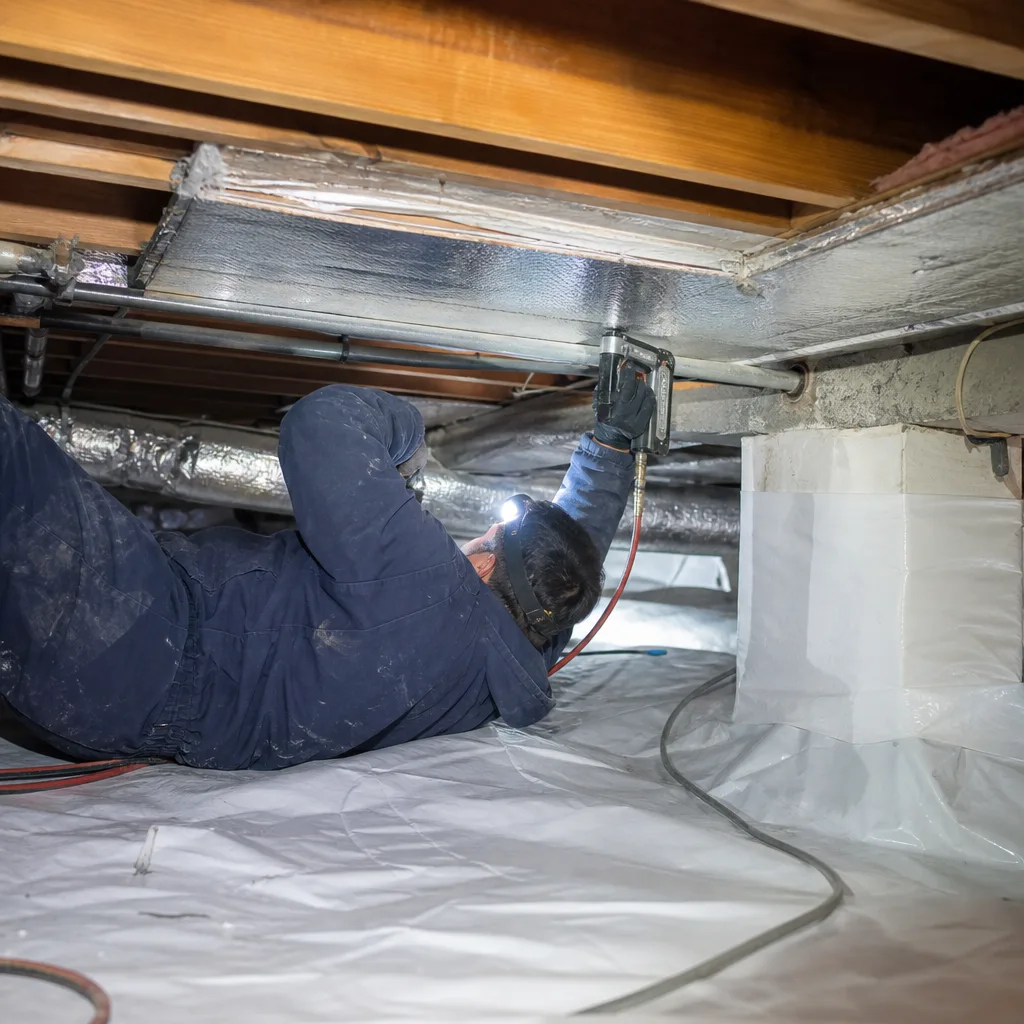
Topside Attic Insulation serves the full Chicago service area, including Portage Park, Archer Heights, Bridgeport, Rogers Park, Hyde Park, and the surrounding suburbs. If you have property in Texas as well, we recommend Reflectix service in Houston or Reflectix service in Dallas for that work. For anything within Chicagoland, our trucks are already on the road.
Book Your Reflectix Service in Chicago Today
Call (218) 261-7714 and a live person answers, 24/7. We’ll schedule a free estimate, run the blower-door test, and hand you a written price before any work begins. Most Reflectix jobs in Chicago are completed in one to two days, and same-week scheduling is usually available. Seal the holes first. Then add the R-value. The numbers will tell you whether it worked.
Written by Wes Okafor, Owner & Lead Building Envelope Technician at Topside Attic Insulation, serving Chicago since 2016.