
Owens Corning Attic Cleaning & Rodent Proofing in Chicago: What to Know First
We provide independent Owens Corning attic cleaning and rodent proofing in Chicago, and most jobs are completed in one to two days depending on attic size and the extent of rodent damage. Attic cleanout and sanitizing on a typical Chicago bungalow or two-flat runs between $1,200 and $3,800, with full rodent exclusion adding $800 to $2,500 depending on how many entry points need sealing. This page is for homeowners in Chicago who already have Owens Corning insulation, suspect rodent activity, and want the work documented before and after.
We’re an independent Owens Corning service provider, not an authorized dealer or installer. That matters because we’re not obligated to defend the product. We’ll tell you straight whether your Owens Corning insulation can be saved or needs removal. Call (218) 261-7714 for a written price before any work starts.
How Owens Corning Products Fail - and How We Fix Them
Owens Corning makes solid insulation products. But in Chicago attics, rodents don’t discriminate by brand. Here’s what we find on Owens Corning jobs and how we handle each one.
- Pink Fiberglas batts chewed into nesting material. R-30 and R-38 Owens Corning Pink Fiberglas batts are soft enough for rats and squirrels to shred into bedding. We find entire bays hollowed out while the top layer looks untouched. Our fix: full removal of contaminated batts, HEPA vacuuming of the attic floor, then re-insulation with fresh material once the exclusion work is done.
- ProPink blown-in insulation compacted by rodent traffic. Owens Corning ProPink loosefill loses R-value when rodents tunnel through it, compressing the material into dense mats. Compressed blown-in fiberglass doesn’t hold its rated R-value. We remove the compacted zones, sanitize the area, and blow in new material to the correct depth for the attic’s R-value target.
- AtticCat system insulation hiding moisture damage. The Owens Corning AtticCat blown-in system is common in Chicago homes built after 2005. Rodents nest under the loosefill, and their urine soaks into the material. By the time a homeowner notices the smell, the affected zone is usually larger than expected. We locate the full extent of the contamination before quoting removal.
- Vapor barrier and facing chewed through. Kraft-faced Owens Corning batts get their facing shredded by rodents, which compromises the moisture control the facing provides. We remove the damaged facing zones, check the drywall below for moisture, and replace with unfaced insulation plus a separate vapor barrier where code requires it in Chicago.
- Rodent entry points around roof penetrations and top plates. This is the failure mode Owens Corning’s own site won’t tell you about: the insulation is rarely the problem. The problem is the gap around the plumbing vent, the open chase, the unsealed top plate. Chicago squirrels and roof rats get in through holes the size of a quarter. We find these penetrations during our air-sealing pass, seal them with metal mesh and foam, and then address the insulation.
Our Owens Corning Attic Cleaning & Rodent Proofing Process
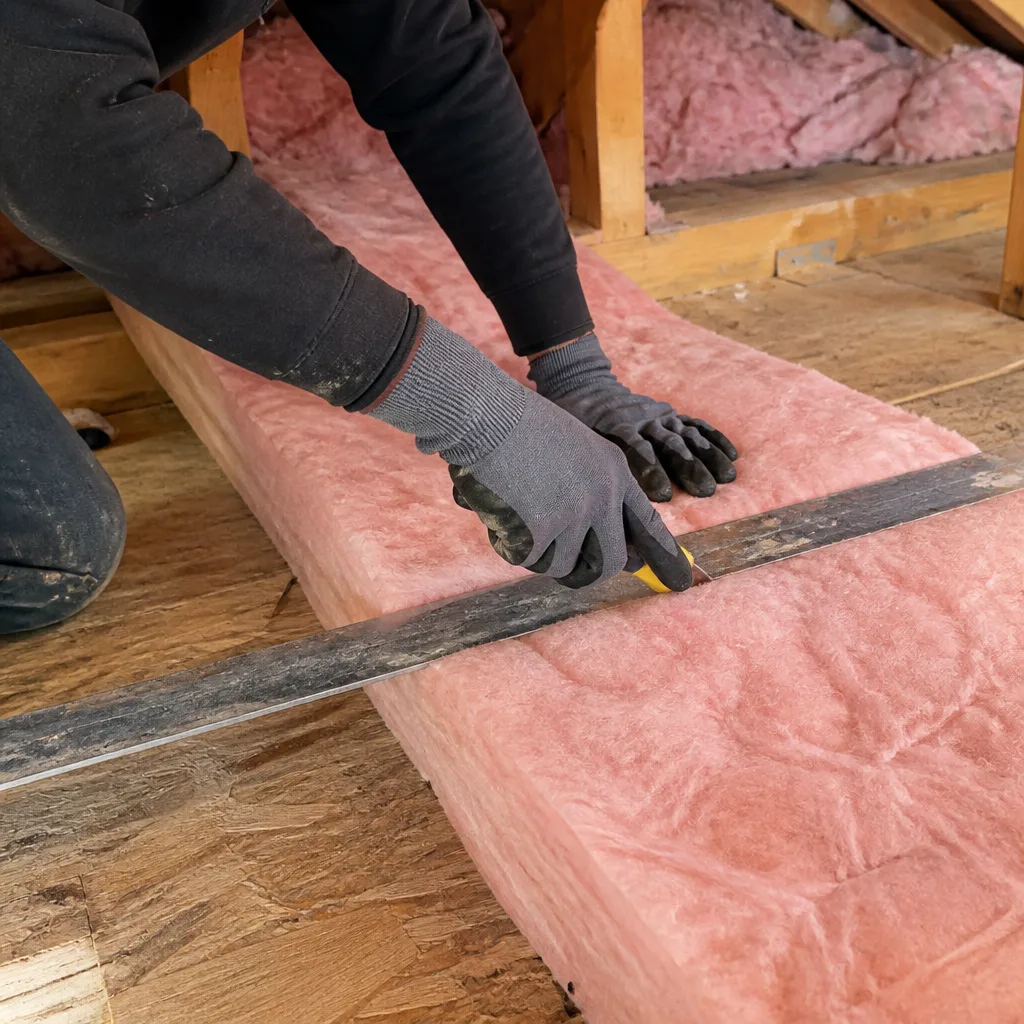
Every Owens Corning attic job follows the same sequence, and you get a written record at the end.
- 1
Inspection and blower-door test. We run a blower-door test, a calibrated pressure diagnostic that measures how many cubic feet of outside air leak into the house per minute. On homes with rodent problems, the reading often shows significant leakage around the same penetrations rodents use to enter.
- 2
Written scope and price. Before any work starts, you receive a flat price, written scope, and written warranty. No work begins without it. That’s Haven Standard Clause 1.
- 3
Contaminated material removal. We remove insulation that’s been chewed, compacted, or soaked with rodent urine. We HEPA-vacuum the attic floor and all horizontal surfaces.
- 4
Air sealing and rodent exclusion. We seal top plates, can lights, plumbing vents, and any penetration rodents have used. Metal mesh backs every foam seal to prevent re-entry. This step comes before any new insulation goes in.
- 5
Sanitizing and decontamination treatment. We apply an antimicrobial treatment to affected areas and remove remaining odor sources.
- 6
Re-insulation and final documentation. If insulation was removed, we blow in new material to the specified R-value. You receive a printed report with the pre- and post-installation ACH50 readings, installed R-values by zone, and a photo log of all air-sealing and exclusion locations.
What Owens Corning Attic Cleaning & Rodent Proofing Costs in Chicago
| Service | Typical Chicago Range |
|---|---|
| Attic inspection and blower-door test | $150-$350 (credited toward work if hired) |
| Contaminated Owens Corning insulation removal | $900-$2,800 |
| Attic sanitizing and decontamination | $400-$1,200 |
| Rodent exclusion and air sealing | $800-$2,500 |
| Re-insulation with blown-in fiberglass or cellulose | $1,500-$4,500 |
What moves the price: attic square footage, insulation type (batts vs. blown-in), how many entry points need sealing, and whether the attic is a walk-up or accessed through a hatch. Homes in dense Chicago neighborhoods where attics are shared between units often have more penetrations to address. Estimates are free and always in writing.
Why Chicago Homeowners Call Topside Attic Insulation for Owens Corning Work
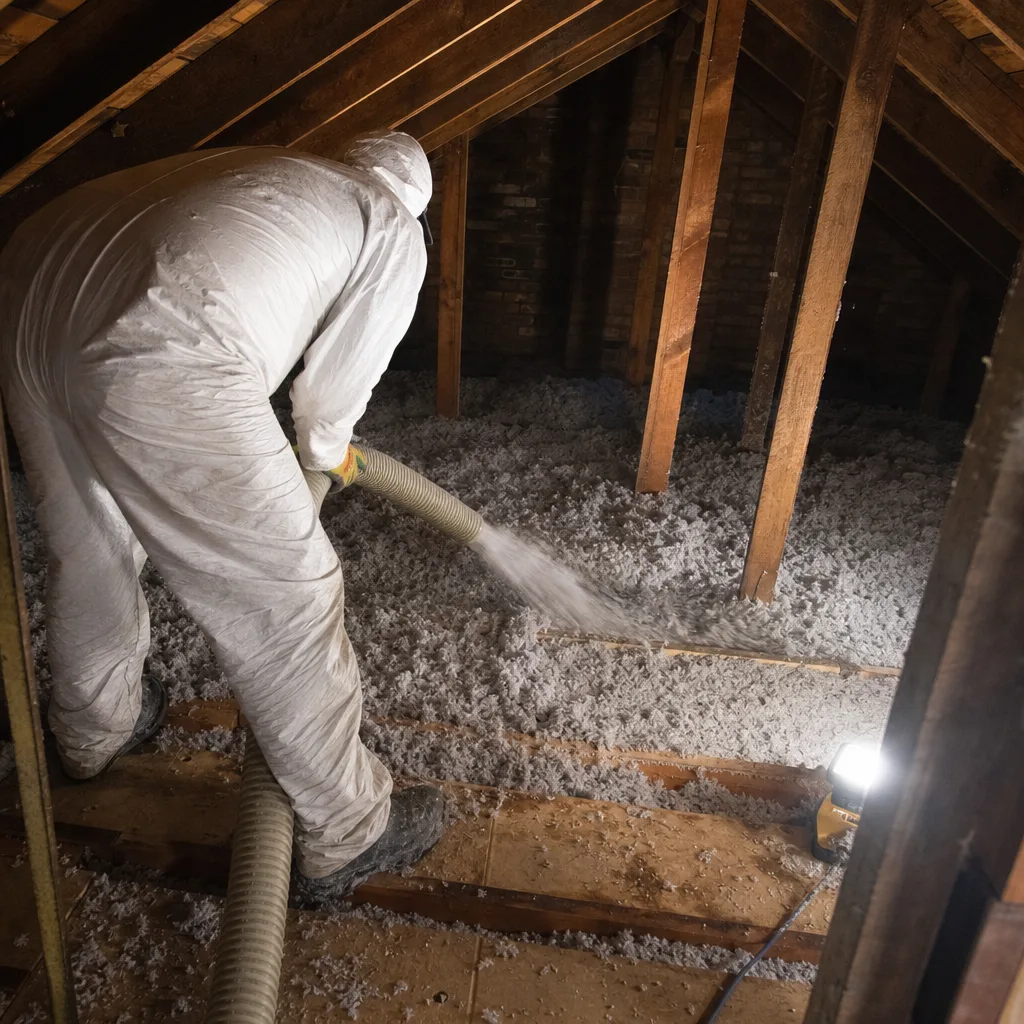
We’ve sealed and insulated more than 9,000 homes since 2016, and every one received a written price before work started and a documented record when the crew left. Our technicians are trained on Owens Corning, Johns Manville, Knauf, Rockwool, CertainTeed, Icynene, Demilec, GreenFiber, and Reflectix, so we’ll recommend what actually fits your attic, not what we have left on the truck. The 365-Day Done Right Promise applies to all completed work, which means if it’s not done right, we make it right. And a live person answers calls 24/7, because rodents don’t keep business hours and neither should the company you call about them.
FAQs
Rodent damage is not covered under Owens Corning’s standard insulation warranty, which covers manufacturing defects, not pest infiltration or consequential damage. Our removal and replacement work won’t affect any remaining manufacturer coverage. Call (218) 261-7714 and we’ll walk you through what’s covered and what isn’t.
If the insulation is dry, uncompressed, and hasn’t been used as nesting material, cleaning can work. But insulation that’s been compacted by rodent traffic or soaked with urine has lost its R-value and cannot be restored. We’ll show you photos of what we find so you can see the condition yourself before deciding.
For active rodent problems in Chicago, we typically schedule within 3 to 5 days. Emergency exclusion work for active entry points can often be done faster. Call (218) 261-7714 and we’ll give you a straight answer.
Usually yes, if the insulation is still in good condition. The exception is when contamination is widespread, in which case removal and re-insulation is often cheaper than piecemeal cleaning because it eliminates repeat trips and lets us air-seal the entire attic floor at once. We’ll quote both options in writing if the condition calls for it.
Yes. We remove and replace AtticCat blown-in fiberglass regularly, including on newer Chicago construction. The removal process is the same, but we pay extra attention to the soffit baffles and attic ventilation when we re-insulate, because those systems rely on proper airflow to perform.
Written by Wes Okafor, Owner & Lead Building Envelope Technician, Topside Attic Insulation, serving Chicago and nearby areas.