
CertainTeed Attic Air Sealing: The Chicago Owner’s Guide
Air sealing a Chicago attic that’s already insulated with CertainTeed product typically runs $1,200 to $2,800 installed, depending on attic size and how many penetrations need work. We carry sealing materials compatible with every CertainTeed batt, blown-in, and spray foam line we’ve encountered since 2016, and most jobs finish in a single day. The call usually starts the same way: someone in a 2018 gut-rehab in Logan Square noticed the second floor runs eight degrees warmer than the first floor all July, and the blower-door reading shows why.
Here’s the thing about air sealing specific to CertainTeed homes: the insulation itself is rarely the failure point. CertainTeed fiberglass and cellulose hold their R-value when installed correctly. What fails is the air pathway around it, the unsealed top plates, the can lights, the plumbing chases that let conditioned air pour into the attic and pull 140-degree summer air down through the walls. We seal those pathways before touching insulation, every time.
Which CertainTeed Models This Applies To
Our air sealing work applies across the CertainTeed catalog: InsulSafe SP blown fiberglass, TrueComfort batt, Optimal Blown-In fiberglass, and DryRight or MemBrain when moisture control is in play. The sealing method doesn’t change based on which CertainTeed product is in your attic floor; what changes is how we work around it. InsulSafe SP settles differently than TrueComfort, so we map joist bays from the attic hatch before we start and mark every penetration we find, then seal, then re-cover the bays to the same depth plus correction for any settling we found.
One compatibility gotcha we see in Chicago: homes with CertainTeed InsulSafe SP installed before 2018 often got blow-in over an unsealed floor, because the installing contractor skipped air sealing entirely. The fix isn’t to remove the insulation; it’s to rake back each bay, seal the penetrations from the attic side, and re-blow to spec. We do this routinely in bungalows from Jefferson Park down to Beverly. When you’re identifying what you have, check the attic hatch for a CertainTeed certification card or R-value stamp; if that’s gone, measure the settled depth with a yardstick and we’ll confirm the product from a sample during the estimate.
On the OEM-vs-aftermarket question: CertainTeed doesn’t manufacture separate air sealing kits, so attic air sealing isn’t about matching a branded part. What matters is the sealing material chemistry. We stock one-component acoustical caulk for top plates, high-temperature-rated can light covers for recessed fixtures, and two-part spray foam for plumbing and electrical chases. For CertainTeed attics specifically, we avoid foam-in-place kits around bath fan housings because the expansion can distort the housing; we use a flexible collar instead. That’s the kind of thing the blower-door reading shows at the end.
Signs Your CertainTeed Attic Air Sealing Is Failing
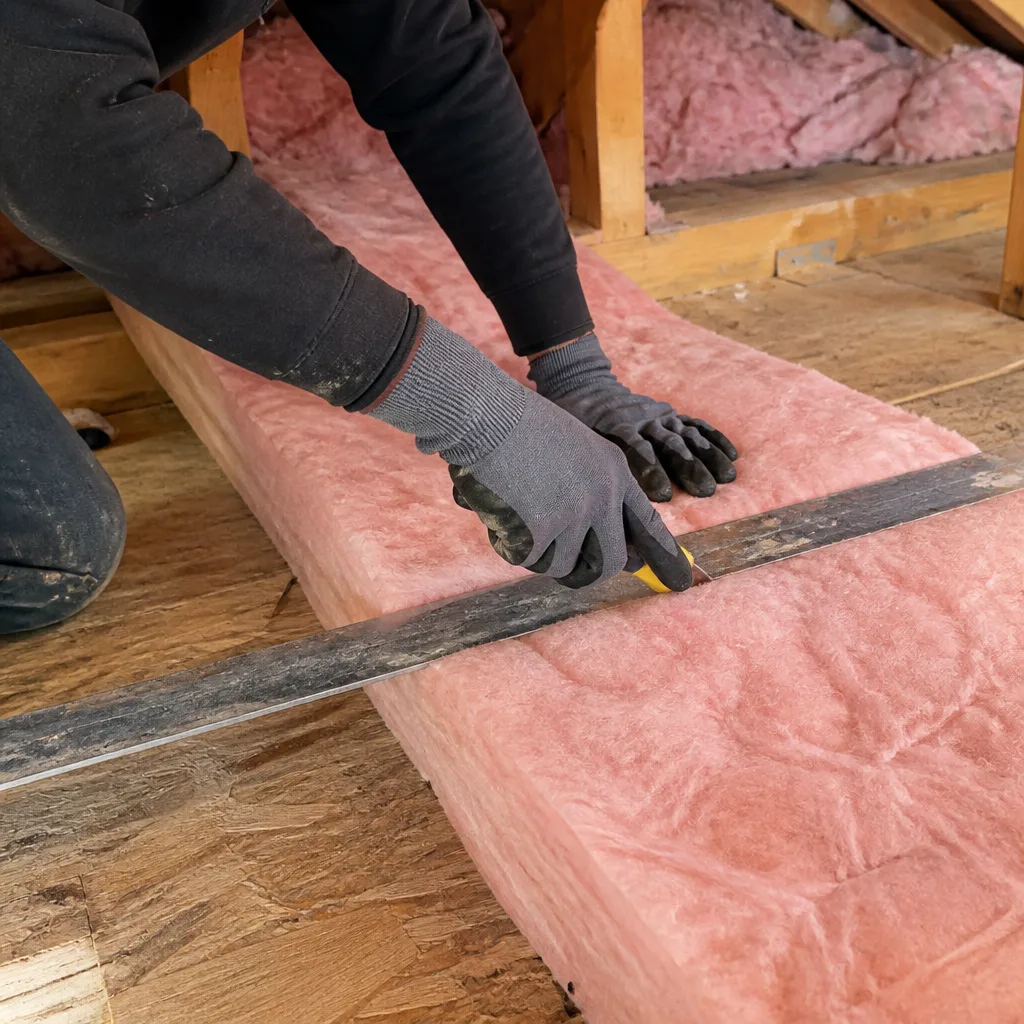
- Second floor won’t cool below 78 in August. The attic floor is acting like a chimney, pulling hot air down through wall cavities. The CertainTeed insulation above you isn’t the problem; the unsealed penetrations under it are. We’ve measured attics in Portage Park with 4,200 CFM50 leakage where the insulation looked perfect from the hatch.
- Dust and grit accumulating on the second-floor dresser even with windows closed. That’s attic air migrating into conditioned space. Air follows the path of least resistance, and unsealed can lights and top plates with batt insulation laid over them don’t stop it.
- Ice dams forming at the soffit line in winter. That’s not just a roofing issue. Air leaking from the living space into the attic warms the roof deck, melts snow, and refreezes at the eave. In Chicago’s freeze-thaw cycles, this is one of the most common signs we trace back to open attic bypasses.
- Utility bills jumping year-over-year with no change in household habits. A house leaking 18 ACH50 – roughly three times the leakiness of a typical 1970s build – is paying to condition air that exits through the attic within minutes. The blower-door number tells you exactly how bad it is before we quote.
- Can lights warm to the touch in the rooms below. Non-IC-rated recessed fixtures with no cover above them act as open chimneys. We install fire-rated covers before air sealing around them; skipping the cover and foaming around the fixture is a fire hazard, not a fix.
Replacement Cost & What’s Included
In a typical Chicago attic between 800 and 1,200 square feet, air sealing runs $1,200 to $2,100. Larger attics with multiple chases, over a dozen can lights, or balloon-frame wall cavities that need sealing from the attic access run $2,200 to $2,800. The range depends on penetration count, not square footage alone. A 900-square-foot attic with 14 can lights costs more to seal correctly than a 1,400-square-foot attic with four.
Every price we give is a flat number with a written scope attached before anyone starts work – that’s Haven Standard Clause 1. What you’re paying for: acoustical caulk and spray foam by the linear foot, can light covers per fixture, any bath fan collar work, and the labor to rake back and re-blow insulation over sealed bays. Under the 365-Day Done Right Promise, if the sealing doesn’t hold up within a year, we come back and make it right at no charge. Before-and-after blower-door readings are part of the package, so you see the exact CFM reduction you paid for.
DIY or Call Us?
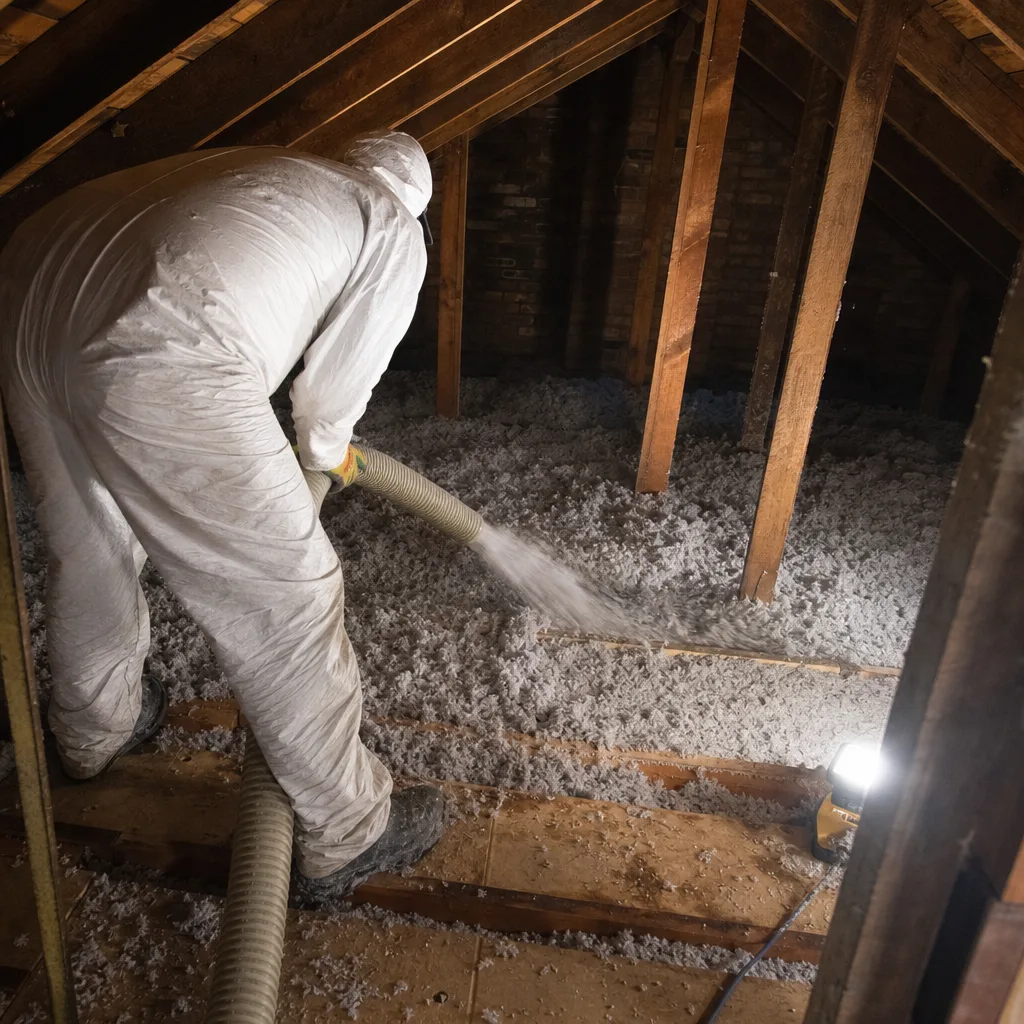
You can safely do part of this yourself. Pulling the attic hatch, measuring settled insulation depth, and photographing what you see from the access point is useful reconnaissance, and it helps us price your job more accurately before we arrive. You can also check for obvious air movement: a damp hand or stick of incense held near can lights on a windy day will show drafts. That’s evidence, not a repair.
Where DIY goes wrong is sealing from the wrong side or using the wrong material. Foaming from the living space side of a ceiling creates a mess and often misses two-thirds of the leak path. Spray foam around a non-IC-rated can light without a cover is a fire hazard. And if your attic contains blown CertainTeed material, walking joist to joist without marking bays first leads to compaction and insulation damage. Most importantly: an unsealed attic that gets insulated without air sealing first just locks the problem in place under fresh R-value. We’d rather walk the attic with you and show you what we found. Call (218) 261-7714 and we’ll schedule a look, blower-door test included with the estimate.
FAQs
Properly applied acoustical caulk and two-part spray foam sealant carry a useful life of 20 to 30 years in a Chicago attic, which outlasts the effective life of most batt and blown insulation. The failure points are usually materials applied incorrectly, not the sealants themselves. We back our sealing work with the 365-Day Done Right Promise; if something fails in the first year, we fix it.
Yes, if the original sealing is mostly intact and the issue is isolated – a single bath fan collar or one plumbing chase, for example. We identify the specific leak points with a blower-door test before recommending spot repair versus full sealing. Spot repairs in Chicago typically run $400 to $800; call (218) 261-7714 and we’ll tell you which path makes sense after testing.
Most single-family attic air sealing jobs finish in one day, including the before-and-after blower-door readings and the photo log we document on every visit. Larger attics with balloon-frame wall cavities or multiple chases may run a second day. You’ll have the written scope with timeline before we schedule the crew.
Yes. Our trucks carry acoustical caulk, can light covers, two-part foam, and the collar material we use around bath fan housings on every job. We work with materials from Owens Corning, Johns Manville, Knauf, Rockwool, CertainTeed, and Reflectix as the job requires; we’re not locked into one brand. That matters when your attic already has CertainTeed product and the sealing needs to integrate with what’s already up there.
Written by Wes Okafor, Owner & Lead Building Envelope Technician, Topside Attic Insulation at Topside Attic Insulation, serving Chicago and nearby areas.