
Icynene Attic Cleaning & Rodent Proofing in Chicago: What to Know First
Icynene attic cleaning and rodent proofing in Chicago typically runs $1,800 to $4,600 depending on attic square footage, contaminant load, and whether the existing Icynene foam was compromised by animals. Most full cleanouts with exclusion work wrap up in one to two days. We are an independent Icynene service provider, not an authorized dealer, which means we make repair decisions based on what the attic actually needs, not on protecting a manufacturer relationship.
This page is for Chicago homeowners who have Icynene spray foam or the older Icynene pour-fill product in their attic and have discovered evidence of rodents, staining, odor, or foam that is no longer performing. Every job starts with a written price before any work begins. If you want to talk through what you are seeing, call us at (218) 261-7714 and a live person answers.
How Icynene Products Fail - and How We Fix Them
Over twenty years of attic work in Chicago has taught us that Icynene foam does not fail the way fiberglass or cellulose does. It fails by holding on. Here is what we find and what we do about it:
- Icynene Classic open-cell foam absorbs rodent urine and holds it. The open-cell structure of Icynene Classic, the most common line we see in Chicago attics from the 2005 to 2015 era, acts like a sponge for liquid waste. A rat colony that nests in open-cell foam leaves behind urine that penetrates two to four inches into the material. Surface cleaning does not reach it. We cut out and remove the contaminated sections, then sanitize the remaining foam and the decking below before new material goes in.
- Icynene ProSeal closed-cell foam hides animal activity from view. Closed cell foam does not absorb waste, but rodents will tunnel along the seam between the foam and the roof deck, and the damage stays concealed behind a clean-looking surface. We probe suspect areas with a moisture meter and thermal camera before recommending any removal, because cutting into closed-cell foam without verification wastes material and money.
- Pour-fill Icynene, installed in older Chicago bungalows, collapses when animals tunnel through it. The pour-fill product was not designed to be load-bearing, but rodents do not care about design intent. We regularly find voided channels where squirrels burrowed through and left the foam settled and gapped. Heat loss follows. The fix is removal of the compromised area, sealing of the entry points, and replacement with a product matched to the attic’s use, not necessarily another pour-fill.
- Rodents chew entry paths through Icynene Classic at roof-wall intersections. In Chicago’s balloon-frame construction, the point where a rafter meets the top plate is a superhighway for mice. Icynene Classic is soft enough that a determined mouse can chew through it in under an hour. Our exclusion work on Icynene attics focuses heavily on these intersections, where we install galvanized mesh and seal around it before any insulation repair happens.
- Fire-block and code details get ignored by animals, and then by the fire inspector. Icynene foam installed against flues or recessed can lights in older Chicago homes sometimes lacks proper clearance because the original installer cut corners. When we do an attic cleanout and find foam within three inches of a flue or in contact with a non-IC-rated can light, we flag it and recommend corrective work. Rodents use these gaps as entry points too. Sealing and fire-safety correction go together on these jobs.
Our Icynene Attic Cleaning & Rodent Proofing Process
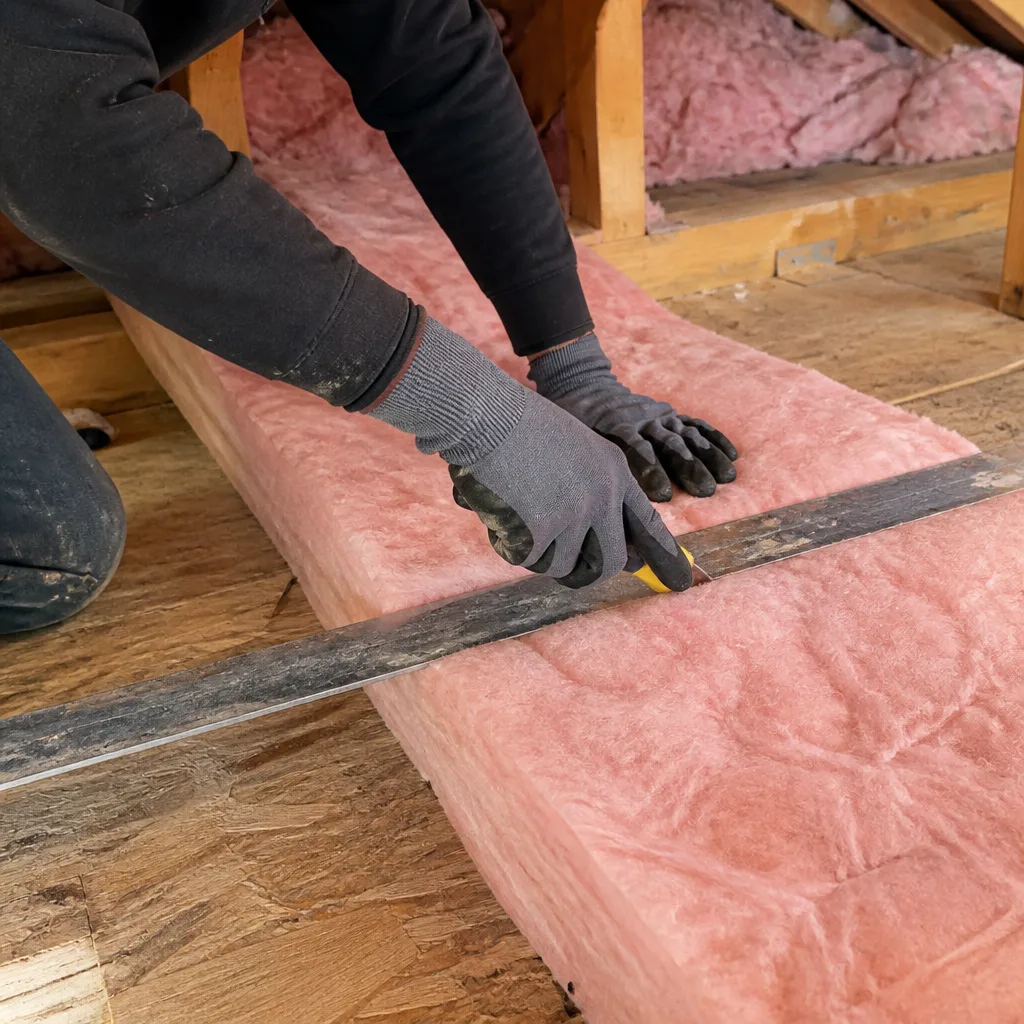
You will know exactly what happens before it happens, because the written scope spells out each step. Here is how a typical Icynene attic job at Topside Attic Insulation runs:
- 1
Attic inspection and blower-door test. Wes Okafor or a senior technician performs a blower-door test, a pressurization reading that shows, in one number, how much air your building envelope is losing. Combined with a visual inspection, this tells us where rodents have been entering and which foam sections need removal.
- 2
Written scope and flat price. Under Haven Standard Clause 1, you receive a written scope, a flat price, and a written warranty before anyone lifts a tool. No hourly billing, no change-order surprises.
- 3
Contaminated foam extraction. We remove urine-soaked or tunnel-compromised Icynene sections with hand tools, not shovels, preserving the foam that is still intact and well-adhered.
- 4
Exclusion and air sealing. Every entry point larger than a pencil eraser gets sealed. Galvanized mesh, steel wool in smaller gaps, and foam at the perimeter of the exclusion work. The order matters here: seal the holes first, then add the R-value. The numbers will tell you whether it worked.
- 5
Sanitizing, deodorizing, and restoration. The entire attic floor gets vacuumed, sanitized, and treated for odor. Removed foam sections are reinstalled with material matched to the surrounding area, whether that is a closed-cell touch-up or a batten fill where open-cell removal left a void.
- 6
Final blower-door test and photo record. We pressurize the attic again and compare the numbers. You receive before-and-after ACH50 readings, installed R-values by zone, and a Documented Photo Record of every air-sealing and exclusion location. The printed report is yours before we leave.
What Icynene Attic Cleaning & Rodent Proofing Costs in Chicago
Every attic is different, but these ranges cover what we typically see in Chicago homes with Icynene insulation:
- Icynene foam inspection plus blower-door test: $325 to $525, with the inspection credited toward the work if you proceed.
- Partial Icynene foam removal and replacement (rodent contamination found early): $1,800 to $2,900 depending on the affected square footage.
- Full attic cleanout, sanitizing, exclusion, and restoration on an Icynene attic: $3,200 to $4,600 for a typical Chicago bungalow or two-flat attic between 800 and 1,400 square feet.
- Exclusion-only work (no foam removal needed yet): $700 to $1,400 depending on entry point count and roof complexity.
What moves the price most is the extent of foam contamination. A small mouse colony in one corner of Classic open-cell foam is a half-day job. A long-established rat colony that has been in the attic for two winters is a full removal and restoration. The second cost driver is roof geometry, because steep pitches and tight knee-wall access slow down the work. We will give you a flat written price before work starts, not an estimate range. Call (218) 261-7714 to schedule an inspection.
Why Chicago Homeowners Call Topside Attic Insulation for Icynene Work
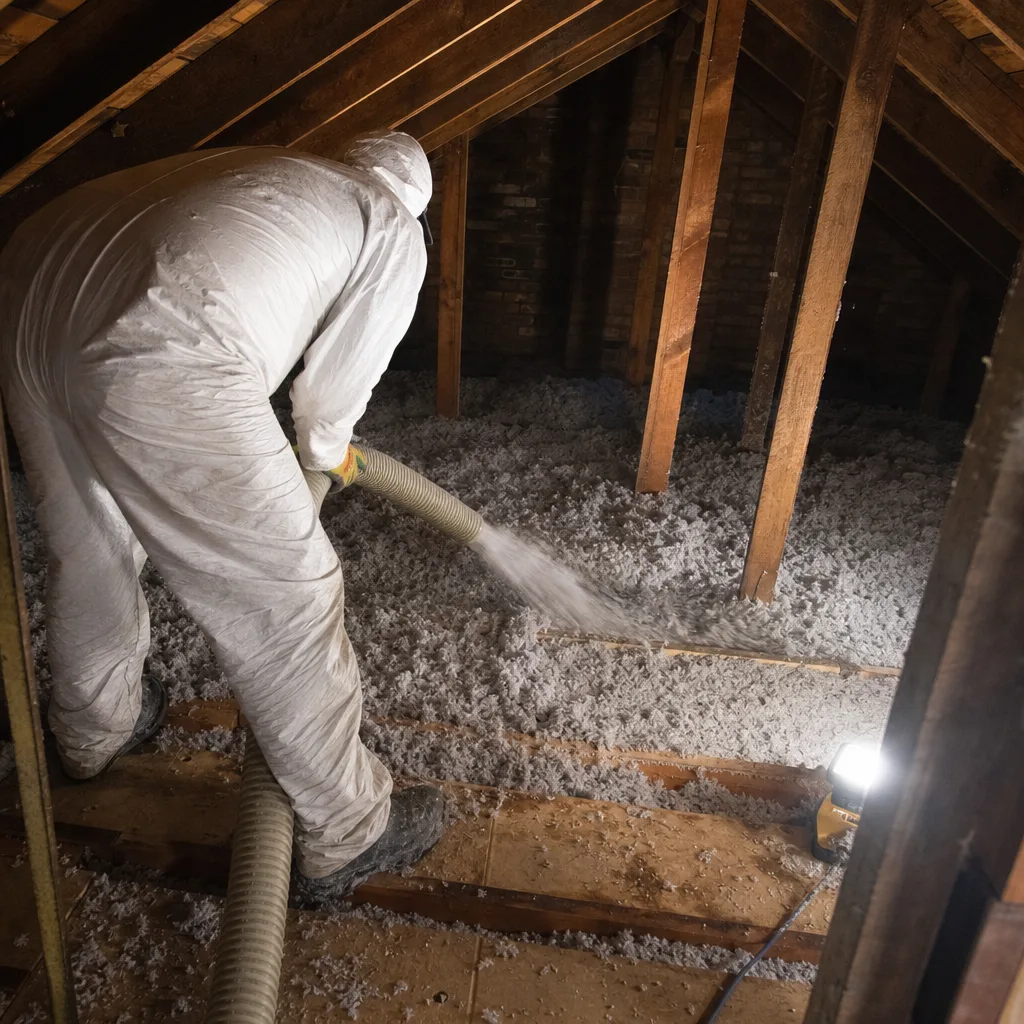
Sealed first, then insulated, in that order. Topside Attic Insulation will never blow insulation over an unsealed attic floor, and we will never foam over an exclusion job that has not been verified with a pressure test. Every one of the 9,000+ homes we have sealed and insulated since 2016 has left with a written price before work started and a documented record when the crew finished.
Our technicians are background-checked and uniformed, and a live person answers the phone 24/7. We carry materials from Owens Corning, Johns Manville, Knauf, Rockwool, CertainTeed, Icynene, Demilec, GreenFiber, and Reflectix, so we are not locked into replacing your Icynene with another Icynene product when a different material would serve the attic better. The 365-Day Done Right Promise applies to all completed work, and every job closes with before-and-after blower-door numbers published so you can verify the result.
FAQs
It can, depending on how the work is done and who does it. Many Icynene warranty documents require that insulation removal or repair be performed by a qualified insulation contractor, not by a general handyman or a pest control company working alone. As an independent Icynene service provider, we document every step with photos and before-and-after pressure readings so that if a warranty claim is needed, the record of what was done exists. Call (218) 261-7714 and we will walk through what your specific warranty language does and does not cover.
Surface soiling from dust or minor staining can usually be cleaned. Urine-saturated open-cell Icynene Classic almost always needs to be cut out, because the contamination penetrates too deep for any surface treatment to reach. We will tell you which situation you have after inspecting the foam, and we will show you the photos so you can see it for yourself.
For active infestations where animals are currently in the attic, we schedule inspections within 48 hours in most Chicago neighborhoods. A live person answers calls 24/7, and you will get a named technician with a text when they are on the way. The full cleanout and exclusion work is typically scheduled within one to two weeks after the written price is accepted.
Partial removal and replacement is almost always cheaper than a full attic re-do, provided the uncontaminated foam is still well-adhered and performing. The exception is when rodent damage is extensive and the foam has been tunneled through across more than half the attic. We only recommend full removal when the air-sealing value of the existing foam is already gone, and we will show you the blower-door numbers that support the recommendation.
Written by Wes Okafor, Owner & Lead Building Envelope Technician, Topside Attic Insulation at Topside Attic Insulation, serving Chicago and nearby areas.