
Demilec Radiant Barrier Installation: The Chicago Owner’s Guide
Demilec radiant barrier installation in Chicago typically runs $1,800 to $4,200 for a full attic application, with most homes landing near $2,600, and we complete most installations in a single day. If your Demilec foil has torn, delaminated from the substrate, or pulled loose at the staples, we can match the material on-site and have a crew out within 48 hours. Owners usually find us two ways: they climb into the attic in July and feel heat radiating through the ceiling below, or they notice the foil hanging in sheets after a particularly windy stretch of spring weather worked its way through the gable vents.
Before any radiant barrier goes up, we confirm what’s happening with the attic floor beneath it. The foil is only effective if the air below it has been slowed down first. In homes across Chicago, from Beverly to Edgewater, we’ve tested attics where a radiant barrier was installed over an unsealed attic floor and the homeowners saw almost no change in their cooling bills. The barrier reflects radiant heat, but it does nothing for air leakage. That’s why the blower-door numbers get recorded first.
Key takeaways:
- Demilec radiant barrier installation in Chicago runs $1,800 to $4,200, with most homes near $2,600.
- We stock Demilec-compatible reflective foil in rolls and sheets, plus the correct staples and seam tape.
- Same-week installation is standard; most jobs finish in one day.
- Every installation includes a documented photo record and, where applicable, before-and-after blower-door readings.
- Call (218) 261-7714 for a written price. No work starts without one.
Which Demilec Models This Applies To
Our radiant barrier work covers the full Demilec reflective insulation line, including the HeatBloc series and the older reflective foil products that Demilec sold alongside their spray foam systems before narrowing their catalog. The single most important identification step is measuring the foil’s thickness and checking the substrate backing. HeatBloc readers often find the foil face has torn cleanly at the perforation lines while the polymer scrim behind it stays intact. That’s repairable with seam tape. When the scrim itself has separated or the foil has oxidized to a dull gray, the sheet needs replacing.
We’re an independent service provider, not a Demilec dealer, and that matters in one specific way: we’re not locked into selling you a full replacement when a compatible product does the job at a lower price. For Demilec-style foil applications, quality aftermarket equivalents exist, including Reflectix products we stock on the truck. The physical spec that matters is the emissivity rating. A low-e facing of 0.05 or below is what does the radiant-heat work. Most Demilec and Reflectix foils come in at 0.03 to 0.05, so upgrading or replacing sheet-for-sheet doesn’t cost you performance.
One Chicago-specific compatibility gotcha: detached garage radiant barriers installed in unconditioned spaces fail faster than house attics do. We see it in Garfield Ridge and Clearing constantly. The freeze-thaw cycle condenses moisture on the foil face, then the summer bake makes the scrim brittle. If your garage barrier has seen five Chicago winters, expect the lower third of each sheet to be shot.
Signs Your Demilec Radiant Barrier Installation Is Failing
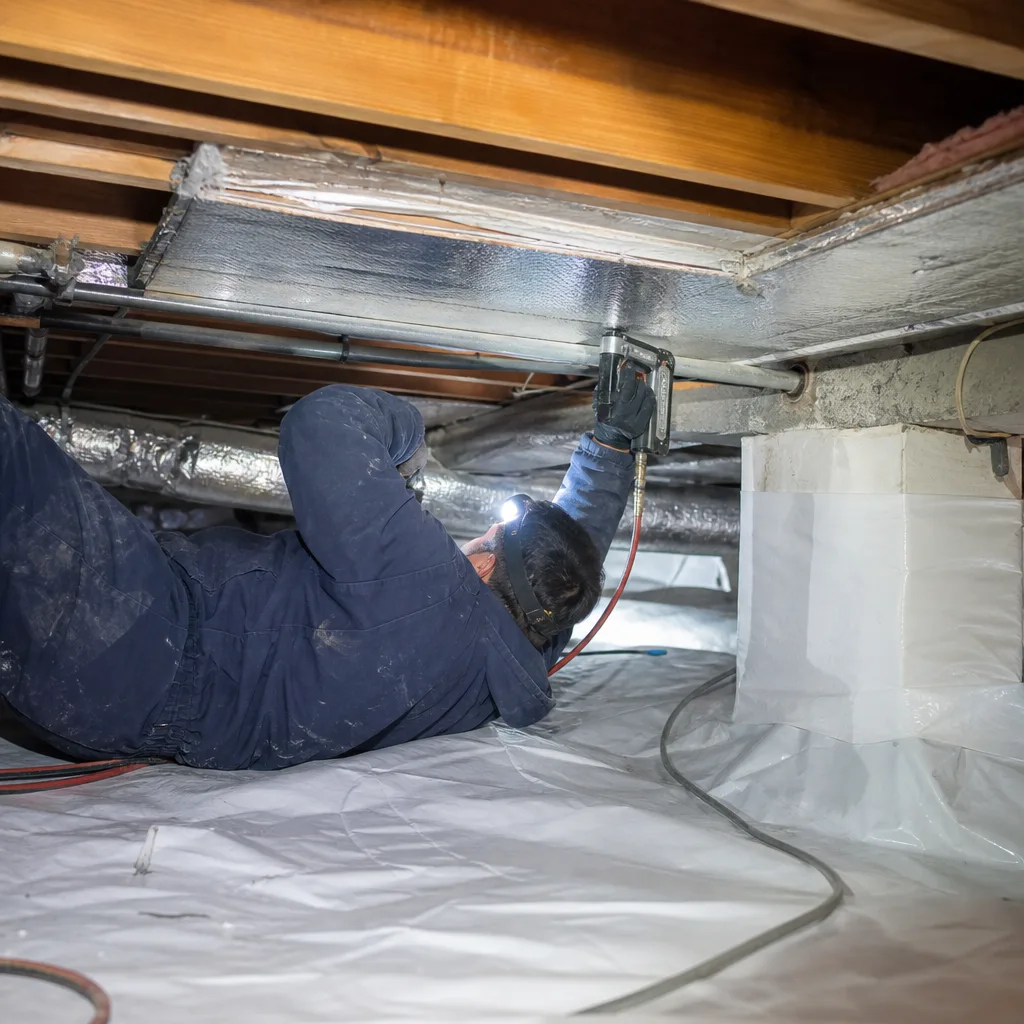
- Sagging or drooping foil between staples. The scrim backing has stretched, usually from moisture absorption during humid Chicago summers. The foil loses its taught plane and its reflective angle tilts away from the roof deck, cutting effectiveness by half or more.
- Tears at staple points that run the length of the sheet. Installers sometimes over-tension the foil during the original install. After a few seasons of thermal expansion, the foil splits at every fastener. This is a tension failure, not a material defect.
- Dull or chalky foil surface. The aluminum has oxidized. Dust and attic particulate accelerate it, and oxidation raises the emissivity above 0.15, which means the material is now absorbing more heat than it reflects.
- Moisture staining on the scrim side. You’ve got a condensation cycle. In Chicago, this is almost always tied to roof ventilation that isn’t balanced: not enough intake at the soffits, or blocked exhaust at the ridge. The barrier didn’t cause the moisture. It just showed it to you.
- Upstairs rooms warmer than they used to be, with no change in HVAC settings. The barrier has either delaminated from the rafters or the attic air-sealing underneath has failed. Both read the same way on the thermostat.
Replacement Cost & What’s Included
In Chicago, Demilec-style radiant barrier replacement or new installation runs $1,800 to $4,200 depending on attic square footage, rafter complexity, and whether we’re removing failed material first. Most two-story home attics land near $2,600. That number includes tear-out of the old foil, disposal, new foil or scrim-matched compatible product, seam taping, stapling to the rafter faces, and documentation.
What drives the price up: steep roof pitches that require staging, attics with a lot of hip or valley intersections, and homes where the existing barrier was stapled to the underside of the sheathing rather than the rafter faces. The second is more common in Chicago than most installers admit. Radiant barrier stapled flat against the sheathing loses its air gap, which is the entire mechanism it works by. Pulling it down and reinstalling it correctly takes time.
Every job closes with a Documented Photo Record showing the installed surfaces, the seam tape locations, and any repaired areas. If we ran the blower-door before and after, those numbers are in the report too. The work is covered under our 365-Day Done Right Promise: if it’s not done right, we make it right. The written scope and written warranty are delivered before anyone lifts a tool. That’s Haven Standard Clause 1.
DIY or Call Us?
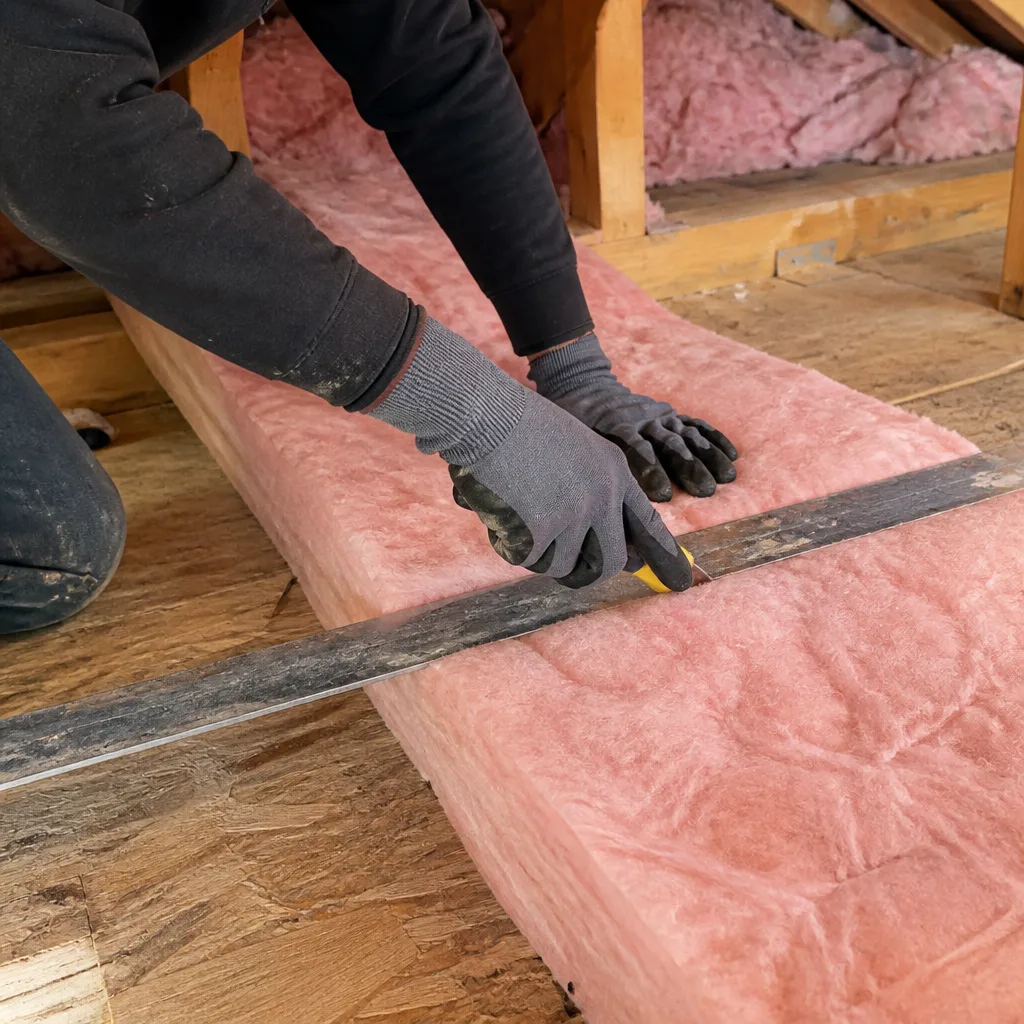
Radiant barrier replacement is one of the few attic upgrades where a careful homeowner can do part of the work safely. You can buy foil rolls at local Chicago building suppliers. You can measure, cut, and staple. The staples just hold it until the wind stops. The part that goes wrong for most people is the same part that goes wrong for cheap installers: they don’t seal the air leaks below first. You’d be putting a reflective surface on top of a leaky attic floor, and the result reads like a promise the house never keeps.
If you’re set on doing it yourself, stay off the joists you can’t see, wear a respirator if you’re pulling down old fiberglass-backed foil, and don’t pressure-wash or chemically strip old foil inside a closed attic. The heat and the dust are worse than the labor. But if the goal is a cooler upstairs and lower summer bills, the radiant barrier is the last step, not the first. Seal the holes first. Then add the R-value. The numbers will tell you whether it worked. We run the blower-door before and after every job where it’s applicable, and you get those numbers printed.
If you’d rather have it done right and documented, call (218) 261-7714. We’ll put a written price in front of you. No work starts without it.
How much does Demilec radiant barrier installation cost in Chicago?
Demilec radiant barrier installation in Chicago runs $1,800 to $4,200, with most homes near $2,600. That’s installed, including tear-out of failed material, disposal, new foil or compatible product, seam taping, and the photo record. Call (218) 261-7714 for an exact written price. Estimates are free.
Can a torn Demilec radiant barrier be repaired instead of replaced?
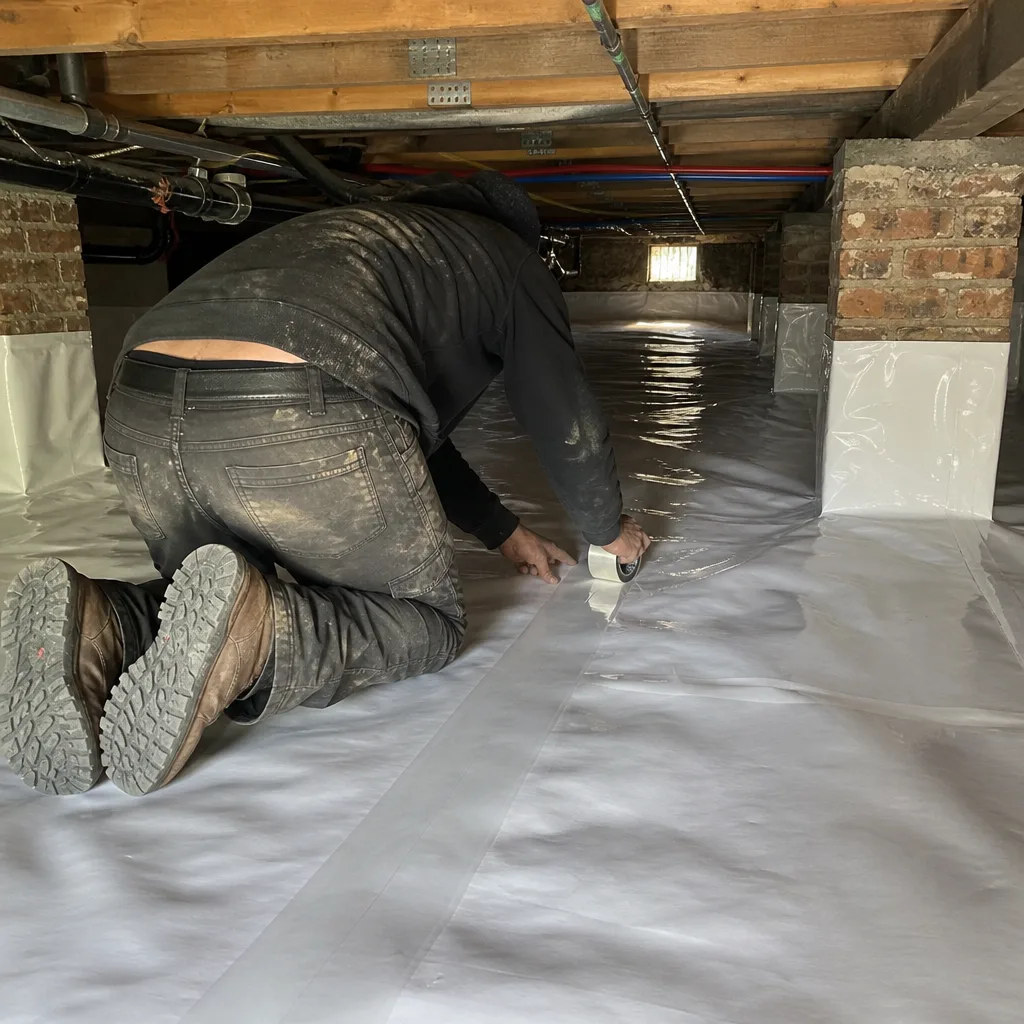
Yes, if the tear is along a perforation line and the scrim backing is intact, a seam-taped repair works and lasts. If the scrim has separated or the foil has oxidized to a chalky finish, patching won’t hold. We’ll tell you which one you have before we charge you a dollar.
How long does the installation take?
Most Chicago homes are done in one day, including any tear-out. Larger attics or complex rooflines may need two days. You’ll get a named technician and a text when the crew is on the way.
Do you stock Demilec-compatible radiant barrier on the truck?
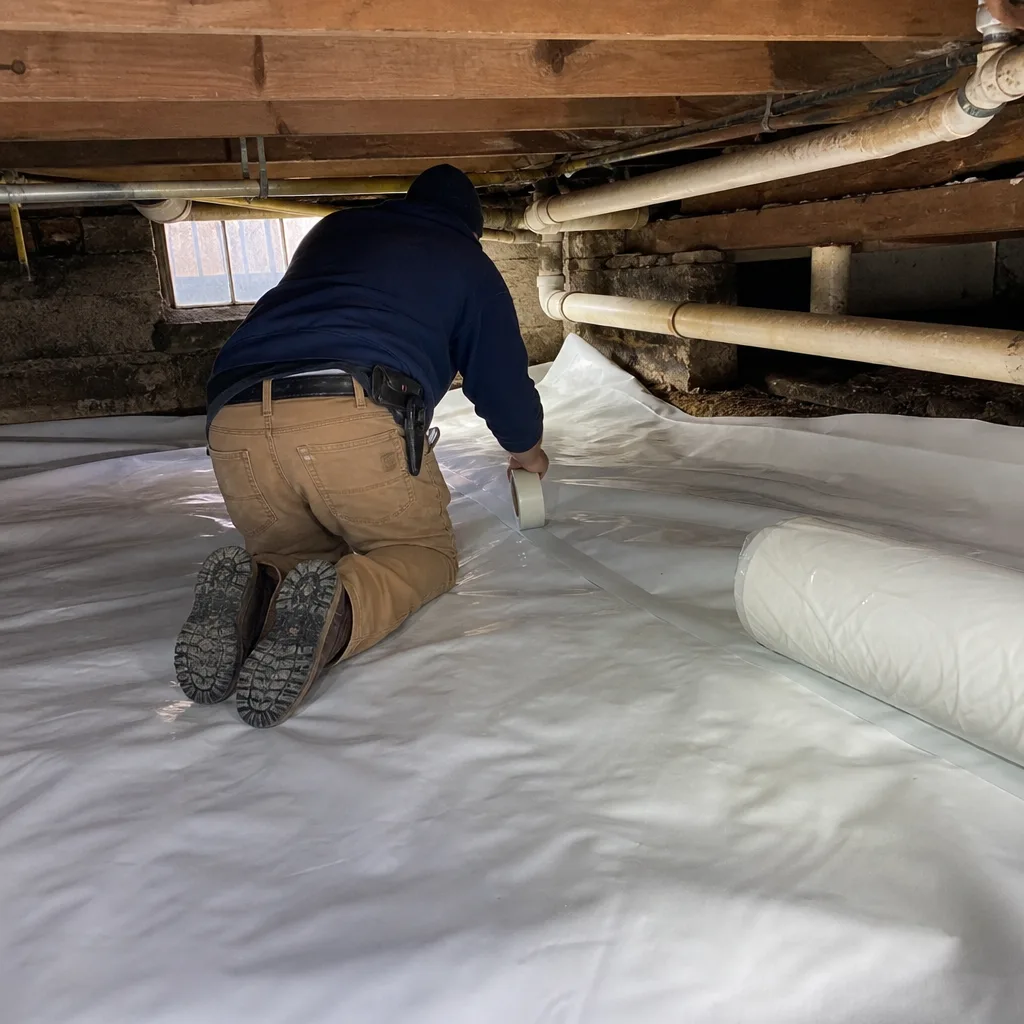
We stock compatible foil in the most common widths, including Reflectix products for sheet-for-sheet replacements. If your job needs a specific width or a heavier scrim, we order it before the install date, not the morning of.
Written by Wes Okafor, Owner & Lead Building Envelope Technician, Topside Attic Insulation at Topside Attic Insulation, serving Chicago and nearby areas.