
GreenFiber Wall Insulation in Chicago: What to Know First
GreenFiber wall insulation in Chicago typically costs between $1.80 and $3.40 per square foot for drill-and-fill blown-in work, with most existing-home wall cavities running $2,200 to $6,800 depending on wall construction and access. We complete most wall insulation projects in one to two days. This page is for Chicago homeowners who either already have GreenFiber products in their walls or are weighing GreenFiber for a wall insulation job and want the straight picture before anyone starts drilling. Call (218) 261-7714 anytime, a live person answers. Written price before any work starts, always.
Key Takeaways:
- GreenFiber SANCTUARY and Cellulose Wall Spray are the two lines that show up most in Chicago wall cavities, and they fail differently.
- We’re an independent GreenFiber service provider. We are not affiliated with or authorized by GreenFiber, which matters when warranty coverage is on the table.
- Wall insulation in Chicago is only as good as the air sealing behind it. Blown fiber does not stop air movement.
- Every job closes with a documented photo record and a written scope. No exceptions since 2016.
How GreenFiber Products Fail - and How We Fix Them
GreenFiber makes a solid product, but wall cavities in Chicago are not a forgiving environment. Here’s what we actually find when we open walls or run a blower-door test before quoting a drill-and-fill job:
- Settling in balloon-frame walls after 8 to 12 years. This shows up most in GreenFiber Cellulose Wall Spray applications in pre-1950 Chicago two-flats. The cellulose was dense-packed at install, but if the wall was never air sealed at the top plate, stack effect pulls air through the cavity, the material settles, and you lose 15 to 25 percent of the fill height. We fix it by dense-packing the settled cavity after sealing the top plate and any balloon-frame chases.
- Gaps behind electrical boxes and around window rough openings. GreenFiber’s R-13 to R-20 wall cavity performance assumes a continuous fill. In Chicago frame construction, cavities are rarely continuous. We find voids behind every third outlet box in older homes. The fix is targeted removal around the box, foam sealing the penetration, and re-blowing the cavity to full density.
- Moisture migration in brick veneer walls with no drainage plane. Chicago’s freeze-thaw cycle pushes water into brick, and if the original builder skipped the air gap or felt paper, GreenFiber SANCTUARY’s borate fire retardant does help resist mold, but it is not a moisture barrier. We see this in 1920s bungalows in Portage Park and Jefferson Park. The fix starts with addressing the exterior drainage or interior vapor profile before we put anything back in the wall.
- GreenFiber SANCTUARY over-spray on rim joists that never got air sealed. The rim joist is the single leakiest spot in most Chicago homes. We have pulled blower-door numbers showing 18 ACH50 on a house where the rim joist cavities were stuffed with eight-year-old GreenFiber that looked perfectly fine from the basement. The material was doing almost nothing because the air was moving around it, not through it. We seal the rim joist first, then insulate.
- Improper dense-pack density from a previous contractor. GreenFiber’s published performance values assume a minimum installed density, usually 3.5 pounds per cubic foot for wall applications. We have tested cavities where the previous install came in under 3 pounds. The fix is not more material. It’s proper equipment calibration and a measured blower-door result that tells you the cavity is actually sealed and filled.
Our GreenFiber Wall Insulation Process
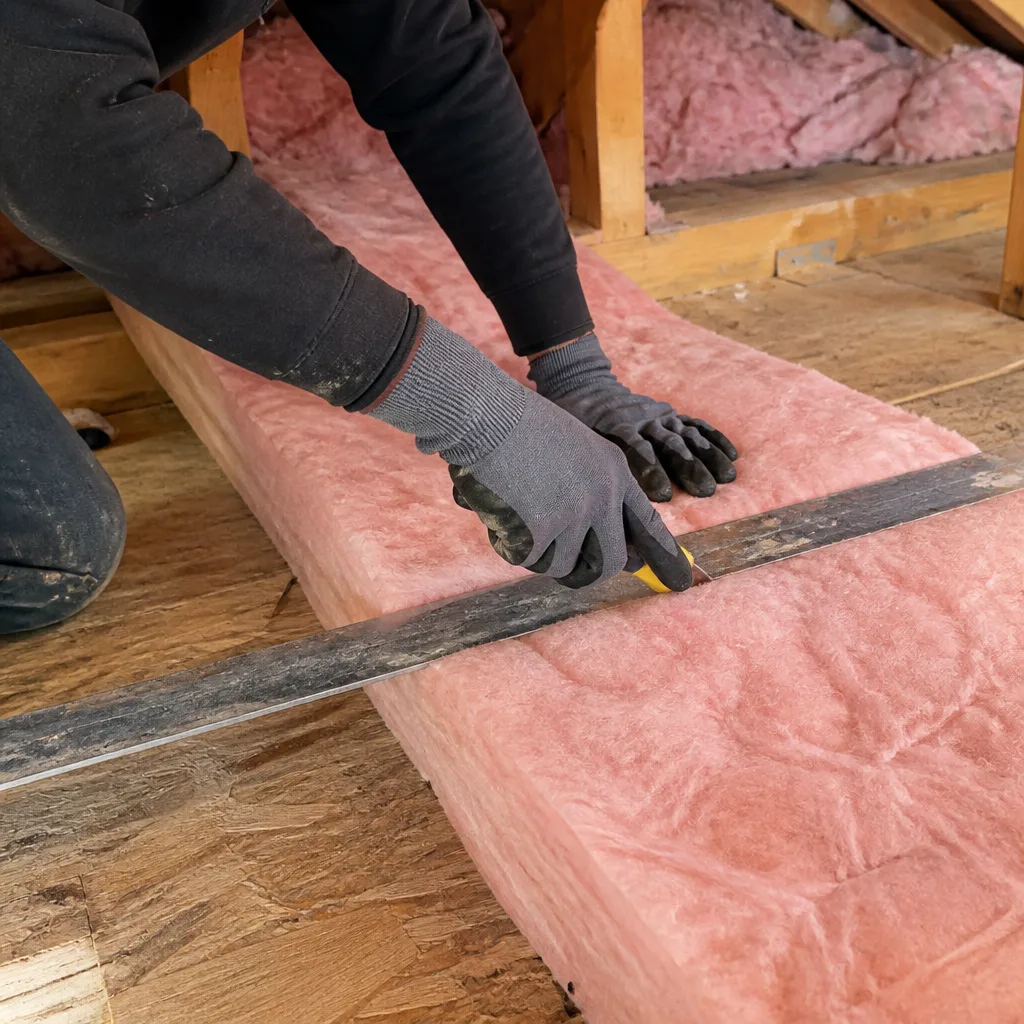
A GreenFiber wall job at Topside Attic Insulation does not start with a drill. It starts with a number:
- 1
Blower-door test first. We measure how much air the whole house is leaking before anyone touches a wall. This tells us whether wall insulation will actually solve the comfort problem or whether the leaks are in the attic, rim joist, or windows.
- 2
Written scope and price before any work starts. The scope names the exact wall cavities, the material (GreenFiber SANCTUARY or Cellulose Wall Spray, whichever matches the existing fill), the target density, and the expected post-work air leakage number.
- 3
Air sealing, then insulation. We seal top plates, rim joists, electrical penetrations, and any chase accessible from the attic or basement before GreenFiber goes into the cavities.
- 4
Drill-and-fill or dense-pack, cavity by cavity. We drill from the exterior or interior depending on siding and wall assembly, blow to target density, and patch with matched material.
- 5
Post-work blower-door test. The second reading tells you what you paid for. A house that read 4,200 CFM50 before sealing and 2,100 after is a measurable result, not a feeling.
- 6
Documented photo record and written warranty. You get photos of the sealed penetrations, the installed R-values by zone, and the before-and-after ACH50 numbers. Printed report, not a verbal summary.
What GreenFiber Wall Insulation Costs in Chicago
Here are real numbers for the Chicago market, based on jobs we have completed in the last eighteen months:
- Drill-and-fill existing wall cavities: $1.80 to $2.90 per square foot of wall area, including air sealing at accessible penetrations.
- Dense-pack for settling correction: $2.20 to $3.40 per square foot, with the higher end reflecting access difficulty on brick veneer or stucco exteriors.
- Full wall insulation on a 1,200 to 1,600 square foot bungalow: $4,800 to $7,200 all-in with air sealing and blower-door testing.
- Rim joist sealing and insulation only: $900 to $2,400 depending on accessibility.
What moves the price: exterior access, wall height, existing siding material, and whether we are correcting a previous failed install versus working in an empty cavity. Every quote is a flat written price before any work starts. Call (218) 261-7714 for an exact number, free estimate, no pressure.
Why Chicago Homeowners Call Topside Attic Insulation for GreenFiber Work
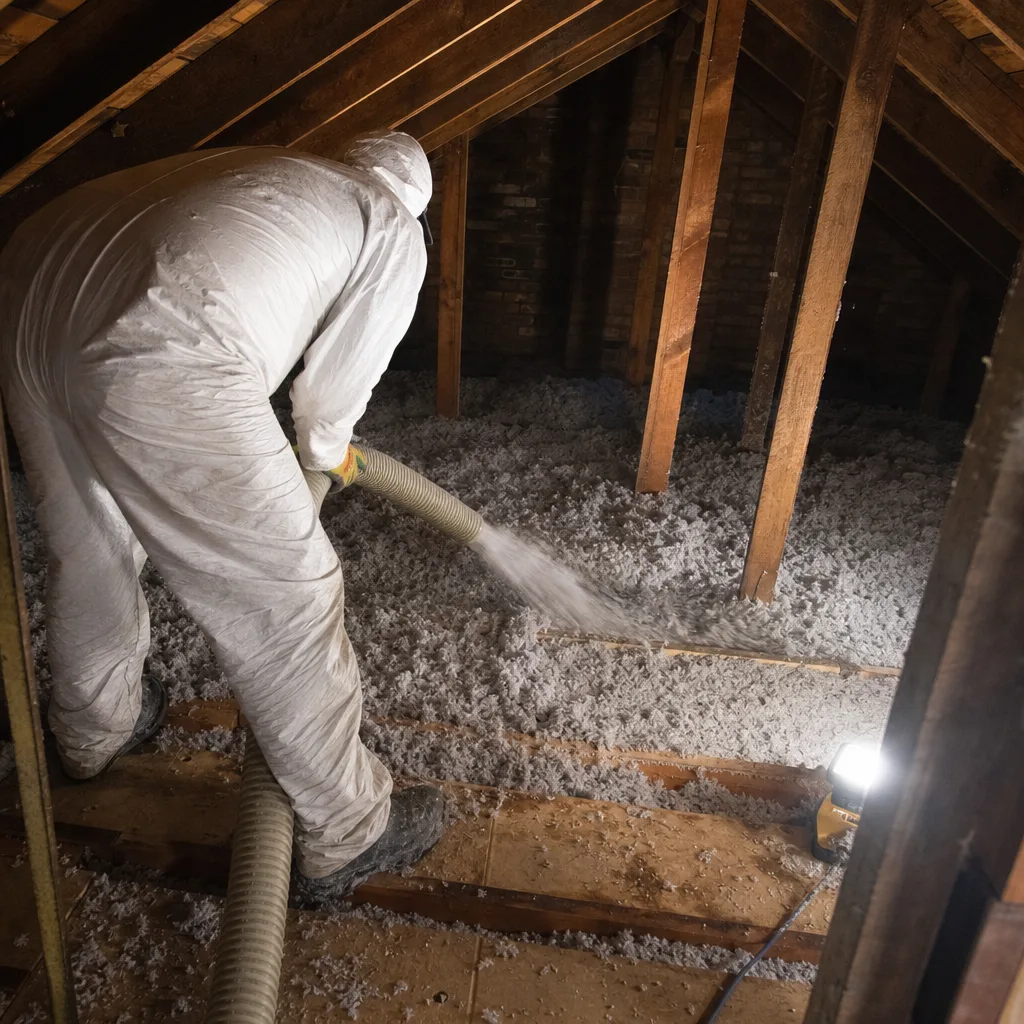
Since 2016 we have operated under The Haven Standard, which means a written price before any work starts and a documented record when the crew leaves. Wes Okafor grew up about six blocks from the Portage Park field house and has been doing insulation work in Chicago for over twenty years, and he runs a blower-door test before any material goes in because the scope should be documented, not estimated. We work on GreenFiber jobs regularly, we carry Reflectix for specific rim joist and radiant applications where it makes sense, and we are not married to any one material. We will tell you if GreenFiber is the right product for your wall assembly or if something else will hold up better in a Chicago winter. The 365-Day Done Right Promise applies to all completed work. A live person answers the phone 24/7. No voicemail loops.
FAQs
GreenFiber’s product warranty covers manufacturing defects in the material itself, not installation workmanship. As an independent GreenFiber service provider, we are not authorized to modify or extend GreenFiber’s product coverage. What we provide is a written workmanship warranty on the installation, delivered in writing before anyone lifts a tool. Call (218) 261-7714 and we will read your existing warranty together.
Yes. If you have GreenFiber SANCTUARY in half your walls and a settled cavity in the other half, we match the product and target density so the thermal performance is consistent wall to wall. We do not mix incompatible materials in the same cavity. Call for a free estimate and we will tell you exactly what is in your walls.
In most Chicago homes, dense-packing the settled cavity is cheaper than full removal and replacement, usually by 40 to 60 percent. The exception is when the settled material has been wet, in which case leaving it in place creates a mold risk. We test moisture before we recommend anything. Call (218) 261-7714 for a straight answer.
Most single-story bungalow wall jobs finish in one day, including the blower-door test and the photo record. Two-story frame homes or brick veneer access typically take two days. We will name a technician and text you when they are on the way, under Haven Standard.
You need it if you want to know the work actually changed anything. A wall insulation job without air sealing can reduce your air leakage by 5 percent or less, depending on where the house actually leaks. The blower-door test tells us that before we spend your money. It is included on every applicable job at Topside Attic Insulation Seal the holes first. Then add the R-value. The numbers will tell you whether it worked.
Call (218) 261-7714 for a free estimate and a written price before any work starts.
Written by Wes Okafor, Owner & Lead Building Envelope Technician, Topside Attic Insulation at Topside Attic Insulation, serving Chicago and nearby areas.