
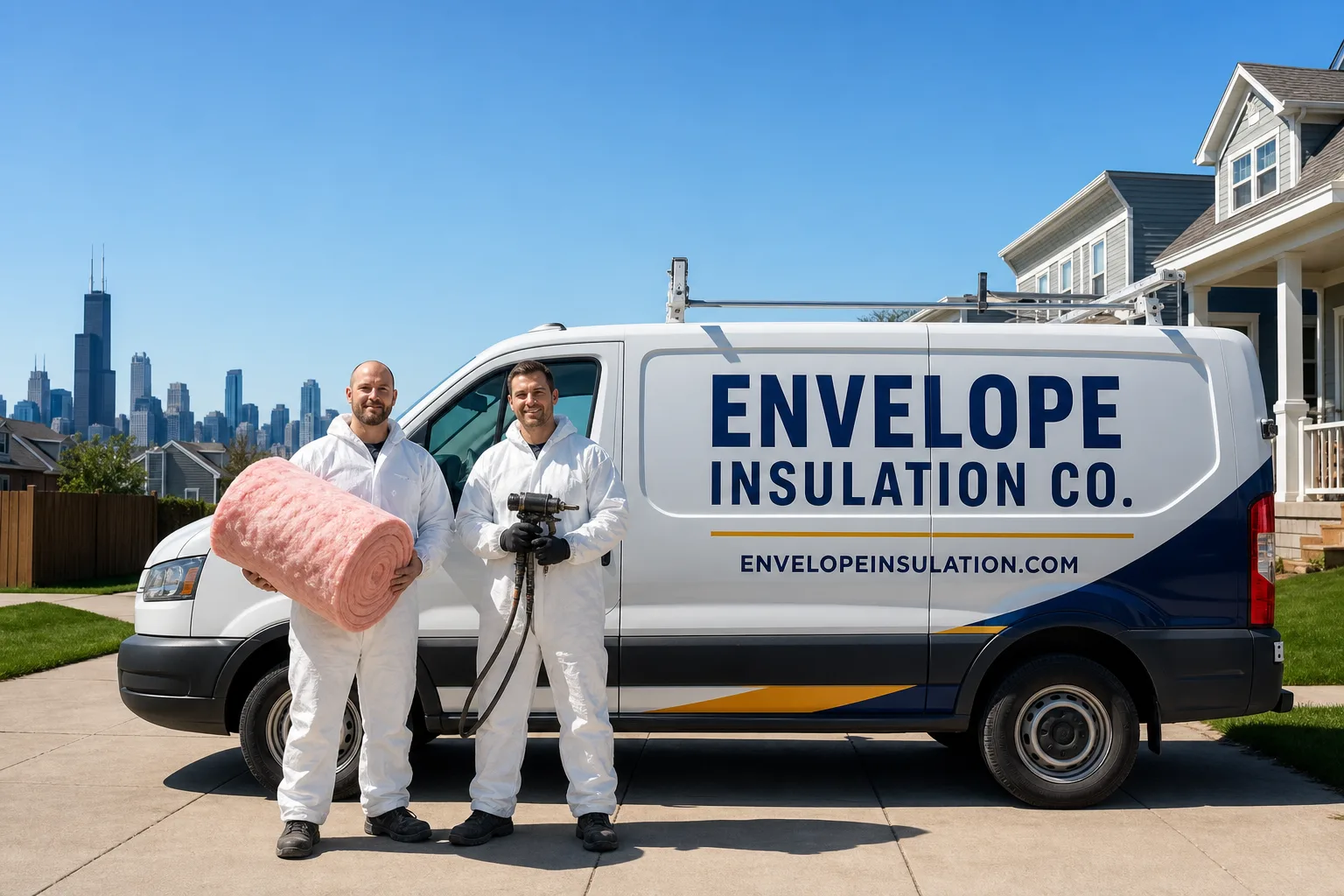
Trusted Radiant Barrier Installation for Chicago Homeowners
Radiant barrier installation in Chicago typically runs $1,800 to $4,200 for a standard 1,500 to 2,500 square foot attic, and most jobs are completed in one day. Homes in neighborhoods like Lincoln Park, Edison Park, and Beverly see attic temperatures climb past 140°F in July, which forces air conditioners to work harder and cooling bills to rise. That heat is what a radiant barrier addresses: a reflective surface mounted in the attic that bounces radiant heat back toward the roof instead of letting it soak into your insulation and living space. Wes Okafor and the crew at Topside Attic Insulation have sealed and insulated more than 9,000 Chicago-area homes since 2016, always with a written price before any work starts. Call (218) 261-7714 and you’ll get a live person, any hour, any day.
What Our Radiant Barrier Installation Service Includes
Attic Radiant Barrier
An attic radiant barrier is a reflective material, typically aluminum foil laminated to a substrate, installed on the underside of roof rafters or over the attic floor. It works by reflecting thermal radiation, not by adding R-value or slowing conductive heat transfer. In Chicago’s climate, we install it most often on the rafter underside, a configuration that keeps the barrier’s reflective surface facing the roof deck’s air space where it can actually do its job. We measure the attic’s square footage, confirm the existing insulation depth, and then cut and staple the barrier with an air gap maintained, because without an air gap, the reflective surface cannot perform.
Radiant Barrier Foil
Radiant barrier foil is the material itself: a double-sided or single-sided reflective foil, often perforated for vapor transmission, that gets stapled or fastened in place. We stock both perforated and solid foil because the choice depends on whether your attic has adequate ventilation. In a Chicago attic with ridge and soffit vents, we use perforated foil so moisture isn’t trapped against the roof deck during freeze-thaw cycles. We also verify that no can lights or vent boots are covered, and we document the entire installation with photos, including the air gap and the fastener pattern.
Radiant Barrier Roof Deck
A roof deck radiant barrier is installed before new roofing goes on, or it’s a foil-faced decking product where the reflective surface is bonded directly to the underside of the roof sheathing. If you’re re-roofing a home in Chicago and the decking is being replaced, that’s usually the most cost-effective time to add a radiant barrier, since the labor overlaps. Topside Attic Insulation coordinates with your roofer so the barrier goes up after the old decking is off and before the new shingles go down. We then confirm the barrier’s reflective side is facing the attic air space and that the seams are taped. If you’re not re-roofing, the rafter-mounted approach gives you the same reflectivity from inside.
Radiant Barrier & Ventilation
A radiant barrier only earns its keep when the attic can move hot air out, so ventilation is checked before any barrier goes up. We look at soffit intake, ridge or gable exhaust, and attic fan function, and we tell you if any component is undersized for the square footage. In Chicago’s older housing stock, we regularly find soffit vents painted shut or buried under insulation, and in those cases we recommend correcting the ventilation before or alongside the barrier installation. An attic that can’t exhaust hot air will just cook the barrier and everything below it. The barrier and the ventilation are documented together in the photo record you receive when the crew leaves.
What happens when you call
- 1
A real person answersNo phone trees - you reach a local pro.
- 2
You get an upfront price rangeHonest numbers before anyone is dispatched.
- 3
A background-checked tech heads outLicensed & insured, dispatched right away.
- 4
You approve before work beginsNothing starts until you say go.
Brands We Service for Radiant Barrier Installation
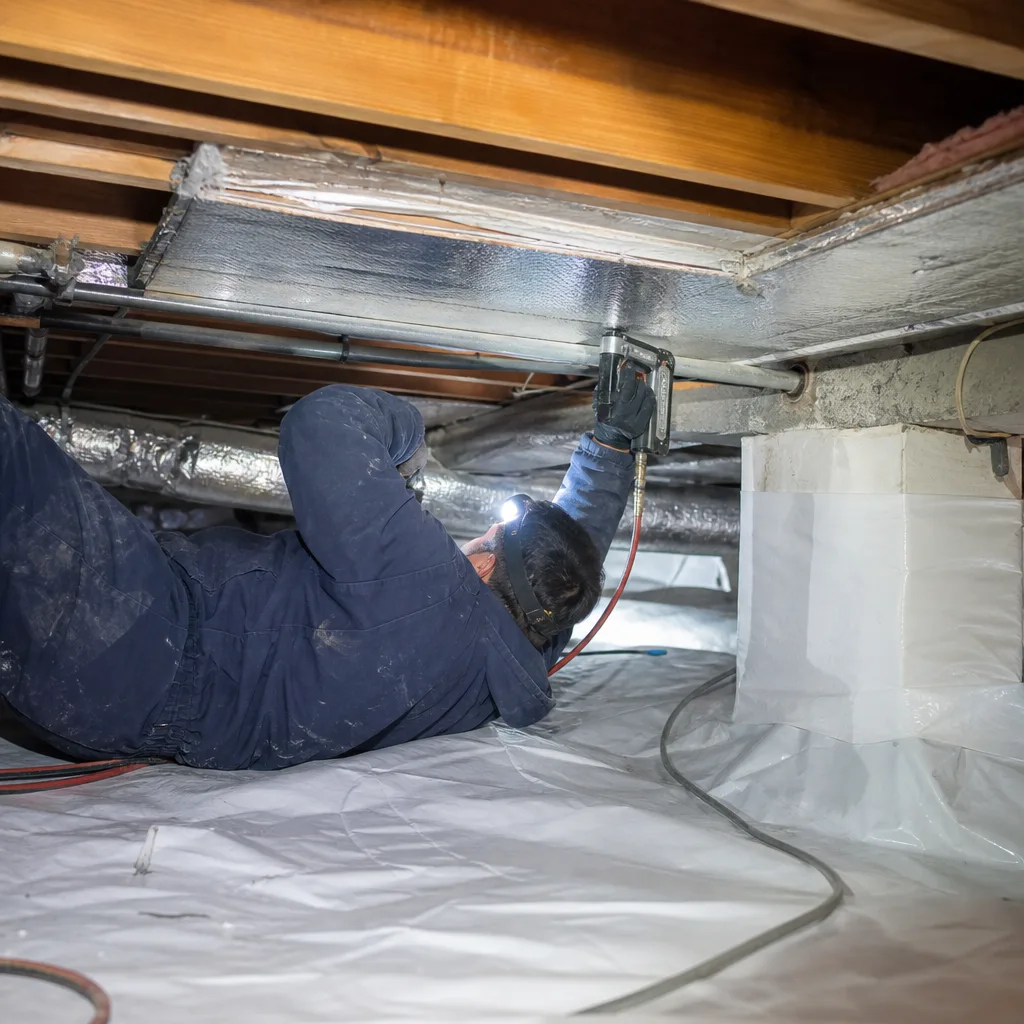
Most radiant barrier jobs we run don’t require matching an existing brand; the foil is new material. But when existing insulation or air sealing products are in play, we work with the major material lines rather than against them. We’ve installed barriers over blown fiberglass from Owens Corning and Johns Manville in countless Chicago attics, and we know how to set staples so the barrier doesn’t compress what’s below it. The same goes for Knauf batts; we check the facing condition before any barrier goes in, because a torn vapor-facing under a new barrier becomes a moisture problem in January.
If you have Rockwool insulation in your attic or walls, the air-sealing steps we take before touching any barrier apply the same way, and the barrier material goes in without disrupting the existing batt arrangement. Whether you’ve got Owens Corning, Johns Manville, Knauf, Rockwool, or any other make in your attic, we can install a radiant barrier over it, and you’ll get the same written scope before we start.
Signs You Need Radiant Barrier Installation Right Now
- Your upstairs rooms run 8 to 10 degrees warmer than the downstairs in summer. That temperature gap means heat is entering through the attic and the ceiling assembly, not just through the windows. A radiant barrier reduces the radiant load on the attic floor, the single largest contributor to that upstairs discomfort.
- Your air conditioner runs almost continuously during July and August afternoons. When attic temperatures hit 130°F to 150°F, the insulation below absorbs radiant heat and the cooling system fights it all day. Reflecting that heat away means the AC doesn’t cycle as hard during peak hours.
- You can feel heat radiating from the ceiling after sunset. Once the sun goes down, a hot attic keeps releasing stored heat into the living space for hours. That’s the stored thermal energy a radiant barrier prevents from accumulating in the first place.
- Your attic has exposed roof rafters and minimal existing insulation on the attic floor. This combination means the attic itself is superheated and the floor insulation is absorbing full radiant load. We see this in Chicago bungalows and two-flats all the time, where older construction never accounted for radiant heat.
- You’re already planning attic air sealing or new insulation and want to do it once. If you’re going up there anyway, the added cost of a radiant barrier is lower than doing it as a standalone project later. It’s the same crew, same access, same prep, and the air sealing happens before any insulation or barrier goes in, which is the order we insist on.
Our Radiant Barrier Installation Process - Step by Step
- 1
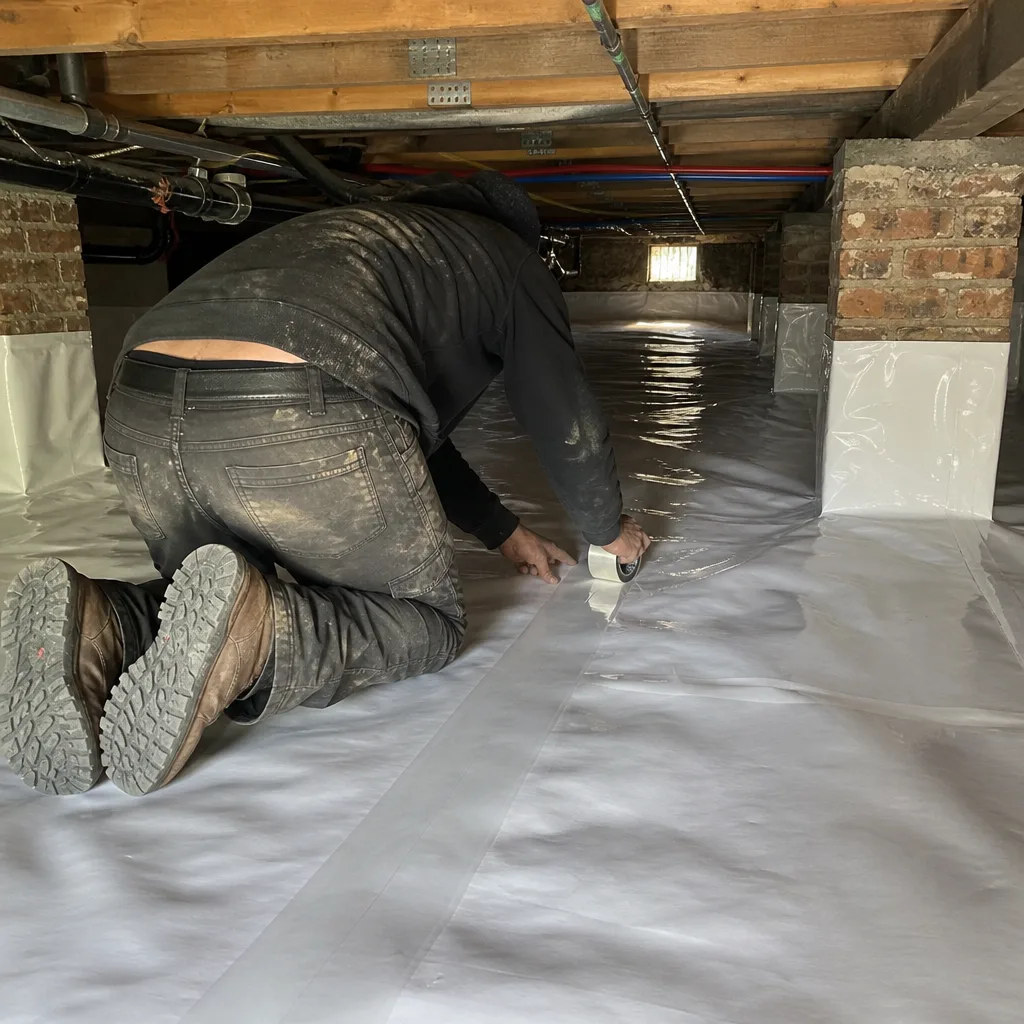
Walkthrough and measurement. You get a named technician in a uniform who measures the attic’s square footage, rafter spacing, access dimensions, and existing insulation depth. They also look at the ventilation path: soffit, ridge, gable, and any powered vents. Before they leave, they write the scope of work on the spot.
- 2
Written price before any work starts. Haven Standard Clause 1 applies here: flat price, written scope, written warranty, and you see it all before anyone lifts a tool. Most radiant barrier jobs are priced by attic square footage, plus any ventilation corrections you choose to bundle.
- 3
Air sealing checks first. The barrier goes up only after any top plates, can lights, and penetrations have been sealed. We will not staple a barrier over an unsealed attic floor. That’s not an upgrade; it’s the order of operations and it has been since 2016.
- 4
Barrier installation with an air gap. The foil is cut, stapled, or fastened to the rafter underside, keeping the reflective side facing the air space. We keep the surface taut but not stretched, tape seams where the system calls for it, and leave the required gap at the ridge and soffit so ventilation still moves air.
- 5
Documented photo record and final walkthrough. You get photos of the installed barrier, the ventilation points, and any air sealing that was done. On applicable jobs we include before-and-after blower-door readings, the pressurization numbers that show in one figure how much air the envelope was losing before and after. The 365-Day Done Right Promise is in writing before the crew leaves.
How Much Does Radiant Barrier Installation Cost in Chicago?
What drives the price: attic square footage, whether the barrier goes on rafters or on the floor, the number of penetrations that need cutting around, and the condition of the existing insulation and ventilation. The cheapest bid is usually a barrier stapled over an attic floor that’s never been air sealed, which is a shortcut we won’t take. The free estimate includes the measurements, the written scope, and the flat price. Call (218) 261-7714 and you’ll get a written price before any work starts, not after.
Radiant Barrier Installation Near Chicago - Our Service Area
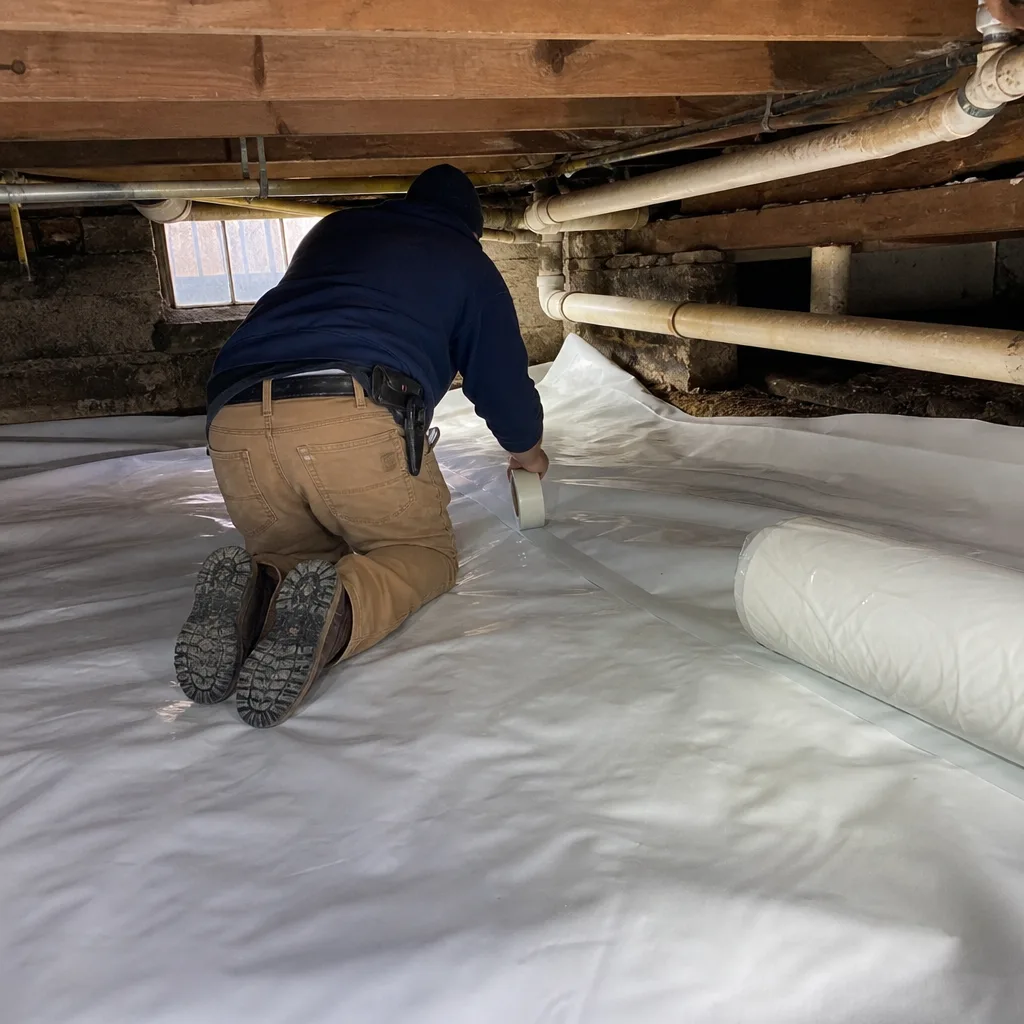
We run radiant barrier installations across the Chicago metro area daily: Evanston, Skokie, Oak Park, Berwyn, Cicero, La Grange, Naperville, Arlington Heights, Schaumburg, and the surrounding suburbs. Most calls we reach same day or next morning, and we carry the materials on the truck, so a single visit covers measurement, written price, and in many cases installation. If you’re in Houston or Dallas, our radiant barrier installation in Houston and radiant barrier installation in Dallas pages cover those markets. For a full look at this page’s parent topic, see radiant barrier installation in Chicago, and our home page outlines the complete service line.
Serving Chicago, IL - Our Local Coverage Area
We’re based in the Chicago area and know this community well. Use the map below to see our service coverage - if you’re nearby, we can almost certainly help.
Frequently Asked Questions - Radiant Barrier Installation in Chicago
What is radiant barrier installation?
Radiant barrier installation is the process of mounting a reflective foil material in your attic, either on the underside of roof rafters or over the attic floor, to reflect radiant heat before it can be absorbed by your insulation. The material works in the summer by bouncing heat from the roof back toward the outside, and in winter it reflects interior heat back down to reduce upward loss. It’s measured differently from insulation because a radiant barrier doesn’t add R-value; it addresses radiant heat transfer, which R-value doesn’t stop. Call (218) 261-7714 and we’ll tell you if your attic is a good candidate.
How long does radiant barrier installation take?
A standard radiant barrier installation in a 1,500 to 2,500 square foot Chicago attic takes one day, typically four to seven hours depending on access and rafter complexity. Larger attics with multiple slopes or limited headroom can stretch into a second day, but we’ll tell you before the job starts. The written scope includes the schedule, and you’ll get a call or text when the technician is on the way.
How much does radiant barrier installation cost in Chicago?
Most radiant barrier installations in Chicago run between $1,800 and $4,200, with smaller garage or knee-wall installations sometimes coming in under $1,500. The final price depends on attic square footage, barrier placement, access difficulty, and whether you bundle ventilation or air sealing work. You’ll receive a written, flat price before any work starts, with no estimate that turns into a range after the fact. Estimates are free.
Do you service Owens Corning and Johns Manville insulated attics?
Yes. We install radiant barriers over attics insulated with Owens Corning, Johns Manville, Knauf, Rockwool, and any other fiberglass, mineral wool, or cellulose product already in place. The barrier goes up without compressing the existing insulation, and we check the facing and vapor situation before the first staple. The brand under the barrier doesn’t change the install method, but it does change what we check, and we check it carefully.
Can you install a radiant barrier same day or in an emergency?
We answer calls 24/7 with a live person, and in most cases we can have a technician at your home the same day or next morning for measurement and written pricing. Same-day installation depends on the current schedule and the attic’s size, but the written price is available immediately regardless. If there’s an active heat or moisture problem in the attic, tell the person on the phone and we’ll prioritize the visit.
Is radiant barrier installation covered by a warranty?
Every radiant barrier installation is covered by the 365-Day Done Right Promise: if it’s not done right, we make it right. The written warranty is part of the scope you receive before work begins, not something emailed after the check clears. The Haven Standard means you have the warranty in writing before anyone lifts a tool.
How do I prepare for radiant barrier installation?
Clear a path from the attic access to where the technician will work, and if possible, remove any stored boxes or items near the access point. We’ll need clear access to the attic hatch or pull-down stairs, and we handle the rest: drop cloths, debris removal, and leaving the space cleaner than we found it. You don’t need to be home for the entire job, but we do need to reach you for a final walkthrough and the photo record handoff.
Schedule Your Radiant Barrier Installation Service in Chicago Today
Call (218) 261-7714 for a free estimate on radiant barrier installation in Chicago. You’ll get a written price before any work starts, a named technician, and a documented photo record when the job is done. Same-day visits are available in most neighborhoods, and a live person answers around the clock.
Written by Wes Okafor, Owner at Topside Attic Insulation, serving Chicago since 2016.