Fast, Reliable Attic Insulation Across Arlington Heights
Attic insulation in Arlington Heights costs $1.40 to $3.20 per square foot installed for blown-in fiberglass or cellulose, with a typical 1,200-1,800 sq ft ranch or split-level attic running $1,700-$4,800 total. Most jobs in the village are completed in one day. If your Arlington Heights home was built between 1955 and 1975, you likely have settled R-11 batts that are doing almost nothing to stop heat loss during Cook County’s sub-zero January nights. Call (218) 261-7714 for a written price before anyone lifts a tool.
Why Topside Attic Insulation Is Arlington Heights’s Preferred Attic Insulation Company
We know what’s above your ceiling before we even pull the attic stairs down. Arlington Heights’s housing stock is dominated by 1,200-1,800 sq ft ranch and split-level homes built during the postwar decade from 1955 to 1975. Nearly every one of them left the builder with R-11 fiberglass batts, open top plates, and no rim-joist sealing. That’s our baseline expectation when we arrive, and it means we quote the real scope upfront, not a surprise add-on after the blower door runs.
Our crews serve Arlington Heights directly, with dispatch and scheduling coordinated from our Chicago office. A live person answers the phone 24/7, and you’ll get a named technician with a text when they’re on the way. Under Attic Insulation work, the air sealing always comes first. We will not blow insulation over an unsealed attic floor. That’s not a sales tactic. It’s the only way the numbers move.
Every Arlington Heights job ends with a Documented Photo Record and, on applicable jobs, before-and-after blower-door readings. Since 2016, we’ve completed 9,000+ homes under The Haven Standard: written price, written scope, written warranty, every time.
Our Attic Insulation Services in Arlington Heights
Attic Insulation Top-Up
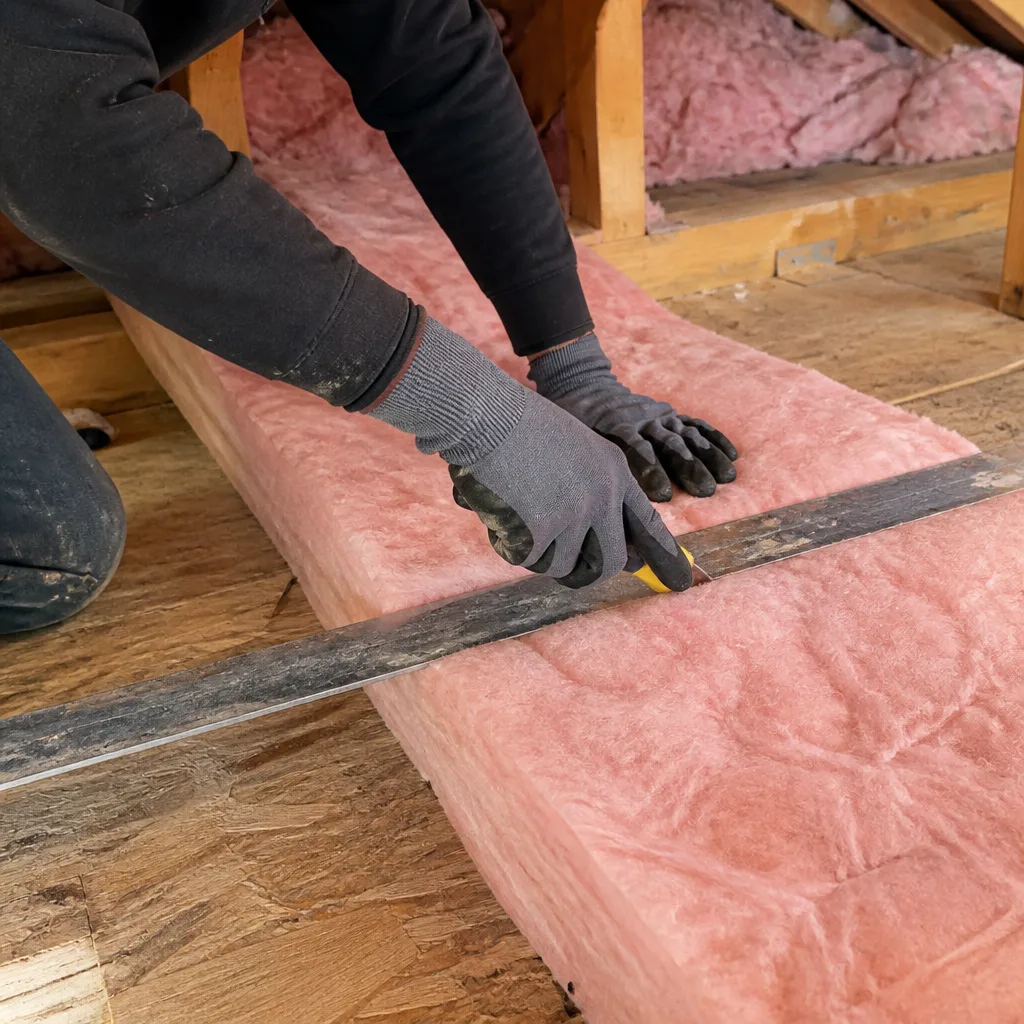
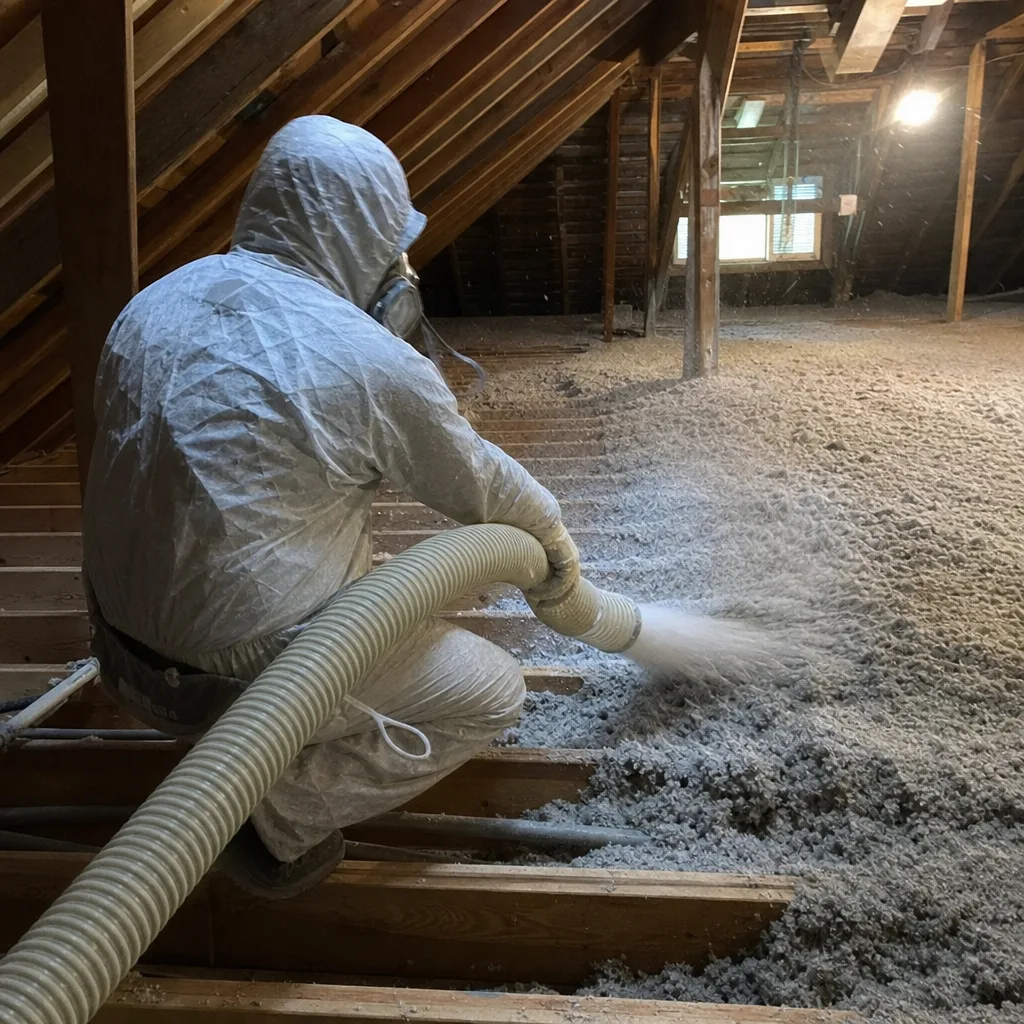
If your Arlington Heights attic already has batts but they’ve settled flat between the joists, a top-up brings the total depth to the R-49 that Climate Zone 5A requires. Most 1960s ranches in Arlington Heights have bare spots after 50 years of settlement. We blow Owens Corning or Knauf fiberglass directly over existing batts after sealing the top plates, can lights, and penetrations. Typical top-up on a 1,400 sq ft attic runs $1,100-$2,000.
Attic Insulation Replacement
When original R-11 batts have compressed to an inch or less, or when there’s rodent damage, mold, or old vermiculite, replacement is the better route. In Arlington Heights split-levels, we frequently remove batts that are 60 years old and holding moisture against the drywall. After removal, we air-seal every top plate and rim joist, then blow fresh insulation to R-49 or install Rockwool batts where fire resistance matters. Replacement on a split-level attic in Arlington Heights typically runs $2,800-$6,500 depending on square footage and existing material removal.
Attic Batt Insulation
For open attic floors in Arlington Heights’s balloon-frame homes near the Metra Union Pacific Northwest corridor, batts often aren’t the whole answer, but they do have a place. We use Knauf or CertainTeed fiberglass batts, and Rockwool when a homeowner wants better sound isolation or additional fire resistance near the furnace flue. Batts run slightly higher per square foot than blown-in, but they’re the right call for certain DIY-access areas and kneewalls in finished attics. Expect $1.80-$3.20 per sq ft installed.
Attic Baffles & Ventilation Prep
Before any insulation goes in on a mid-century Arlington Heights attic, the baffles have to be right. Arlington Heights homes built before 1975 almost always have soffit vents that are blocked by old batts or never existed in the first place. We install baffles at every rafter bay to maintain airflow from the soffits to the ridge or box vents, so the new insulation doesn’t trap moisture against the roof sheathing. Baffle installation and ventilation prep for a typical Arlington Heights ranch adds $400-$1,100 to a job, and it’s not optional if you want the insulation to perform and the sheathing to stay dry.
What happens when you call
- 1
A real person answersNo phone trees - you reach a local pro.
- 2
You get an upfront price rangeHonest numbers before anyone is dispatched.
- 3
A background-checked tech heads outLicensed & insured, dispatched right away.
- 4
You approve before work beginsNothing starts until you say go.
Trusted Brands We Service in Arlington Heights
We stock Knauf, Rockwool, and CertainTeed materials and can have them in your Arlington Heights attic the same week you call. We don’t lock customers into one proprietary product; we specify what actually suits the house. For most Arlington Heights attics, that’s blown-in Knauf fiberglass to R-49 over sealed top plates. For cantilevered floors above garages in split-levels, Rockwool batts cut to friction-fit in the joist bays work better than blown material. If you have a written estimate from another Arlington Heights contractor specifying Icynene or another spray foam, bring it to us. We’ll read it with you and give you a free second opinion.
Common Attic Insulation Problems We See in Arlington Heights Homes
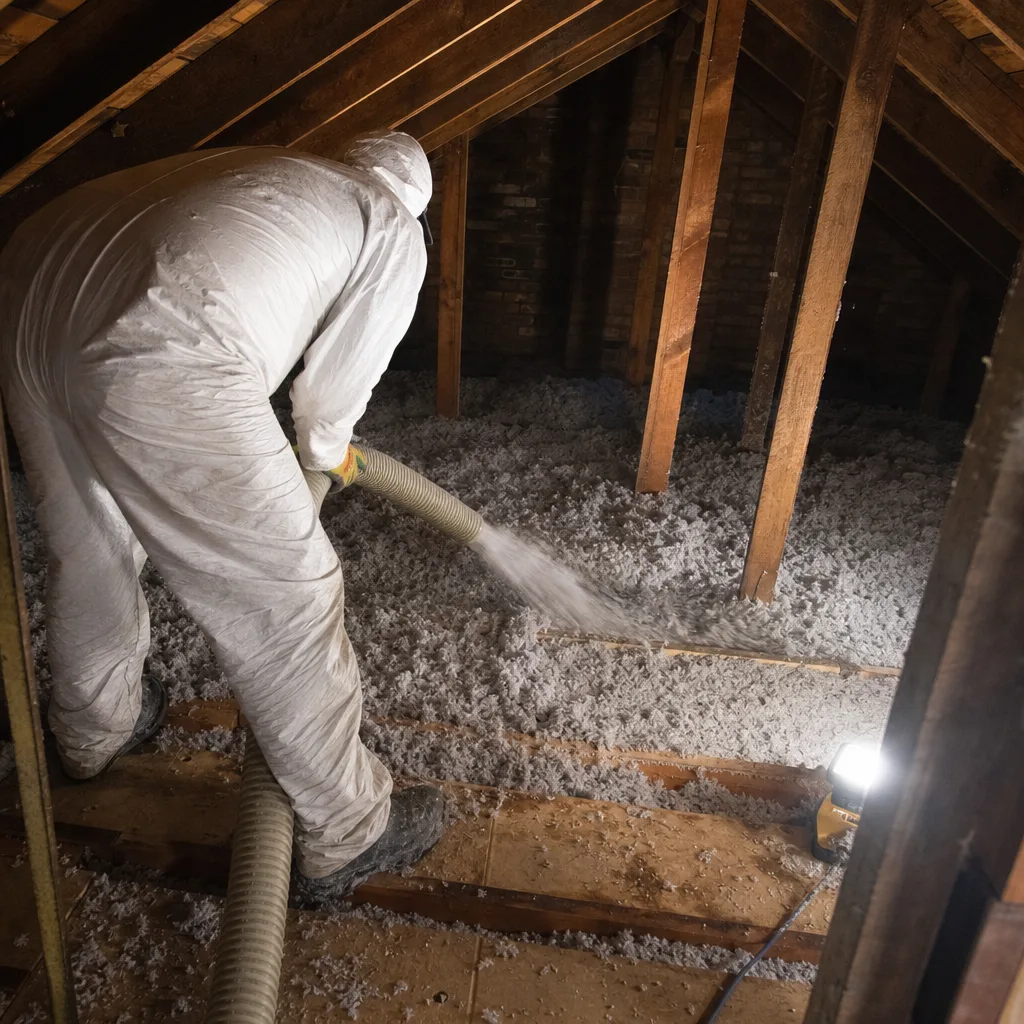
- Settled R-11 batts in 1955-1975 ranches and split-levels. Original fiberglass batts lose over half their loft within a couple decades. In Arlington Heights, that means your attic might have the equivalent of R-4 in spots. The fix is top-up or replacement after sealing.
- Uninsulated and ungasketed attic access hatches. The pull-down stair or hatch in an Arlington Heights hallway ceiling acts like an open chimney. Heated air pours through it into the attic all winter. We build insulated, gasketed hatches on nearly every job.
- Cantilevered floor cavities over attached garage slabs. The split-level layout that defines so much of Arlington Heights’s mid-century housing has a chronic flaw: the floor assembly bridging the garage and the living level is empty or holds one paper-backed batt. That’s why your kitchen floor is freezing in January. This is one of the most common findings we document in photos before sealing and insulating the cavity.
- Balloon-frame open stud bays near the downtown and Metra corridor. Pre-1920s Arlington Heights homes have wall cavities that run from the basement to the attic with no fire blocking. Air moves floor to floor without interruption. Those homes need drill-and-fill dense-pack cellulose from the attic side, not standard batt work.
Pricing for Attic Insulation in Arlington Heights, IL
Most attic insulation jobs in Arlington Heights run between $1,700 and $4,800 for a typical 1,200-1,800 sq ft single-family home. Top-ups on ranch attics with existing batts sit at the lower end; full replacements with air sealing, baffle work, and cantilever floor insulation on split-levels land at the upper end. Homes near the historic downtown with balloon-frame construction and drill-and-fill requirements can reach $6,500 or more. Every price we give in Arlington Heights is a written flat price under The Haven Standard. You get a written scope and written warranty before anyone starts. Call (218) 261-7714 and we’ll schedule the visit and send the number in writing.
We Also Serve Cities Near Arlington Heights
Arlington Heights is central to our northwest-suburban service route. Beyond the village, our attic insulation crews regularly work in Des Plaines, Schaumburg, Skokie, and Chicago. If you’re in one of those communities and dealing with the same pre-energy-code housing stock, the same written-price standard applies. We coordinate from one office, and a live person answers around the clock.
Serving Arlington Heights, IL - Our Local Coverage Area
We’re based in the Arlington Heights area and know this community well. Use the map below to see our service coverage - if you’re nearby, we can almost certainly help.
FAQs - Attic Insulation in Arlington Heights
An Arlington Heights home built in the 1960s almost always needs to go from R-11 or less to R-49, which is the current Climate Zone 5A attic requirement for Illinois. That means roughly 16-18 inches of blown-in fiberglass or cellulose over a sealed attic floor. Most 1960s ranches in Arlington Heights also need air sealing at the top plates and rim joists before any new insulation goes in. Call (218) 261-7714 and we’ll give you a written price for your specific attic.
No. Attic insulation alone will not fix cold floors above a garage. The problem in Arlington Heights split-levels built between 1955 and 1975 is the cantilevered floor assembly that bridges the garage slab and the main living level. That cavity is routinely empty or holds one collapsed batt. We insulate that cavity with friction-fit Rockwool batts and seal the rim joist from the garage side, which addresses the cold floor directly. Attic insulation handles the ceiling above, but the cantilever is a separate cavity and has to be treated as its own job within the same visit.
Arlington Heights follows Cook County building code, which does not explicitly mandate air sealing as a standalone permit item, but current energy code compliance for attic insulation retrofits effectively requires it to meet performance standards. More practically, blowing insulation over an unsealed attic floor wastes the material and leaves the thermal bypasses intact. Under our standard, air sealing of top plates, can lights, and penetrations always happens before insulation goes in. The blower-door numbers tell the story: typical Arlington Heights ranch reads 3,200-5,000 CFM50 before sealing and drops by 30-50% after.
Balloon-frame homes built in the 1900s-1920s near Arlington Heights’s historic downtown and the Union Pacific Northwest line have wall stud bays that run uninterrupted from the basement to the attic. That means attic insulation alone won’t stop air movement through the walls. These homes need the open stud bays addressed from the attic side with dense-pack cellulose drilled and filled down the wall cavities. It’s a different scope, a different material, and a different price than a standard blown-in job. We’ll tell you which situation you have after one look in the attic and one look at the framing.
Yes, but only if air sealing is done first. Ice dams form when warm air leaks into the attic, heats the roof deck, and melts snow that refreezes at the eaves. Arlington Heights gets around 36 inches of snow a year and January lows below 0°F, so the conditions are right for ice dams on low-slope ranch roofs. Sealing the attic floor stops the warm air from reaching the roof deck; insulation keeps the attic cold. Together they reduce the temperature differential that drives ice dam formation. The two have to happen in that order.
Call Topside Attic Insulation for Attic Insulation in Arlington Heights
You’ll get a written price before any work starts. You’ll get photos of what we found and what we did. You’ll get blower-door numbers before and after on applicable jobs. If it’s not done right, we make it right within 365 days under the Done Right Promise. Call (218) 261-7714 now. A live person answers, 24/7.
Written by Wes Okafor, Owner at Topside Attic Insulation, operating under The Haven Standard since 2016.
Attic Insulation in Nearby Areas