
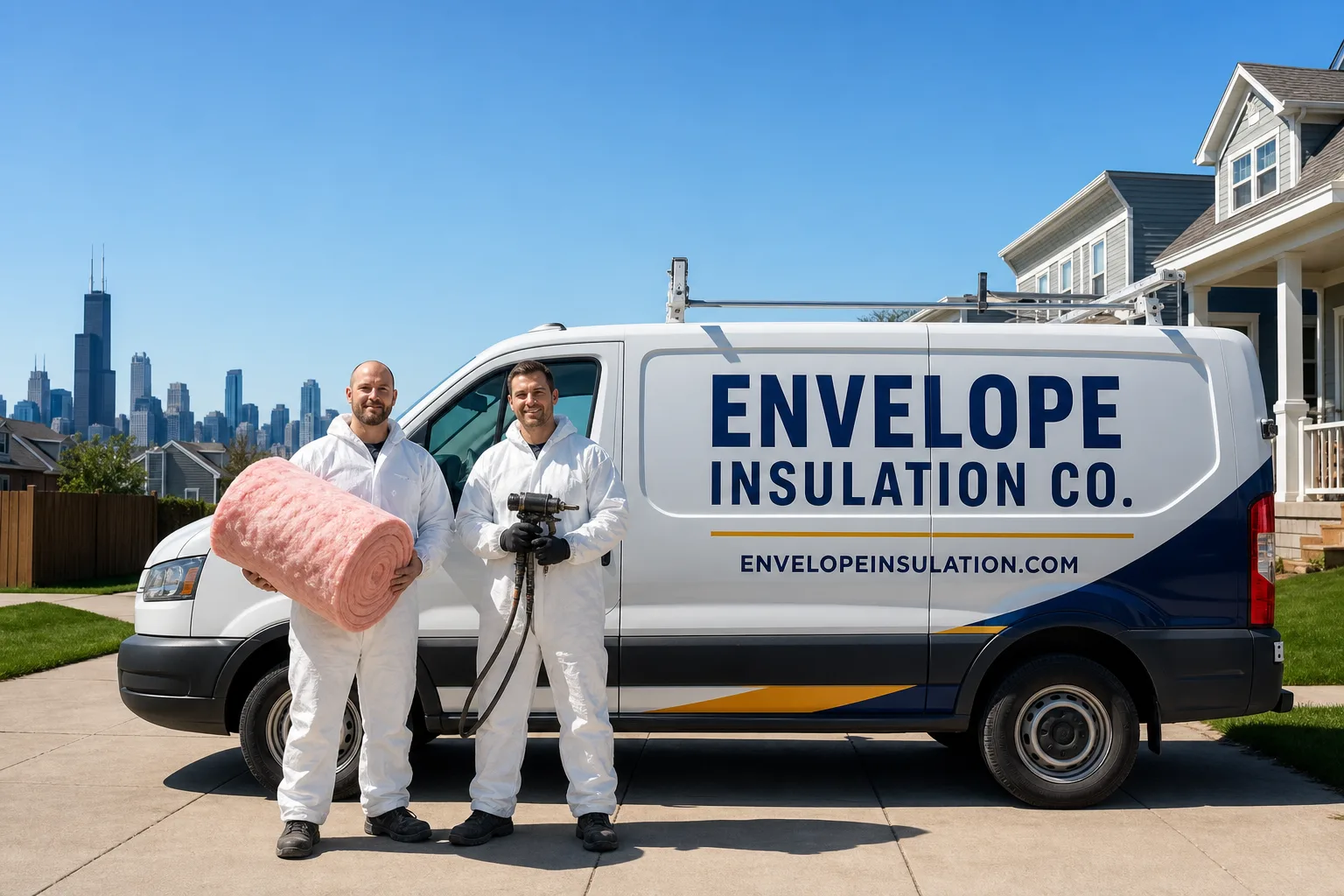
Fast, Reliable Attic Insulation Across Miami
Most attic insulation jobs in Miami run between $1,900 and $4,800, and the crew that shows up matters more than the brand on the bag. We work in Coconut Grove, Kendall, Shenandoah, and all of Miami-Dade, and the first thing we check on any job is whether the existing material carries a Miami-Dade Notice of Acceptance. Without it, the installation fails inspection at the permit card, no matter how well it was blown. Call (218) 261-7714 for a written price before anyone starts.
Our crews know Miami’s inward vapor-drive climate and its HVHZ wind-load rules. That local knowledge changes which insulation goes in and how the attic is prepped. We do not copy a national attic spec and hope for the best. We build the assembly Miami-Dade inspectors will pass.
Why Topside Attic Insulation Is Miami’s Preferred Attic Insulation Company
Miami homeowners call us because we publish the numbers other contractors keep private. Before-and-after blower-door readings – a pressurization figure that shows, in a single number, how much conditioned air is escaping – go on every applicable job. A 4,200 CFM50 reading before sealing and 2,100 after is evidence, not adjective. That is the Haven Standard we have operated under since 2016: a written price before work starts, a documented record when the crew leaves.
Our Miami office dispatches background-checked, uniformed technicians to neighborhoods from Brickell to Westchester. A live person answers the phone 24/7. When you call, you get a schedule window and a named technician, not a callback sometime in the next business day. Miami customers read the three-star reviews as carefully as the five-star ones, and our record shows we do not ghost after the check clears. The 365-Day Done Right Promise is in writing, and 9,000+ homes sealed and insulated since 2016 is the track record behind it.
Wes Okafor built Topside Attic Insulation on a simple premise: air sealing is not an upsell, it is the prerequisite. We will not blow insulation over an unsealed attic floor in any Miami home. Top plates, can lights, and penetrations get sealed before any insulation lands. In a city where dew points routinely exceed 75°F, skipping that step means trapping moisture inside your attic assembly, and mold follows within months.
Our Attic Insulation Services in Miami
Blown-In Attic Insulation
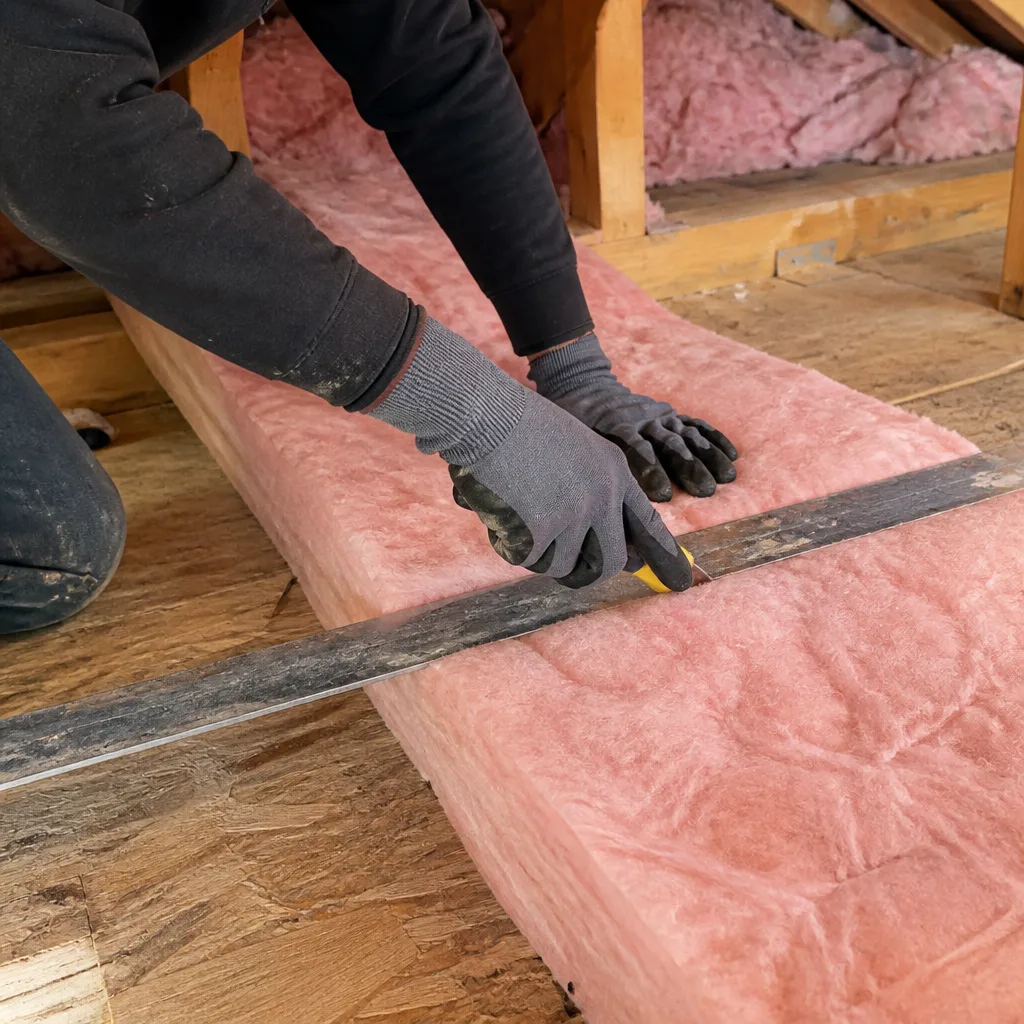
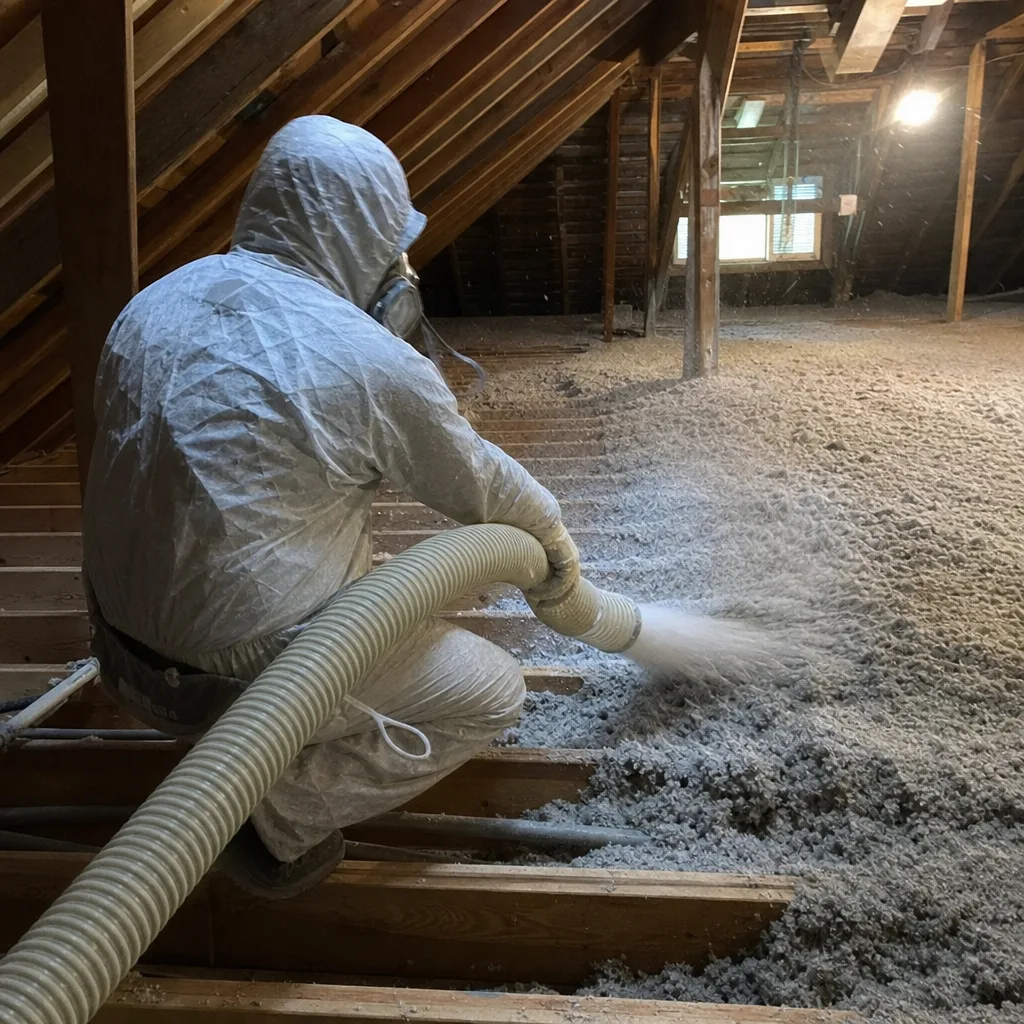
For vented attics in Miami, blown-in fiberglass or cellulose is the go-to, but only after air sealing and only with an NOA-listed product. In Shenandoah and Allapattah, we regularly open attics where blown-in fiberglass slumped from R-30 to R-9 under years of 140°F attic heat. We install to the full depth specified in writing, with a photo record of the settled inches. Most blown-in jobs in Miami run $1,900 to $3,600 depending on square footage and existing depth.
Attic Batt Insulation
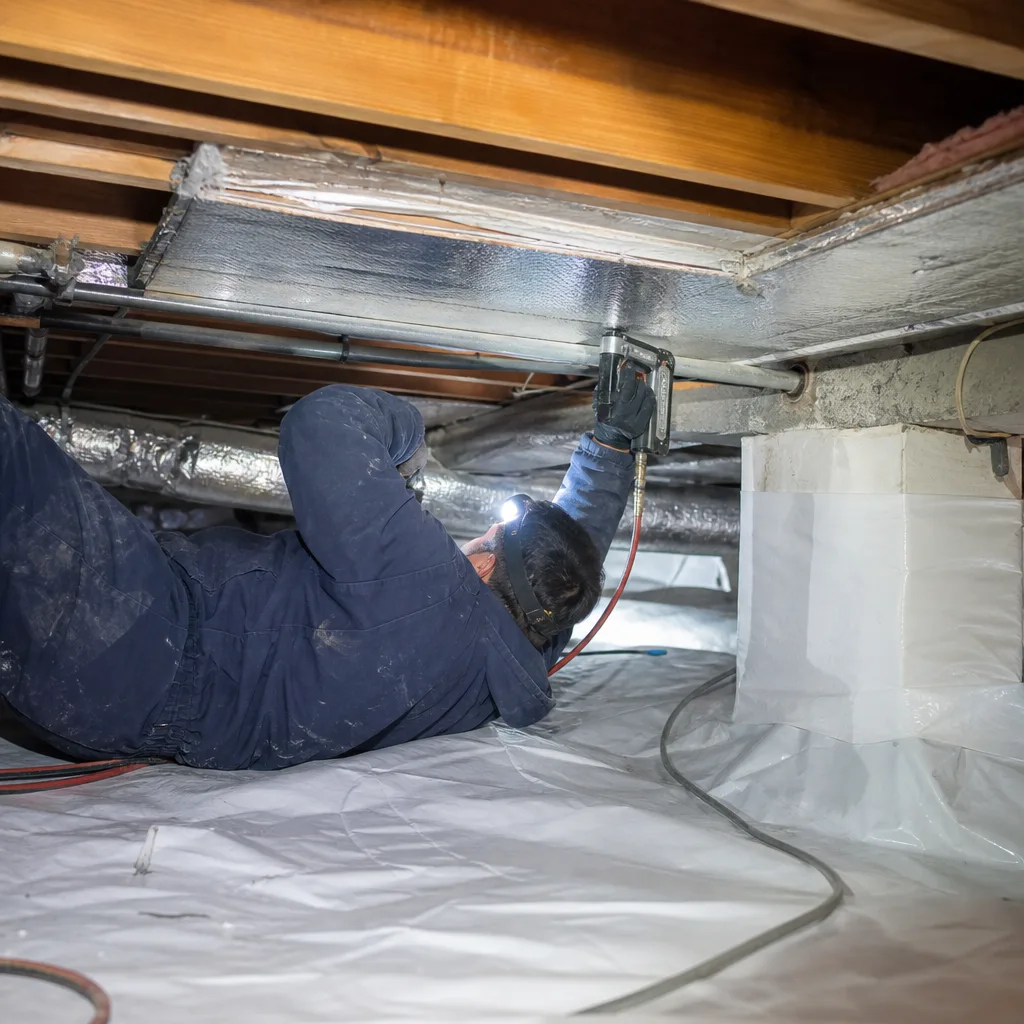
Batt insulation has a narrow role in Miami attics. If your home is post-Hurricane Andrew construction with a vented attic and a clean, accessible ceiling plane, unfaced batts from Knauf or CertainTeed can work. But faced batts with a vapor retarder on the interior side are the wrong call in Miami’s inward vapor-drive climate. That detail fails building science here and causes mold in unvented assemblies. We will not install it that way.
Attic Insulation Top-Up
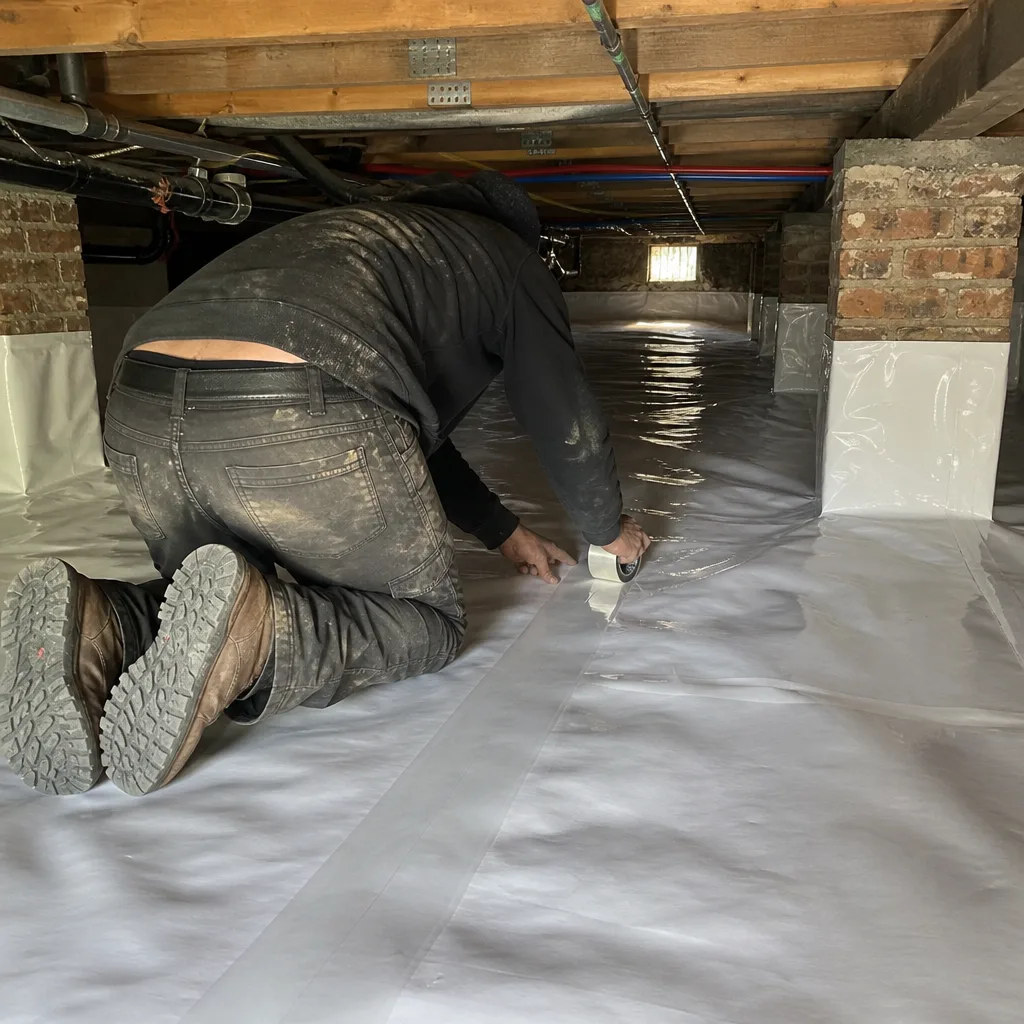
If your existing insulation is Code-minimum and you want more performance, a top-up in Miami runs $1,200 to $2,400. We verify the existing material is dry, NOA-listed, and not hiding an unsealed ceiling plane before we bury it. Adding R-value over an unsealed floor is a misallocation of money; in Miami’s humidity, it also traps moisture where you cannot see it.
Attic Insulation Replacement
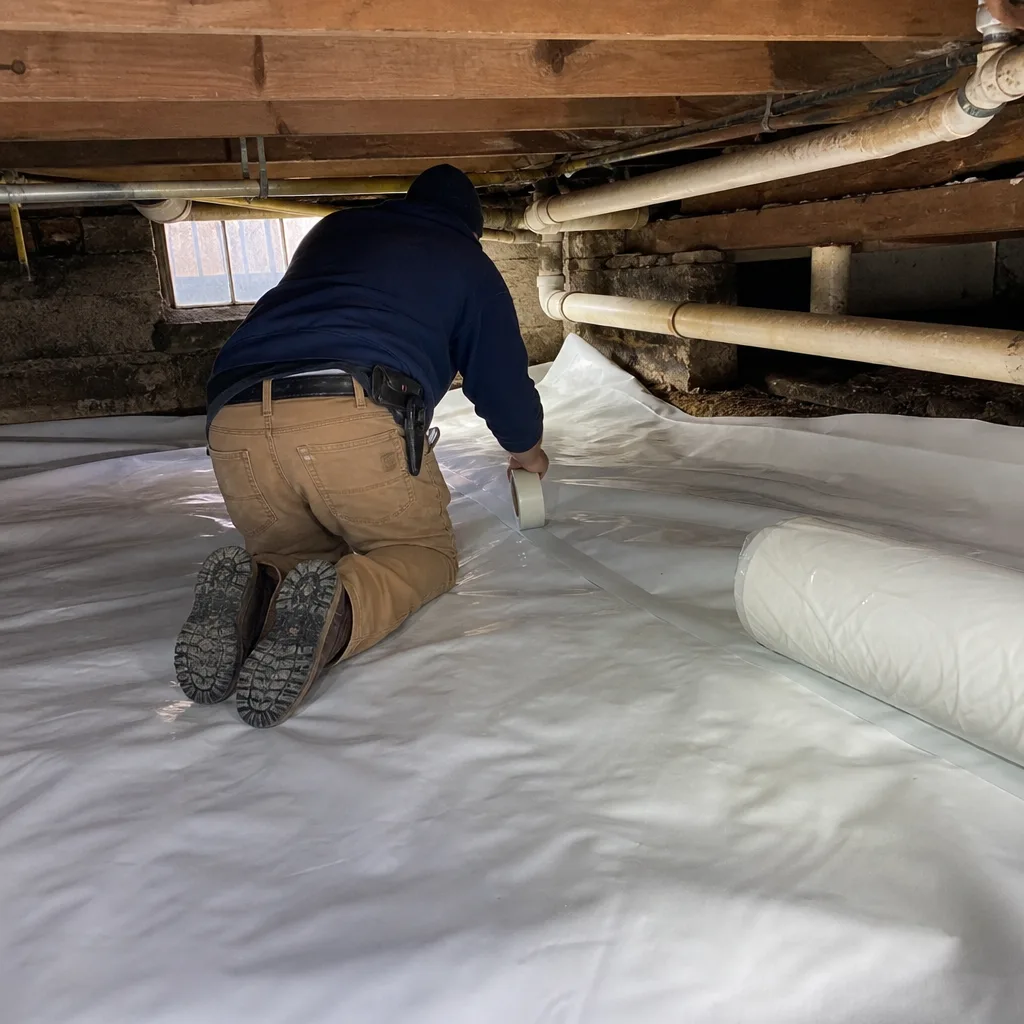
When old insulation is damp, moldy, rodent-damaged, or lacking an NOA, replacement is the only path. Most full replacements in Miami run $2,800 to $4,800. We remove the old material, air-seal the ceiling plane or roof deck, and install Rockwool, Demilec closed-cell spray foam, or Knauf blown-in product, depending on the assembly. A Documented Photo Record covers every step, and we hand you the written scope before the first bag comes off the truck.
What happens when you call
- 1
A real person answersNo phone trees - you reach a local pro.
- 2
You get an upfront price rangeHonest numbers before anyone is dispatched.
- 3
A background-checked tech heads outLicensed & insured, dispatched right away.
- 4
You approve before work beginsNothing starts until you say go.
Attic Baffles & Ventilation Prep in Miami
Attic ventilation in Miami is a trade-off. In vented attics, baffles keep soffit vents open when insulation is blown deep, but in torrential rain events, wind-driven moisture can enter through soffit vents and wet the insulation. That is one reason unvented closed-cell spray foam assemblies have become the regional best practice: they keep outside air outside, which in Miami means keeping humidity outside. We install baffles correctly when the assembly calls for them, and we explain why before we touch anything. The Attic Insulation team will tell you honestly if your home is a candidate for an unvented retrofit or if ventilation upgrades are the better path.
Trusted Brands We Service in Miami
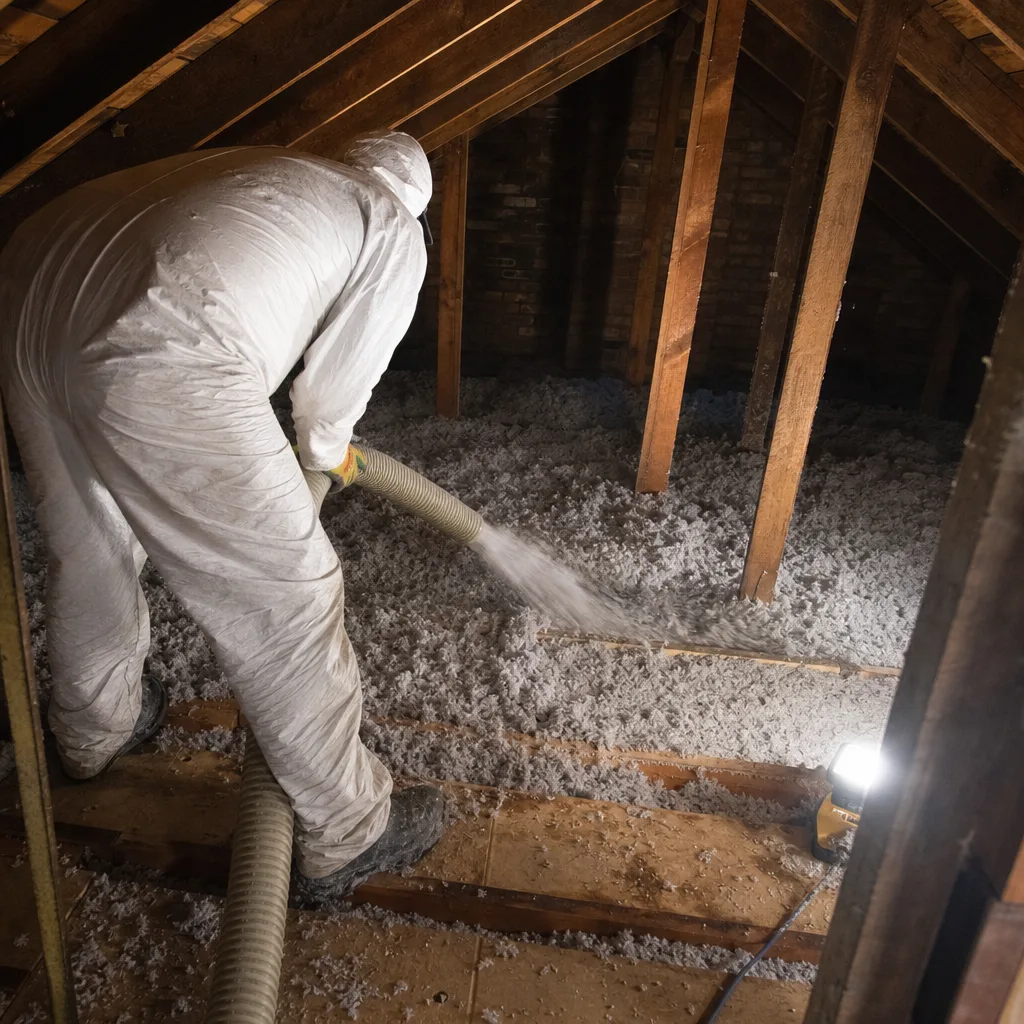
We install attic insulation from Knauf, Rockwool, CertainTeed, Icynene, Demilec, Owens Corning, and Reflectix in Miami, and we do not lock you into one proprietary product. What we do insist on is the NOA. A material that is ICC-listed but absent from the Miami-Dade NOA database is an out-of-code installation in this county, and local inspectors catch it on the permit card every time. Our Miami crews stock materials that carry the required Miami-Dade acceptance so we are not waiting on a shipment when your attic is open. If you have a written estimate from another contractor, bring it in – we will read it with you under our Free Second Opinion policy. No pressure, no product push. Just the documented record of what will be installed and why.
Common Attic Insulation Problems We See in Miami Homes
- Out-of-state products without an NOA. Crews from other markets install nationally listed insulation that was never tested for HVHZ wind uplift. It fails at inspection, and the homeowner pays to remove it and start over.
- Interior-side vapor retarders. Miami’s inward vapor drive pushes moisture toward the air-conditioned interior. A vapor retarder placed on the interior side of an attic assembly traps that moisture in the wall or ceiling, and mold shows up within months.
- Settled blown-in fiberglass in 1960s CBS homes. In Shenandoah, Coconut Grove, and the Roads, we see attics where fiberglass slumped to R-9 under decades of heat. The ceiling is sealed to the 2021 building code, but the insulation is a decade past useful.
- HVAC equipment baking in vented attics. Miami attic air regularly exceeds 140°F in August. Ducts and air handlers in superheated attic air add real load to your cooling system. Unvented spray foam assemblies move that equipment into conditioned space and cut the thermal penalty.
Pricing for Attic Insulation in Miami, FL
Here are the ranges we charge in Miami for typical single-family homes, with a written scope before any work starts:
- Blown-in attic insulation (1,200-1,800 sq ft attic): $1,900-$3,600
- Attic insulation top-up (add R-19 to existing): $1,200-$2,400
- Attic insulation replacement (full removal + new): $2,800-$4,800
- Unvented closed-cell spray foam on roof deck (1,200-1,800 sq ft): $4,500-$8,200
- Air sealing (top plates, can lights, penetrations): $800-$1,600
What changes the number: attic square footage, access difficulty, whether old material needs removal, and whether you are going vented or unvented. The price we quote is the price you pay – written, flat, and delivered before anyone lifts a tool. Call (218) 261-7714 for a free estimate, and you will get exact numbers, not a range.
Miami-Dade’s NOA Requirement and Why It Changes Everything
Miami-Dade County is the only county in the continental US that requires every insulation product installed in attics to hold a Miami-Dade Notice of Acceptance for High Velocity Hurricane Zone compliance. A national ICC or UL listing alone will fail inspection if the product is not in the county’s NOA database. We check the NOA before we quote. It is the first line of the written scope.
Last August, our crew re-insulated a 1962 CBS home in Shenandoah where the attic had blown-in fiberglass that had slumped to R-9. We removed the old material, air-sealed the ceiling plane, and installed Demilec closed-cell spray foam on the underside of the roof deck – an unvented assembly that keeps HVAC ducts out of 140°F attic air and stops Miami’s inward vapor drive. The homeowner had previously failed a re-roof inspection because the existing insulation lacked an NOA. Our foam carries the required Miami-Dade acceptance, and the final went through without a correction.
That is the difference between a national attic insulation spec and what actually passes in Miami. We never blow insulation over an unsealed attic floor, and we never install material that lacks the NOA for HVHZ wind uplift. If a competing contractor’s written estimate does not mention the NOA, you already know what the inspection is going to say.
We Also Serve Cities Near Miami
Our crews serve Attic Insulation in Miami plus Miami Beach, Hialeah, Miami Gardens, and Hollywood. Same-day emergency response for failed inspections or post-storm damage is available across the metro area. The NOA requirement applies throughout Miami-Dade County, so the same material rules apply wherever you are within our service area.
Serving Miami, FL - Our Local Coverage Area
We’re based in the Miami area and know this community well. Use the map below to see our service coverage - if you’re nearby, we can almost certainly help.
FAQs - Attic Insulation in Miami
Because Miami-Dade County’s High Velocity Hurricane Zone designation makes the NOA a legal requirement, not a preference. Any insulation product installed in a Miami attic must appear in the county’s NOA database, regardless of its ICC or UL listing. If it is not there, the inspector fails the job at the permit card, and you are paying to remove the material and start over. We verify the NOA before we quote. Call (218) 261-7714 and we will check the spec you were given.
No. In Miami’s inward vapor-drive climate, hot humid outdoor air pushes moisture toward your air-conditioned interior. A vapor retarder placed on the interior side of an attic assembly traps that moisture and causes mold within months. This is the opposite logic from northern climates. Our Miami installs use vapor-open or vapor-closed assemblies only where the building science supports them, never by default.
Only in limited circumstances. CBS homes built from the 1950s through the 1980s have solid masonry walls with no stud cavity, so batt insulation cannot go into the walls. In the attic, unfaced batts can work for vented attics with a clean ceiling plane, but not as a default. Most Miami homes do better with blown-in insulation or closed-cell spray foam. The right answer depends on the assembly, and we explain it in writing before you pay anything.
In a vented attic, wind-driven rain can blow through soffit vents and wet the insulation, causing settling, mold, and lost R-value. Insulation without an NOA is also a compliance failure if the home requires a post-storm permit or inspection. Unvented closed-cell spray foam on the roof deck removes the soffit-vent vulnerability and keeps the attic interior protected from wind-driven moisture. If your attic took water during a storm, call (218) 261-7714 – we will assess the material and give you a written scope for replacement, not a vague estimate.
For most post-1992 Miami homes, yes. An unvented attic with closed-cell spray foam applied to the underside of the roof deck moves HVAC equipment out of superheated attic air, blocks Miami’s constant inward vapor drive, and eliminates the soffit-vent vulnerability that wind-driven rain exploits. It does cost more than blown-in insulation in a vented attic. The right call depends on your roof assembly, your budget, and your existing duct layout. We walk you through both options with real numbers for your home, and the price is in writing before anyone starts.
Call for a Written Price - Not a Ballpark
We do not ask you to call for a quote; that is not how Topside Attic Insulation works. Under Haven Standard Clause 1, every job begins with a written price, a written scope, and a written warranty before anyone lifts a tool. You get a Documented Photo Record when the crew leaves, and on applicable jobs, before-and-after blower-door readings. Call (218) 261-7714 now for a free estimate, or bring us a competing written quote and we will read it with you under our Free Second Opinion policy. The number is on the page. The documentation comes when we arrive.
Written by Wes Okafor, Owner at Topside Attic Insulation, serving Miami residential attics since 2016 under The Haven Standard.