
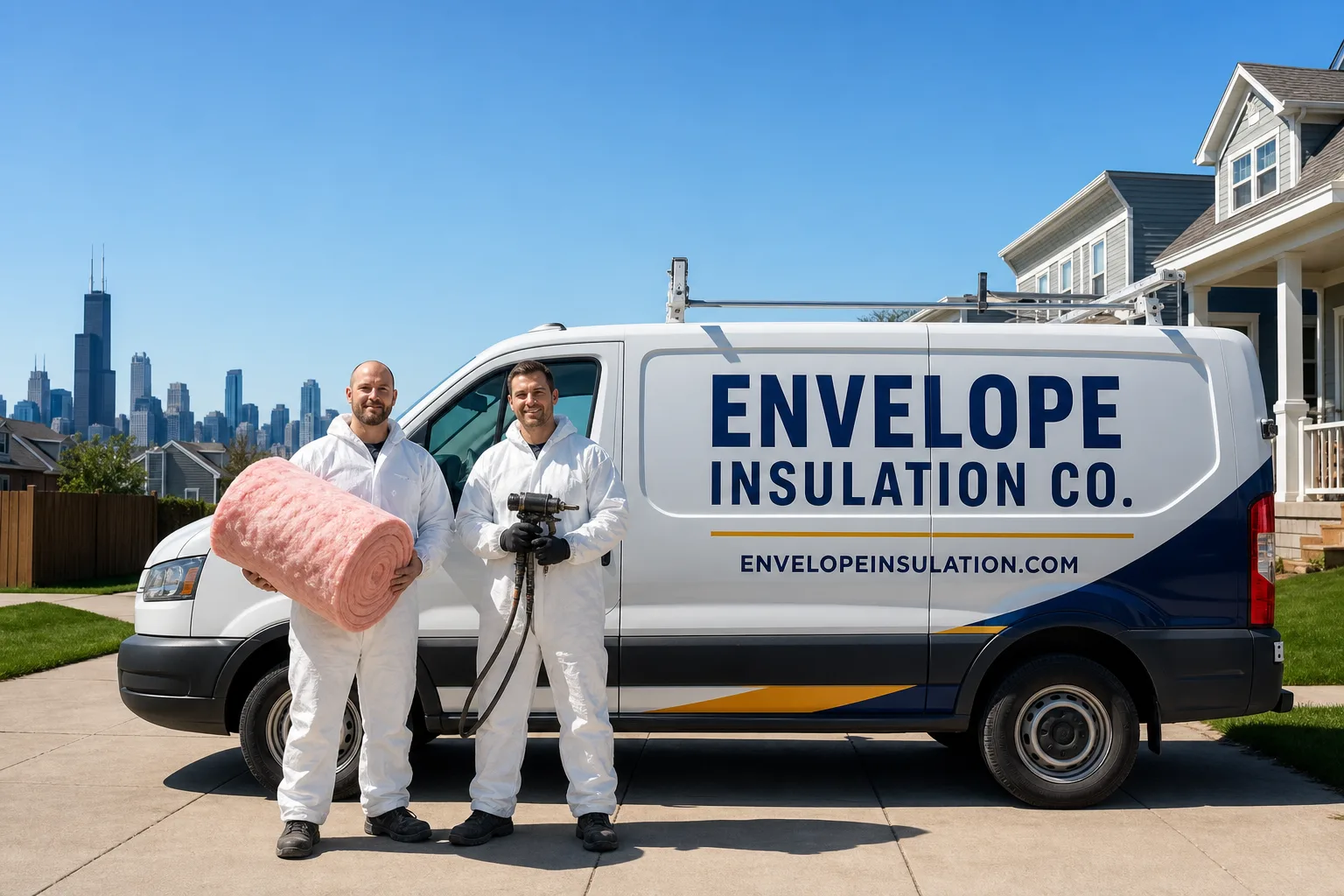
Fast, Reliable Attic Insulation Across Newark
Attic insulation in Newark means working with row houses and three-story wood-frame walkups that were built before modern building codes existed. Most of these homes in the Ironbound, Forest Hill, and the North Ward lose conditioned air through balloon-frame stud cavities that run uninterrupted from the basement sill plate all the way to the roof sheathing. Our crews service Newark daily with same-day dispatch and a live person answering calls at (218) 261-7714. We know which attics have vermiculite, which party walls run hot, and where fire-blocking will be required before the inspector signs off.
Key Takeaways:
- Blown-in attic insulation in a typical Newark row house runs $1,800-$4,200 depending on square footage and whether abatement is needed.
- Most Newark attics need air sealing before insulation goes in. We do it in that order, every time.
- Pre-1940 balloon-frame construction means open stud bays and mandatory fire-blocking on many jobs.
- We publish before-and-after blower-door numbers on every applicable job so you can see the actual reduction in air leakage.
Why Topside Attic Insulation Is Newark’s Preferred Attic Insulation Company
Since 2016, we’ve sealed and insulated over 9,000 homes under The Haven Standard, which means one thing in practice: a written price before any work starts and a documented record when the crew leaves. Newark homeowners read our three-star reviews as closely as our five-star ones. They see the same pattern in both: our crews show up on schedule, we name the technician before they arrive, and the blower-door test reads lower after we leave than it did when we pulled up.
We work the tight streets of the Ironbound, the steep alleys behind Ferry Street, and the narrow driveways of Forest Hill. Our dispatchers coordinate from our New York City office, but the crews serving Newark are local to the metro and know the parking constraints and access issues that come with attached housing. You’ll get a text when your technician is en route, not a four-hour window.
Our Attic Insulation Services in Newark
Blown-In Attic Insulation
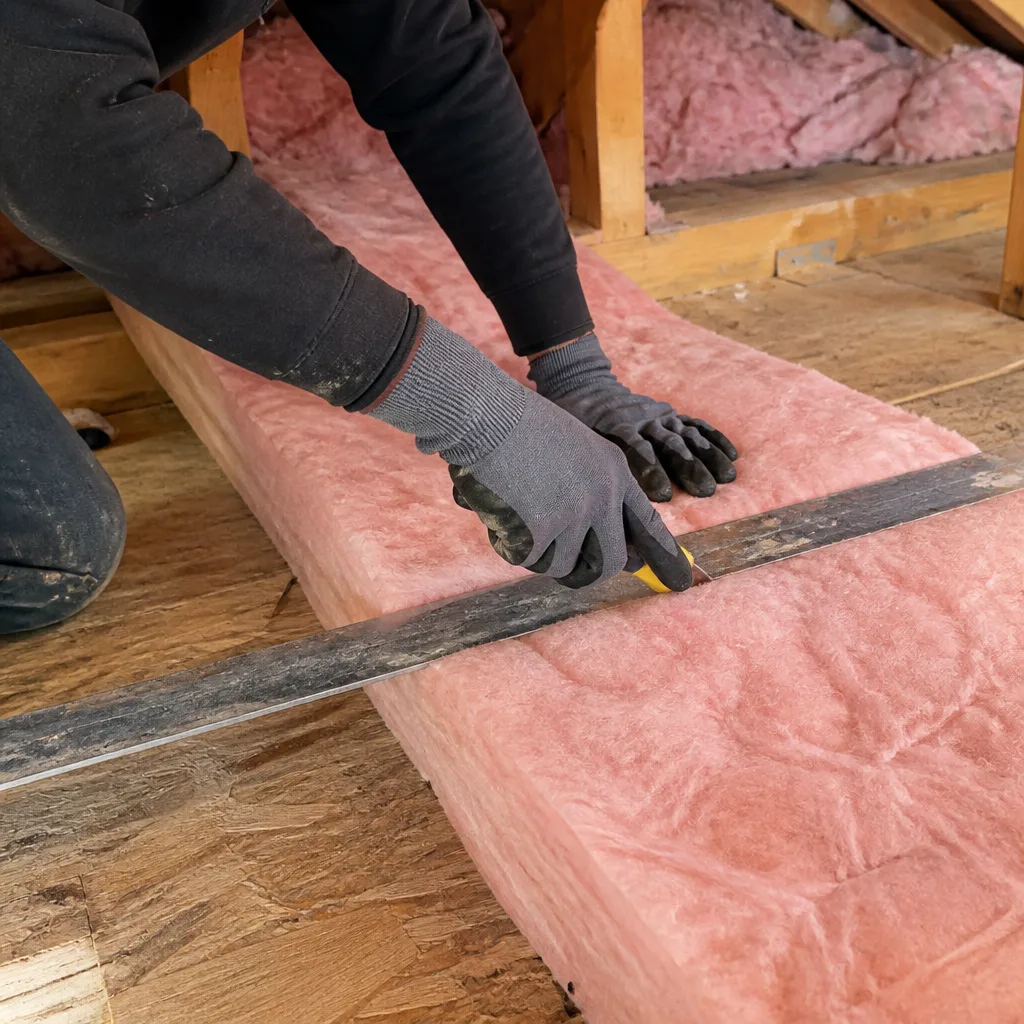
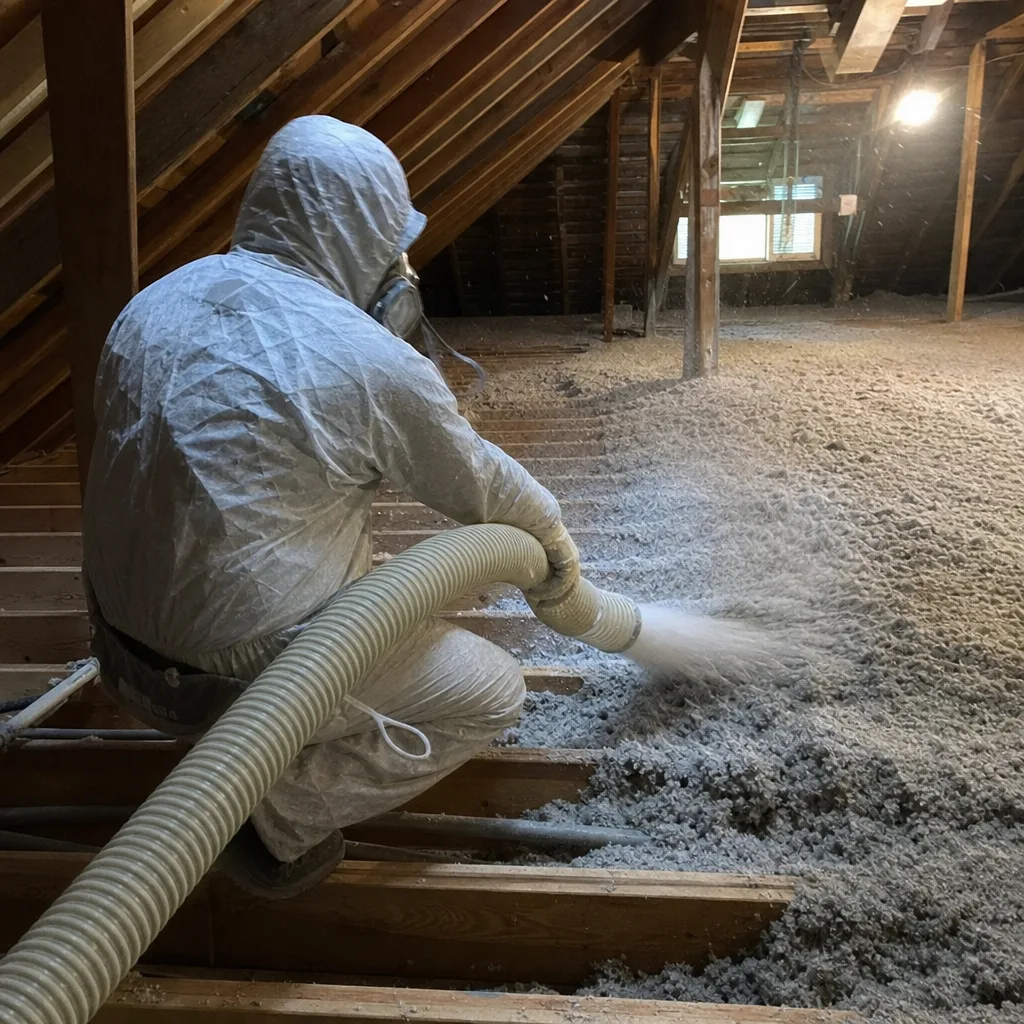
For most Newark attics, blown-in fiberglass or cellulose is the only retrofit method that makes sense. The access hatches in these pre-1940 row houses are small, often 22 inches square, and batt rolls simply won’t fit through them. We run a fill tube through the hatch or a gable vent and dense-pack the attic floor from inside. Before any material goes down, we air seal every top plate, can light, and plumbing penetration. Blowing insulation over an unsealed attic floor is how you get R-49 with the performance of R-19. In Newark’s Climate Zone 4A, that sealed layer is what stops the stack effect from pulling conditioned air out of your living space and through the roof.
Attic Batt Insulation
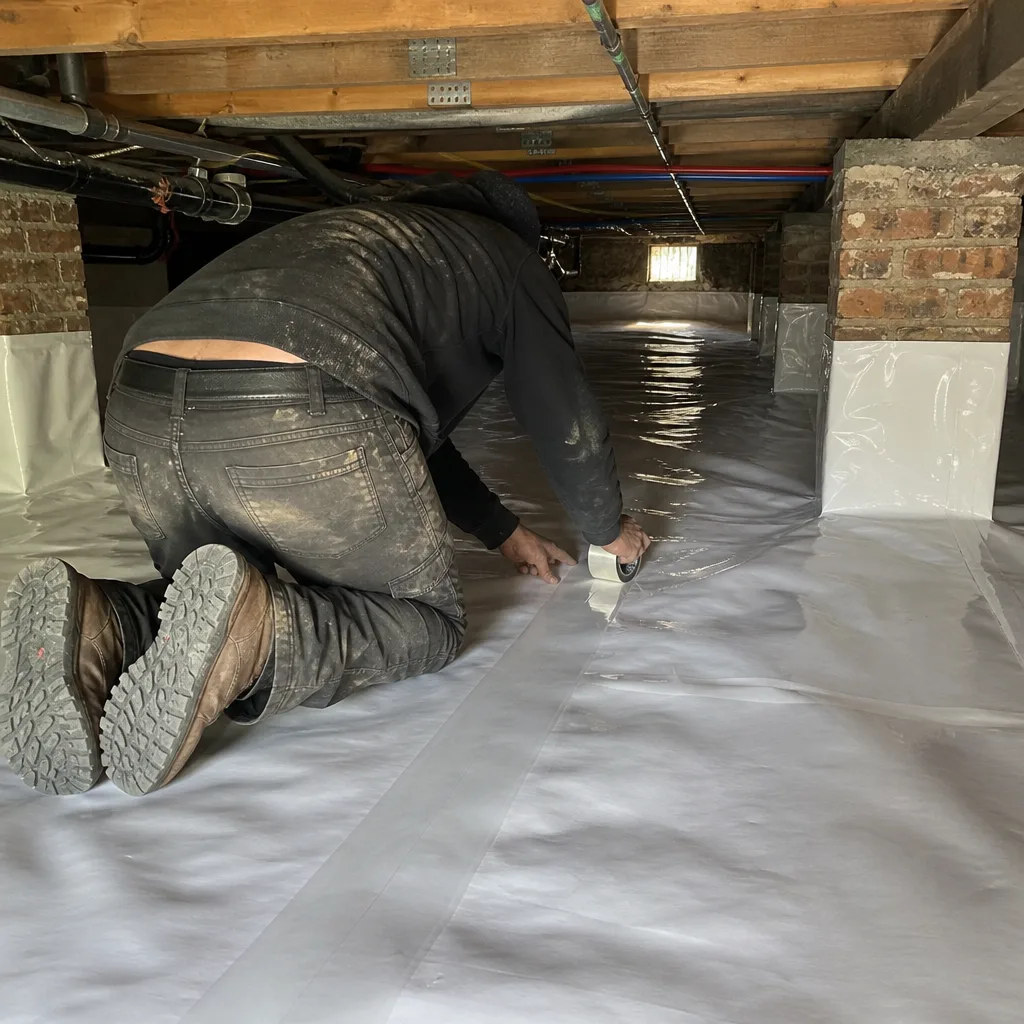
Batt insulation makes sense when you have an open attic with full headroom, which you’ll find in some of Newark’s freestanding Victorians in Forest Hill and the larger two-families near Branch Brook Park. We use Johns Manville and CertainTeed batts cut to fit the irregular joist bays common in older framing. Batt work in Newark attics often pairs with air sealing because the original sheathing has gaps you can see daylight through. Under The Haven Standard, sealing happens first.
Attic Insulation Top-Up
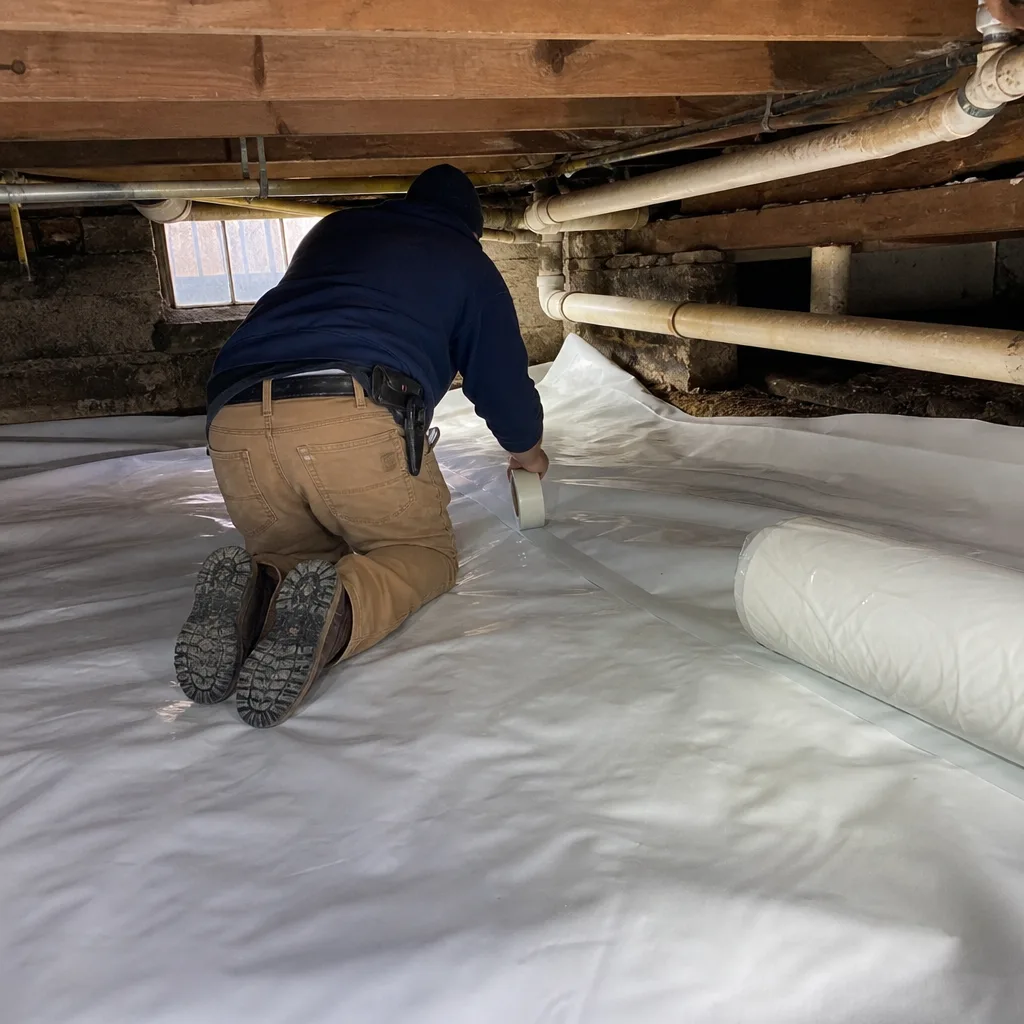
If your Newark attic already has insulation but it’s settled below the joist tops, a top-up is the fastest fix. We see this constantly in the North Ward and the Ironbound, where original rock wool or early fiberglass has compressed to three inches or less. We’ll measure what’s there, document it with photos, and blow additional material on top to bring the assembly to code-compliant R-49 for Zone 4A. We never top up over batts that have mold or rodent damage. If the existing layer is compromised, we’ll tell you and recommend removal first. You’ll get the written price for either path before any work starts.
Attic Insulation Replacement
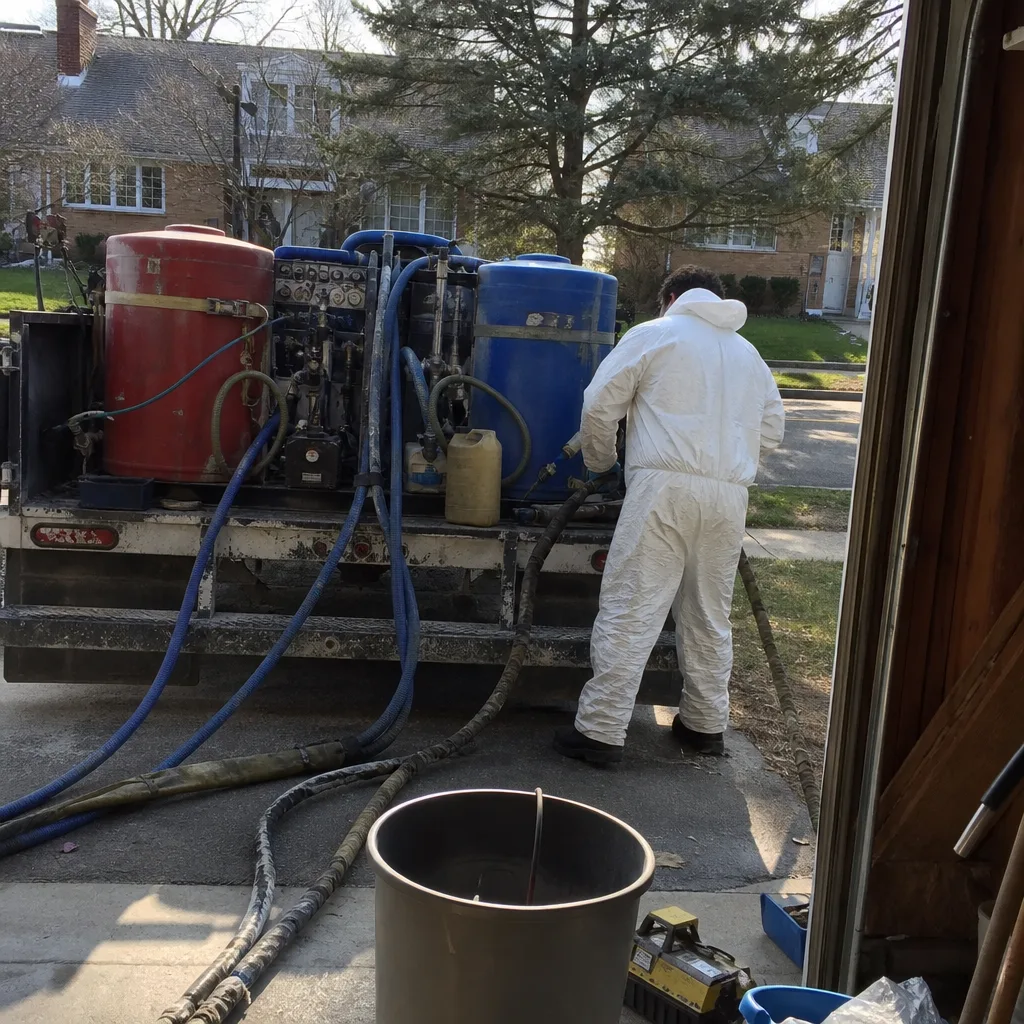
Newark’s older housing stock holds surprises in the attic. Vermiculite fill was common in row houses built between 1920 and 1950, and some of it contains asbestos. Crumbling rock wool in three-story walkups often carries decades of dust, rodent activity, and moisture damage from the city’s year-round humidity. When replacement is the right call, we coordinate with a licensed abatement contractor if asbestos is present, remove the old material, sanitize the attic deck, and install new insulation with a documented photo record of every stage. You’ll see exactly what was in there before and what’s there when we finish.
Attic Baffles & Ventilation Prep
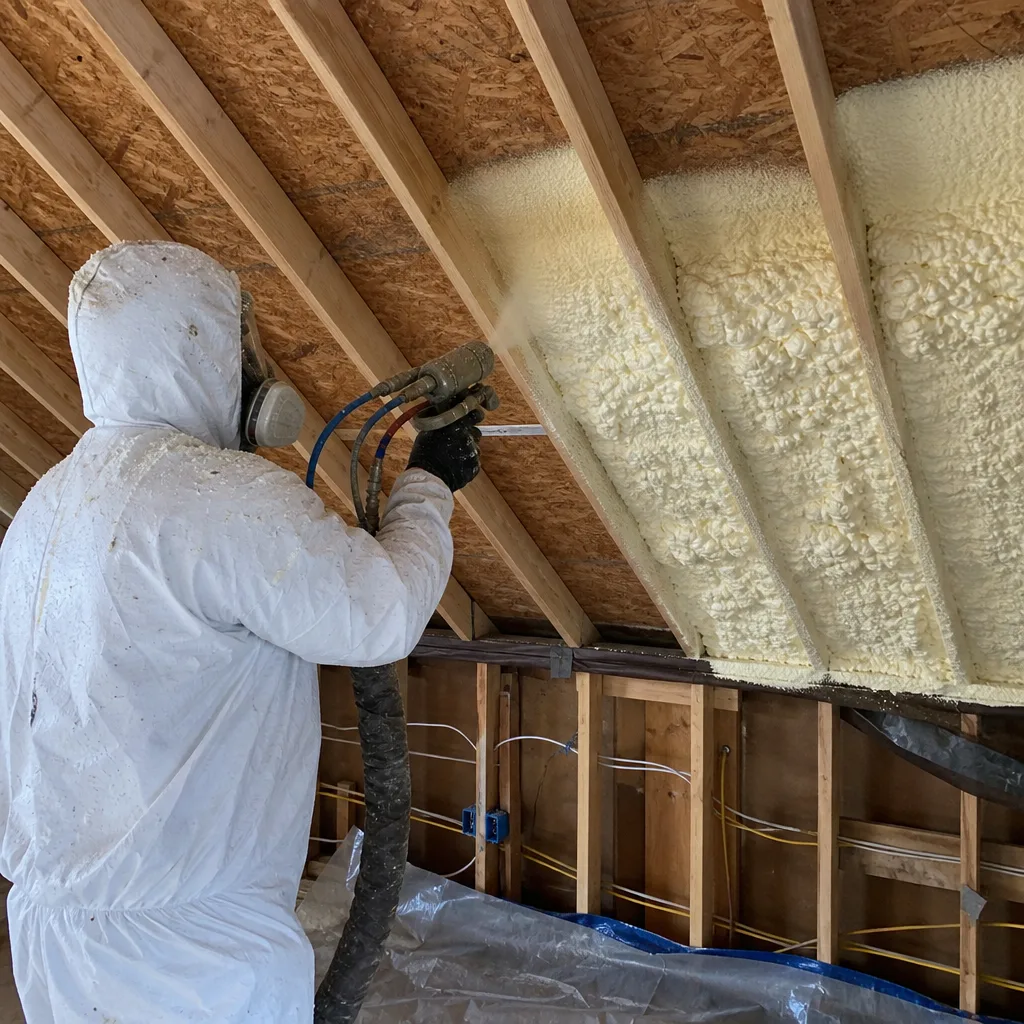
In Newark’s mixed-humid climate, an unvented attic with no baffles traps moisture against the roof deck. Condensation drips down the hatch ladder, and blown-in fiberglass sags and loses R-value within two winters. We install baffles at every rafter bay to keep the soffit vents open before insulation goes in. On row houses with no soffits at all, which is common on flat-roof portions of Ironbound homes, we’ll talk through venting options that actually work with your roof assembly, not against it.
What happens when you call
- 1
A real person answersNo phone trees - you reach a local pro.
- 2
You get an upfront price rangeHonest numbers before anyone is dispatched.
- 3
A background-checked tech heads outLicensed & insured, dispatched right away.
- 4
You approve before work beginsNothing starts until you say go.
Trusted Brands We Service in Newark
We source insulation from Johns Manville, Knauf, and CertainTeed, and we don’t have a proprietary product to push. When your Newark attic calls for blown-in fiberglass, we’ll match the material to the cavity and the climate. When Rockwool’s density makes sense for a party wall or a fire-blocking detail on a three-story balloon frame, we’ll use that. The brand follows the job spec, not the other way around. You’ll see the exact product name and R-value on your written scope before we start.
Common Attic Insulation Problems We See in Newark Homes
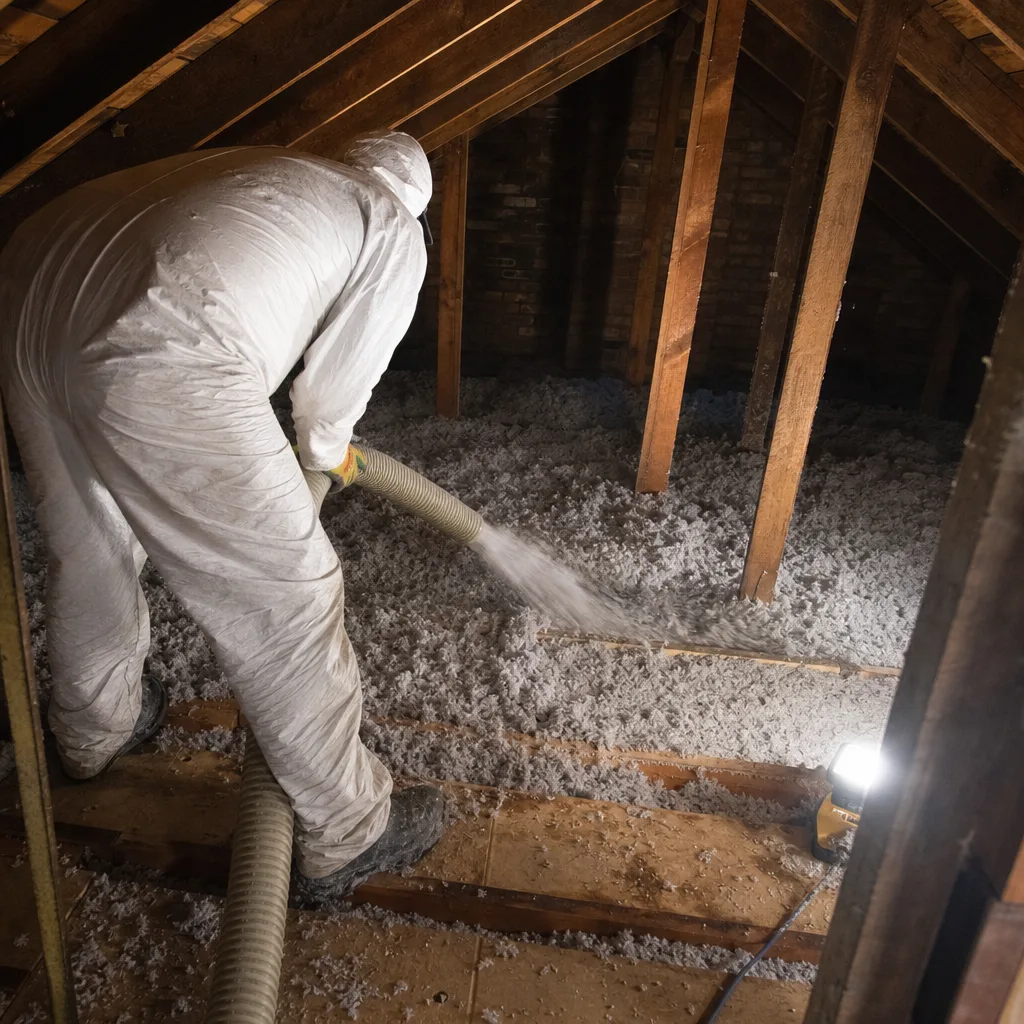
- Open stud bays running three stories. In Ironbound and North Ward row houses, balloon-frame walls frequently have no fire-blocking between floor levels. Drilling for blown-in insulation can reveal an open bay from the sill plate to the soffit. Newark code requires fire-blocking at each floor line before the permit can close, which adds labor and material on the spot.
- Condensation on the hatch ladder. The Passaic River lowlands and Newark Bay keep ambient humidity high year-round. An unvented attic with no baffles traps moisture, and the first place it shows is the hatch. By the time you see dripping, the insulation above has likely lost significant R-value.
- Vermiculite and asbestos pipe wrap. Attics in Newark’s pre-1950 row houses routinely contain vermiculite fill that may have come from the Libby, Montana mine. Asbestos pipe wrap on old steam heat lines is also common. If we encounter it, work stops, we document it, and we coordinate abatement before any insulation goes in.
- Security and access issues in shared alleys. Many Newark attics are only reachable through rear entries that open to shared Ironbound alleys. A crew that leaves an alley-load door ajar creates a security problem for every unit in the row. We work with slow-closing doors and rolling-code remotes in mind, and our technicians are background-checked for exactly this reason.
Pricing for Attic Insulation in Newark, NJ
Here’s what we actually see in Newark, in writing. A blown-in attic insulation job on a typical 1,200 square foot row house attic runs $1,800-$3,200, including air sealing. A top-up over existing insulation runs $900-$1,600. Full removal and replacement with abatement coordination lands between $4,000-$8,000 depending on what’s in there. Batt insulation for an open attic runs $2,200-$4,500. Every one of these numbers is delivered as a flat written price before any work starts. You’ll know the exact scope and the exact dollar figure before you approve anything. Call (218) 261-7714 and we’ll schedule the measurement and write it up.
We Also Serve Cities Near Newark
Our crews cover Elizabeth, Bayonne, Jersey City, and Union City with the same written-price standard and same-day response. If you live just outside Newark but need Attic Insulation work, the process is identical: written scope, air sealing first, documented results. Attic Insulation in Newark remains our primary service area, but we dispatch to the surrounding metro daily.
Serving Newark, NJ - Our Local Coverage Area
We’re based in the Newark area and know this community well. Use the map below to see our service coverage - if you’re nearby, we can almost certainly help.
FAQs - Attic Insulation in Newark
Yes. Shared party walls in Newark’s pre-1940 attached row houses are a different assembly than exterior walls. They’re masonry or double-wythe brick in most cases, and the insulation strategy depends on whether the wall runs continuously through the attic. In balloon-frame construction, the party wall stud bays can connect directly to your attic floor, acting as an open chase for air movement between units. We address this with dense-pack material at the attic floor level where the party wall meets the ceiling plane, and we air seal the perimeter before any blown-in material goes in. The goal is to stop your conditioned air from traveling into your neighbor’s attic. Call (218) 261-7714 and we’ll assess your specific wall assembly.
No. Properly installed blown-in insulation with working ventilation keeps your second and third floors cooler in July and August, not hotter. What makes Newark row houses overheat is unvented attic space with no baffles and no soffit airflow. When the attic floor is sealed and insulated and the rafter bays are vented, the top floor stays measurably cooler. We’ve taken blower-door readings before and after on Ironbound jobs that show the difference in airflow, and the summer comfort change is real.
We stop work and document it. Newark’s pre-1950 housing stock has a high incidence of vermiculite attic fill, and much of the vermiculite sold in the U.S. before 1990 came from a mine with a natural asbestos deposit. We do not disturb it. We coordinate with a licensed abatement contractor who removes the material under negative pressure and air monitoring protocols. Once clearance is documented, we return and install the new insulation. The written price you receive before work starts includes a contingency note for this scenario, so you’ll know how it’s handled before you sign anything.
Through the hatch in the hallway ceiling, and the hatch is often 22 by 30 inches or smaller in Newark’s older rentals and condos. We use a fill hose run through that opening for blown-in material, which avoids the need to fit batt rolls through a space they won’t pass. For attics only reachable from the exterior, which is common in Ironbound rows with alley-load rear entries, we set up from the alley side with a ladder and run the hose through a gable vent or a roof hatch. The crew briefs you on access before the day starts so there are no surprises about ladders in shared spaces. Call (218) 261-7714 with your access situation and we’ll tell you exactly how we’d approach it.
Yes, when open stud bays are present. In balloon-frame construction, which dominates Newark’s pre-1940 row houses, the stud cavities run continuously from the foundation sill to the roof. If we probe and find open bays without fire-blocking at the floor lines, Newark code requires that blocking be installed before the permit closes. This is an unplanned cost that surprises contractors who only do suburban platform-frame work. We check for it during the initial assessment and note it in your written scope if we expect it, so the price you approve reflects reality, not a follow-up call for more money.
Call (218) 261-7714 for a free estimate on attic insulation in Newark. You’ll get a named technician, a text when they’re on the way, a written price before any work starts, and a documented photo record when the job is done.
Written by Wes Okafor, Owner at Topside Attic Insulation, serving Newark under The Haven Standard since 2016.