Attic Insulation in Pasadena, TX: The Refinery-Air Problem No One Talks About
Attic insulation in Pasadena is not the same job as attic insulation in Pearland or Houston. The difference sits a few hundred feet from your roof deck: the Houston Ship Channel petrochemical corridor. Homes here need tight building envelopes not just to hold conditioned air, but to keep out industrial odors and airborne particulates that drift from nearby refineries and chemical plants. A typical attic insulation and air-sealing package in Pasadena runs $1,800-$4,200 depending on square footage and the condition of what’s already up there. Call (218) 261-7714 for a written price before any work starts.
We’re Topside Attic Insulation, and we’ve been operating under The Haven Standard since 2016. Dispatch and scheduling for Pasadena jobs are coordinated from the brand’s Houston office; crews serve Pasadena locally. Wes Okafor leads our team and personally reviews every Pasadena scope before a crew is assigned.
Why Pasadena Attics Fail Differently Than the Rest of the Houston Metro
In Pasadena, attic insulation often shows a visible gray-black film of petrochemical particulate that has infiltrated through can-light gaps and roof penetrations over decades. This condition is rarely seen just across the county line in Pearland or La Porte. The film isn’t a surface dusting. It embeds into fiberglass batts, carries an odor, and cannot be remediated by blowing new insulation over the top. The existing material has to come out first, the penetrations sealed, and only then should new insulation go in.
That’s the exact order we follow on every job in Pasadena. Sealed first, then insulated. We never blow insulation over an unsealed attic floor. Air sealing of top plates, can lights, and penetrations is completed before any insulation is added. The reason is simple: insulation filters air, it doesn’t stop it. If air moves through your attic floor, it carries whatever is in the air with it, including what drifts from the Channel.
What We Found on a 1962 Pier-and-Beam Home off Shaver Street
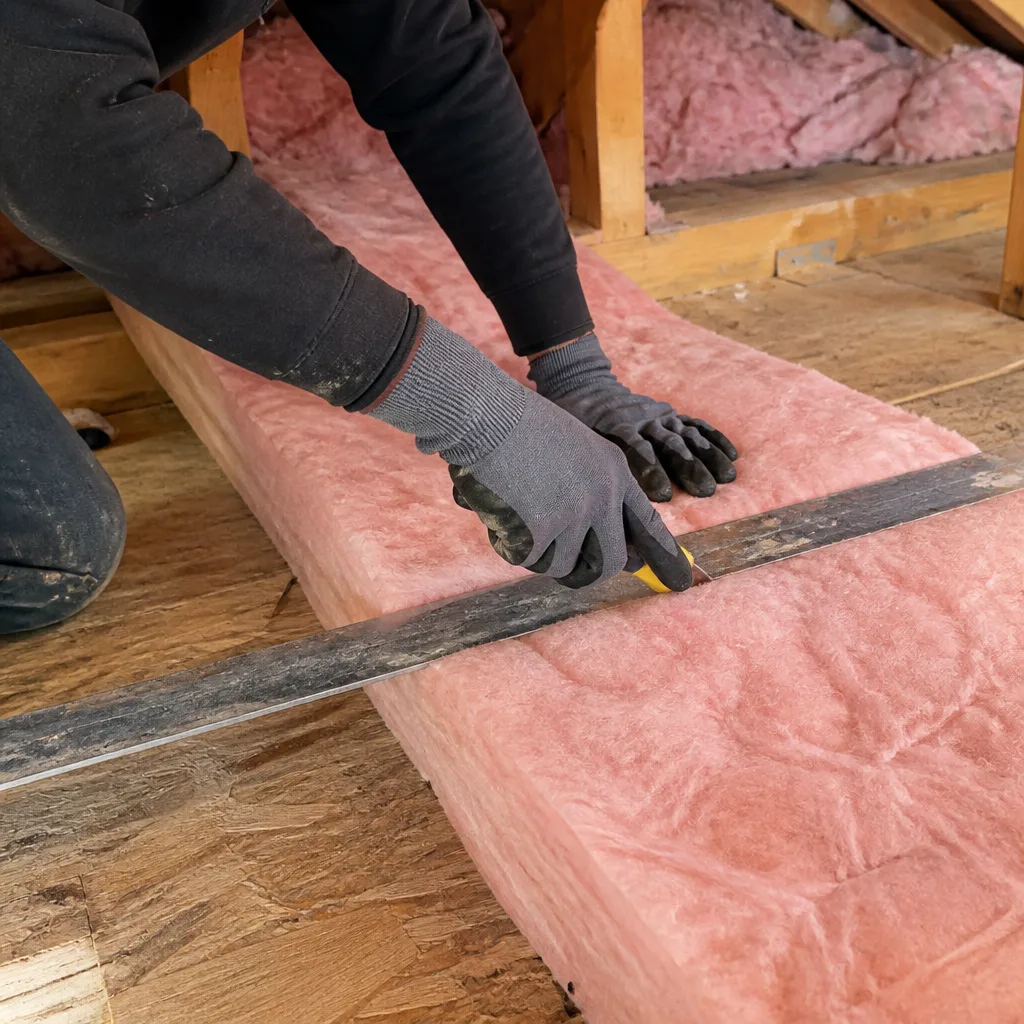
On a 1962 pier-and-beam home off Shaver Street, our crew opened the attic and found the original kraft-faced batts sagging and coated with a fine gray film that had drifted in from the Ship Channel. We air-sealed every can-light and top-plate penetration, then blew in R-38 Owens Corning fiberglass over new baffles. The homeowner later told us the bedroom no longer smelled like diesel by evening. That’s the standard we hold for every Pasadena job: remove, seal, insulate, and document the result.
We publish before-and-after blower-door numbers on every applicable job. A blower-door test is a pressurization reading that shows, in one number, how much air your building envelope is losing. On that Shaver Street home, the reading dropped from 4,200 CFM50 before sealing to 2,100 after. That’s a 50 percent reduction in air movement through the attic floor. You’ll see the same measurements on your own job, not a summary of what we think we did.
Our Attic Insulation Services in Pasadena
Every Pasadena home we assess gets a written scope tied to what we actually find in the attic. The sub-service line is built around the city’s specific failure modes, not a generic upsell ladder. Here’s what we do most in Pasadena.
Attic Insulation Replacement
In Pasadena’s 1950s-1970s tract homes, original insulation is often degraded past the point of any top-up being useful. Fiberglass batts lose loft and R-value within 5 to 8 years as Ship Channel humidity drives constant moisture cycling in unvented pier-and-beam attics. Replacement means full removal, air sealing, and then fresh blown-in installation. Most Pasadena replacement jobs run $2,200-$4,200.
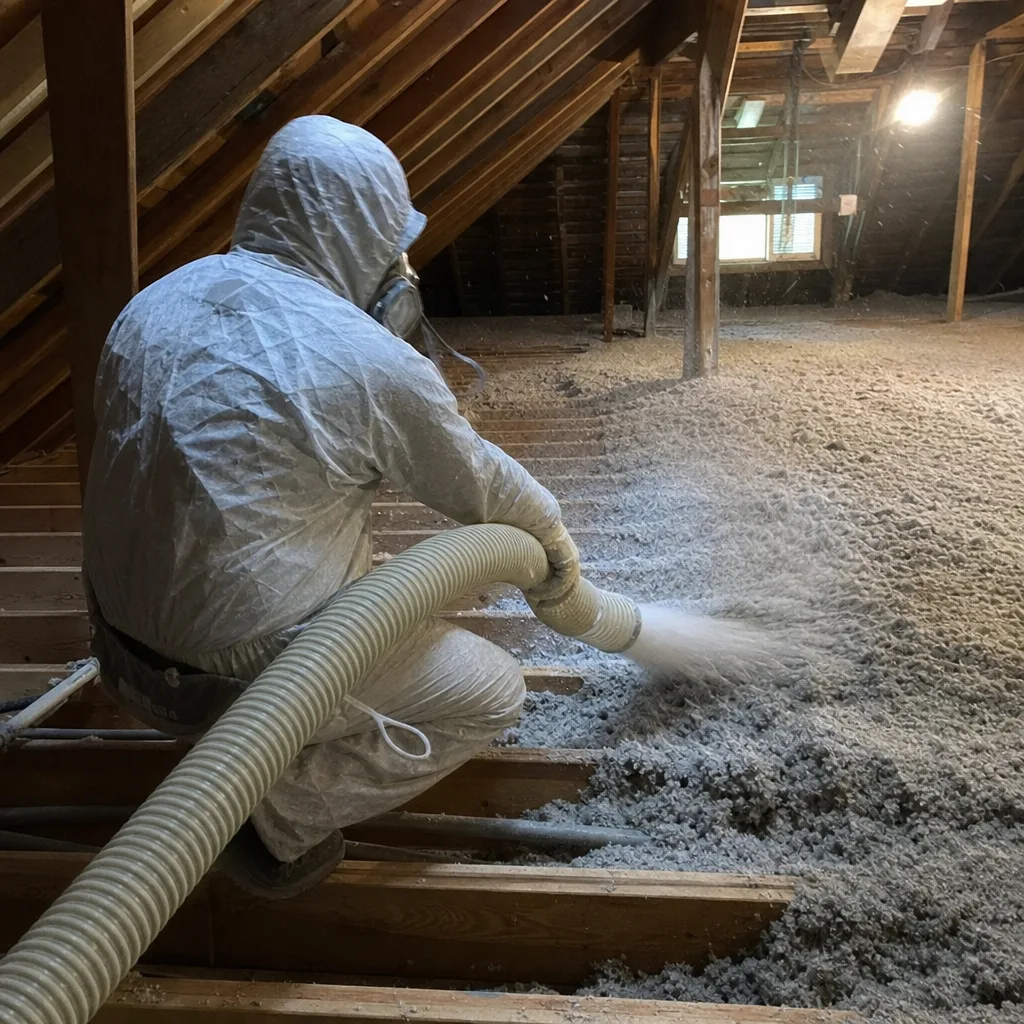
Blown-In Attic Insulation
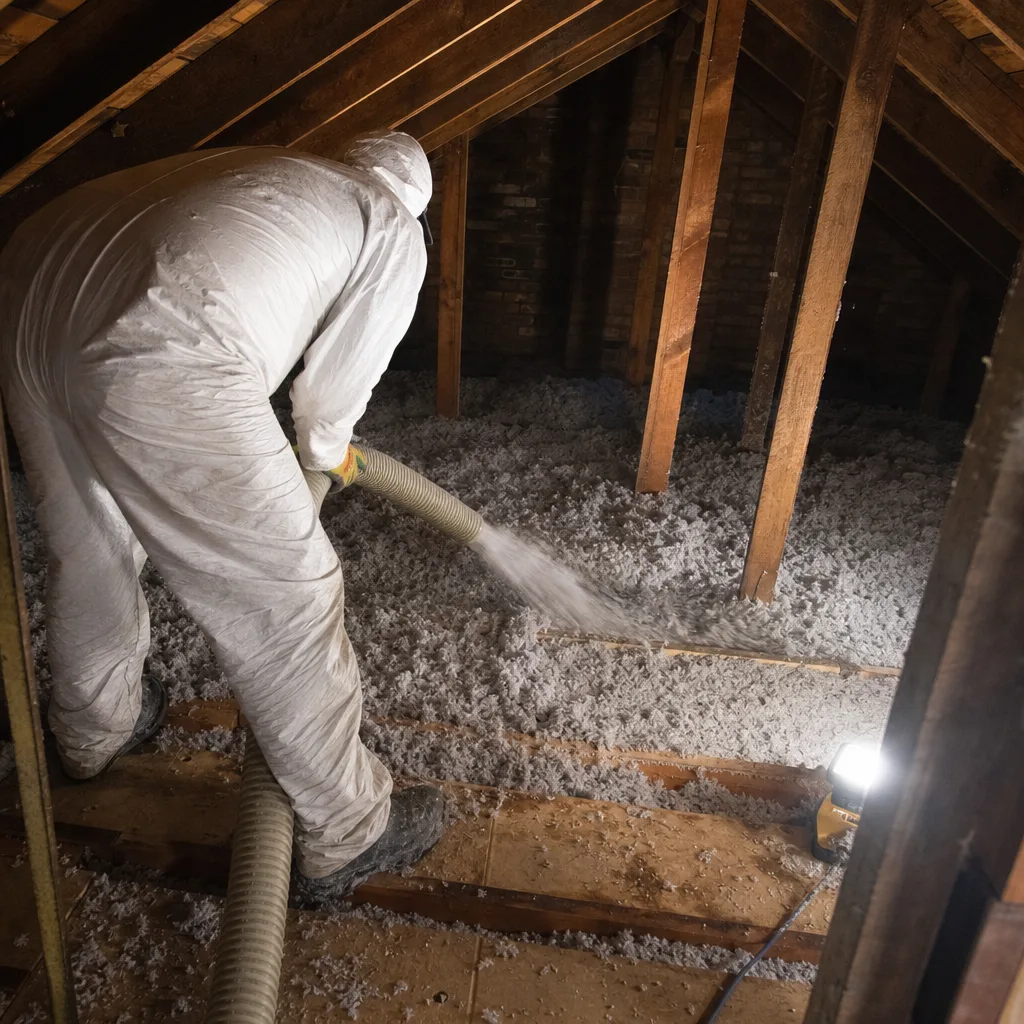
For attics where existing insulation is dry, settled, and free of particulate, blown-in fiberglass or mineral wool restores R-value quickly and evenly. Attic spaces in Pasadena routinely exceed 140°F in summer, so we pair blown-in with Attic Insulation methods that account for heat gain from roof deck to living space. A typical blown-in job in Pasadena runs $1,800-$3,400 depending on target R-value.
Attic Baffles & Ventilation Prep
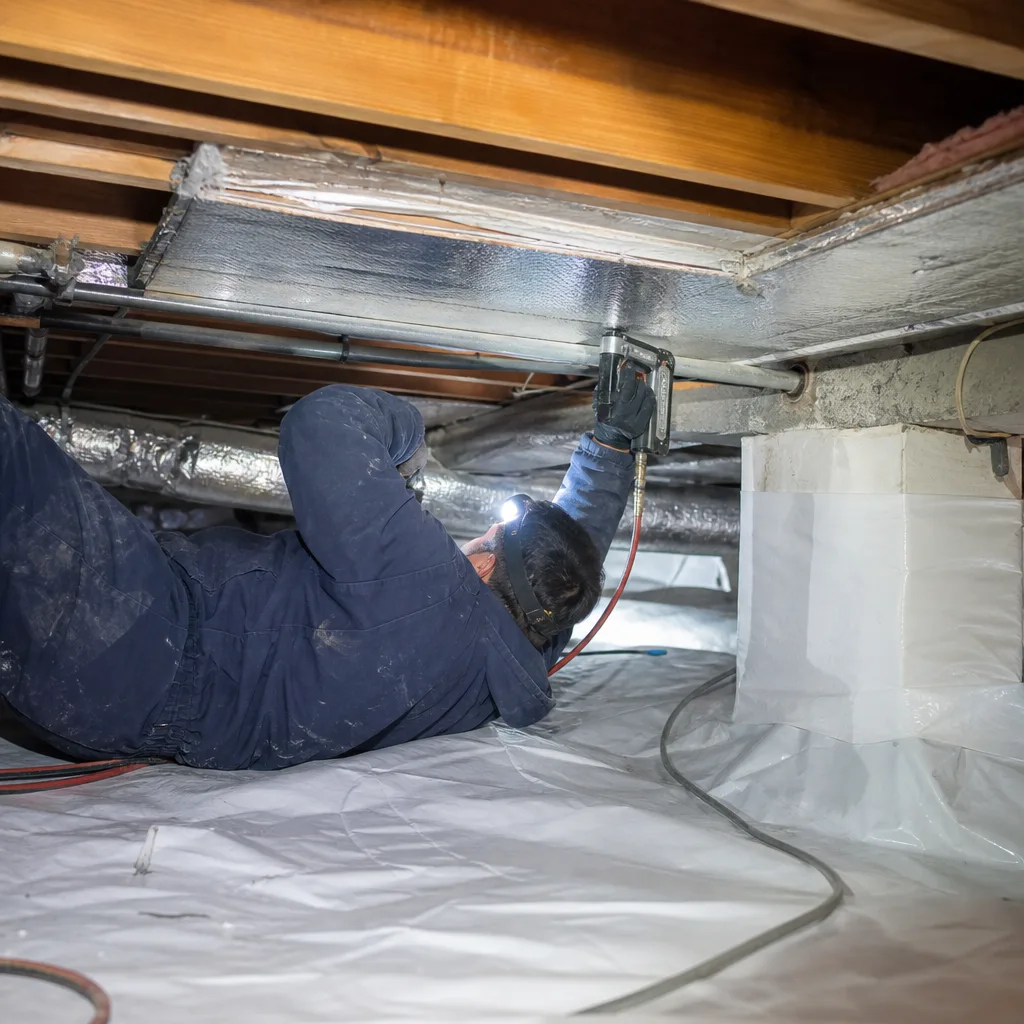
Baffles keep soffit vents clear so air can move from the eaves to the ridge. In Pasadena, this matters more than in drier suburbs because the channel humidity wants to sit in your attic. We install baffles before blowing insulation so the roof deck keeps breathing. Baffle and ventilation prep work typically runs $350-$900 when done as part of a larger insulation job.
Attic Insulation Top-Up
Top-up only makes sense when the existing insulation is still dry, structurally intact, and free of the gray particulate film we see in the zones closest to the plants. When those conditions hold, we add loose-fill on top to bring total R-value up to current standards. A Pasadena top-up typically runs $900-$1,800. If the existing material is degraded, we’ll tell you and recommend replacement instead; top-up over failed batts is a waste of money.
What happens when you call
- 1
A real person answersNo phone trees - you reach a local pro.
- 2
You get an upfront price rangeHonest numbers before anyone is dispatched.
- 3
A background-checked tech heads outLicensed & insured, dispatched right away.
- 4
You approve before work beginsNothing starts until you say go.
Trusted Brands We Work With in Pasadena
We source materials from Owens Corning, Johns Manville, Knauf, Rockwool, CertainTeed, Icynene, Demilec, and GreenFiber. No proprietary product lock-in. For Pasadena attics specifically, we keep Rockwool and CertainTeed options stocked for customers who want mineral wool’s added resistance to the kind of moisture and heat cycling common in the Ship Channel corridor. Our team walks you through what we recommend and why, in plain language, with a written price for each option.
Common Attic Insulation Problems We See in Pasadena Homes
- Industrial particulate coating. Homes in neighborhoods like Fairmont Park and along Shaver Street frequently show attic insulation visibly coated in fine gray or black particulate that has infiltrated through can-light gaps over decades. This requires full removal, not a cover-up.
- Sagging kraft-faced batts. Original 1950s-1970s installs use kraft-paper vapor barriers that peel and trap moisture against drywall when attic heat exceeds 140°F. In unvented attics, that trapped moisture feeds mold growth within a single summer.
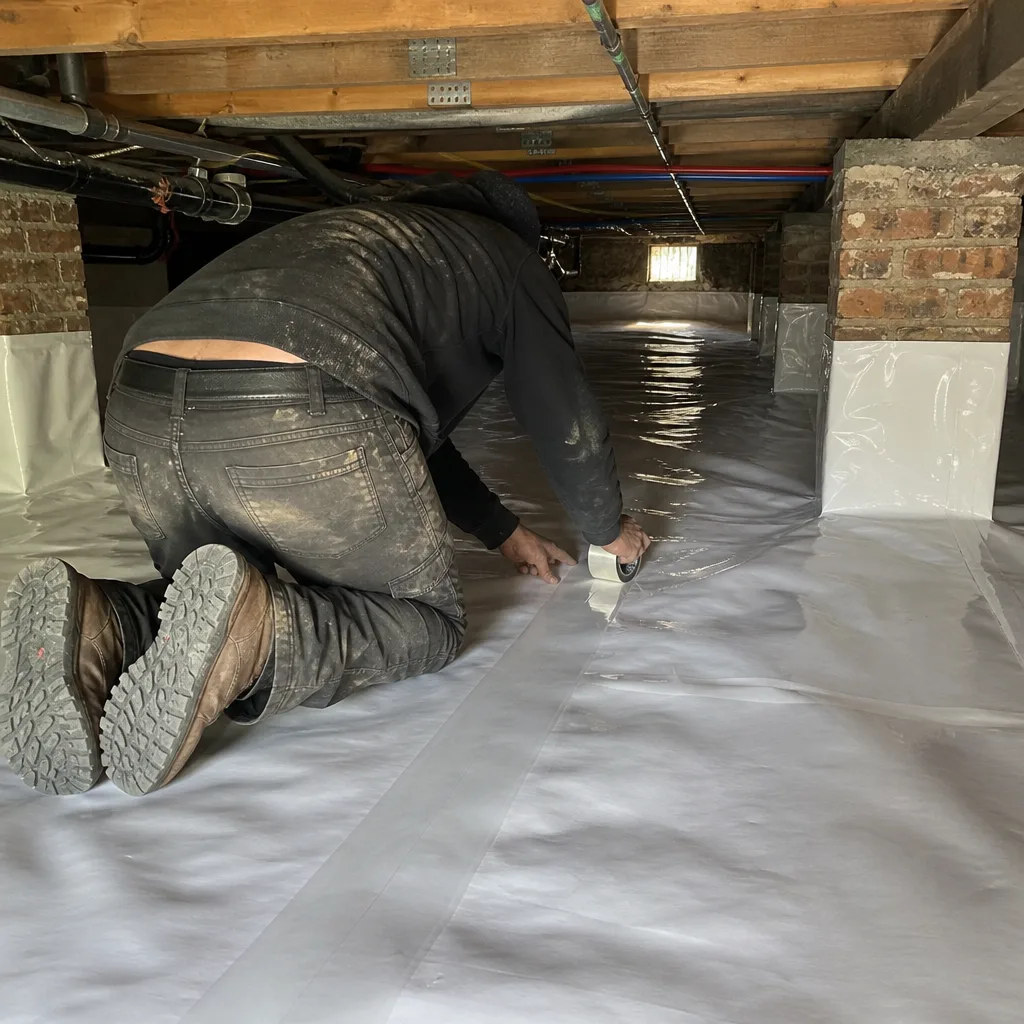
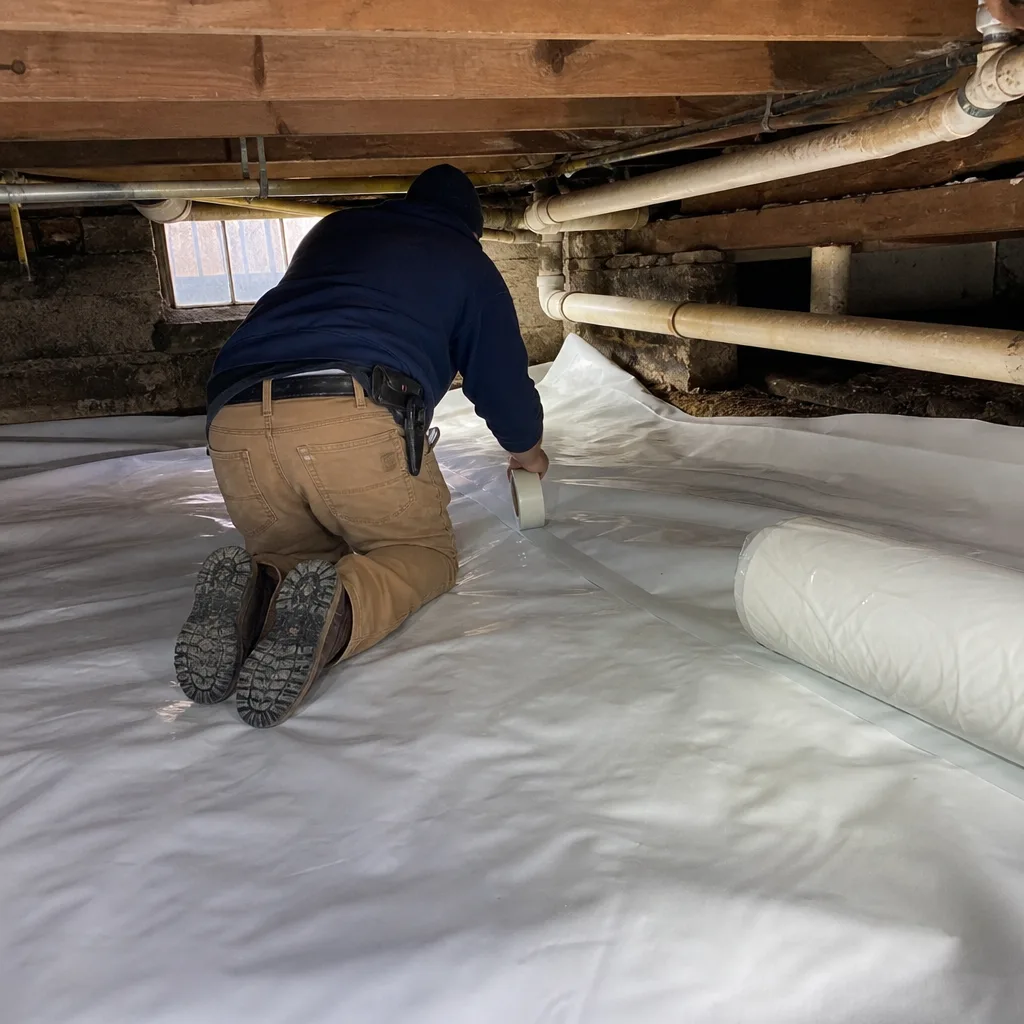
- Pier-and-beam humidity transfer. Pasadena’s dominant pier-and-beam foundation style leaves crawl spaces fully exposed to Gulf Coast humidity. Untreated crawl space moisture migrates upward into wall cavities and attic spaces, accelerating insulation breakdown from below.
- Harvey-damaged insulation still in place. Hurricane Harvey’s flooding soaked wall cavities and floor insulation across large swaths of Pasadena in 2017. We still find that damage in attic retrofits, where wet insulation was never fully removed and now holds mold and musty odor.
Pricing for Attic Insulation in Pasadena, TX
Here’s what you can expect to pay for attic insulation in this city’s market. Blown-in installation on a 1,200-1,800 square-foot Pasadena home typically runs $1,800-$3,400. Full replacement including removal, air sealing, and new blown-in runs $2,200-$4,200. Top-ups run $900-$1,800 when the existing insulation is viable. Baffle installs and ventilation prep add $350-$900. Several factors move the price: target R-value, the amount of degraded material that must come out, whether we need to replace baffles, and whether the attic has prior water damage.
Every job begins with a written price. No work starts without it. That’s Haven Standard Clause 1: flat price, written scope, written warranty before anyone lifts a tool. We also offer a Free Second Opinion on any written estimate. Bring us a competing quote and we’ll read it with you line by line. Call (218) 261-7714 and we’ll arrange a visit.
We Also Serve Cities Near Pasadena
Our crews cover the full metro ring around Pasadena, including Pearland, Houston, League City, and Baytown. If you’re just outside city limits, we’ll still come out, assess the attic, and give you the same written price and documented record. Scheduling works the same way no matter which side of the county line you’re on.
Serving Pasadena, TX - Our Local Coverage Area
We’re based in the Pasadena area and know this community well. Use the map below to see our service coverage - if you’re nearby, we can almost certainly help.
FAQs: Attic Insulation in Pasadena
Because the particulate and odor that flood Pasadena attics come through air leaks, not through heat transfer. If you blow new insulation over can-light gaps and unsealed top plates, you’re filtering air through loose-fill while still letting the same air into your home. Air sealing stops the contaminant at the entry point. Insulation then handles temperature. The order matters: sealed first, then insulated. Call (218) 261-7714 for a written price on both.
140°F attic heat breaks down kraft-paper vapor barriers, causing them to peel and trap moisture against the drywall below. That’s why we avoid kraft-faced batts in Pasadena attics and prefer blown-in fiberglass or mineral wool, which don’t have a paper face to fail. We also pair with radiant barrier where the deck exposure calls for it. Short answer: heat determines product selection, not just R-value.
Yes. Sealing the attic floor is the highest-leverage intervention. Most of the chemical odor that enters a Pasadena home rides in through air movement at the attic, not through walls or windows. When we seal can-light rings, top plates, and chase penetrations before insulating, the home’s air exchange drops measurably. Less air moving means less odor moving. The blower-door reading before and after shows you the exact change.
Look for kraft-faced batts with a paper backing that’s yellowed, peeling, or sagging between joists. If the insulation looks matted down, gray, or shiny in places, it’s the original install and it’s already lost most of its R-value. A quick check from the attic hatch tells you most of what you need. We’ll confirm during a site visit and give you a written price and photo record, included on every visit.
Water doesn’t have to reach the attic to ruin attic insulation. Floodwater saturates wall cavities and crawl spaces, then wicks upward through framing. The attic becomes the last stop for that migrating moisture. We frequently find attic insulation that’s musty and compressed years after Harvey, even in homes where the attic itself stayed dry. A moisture inspection is part of our standard Pasadena assessment.
Written by Wes Okafor, Owner at Topside Attic Insulation, serving Pasadena under The Haven Standard since 2016.
Attic Insulation in Nearby Areas