
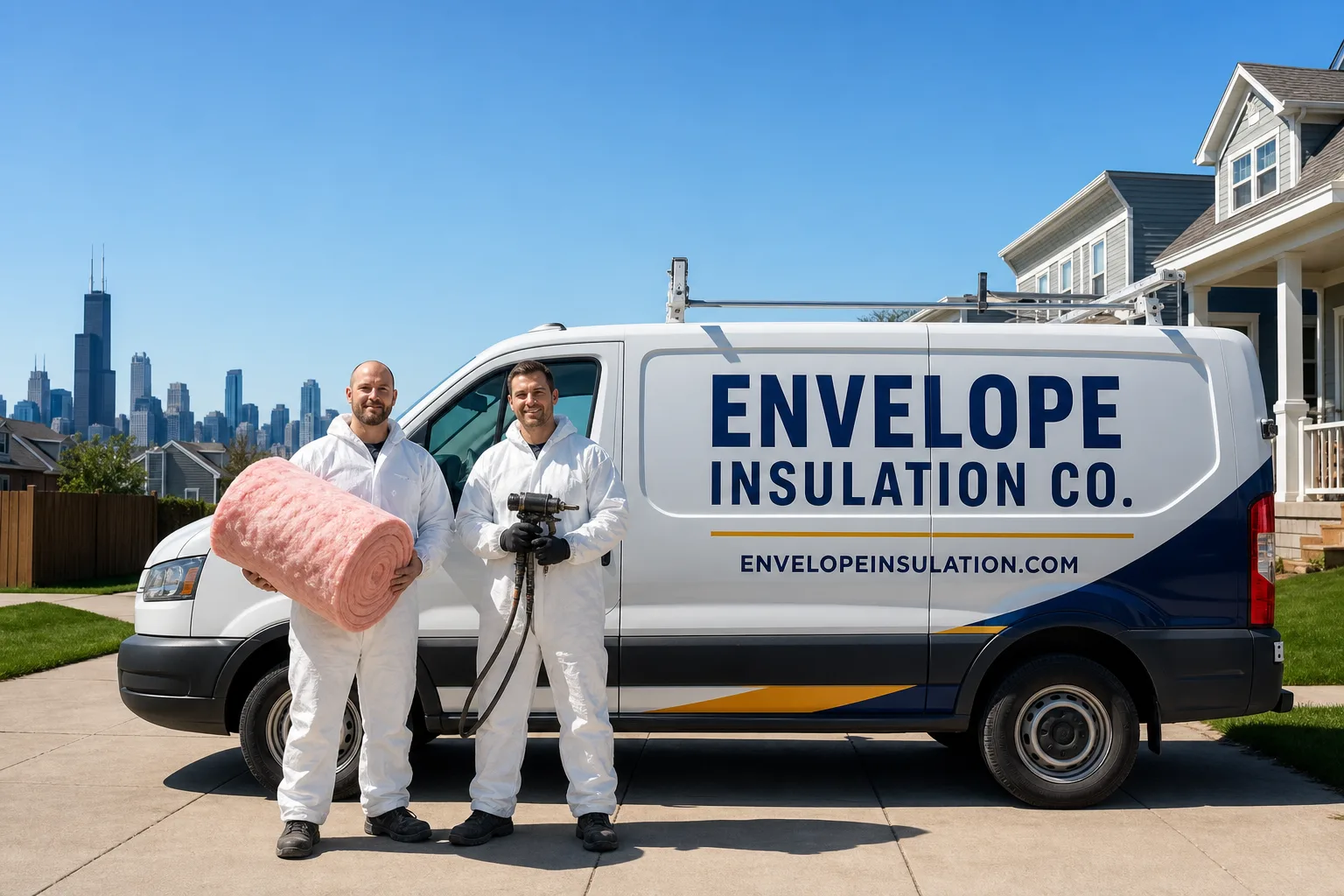
Fast, Reliable Attic Insulation Across Plymouth
Most attic insulation jobs in Plymouth run between $1,800 and $4,200 for a standard 1,200 to 2,400 square foot home, with top-ups starting around $900 and full replacements of settled 1980s blown fiberglass landing closer to $3,500-$5,500. We get a crew to your Plymouth home within 24-48 hours on most calls, and we never start work without a written price in your hand first. Air sealing happens before insulation on every single job, because in Plymouth’s housing stock, that’s the part that actually stops ice dams. Call (218) 261-7714 and you’ll reach a live person, not a voicemail loop.
We work in Plymouth neighborhoods like Fox Hills, Camelot, and the townhome clusters off County Road 101 every week. We know where the split-levels hide their attic hatches, how the multi-gable colonials create dead air pockets, and why the walkout-ramblers over by Zachary Lane freeze pipes at the band joist before anything else fails.
Why Topside Attic Insulation Is Plymouth’s Preferred Attic Insulation Company
Since 2016, we’ve sealed and insulated more than 9,000 homes across the Twin Cities metro, and a good share of those are right here in Plymouth. Every one of those jobs started with a written price and a written scope, and ended with a Documented Photo Record showing exactly what was done. That’s not a marketing line. That’s Haven Standard Clause 1, and we’ve never worked any other way.
Wes Okafor leads our crews, and the standard he set in 2016 hasn’t drifted: arrive on schedule, name your technician, text before we show up. On every applicable attic job in Plymouth, we run a before-and-after blower-door test, which is a pressurization reading that gives you a single number for how much conditioned air your building envelope is losing. You see the number before we open the attic hatch, and you see the number after we close it. If the number doesn’t move, neither do we, until it does.
The 365-Day Done Right Promise covers every completed job. If something isn’t done right, we make it right. No prorating, no fine print, no callback windows measured in business days. We’re independently owned and operated, not a franchise, and we answer the phone around the clock.
Our Attic Insulation Services in Plymouth
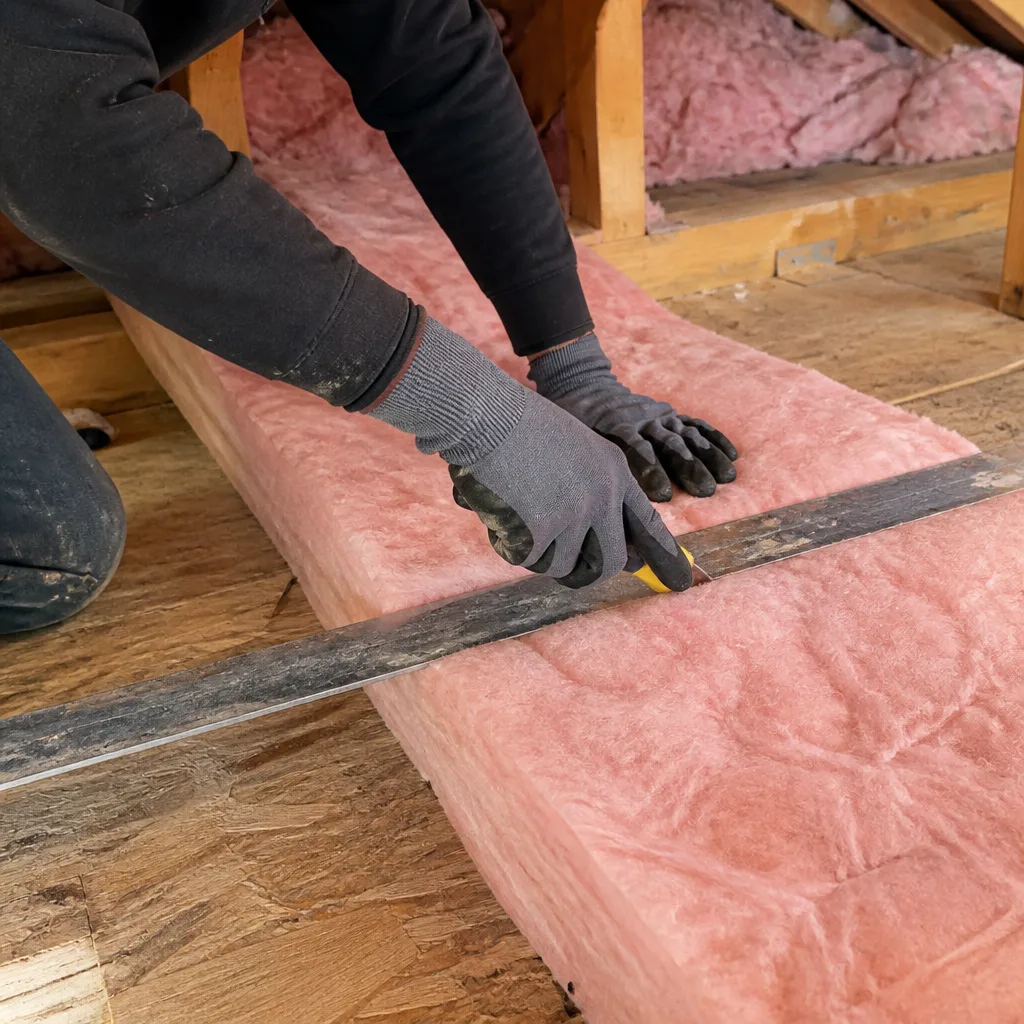
Blown-In Attic Insulation
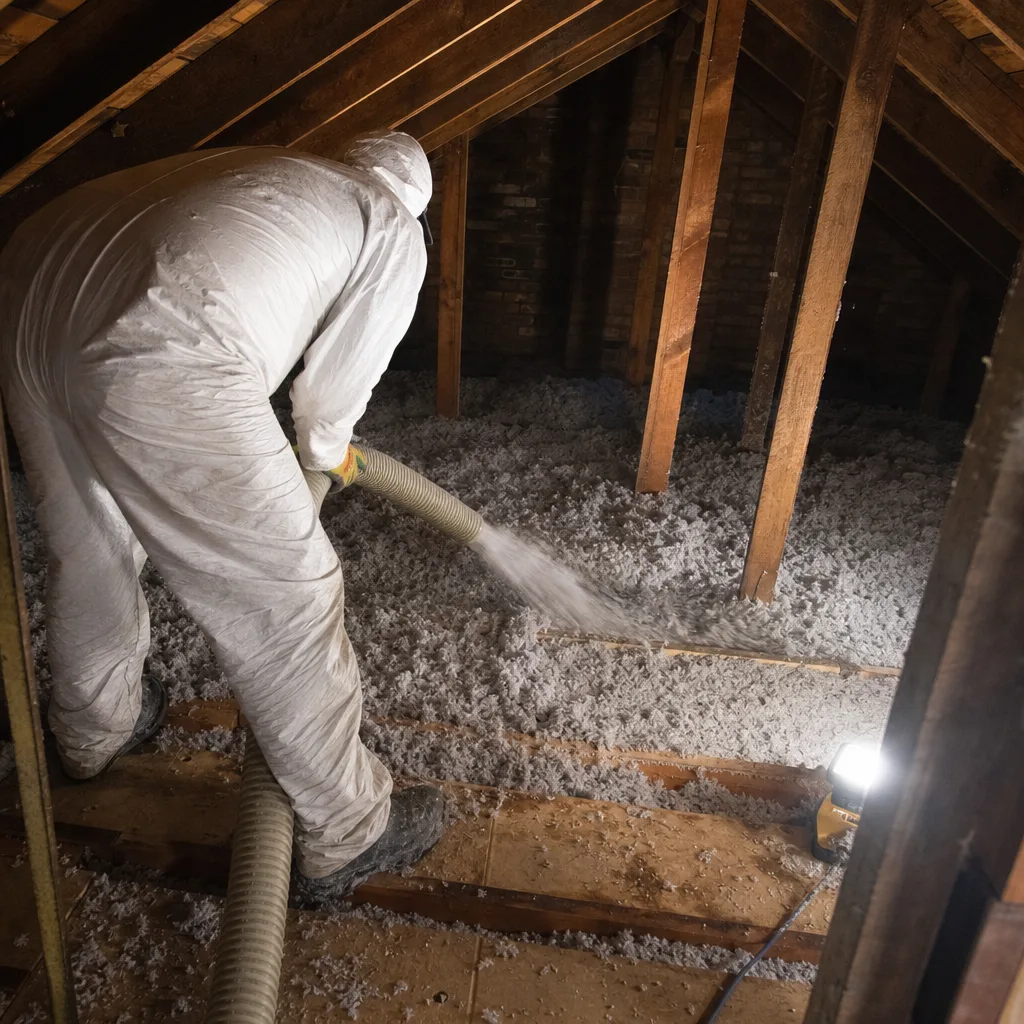
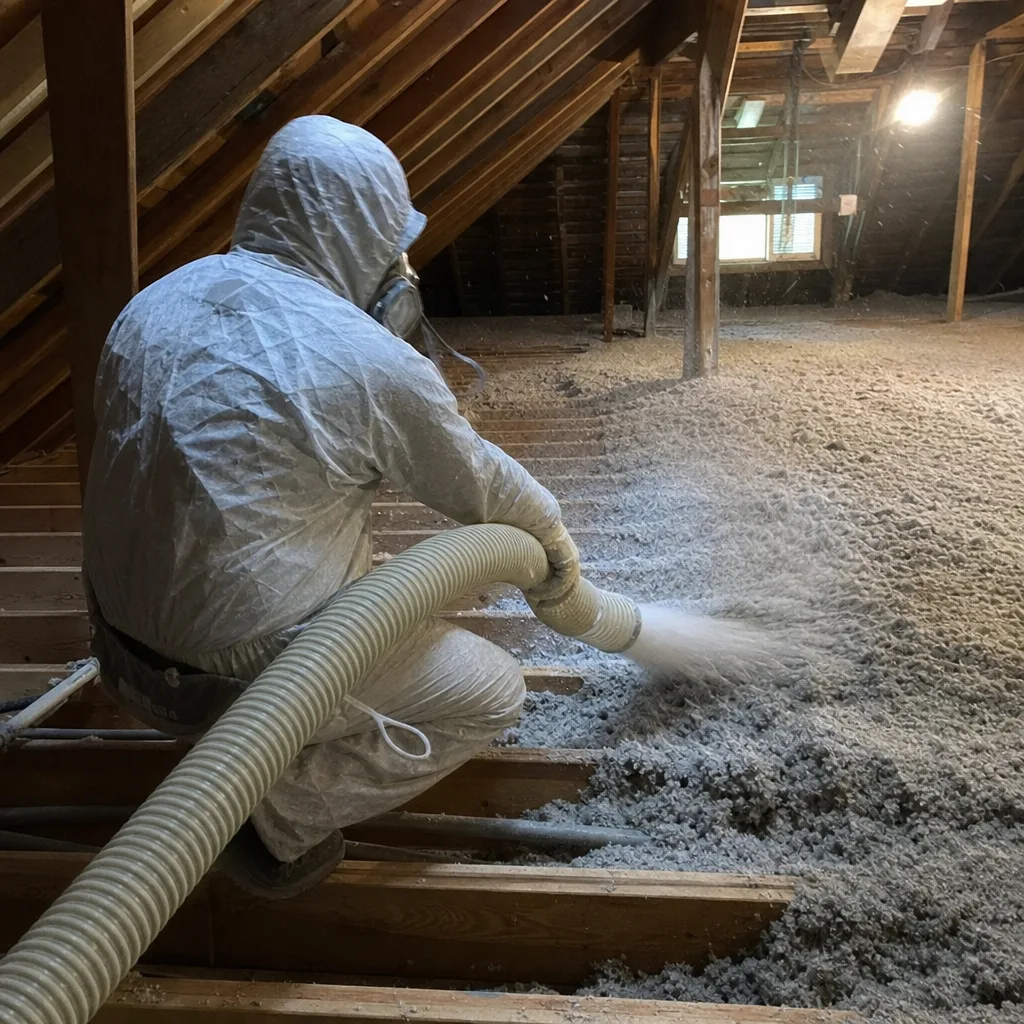
Blown-in insulation is the most common job we do in Plymouth for good reason. The 1975-2000 housing stock here was built fast, and most attics got the bare minimum at framing. We blow Knauf or Owens Corning fiberglass to R-49 after we seal every bypass, penetration, and partition wall gap. You get a dense, settled-stable layer that actually performs in a Plymouth January, which means a gas bill that doesn’t spike every time the temperature dips below zero.
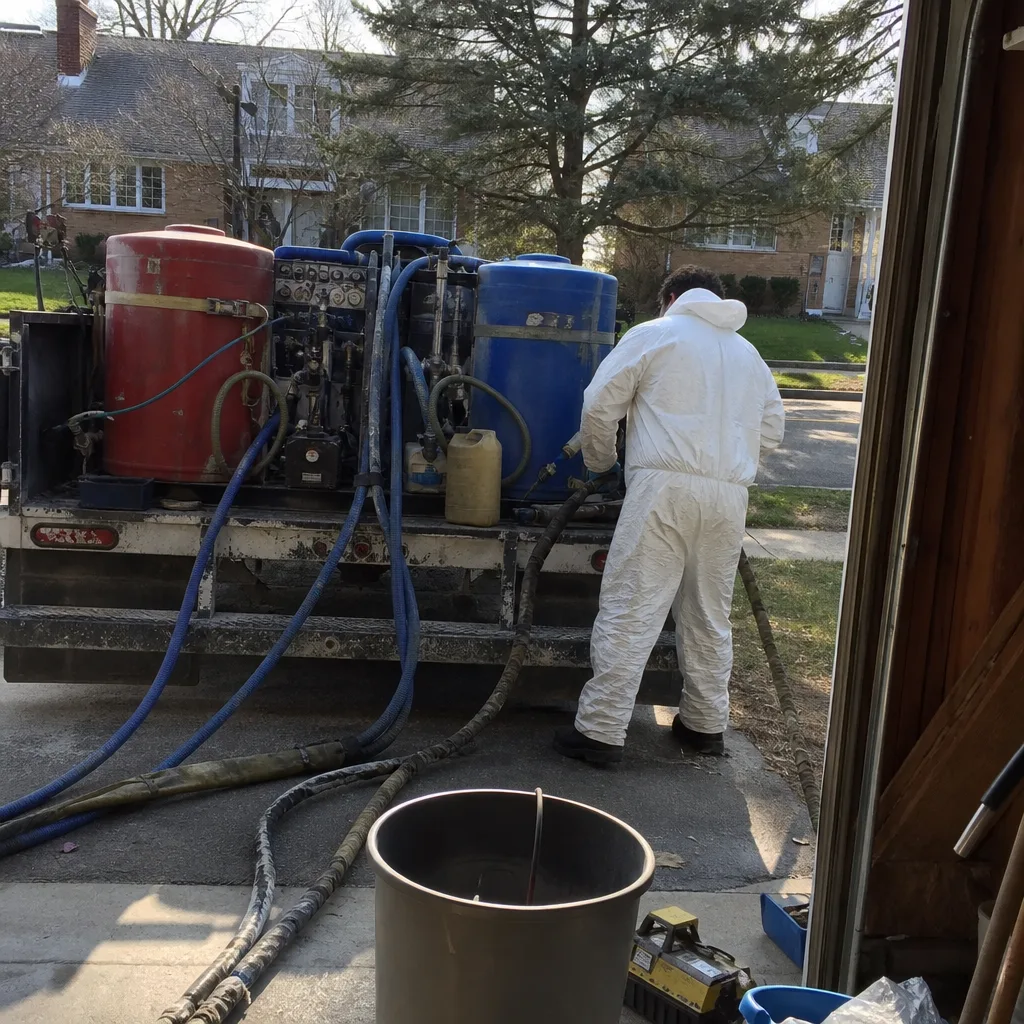
Attic Batt Insulation
For Plymouth attic spaces with awkward clearances, knee-wall pockets, or areas where blown material can’t be kept in place, batts are the right call. We’ve used Rockwool and CertainTeed batts extensively in Fox Hills splits and Camelot colonials, where carved-up attic geometry makes a loose-fill blow impossible to keep even. Batts let us hit R-49 in tight spaces without overstuffing cavities and creating a whole new set of bypass problems.
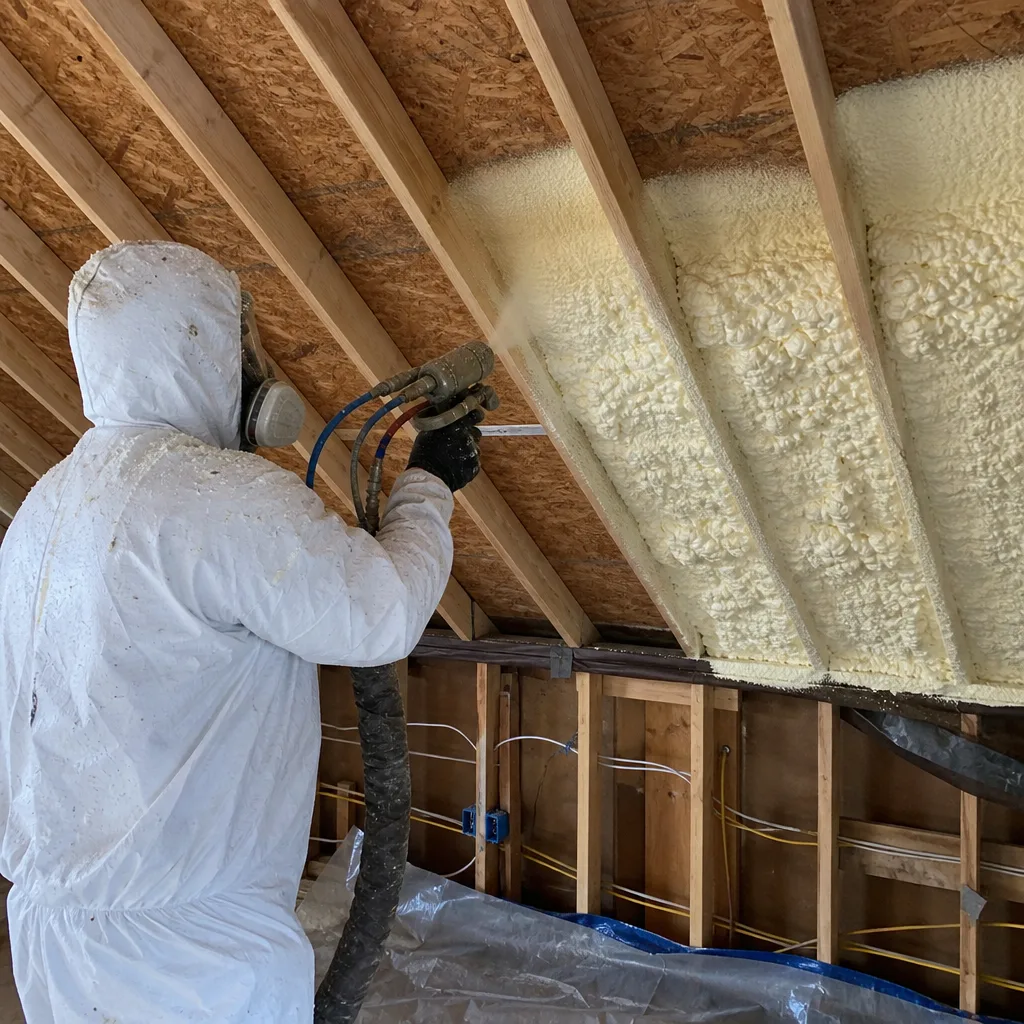
Attic Insulation Top-Up
If your Plymouth attic has fiberglass from the 1990s that’s still in decent shape but reading R-30 instead of R-49, you don’t always need a full removal. A top-up gets you to current Minnesota code for a lot less money. The catch is that we have to air-seal first, and in Plymouth homes built before 2000, the air-sealing is where the real work lives. We’ll tell you honestly if your existing layer is worth topping up or if it’s compacted and moisture-damaged enough that removal makes more sense. You get that call from us in writing.
Attic Insulation Replacement
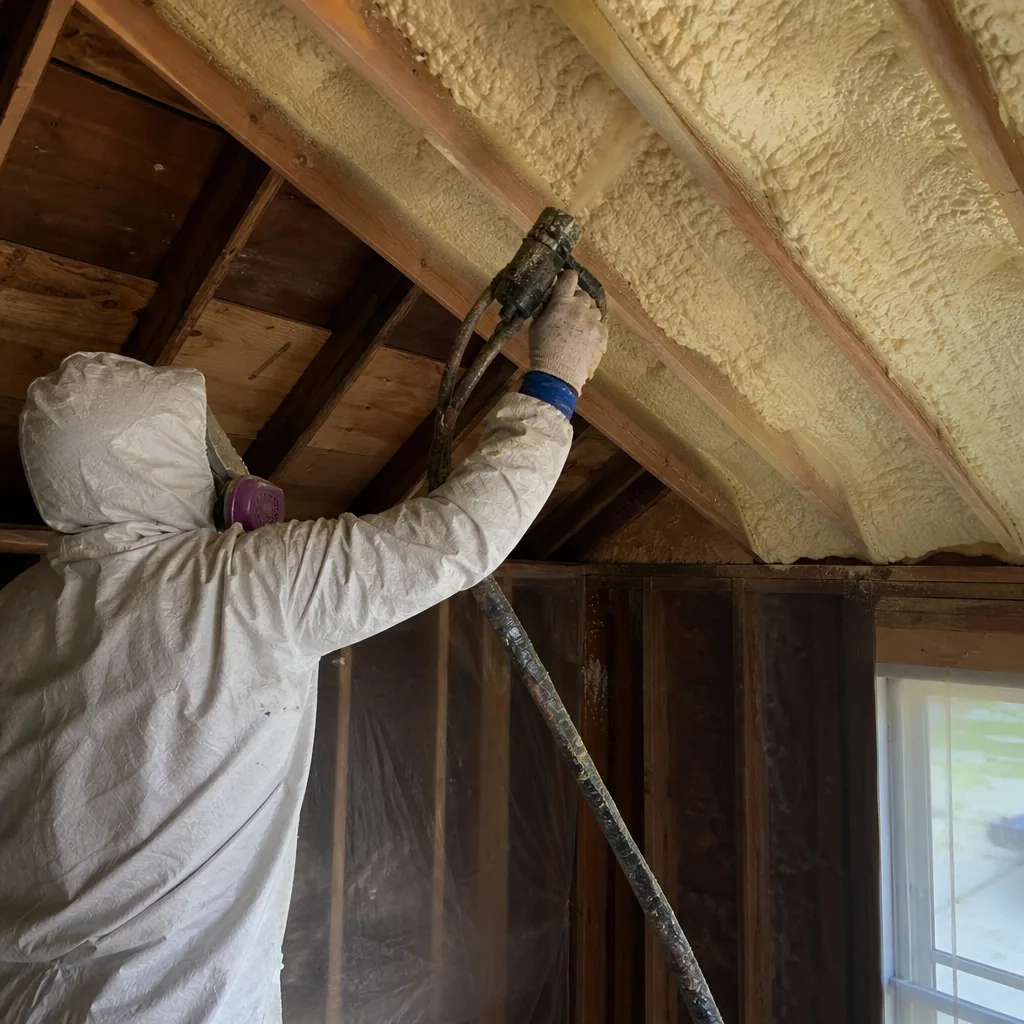
Settled original blown fiberglass from the 1980s in Plymouth has often compacted to R-19 or less in hard-to-reach multi-gable attic pockets. That’s not an insulation problem now. That’s a structural-era defect, and it requires removal, cleaning, air sealing, and a full re-blow. We handle the removal and disposal, then rebuild the attic floor to the R-49 minimum with a documented blower-door reading at the end. Most Plymouth replacement jobs run $2,800-$5,500 depending on attic square footage and how many pockets we have to dig into.
Attic Baffles & Ventilation Prep
Before any insulation goes in, we make sure your attic breathes correctly. That means baffles at every soffit, clear air channels at the eaves, and attic ventilation that doesn’t create pressure imbalances. In Plymouth’s multi-gable colonials, soffit-to-attic bypasses are the single most common site of March ice dam formation. If we don’t fix that first, new insulation just hides the same problem under a thicker blanket.
What happens when you call
- 1
A real person answersNo phone trees - you reach a local pro.
- 2
You get an upfront price rangeHonest numbers before anyone is dispatched.
- 3
A background-checked tech heads outLicensed & insured, dispatched right away.
- 4
You approve before work beginsNothing starts until you say go.
Trusted Brands We Service in Plymouth
We stock and install materials from Knauf, Rockwool, CertainTeed, and Owens Corning, among others. There is no proprietary product lock-in here. We choose the material that fits your attic’s geometry and your budget, and we tell you why. If you bring us a competing written estimate that specifies a certain product, we’ll read it over with you during a free second opinion and tell you what we’d do differently. Plymouth homeowners tend to research thoroughly before calling, and we’re happy to be a resource before we’re ever a contractor.
Common Attic Insulation Problems We See in Plymouth Homes
- Settled 1980s blown fiberglass. Original insulation from the build-out years has compacted to R-19 or less in multi-gable attic pockets, leaving homes well below Minnesota’s R-49 minimum. The housing boom of 1978-1998 prioritized speed over long-term thermal performance.
- Uninsulated band joists over attached garages. In Fox Hills and Camelot, open-web floor trusses over garage spaces were never insulated at the rim or band joist. We see this so often that our crews can usually predict frozen-pipe calls in the winter before the homeowner tells us the street.
- Air bypasses at partition walls and recessed lights. Colonials and split-levels from this era look fine from the living room, but the attic floor is Swiss cheese at the interior walls. Conditioned air leaks into the attic, melts the snow on the roof, and refreezes at the eaves. That’s your ice dam.
- Attic frost in sub-zero stretches. When warm, moist air from the house migrates into a cold attic, frost forms on the sheathing and eventually drips back down as water damage. Plymouth’s sustained December-to-February sub-zero runs make this failure mode show up fast and hard.
Plymouth’s Hidden Attic Problem: The 1980s Band Joist
Here is the thing that separates a Plymouth attic insulation job from one in, say, Minneapolis proper. Plymouth’s 1980s-era split-level and walkout-rambler homes in subdivisions like Fox Hills and Camelot were routinely built with open-web floor trusses over attached garages and unheated crawl spaces that were never insulated at the rim joist or band joist. This is a construction pattern so widespread that local HVAC techs trace most frozen-pipe calls back to that exact uninsulated band area rather than to any mechanical failure.
What does that mean for your attic? Cold air from the uninsulated band joist migrates upward through the open-web truss cavities and into the adjacent attic space. You can blow R-60 over the whole attic floor and still get frost at the eaves and cold bedrooms above the garage. The band joist has to be sealed and insulated first, or the attic work doesn’t hold. That’s why we will never blow insulation over an unsealed attic floor in Plymouth, and why our crews check the band joist on every single walkout-rambler and split-level before we quote a dollar figure.
In one Fox Hills split-level, our crew accessed a tight attic knee-wall pocket to remove settled 1980s blown fiberglass and air-seal the partition wall bypasses before blowing R-49. The homeowner had been fighting ice dams at the front gable every March. After we sealed the soffit-to-attic bypasses and topped up the insulation, the dams stopped forming and their gas bill dropped sharply. That’s the sequence: seal first, then insulate, then verify with blower-door numbers.
Pricing for Attic Insulation in Plymouth, MN
Here are current market ranges for Plymouth specifically:
- Attic air sealing + blown-in top-up (R-30 to R-49): $900-$1,800 for a typical 1,500-2,200 sq ft home
- Full removal of settled 1980s/blown fiberglass + air sealing + R-49 re-blow: $2,800-$5,500 depending on attic square footage and access difficulty
- Attic batt insulation (R-49, new or replacement): $2,200-$4,800, higher for multi-gable colonials with knee-wall pockets
- Attic baffles & ventilation prep (standalone): $350-$900
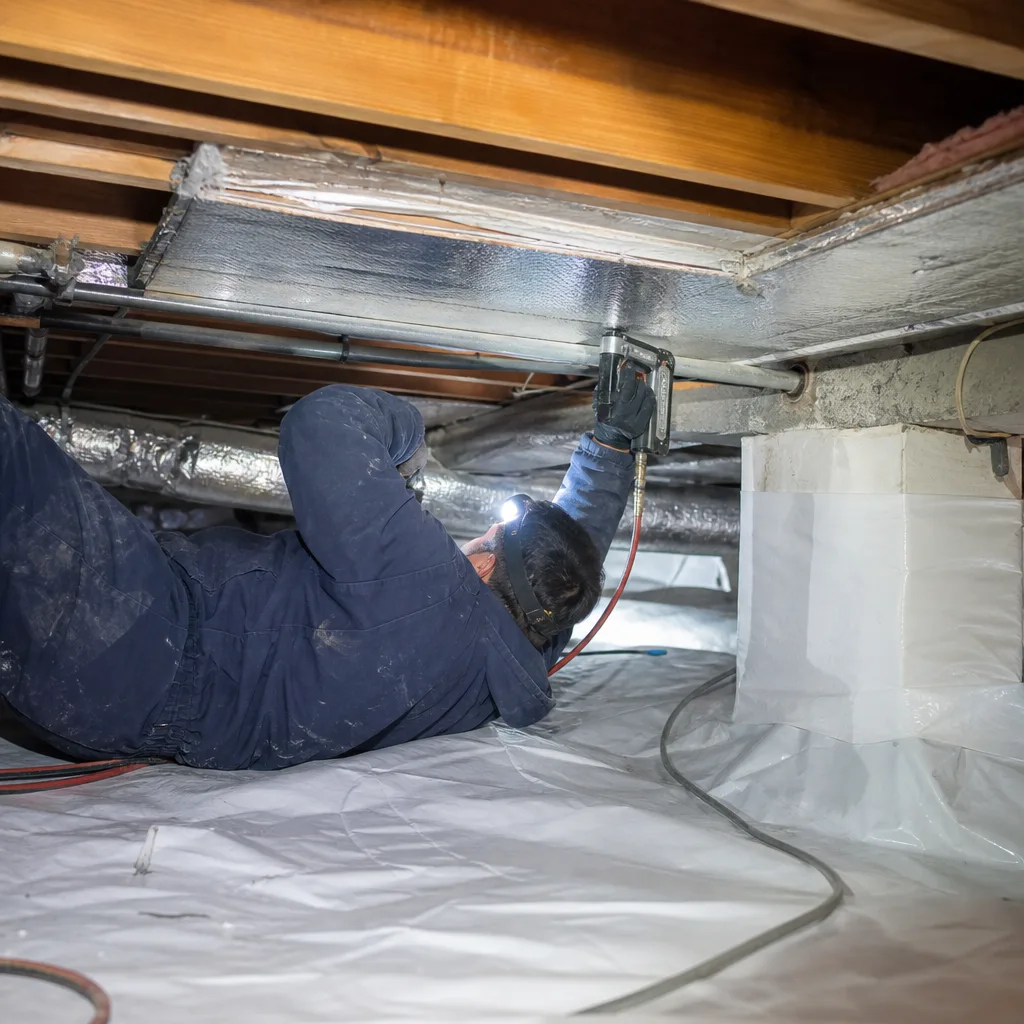
- Rim joist / band joist air sealing and insulation over attached garage: $400-$1,200 depending on access
Square footage, attic height, number of roof penetrations, and how much old material has to come out drive the final number. You get a flat, written price before any work starts, along with a written scope and written warranty. Call (218) 261-7714 and we’ll schedule a site visit, run the numbers, and put the price in your hand. Estimates are free.
We Also Serve Cities Near Plymouth
Our crews serve the whole west metro from a Minneapolis-St Paul dispatch office, so we’re in Plymouth daily and reach neighbors quickly too. If you’re in Plymouth, we can usually get there same week. We also cover Minneapolis, Bloomington, Brooklyn Park, and Eden Prairie with the same written-price standard and 365-Day Done Right Promise. Learn more about our Attic Insulation team and how we work.
Serving Plymouth, MN - Our Local Coverage Area
We’re based in the Plymouth area and know this community well. Use the map below to see our service coverage - if you’re nearby, we can almost certainly help.
FAQs - Attic Insulation in Plymouth
They get ice dams because code at the time treated insulation and air sealing as separate tasks, and air sealing was rarely done. The result is warm interior air leaking into the attic through partition-wall gaps, recessed can lights, and attic hatches, melting roof snow at the ridge, and refreezing at the cold eaves. Your 1980s attic met R-value on paper. It just leaks air like a colander. Seal first, then insulate, then verify with a blower-door number. That’s the sequence we follow on every Plymouth job.
Yes. Most knee-wall pockets and dead attic spaces in Plymouth colonials and split-levels have access panels or can be reached through the main attic hatch by a technician who knows what they’re doing. We use batt insulation in these tight pockets when a blown-in fill won’t hold even coverage. No ceiling surgery needed in the vast majority of cases, and we’ll tell you upfront if your specific roofline is one of the rare exceptions.
We seal the rim and band joist cavity with a two-component foam or rigid board, then insulate to stop the air migration that freezes pipes and feeds frost into adjacent attic spaces. The exact method depends on your crawl space or garage access, but we do this on open-web floor trusses all the time in Fox Hills and Camelot homes. If your garage ceiling has never been touched since the house was built, assume the band joist is wide open. Call (218) 261-7714 and we’ll confirm it during a site visit.
If the existing fiberglass is dry, reasonably even, and not compacted or pest-damaged, a top-up to R-49 runs $900-$1,800 for a typical Plymouth home and is almost always the right economic call. If it’s been wet from ice dams or roof leaks, or if it’s been crushed down in multi-gable pockets, removal and replacement is the honest answer. We’ll show you photos of what we find and give you a written recommendation. You decide with the evidence in front of you.
Because insulation doesn’t stop air movement. Frost happens when warm, moist indoor air leaks into the attic through unsealed bypasses, hits the cold roof sheathing during a sub-zero stretch, and freezes as condensation. That air is carrying moisture from your living space. The only fix is air sealing at every penetration, partition wall, and hatch. We do that before any insulation goes in, and then we run a blower-door test to prove the leak rate dropped. That’s the part most Plymouth homes never got at construction.
Schedule Your Attic Insulation Assessment in Plymouth
You’ll get a written price before any work starts. You’ll get a documented photo record when the crew leaves. On applicable jobs, you’ll get before-and-after blower-door numbers showing the air-sealing result you paid for. That’s the Haven Standard, and it’s been our operating rule since 2016. Call (218) 261-7714 for a free estimate, or to have us read over a competing quote with you at no charge. A live person answers. Tell them what street you’re on in Plymouth and we’ll have a crew out fast.
Written by Wes Okafor, Owner at Topside Attic Insulation, serving Plymouth since 2016.