
CertainTeed Wall Insulation in Chicago: What to Know First
We install, repair, and replace CertainTeed wall insulation in Chicago homes, and most jobs are completed in one to two days once the scope is written. A typical CertainTeed wall insulation project in a Chicago bungalow or two-flat runs between $1,800 and $4,200, depending on whether we’re drilling and filling closed cavities, insulating open stud bays during renovation, or removing failed material first. As an independent CertainTeed service provider, we’re not tied to the manufacturer’s product line, which means we recommend what actually performs in your wall assembly, not what a corporate catalog says should work.
If you own a Chicago home with CertainTeed insulation already in the walls, or you’re planning to have it installed, this page tells you what fails, what it costs, and how we document the result. Call (218) 261-7714 for a written price before any work starts.
How CertainTeed Products Fail - and How We Fix Them
CertainTeed makes solid insulation products, but every material has a weak point when it meets Chicago’s freeze-thaw cycles, century-old framing, and the occasional rodent. Here’s what we actually see in walls across the city:
- CertainTeed OPTIMA blown-in fiberglass settling in closed cavities. OPTIMA is a dense-pack blown fiberglass used in drill-and-fill wall jobs. In Chicago balloon-frame houses, we routinely find it packed tight at the top plates but settled six to eight inches below the fill ports, leaving cold bands at mid-wall and above windows. The fix is removing the settled pockets and re-dense-packing those zones, then blower-door testing to confirm the cavity is actually sealed.
- R-13 and R-15 batt compression behind drywall. In framed walls where CertainTeed Sustainable Insulation kraft-faced batts were wedged around electrical boxes and plumbing, the batts lose up to 40 percent of their rated R-value when compressed. We open the affected bays, refit or replace with properly sized batts, and air-seal at every penetration before closing up.
- Moisture trapped against CertainTeed DryRight and MemBrain in older brick walls. Chicago’s double-wythe brick and frame hybrids push moisture inward. When a vapor-retarding membrane is installed on the cold side, condensation forms between the sheathing and the insulation. We diagnose this with a thermal camera and moisture meter, then correct the assembly so the wall can dry toward the interior or exterior as the original design intended.
- Rodent burrows through CertainTeed batt and loose-fill in rim joist zones. Rim joists and sill plates are the most common entry points in Chicago basements. Mice and rats tunnel through fiberglass regardless of brand. We remove the contaminated material, seal the entry points with steel mesh and spray foam, and re-insulate the rim joist with a product that doesn’t invite re-nesting.
- CertainTeed SMARTBATT vapor control in walls that were originally uninsulated. When a Chicago homeowner insulates a previously uninsulated wall, the moisture dynamics change. SMARTBATT’s vapor control layer works when installed on the correct side and in the correct climate zone. Installed backward, which we see regularly, it traps moisture in the stud cavity and rots the framing from the inside. We pull the batts and reinstall correctly, documenting the orientation in the photo record.
Our CertainTeed Wall Insulation Process
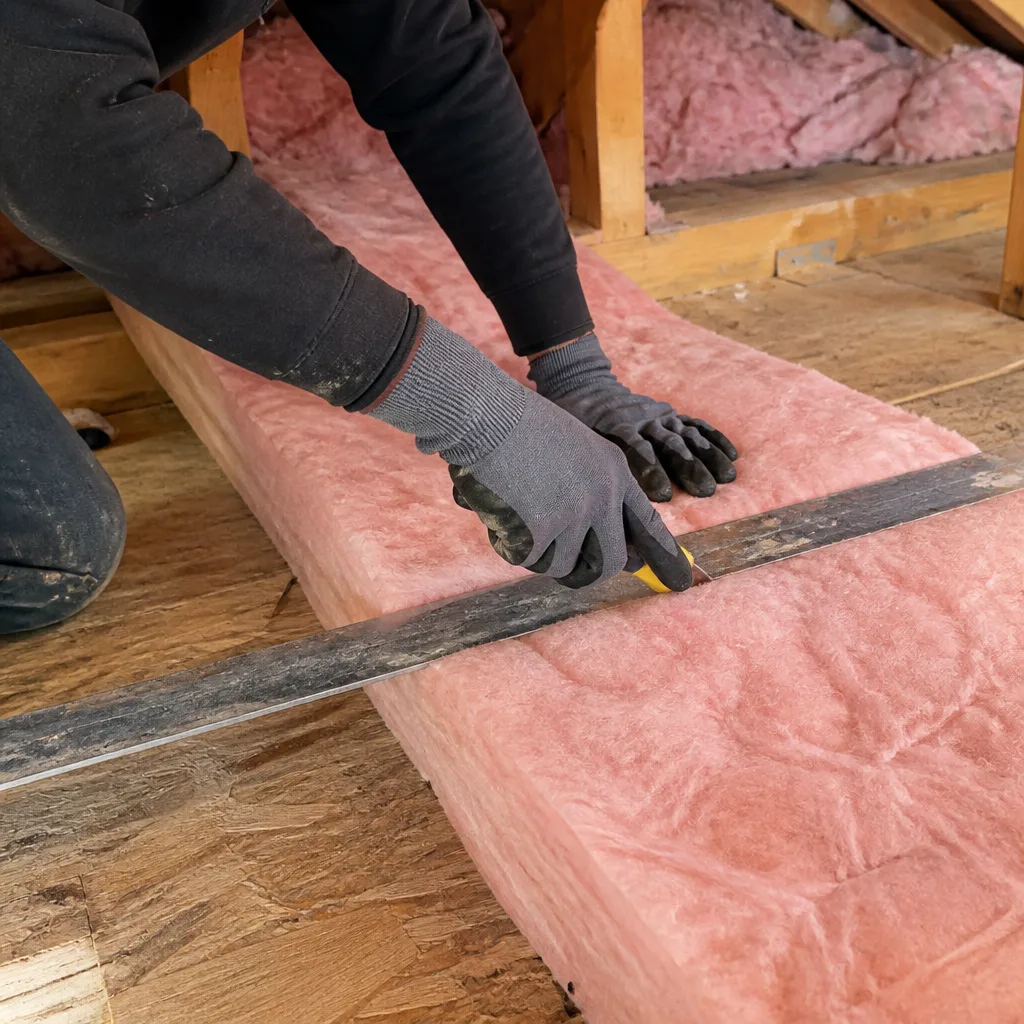
Every CertainTeed wall job follows the same sequence, whether we’re filling empty cavities in a Rogers Park two-flat or reinsulating gutted walls in Oak Park:
- 1
Site visit with blower-door test. Before any material goes in, we run a blower-door test - a calibrated pressure reading that measures how many cubic feet of outside air leak into the house per minute. We also scan the walls with an infrared camera. This tells us what’s actually in the cavities and where the air leaks are.
- 2
Written scope and price. You get a flat price, a written scope naming the CertainTeed product we’ll use or the material we’ll remove, and a written warranty. Haven Standard Clause 1: no work starts without it.
- 3
Air sealing first. We seal top plates, electrical penetrations, plumbing chases, and any other bypasses before insulation goes in. Blowing insulation over an unsealed wall cavity is like weatherproofing a coat with the zipper open.
- 4
Insulation installation. For closed cavities, we drill and fill with dense-pack fiberglass or injection foam. For open stud bays, we install the appropriate CertainTeed batt or blow-in product at the R-value your wall can actually hold.
- 5
Post-installation blower-door test and photo record. We run the blower door again and give you the before and after numbers on a printed report, along with a photo log of every air-sealing location and each filled cavity. You see the change in ACH50, not in a sentence about how the house “feels warmer.”
What CertainTeed Wall Insulation Costs in Chicago
Here are the price ranges we write on estimates for Chicago homes, based on the work we’ve done since 2016:
- Drill-and-fill dense-pack in existing walls: $2,200 to $3,800 for a typical Chicago bungalow or two-flat, depending on wall area and accessibility.
- Open-stud batt installation during renovation: $1,400 to $2,600 for a gutted room or floor where framing is exposed.
- Insulation removal and replacement due to contamination or moisture: $2,800 to $5,100, including disposal and the air-sealing pass before re-insulation.
- Rim joist air sealing and insulation: $900 to $1,800, depending on linear feet and access.
What moves the price: wall height, exterior cladding (brick veneer takes longer to drill than wood siding), existing material condition, and whether we’re working around finished interiors. Every estimate is a flat price, not a time-and-materials guess. Call (218) 261-7714 and we’ll put the number in writing before anyone lifts a tool.
Why Chicago Homeowners Call Topside Attic Insulation for CertainTeed Work
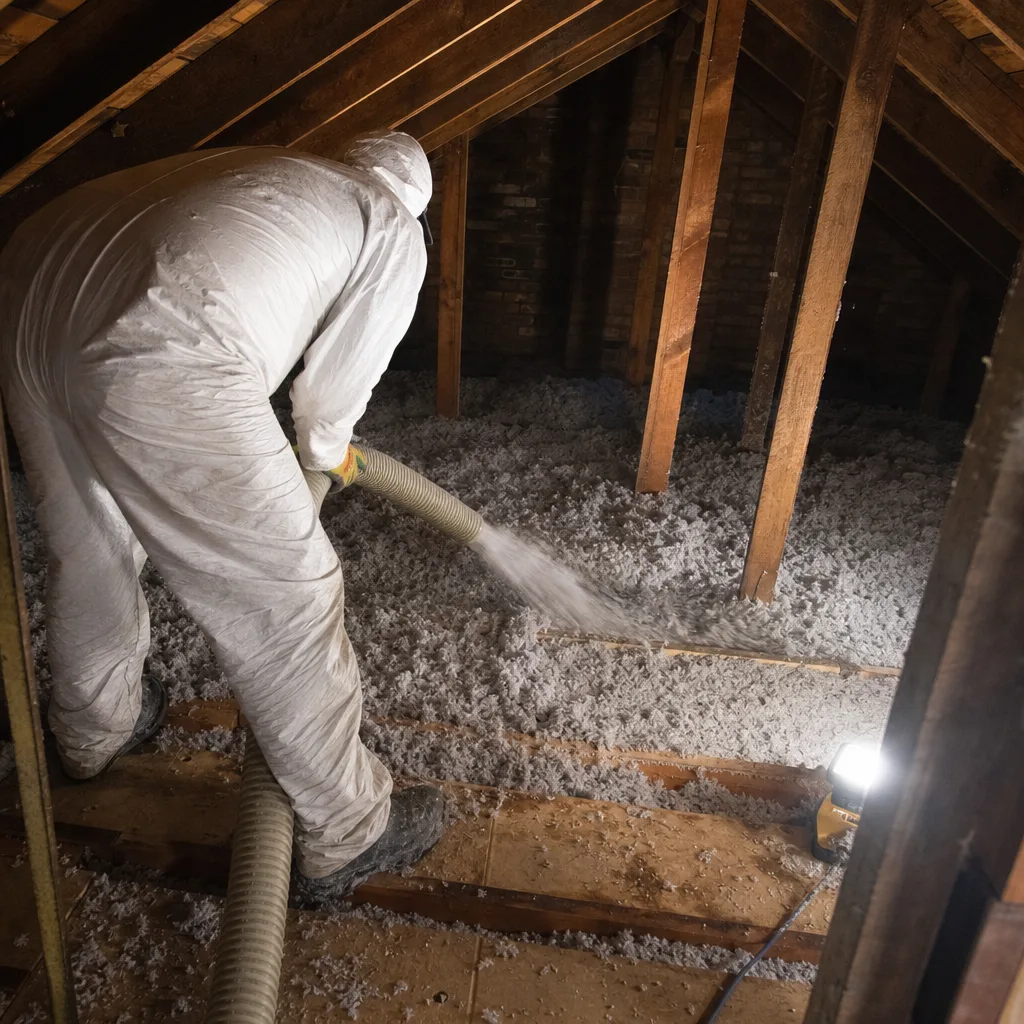
Most Chicago insulation contractors will sell you whichever brand they have a rebate arrangement with. We carry CertainTeed, Owens Corning, Johns Manville, Knauf, Rockwool, Icynene, Demilec, GreenFiber, and Reflectix, and we’ll tell you which one belongs in your specific wall assembly, not which one earns us the best margin. Wes Okafor, our owner and lead building envelope technician, grew up near Portage Park and has been doing insulation work in Chicago for over twenty years. He runs the blower door before any material goes in, and every job closes with a printed report showing pre and post ACH50 readings, installed R-values by zone, and a photo log of air-sealing locations. The 365-Day Done Right Promise backs every completed job. If it’s not done right, we make it right.
FAQs
CertainTeed offers limited manufacturer warranties that cover defects in the product itself, not installation errors, moisture damage, or air leakage. We provide a written warranty on our workmanship under the Haven Standard, which is the document that actually matters if a wall cavity fails. Bring us your CertainTeed product paperwork and we’ll confirm what the manufacturer covers before we touch anything.
Yes. If you have CertainTeed OPTIMA blown-in fiberglass, SMARTBATT, or Sustainable Insulation batts in part of the house, we can source the same product for the remainder. We’ll also tell you honestly if the existing material has failed and should come out instead of being added to. Your written scope will name the exact product and R-value going in.
Adding insulation over settled or moisture-damaged CertainTeed material is always cheaper in the short term and almost always wrong. You end up paying for the new material and the unresolved air leak or moisture problem. We price removal and replacement honestly, and the blower-door numbers will show you why removal was the right call. Call (218) 261-7714 and we’ll give you the numbers on a written estimate.
Most drill-and-fill jobs are done in one day. Removal and replacement of failed material typically takes two days. If you’re in the middle of a renovation with open stud bays, we work with your contractor’s schedule and can typically complete insulation and air sealing in the same window. Our office is answered by a live person 24/7.
Yes. A blower-door test before and after the work is standard on every applicable job we do in Chicago. That’s how we know the air sealing did what the scope said it would do, and it’s the only way to prove the insulation is actually performing in your wall assembly, not just sitting in the cavity.
Written by Wes Okafor, Owner & Lead Building Envelope Technician, Topside Attic Insulation at Topside Attic Insulation, serving Chicago and nearby areas.