
Icynene Attic Insulation: The Chicago Owner’s Guide
We stock and install Icynene open-cell and closed-cell spray foam for attic applications throughout Chicago, with most retrofit jobs running between $3,900 and $7,800 depending on square footage, roof pitch, and whether the existing insulation needs removal first. Same-day and next-day installation is available for most attic projects, and every job starts with a written price before any work begins. Most Chicago homeowners discover a problem when their heating bill spikes in February or they notice frost melting unevenly on the roof deck: a telltale sign that warm air is leaking into the attic and the existing insulation, whatever it is, isn’t doing the job anymore.
Icynene is a spray-applied polyurethane foam system that comes in two distinct families: open-cell (about half a pound per cubic foot, roughly R-3.7 per inch) and closed-cell (about two pounds per cubic foot, roughly R-6.5 per inch). The open-cell product is what we see most often in Chicago attics because it excels at air sealing, and air sealing is the first problem to solve in this climate. The closed-cell product adds structural rigidity and a vapor barrier in one shot, but it costs more per board foot and is less forgiving on older framing.
We’re an independent contractor, not affiliated with Icynene. That matters when it comes to parts and material sourcing, because we’re not locked into one manufacturer’s product line.
Which Icynene Products This Covers
Most Chicago attics we open up have one of two Icynene installs: either open-cell foam sprayed directly against the roof deck (what’s called a “hot roof” or unvented attic assembly), or foam used to seal the attic floor after removing fiberglass or cellulose that had been there for decades. The distinction matters because it tells us what went wrong and what the fix will look like. A failed hot roof usually means the foam pulled away from the sheathing or was never sprayed thick enough to hit the minimum R-49 that Chicago’s building code calls for in vented attics, or R-25 or better in unvented assemblies depending on the specific design.
Compatibility with Icynene is less about matching a specific “part number” and more about matching the foam’s density and cell structure to the application. Icynene’s open-cell products include the Classic and ProSeal lines, each with different expansion and cure profiles. The ProSeal LE, for example, was designed for low-VOC re-occupancy within two hours, which matters if you’re spraying an attic while a family with small children stays in the house. What we need to know on a service call is the age of the install, the thickness originally sprayed, and whether the foam is pulling away from the decking. Those three data points tell us whether we’re doing a targeted repair or a full removal and re-spray.
A note on materials: we also work with Reflectix radiant barrier products where the project calls for a hybrid approach, but nothing substitutes for proper foam thickness in a Chicago winter.
Signs Your Icynene Attic Insulation Is Failing
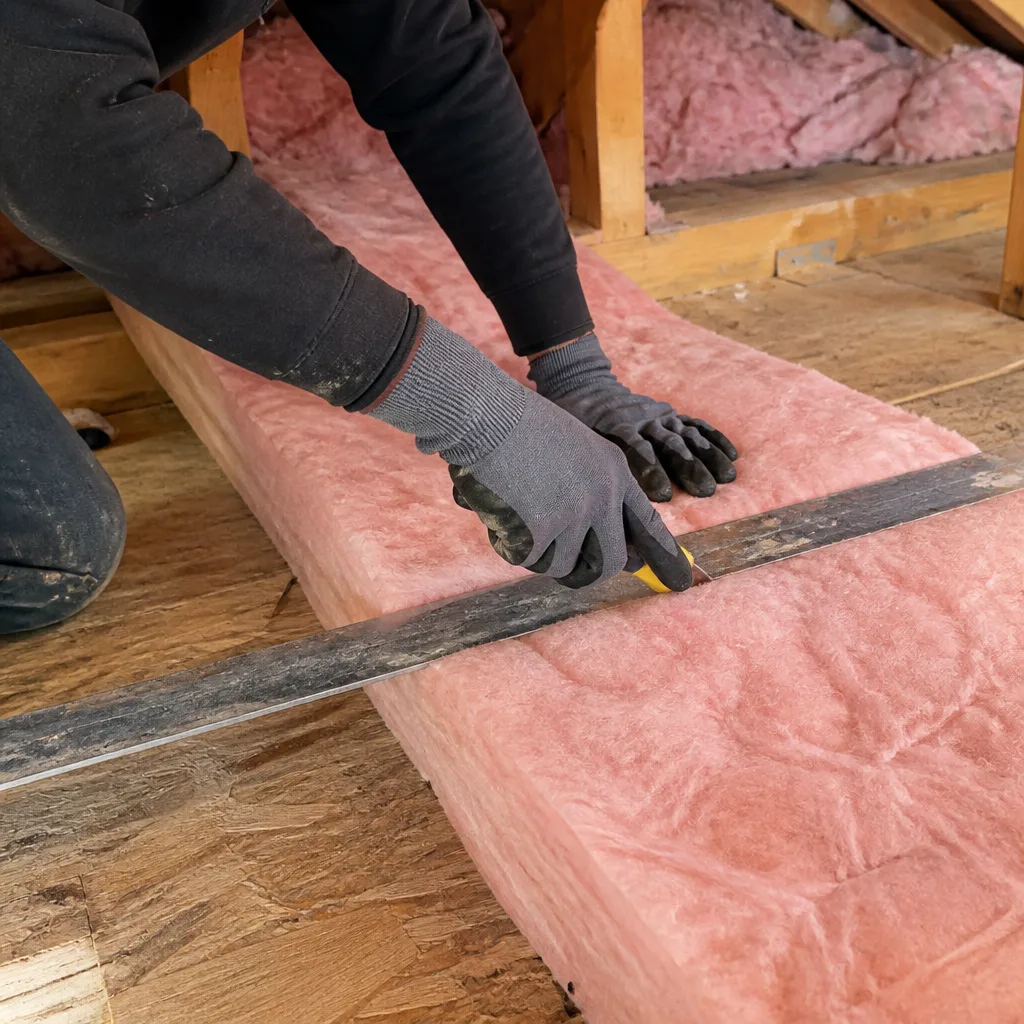
- Frost or ice damming on the roof edge. Warm air is escaping through gaps and melting snow on the roof deck, where it refreezes at the eaves. This means the air seal has failed, not just the R-value. In Chicago, ice dams can damage shingles, gutters, and interior drywall in a single season.
- Uneven snow melt on the roof. Walk outside after a snowfall and look at your roof. If some areas melt faster than others, heat is leaking unevenly through the attic assembly. With a properly sealed and insulated attic, the snow should sit uniformly until ambient temperatures warm up.
- Condensation on attic surfaces or musty smell from the hatch. Open-cell foam breathes, which is fine when installed correctly. But if the foam was sprayed too thin or pulled away from the sheathing, moisture can condense on cold surfaces and lead to mold in the foam’s cell structure.
- Rising heating bills without a change in usage. A 20% or larger jump in winter gas or electric usage, with no other explanation, usually points to air leakage through the attic plane. We’ve tested Chicago homes where a poorly sealed attic accounted for 35% of the total heating load.
- Visible gaps between foam and framing. If you can see daylight or feel a draft between the foam edge and a rafter or top plate, the foam has separated or was never properly applied. This is the most direct failure signal and the one we find most often on DIY and cut-rate installs from the 2010s.
How Much Does Icynene Attic Insulation Replacement Cost in Chicago?
For a typical Chicago attic between 800 and 1,200 square feet, here’s what we see:
- Full removal of failed foam + re-spray open-cell to R-49: $4,200 - $6,500
- Partial repair (remove separated sections, respray affected areas): $1,800 - $3,200
- Full removal + closed-cell spray to R-30 (high-performance unvented attic): $5,500 - $8,900
- Air sealing of attic floor only (no foam replacement): $900 - $1,600
The price spread comes down to removal difficulty, access (a steep-pitch roof or low headroom adds labor), and whether we’re dealing with electrical or HVAC equipment in the attic that requires masking and protection. Every quote includes the removal disposal, the foam material, the labor, and a written warranty. You get the price in writing before anything starts, and under the Haven Standard, you get a documented photo record of the work when the crew leaves. On applicable jobs, we publish before-and-after blower-door readings so you can see, in one number, how much air your attic was losing before and after the work.
If you have a written estimate from another Chicago contractor, bring it to us. We’ll read it with you at no charge under our Free Second Opinion policy.
Can You Repair Icynene Foam, or Does It Need Full Replacement?
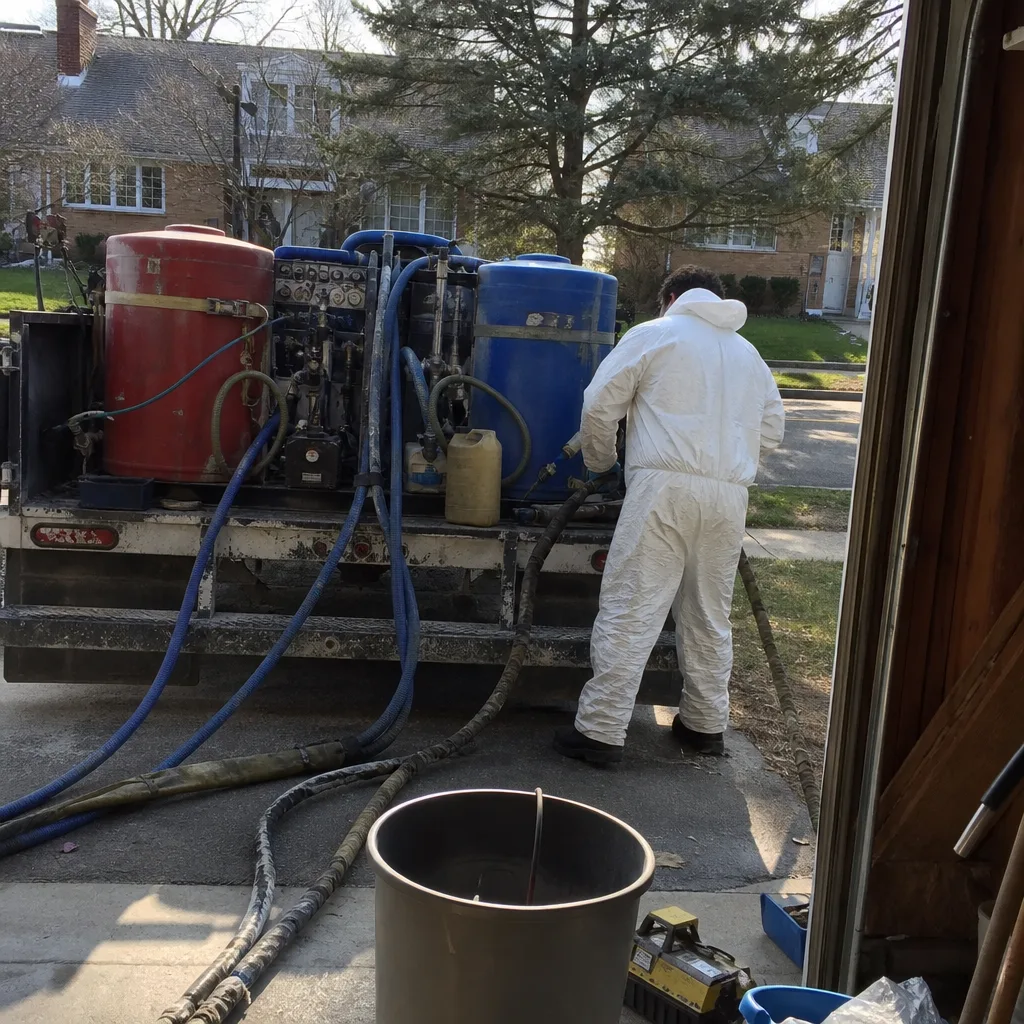
It depends on how the foam failed. If the foam pulled cleanly away from the roof deck in a few discrete areas and the rest of the install is sound, a targeted repair is possible and cost-effective. We cut out the separated sections, re-clean the substrate, and re-spray to the correct depth. But if the foam was installed too thin across large areas, or if there’s moisture damage in the cells, patching won’t fix the underlying problem. In those cases, a full removal makes more sense than throwing money at a partial fix that leaves you with an under-insulated attic.
One Chicago-specific reality: open-cell foam installed at less than 5 inches against a roof deck will underperform in our cold winters even if it looks fine. We see this in homes spray-foamed between 2015 and 2020, when some contractors cut corners on thickness to win bids. The foam isn’t “broken” in the traditional sense, but it was never adequate, and the only real fix is adding more or replacing it.
DIY or Call Us?
An attentive homeowner can check a few things without touching anything dangerous: look at the attic hatch for signs of moisture, check for uneven snow melt from the ground, and look for visible gaps between foam and framing if the attic is safely accessible. Those checks tell you whether there’s a problem, and they’re useful to have before you call anyone.
What you should not do is attempt to cut, scrape, or re-spray spray foam yourself. The removal process generates fine particulate that requires proper respiratory protection, and spray foam application is a two-part chemical reaction that must be mixed at precise ratios and temperatures to cure correctly. A botched DIY spray job can off-gas for months and will likely need full removal anyway. This is not a drywall patch situation. If your foam has failed, the fix belongs in the hands of someone who does this every week and can show you the blower-door numbers to prove it worked.
Call us at (218) 261-7714 for a written price. No obligation, and the estimate is free.
FAQs
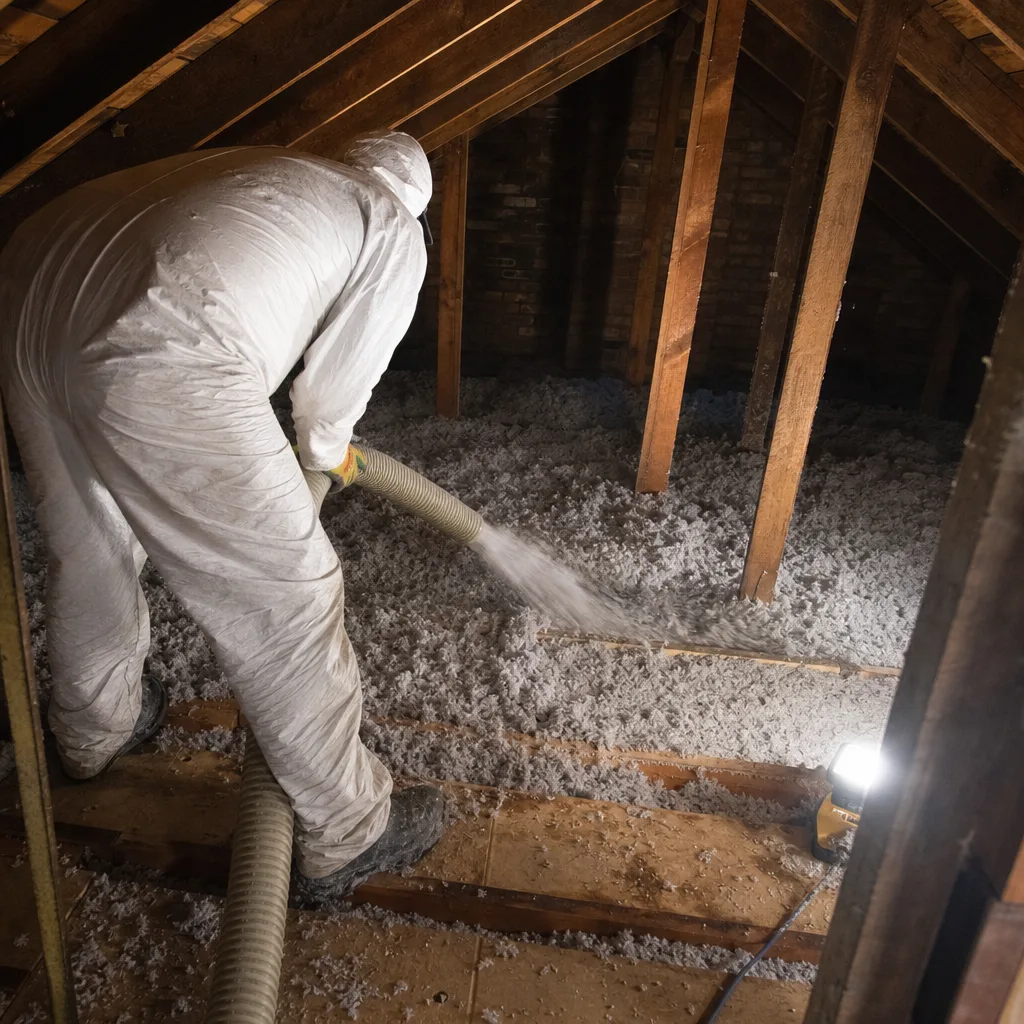
Properly installed Icynene foam should last 40+ years, and the material itself doesn’t degrade like fiberglass or cellulose. What fails in Chicago is typically the installation, not the product. If the foam pulls away from the decking or was never sprayed thick enough, you’ll see performance problems within 5 to 10 years. Call us at (218) 261-7714 and we’ll tell you whether the problem is the material or the original install.
Yes, Icynene foam can be repaired in many cases, and the repair involves cutting out the separated or damaged sections and re-spraying those areas to the correct depth. Full replacement is only necessary when the foam was installed too thin across large areas or has absorbed moisture throughout the cell structure. We’ll give you a straight answer either way, and the quote is free.
A partial repair usually takes one day, and a full removal and re-spray typically takes one to two days depending on attic size and access. We’ll give you a written scope with the expected timeline before any work starts, and you’ll get a text when the crew is on the way.
We keep Icynene open-cell and closed-cell foam materials in stock at our Chicago location, so we can usually schedule installation the same week we inspect the attic. For larger jobs, we’ll order additional material with a confirmed lead time and keep you informed. Call (218) 261-7714 for availability and a written quote.
Written by Wes Okafor, Owner & Lead Building Envelope Technician, Topside Attic Insulation at Topside Attic Insulation, serving Chicago and nearby areas.