
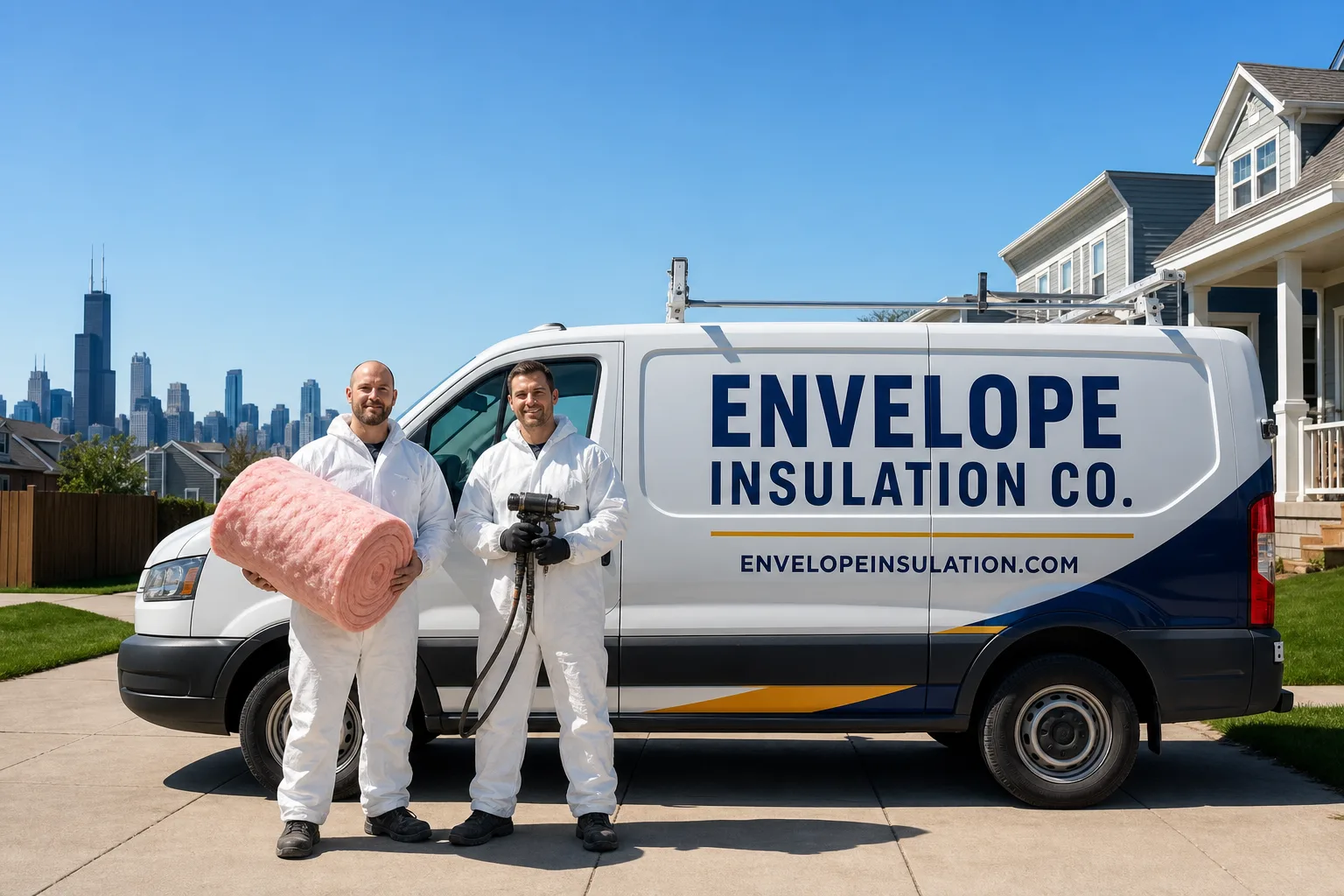
Fast, Reliable Crawl Space Encapsulation & Vapor Barrier Across Yonkers
Crawl space encapsulation in Yonkers typically runs $5,800-$11,500 depending on square footage, access, and whether we’re adding a drainage mat, and most jobs are completed in one to three days. That’s the number you’re looking for, and it should be written down before anyone lifts a tool. Our crews serve Yonkers neighborhoods from Nodine Hill to Park Hill, and we schedule most encapsulation jobs within five business days. Call (218) 261-7714 if you want a written price in hand, not a callback window.
Why Topside Attic Insulation Is Yonkers’s Preferred Crawl Space Encapsulation & Vapor Barrier Company
We’ve sealed and insulated over 9,000 homes since 2016, and every single one closed with a written scope, a written warranty, and a photo record the homeowner kept. In Yonkers, that matters more than in the newer Westchester suburbs, because the housing stock here predates the modern vapor barrier by about 70 years. Our crews work in attached row houses, side-by-side two-families, and alley-load townhomes near Getty Square regularly, which means we’ve already encountered the access problems, the old wiring, and the hidden wall cavities that define crawl space work in this city.
Here’s what Yonkers homeowners get from us that they won’t get from a generalist insulation crew: before we lay a single foot of liner, we trace how the crawl space connects to the rest of the house. In a city where balloon-frame construction runs from sill plate to roof ridge without fire blocking, that step is not optional. It’s the difference between a vapor barrier that stops moisture and one that just moves it upstairs.
Our Crawl Space Encapsulation & Vapor Barrier Services in Yonkers
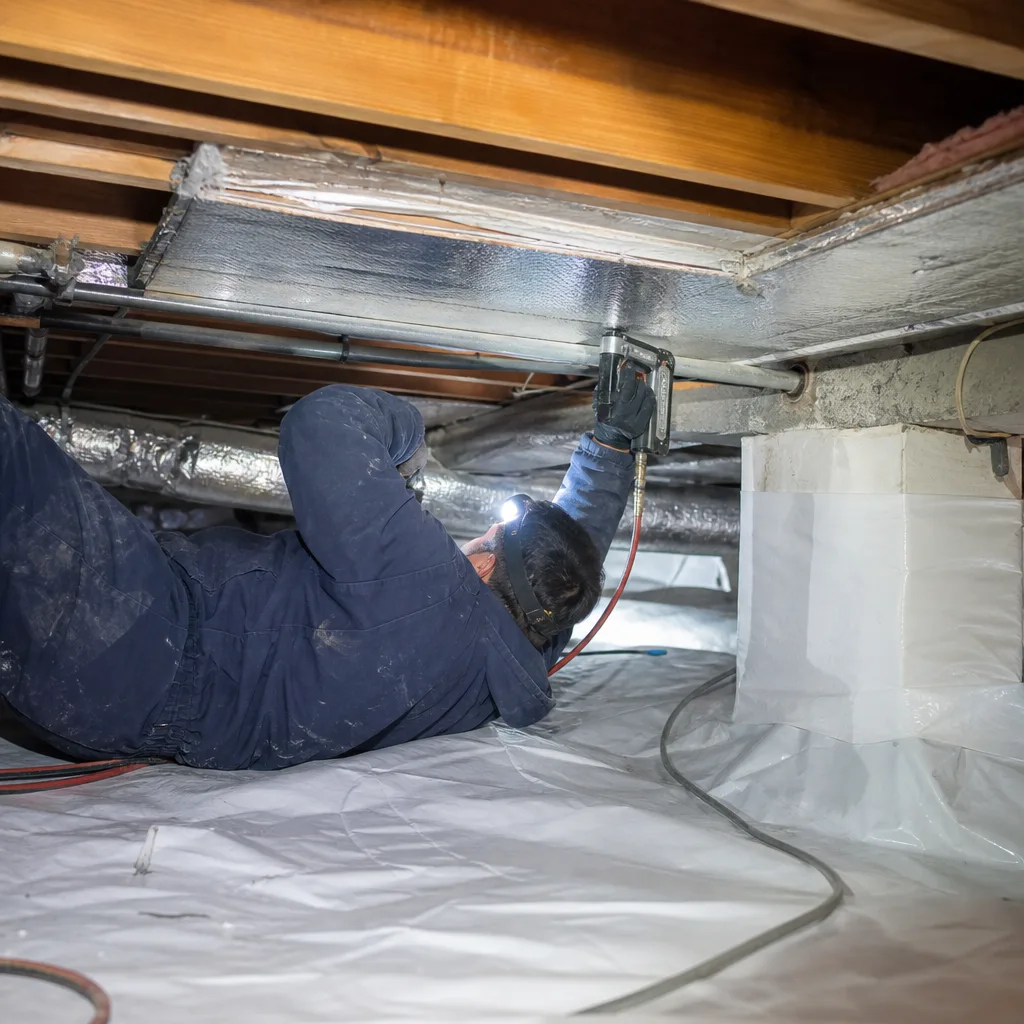
We offer the full crawl space line: vapor barriers, full encapsulation, crawl space insulation, and moisture control. All of it starts with a written price under Haven Standard Clause 1, and all of it closes with a documented record. To be clear on what that means: you get the flat price, the written scope, and the written warranty before any work begins. The photo record is included. If a job needs blower-door readings, you get the before and after numbers in writing.
Crawl Space Vapor Barrier
A 12-mil reinforced vapor barrier over a properly prepared dirt or gravel floor is the base layer of any crawl space job in Yonkers. We seal the barrier to the foundation walls, not just lay it on the dirt and hope. In the older two-family homes along South Broadway and in Nodine Hill, a loose 6-mil sheet with taped seams is the most common failed repair we see, and it fails because nobody sealed the perimeter or the seams held up. Our liner goes down after the floor is graded and any sharp debris is removed, and it gets mechanically fastened at every wall.
Crawl Space Encapsulation
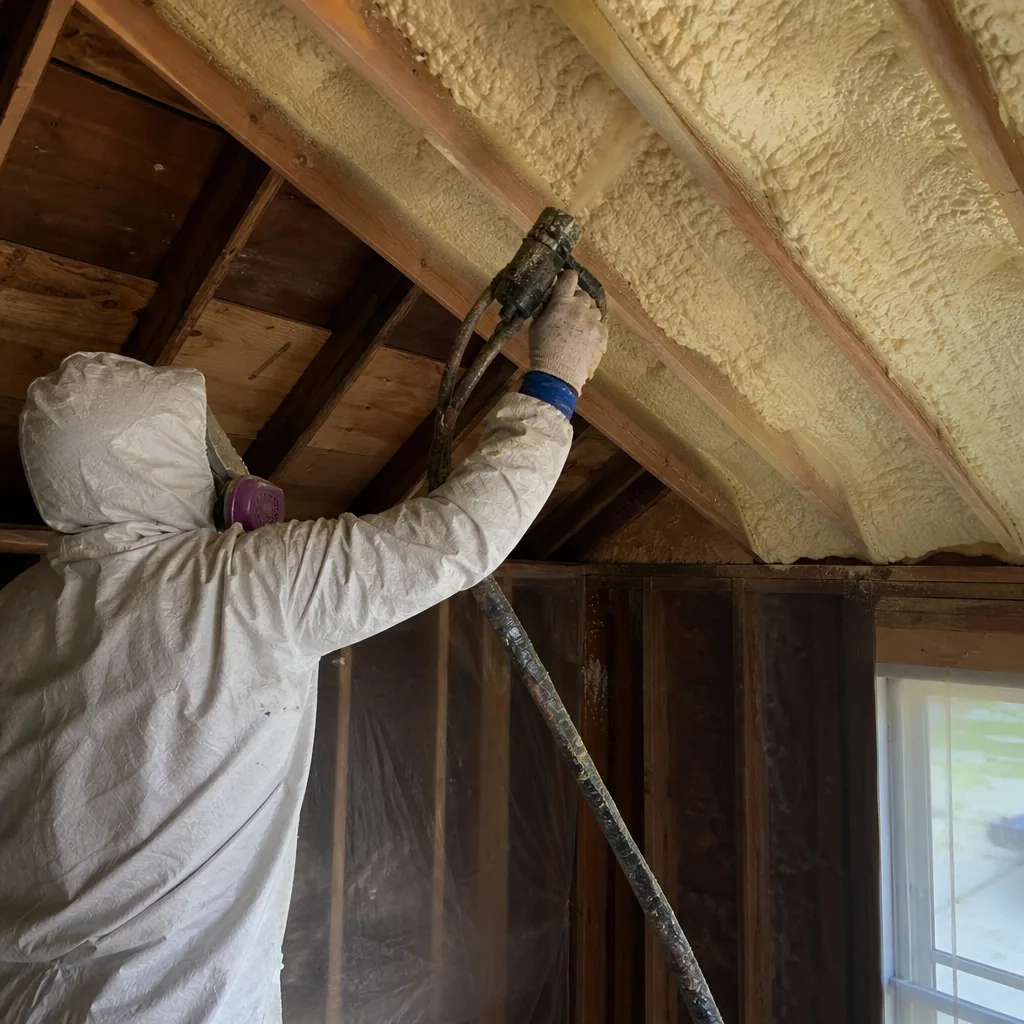
Full encapsulation means the crawl space is sealed: vapor barrier on the floor and up the foundation walls, foundation vents closed, rim joists air-sealed, and a dehumidifier sized for the cubic footage. In Yonkers’s attached row houses, we often need to discuss with a neighbor before sealing a shared foundation wall. It’s a conversation we’ve had many times in Park Hill and the Hollow, and it’s part of the job, not an obstacle. The goal is a crawl space that stays under 60% relative humidity year-round, even when the Hudson Valley gives us a wet spring.
Crawl Space Insulation
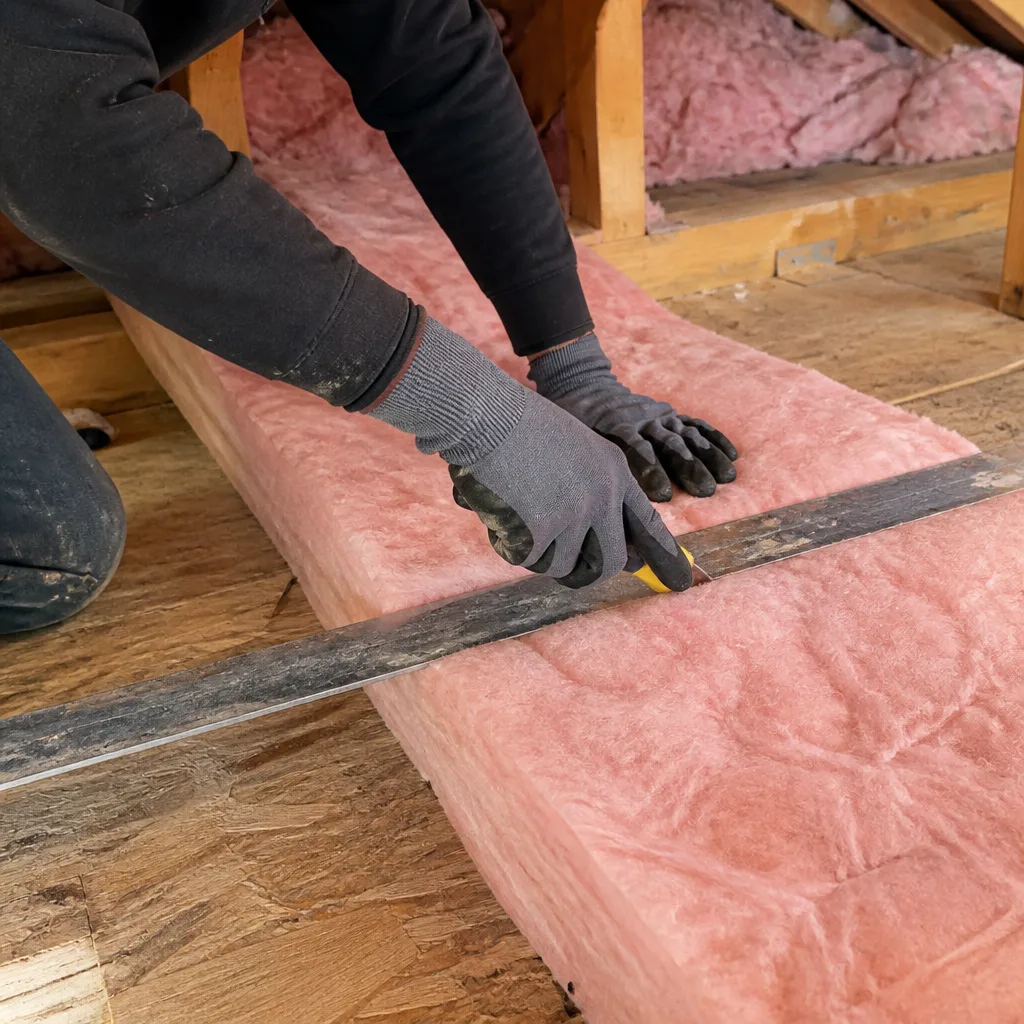
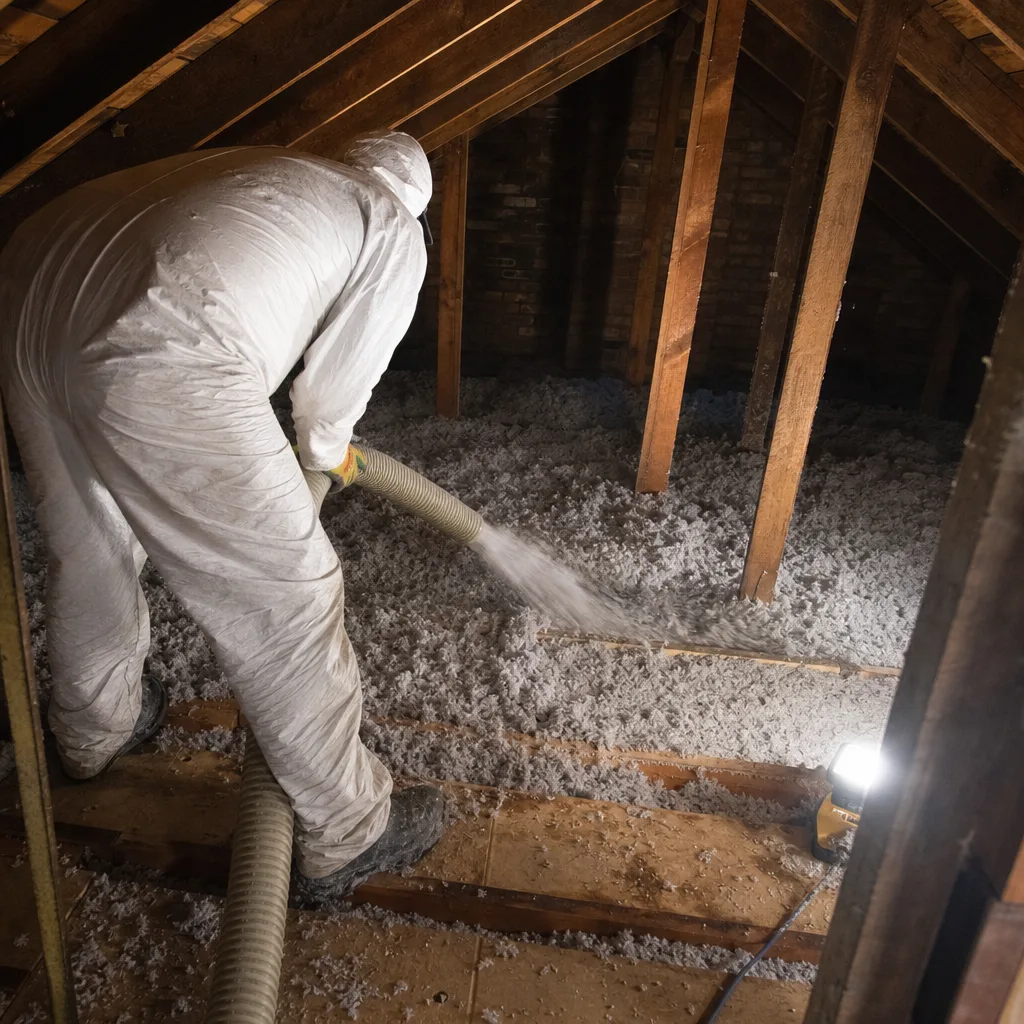
If the crawl space is being encapsulated, the right insulation detail changes. We typically move the thermal boundary to the foundation walls rather than stuffing fiberglass batts into the floor joists above, a detail that prevents condensation on the joists when warm interior air meets cold floor framing. In Yonkers’s pre-war stock, we also check for open chases into balloon-framed wall cavities before we recommend any insulation approach. Insulating over an unsealed chase is how first-floor walls get moldy after a crawl space looks dry.
Crawl Space Moisture Control
Moisture control is broader than a vapor barrier. It means addressing where water enters, not just where it condenses. For Yonkers homes in the riverfront sections of the Hollow, nor’easter flooding pushes groundwater up through the slab, which is why we often recommend a drainage mat beneath the liner so hydrostatic pressure doesn’t balloon the barrier. For homes without active water intrusion, the solution often starts with cleaning out old debris, running a dehumidifier, and sealing the penetrations where plumbing and wiring pass through the band joist. Crawl Space Encapsulation & Vapor Barrier work is only as good as the air sealing that follows it.
What happens when you call
- 1
A real person answersNo phone trees - you reach a local pro.
- 2
You get an upfront price rangeHonest numbers before anyone is dispatched.
- 3
A background-checked tech heads outLicensed & insured, dispatched right away.
- 4
You approve before work beginsNothing starts until you say go.
Trusted Brands We Service in Yonkers
We stock and install materials from Owens Corning, Johns Manville, and Knauf, which means most crawl space jobs in Yonkers don’t wait on a special order. You won’t get locked into a proprietary product line that only one company can service. If the liner needs a patch in five years, the material is available off the shelf. For Yonkers homeowners who’ve read the three-star reviews as carefully as the five-star ones, that matters: the product doesn’t become an orphan.
Common Crawl Space Encapsulation & Vapor Barrier Problems We See in Yonkers Homes
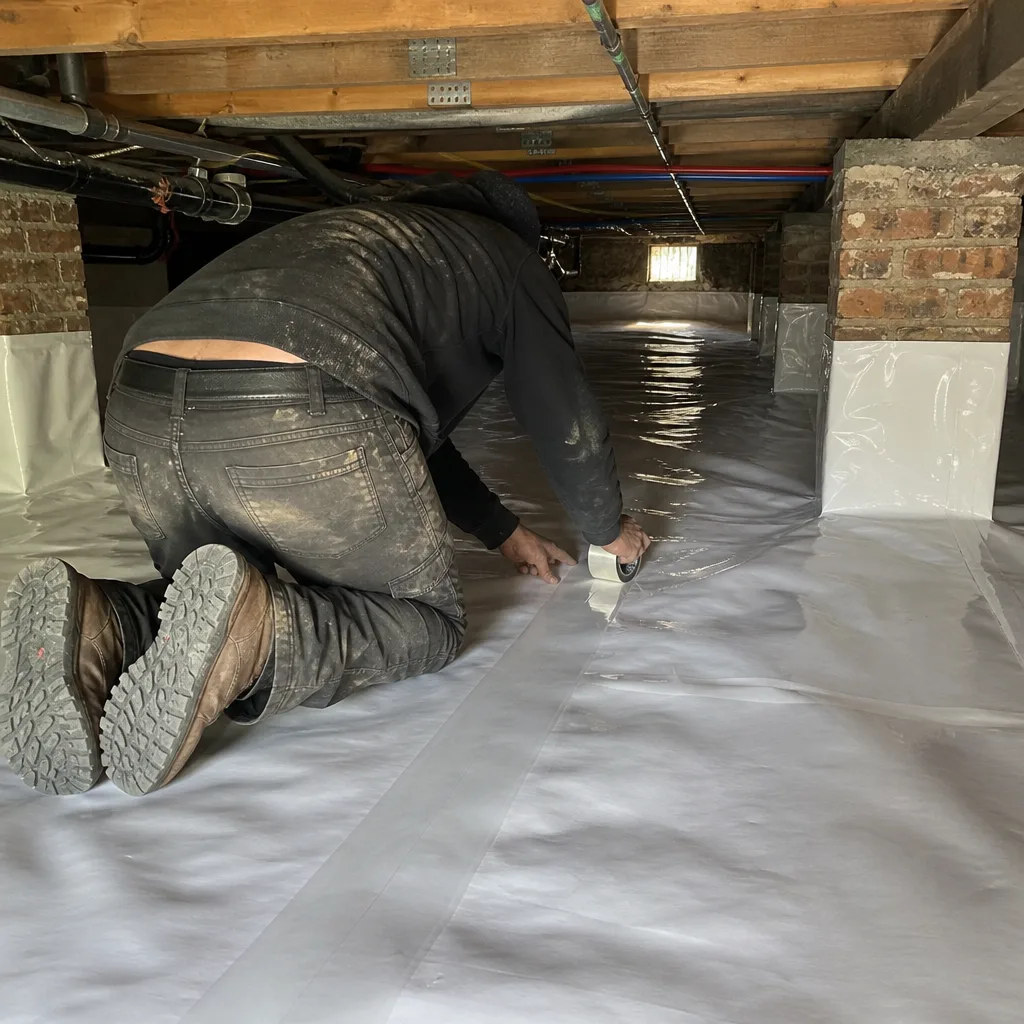
- Failed 6-mil liners with duct-tape seams. We see this block after block in the two-family wood-frames of Nodine Hill and the Hollow. A previous owner lays down poly over bare dirt, tapes the seams, and within two years the tape has let go and the crawl space is back to 80% relative humidity. The fix is a reinforced liner with a proper seam bond, not better tape.
- Vented crawl spaces under kitchen additions with open chases into wall cavities. Yonkers’s balloon-frame construction means the wall studs run uninterrupted from the foundation up to the roof. If the crawl space under a rear kitchen addition is left vented, river-humid air climbs the wall cavities and shows up as musty smells in the second-floor bedrooms. Sealing the chase is not a side note; it’s the only reason to encapsulate that crawl space at all.
- Mold migrating up the band joist in alley-load townhomes near Getty Square. When the crawl space access hatch is smaller than a standard door, some crews rush the perimeter seal at the back wall. Water vapor finds the gap, condenses on the band joist, and within a season you’ve got mold growth running along the framing. Tight access is a reason to take more care, not less.
- Hydrostatic pressure ballooning standard liners in riverfront blocks. In the Hollow and other low-lying sections near the Saw Mill River, groundwater rises during heavy storms. A standard barrier laid over dirt gets pushed up and torn when the water table climbs. A drainage mat under the liner and a sump pump tied into the system is standard practice for those blocks, not an add-on we mention after the first failure.
Pricing for Crawl Space Encapsulation & Vapor Barrier in Yonkers, NY
Most crawl space vapor barrier installations in Yonkers run $1,800-$3,400 for a typical attached row house or two-family with a 600-900 square foot crawl space. Full encapsulation with a dehumidifier and rim joist air sealing typically lands between $5,800 and $11,500. If you’re in a riverfront block needing a drainage mat and sump pump work, add roughly $1,200-$2,800. We write the number down before we start. You call, we inspect, you get a flat written price with a written scope and a written warranty under the Haven Standard. A free second opinion on any written estimate is standard: bring us a competing quote, and we’ll read it with you line by line.
We Also Serve Cities Near Yonkers
If you’re in Mount Vernon or New Rochelle, we serve those communities too. The housing stock is similar: pre-war two-families, attached row houses, the same balloon-frame conditions. Our Crawl Space Encapsulation & Vapor Barrier in Yonkers page covers local conditions, but dispatch is coordinated from our New York City office for all three communities. Call (218) 261-7714 and you’ll get a named technician, not a routing service.
Serving Yonkers, NY - Our Local Coverage Area
We’re based in the Yonkers area and know this community well. Use the map below to see our service coverage - if you’re nearby, we can almost certainly help.
FAQs - Crawl Space Encapsulation & Vapor Barrier in Yonkers
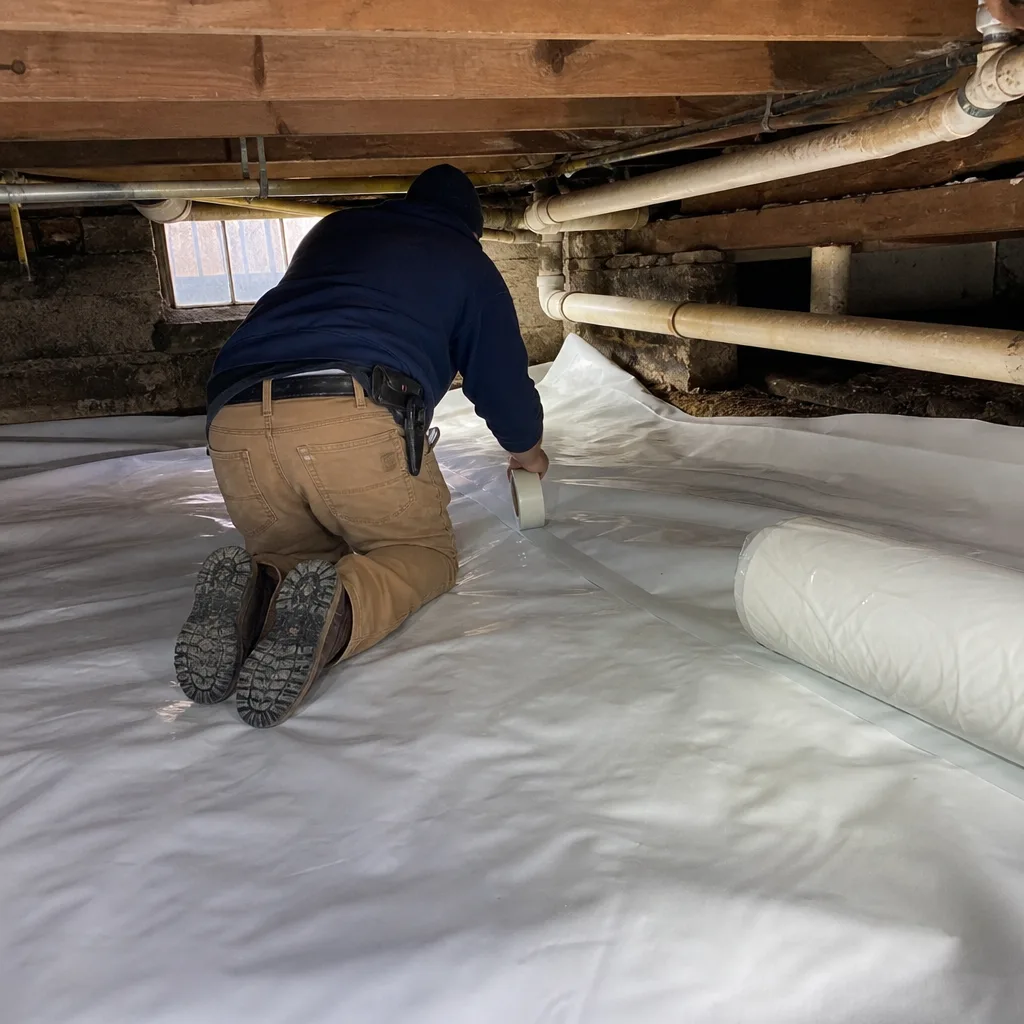
New York State Energy Code requires a minimum 6-mil vapor barrier for crawl space floors, but code minimum is not what we install in Yonkers’s pre-war stock. We use a reinforced 12-mil liner for every encapsulation job because the smaller crawl space access points common in this city mean the liner takes more abuse during installation and because a failed 6-mil liner is the single most common repair we get called to fix. A thicker liner with properly sealed seams holds up against the moisture load that comes off the Saw Mill River watershed and the Hudson Valley’s wet spring and fall seasons. If you have a written estimate from another contractor, bring it in; we’ll give you a free second opinion so you can compare what’s actually being installed. Call (218) 261-7714.
Yes, and we do it regularly in Park Hill and along the South Broadway corridor. The shared foundation wall gets treated from our side: vapor barrier installed up to the party wall, air sealing at the rim joist where it crosses the neighbor’s side, and a conversation with the neighbor before we seal anything that might affect their side. In practice, most attached row houses in Yonkers have independent crawl spaces separated by a masonry or wood party wall, so full encapsulation is straightforward. When the crawl space is shared or open between units, we scope the work to address our client’s half and document exactly where the boundary falls. Call (218) 261-7714 for a written quote that spells out the shared-wall plan.
We’ve worked in enough alley-load townhomes near Getty Square to know the entry door is often the hardest part of the job, and it’s never a reason to cut corners. Our technicians are trained to work in tight accesses, and we bring materials in through whatever opening exists. The critical detail is sealing the liner at the back foundation wall, which is the spot lesser crews skip when space is tight. We don’t skip it. The perimeter seal goes all the way around, and we document every seam with photos in the record you get at the end. Call (218) 261-7714 and we’ll schedule the inspection around your parking and access reality, not the other way around.
Yes, and it works like this: New York State Energy Code says you cannot cover live knob-and-tube wiring with insulation, and in a crawl space that shares chases with balloon-framed walls, the wiring often runs through the same cavities we need to seal. Before we encapsulate, we identify any live knob-and-tube in the crawl space and the connected wall chases. If it’s active, the electrical work needs to happen before we install the liner and insulation. We coordinate that with a licensed electrician, and the written scope will list the electrical remediation as a separate line item. We don’t blow insulation over live knob-and-tube, and we don’t seal wall cavities with active wiring trapped inside. It’s a safety issue and a code issue, both of which should be handled by trained professionals, not ignored to close a sale. Call (218) 261-7714 if you know your Yonkers home has original wiring; we’ll help you plan the sequence.
Because the crawl space is still breathing into the wall cavities. In Yonkers’s balloon-frame row houses, the stud bays run unbroken from the foundation up to the roof, and many crawl spaces have open chases where plumbing and wiring pass up through the floor and into those bays. If the crawl space stays vented and damp, that humid air rises through the chases and condenses inside the first-floor walls, even if the attic got new insulation last year. The insulation doesn’t stop air movement; it just gives the moisture a new surface to condense on. Until the crawl space is sealed and the chases are closed at the rim joist, the mold comes back. We see this pattern repeatedly in the brick attached row houses of Park Hill and the Hollow, and it’s the central reason our Crawl Space Encapsulation & Vapor Barrier process starts with air sealing, not with liner. Call (218) 261-7714 for a written inspection plan.
Written by Wes Okafor, Owner at Topside Attic Insulation, operating under The Haven Standard since 2016.