
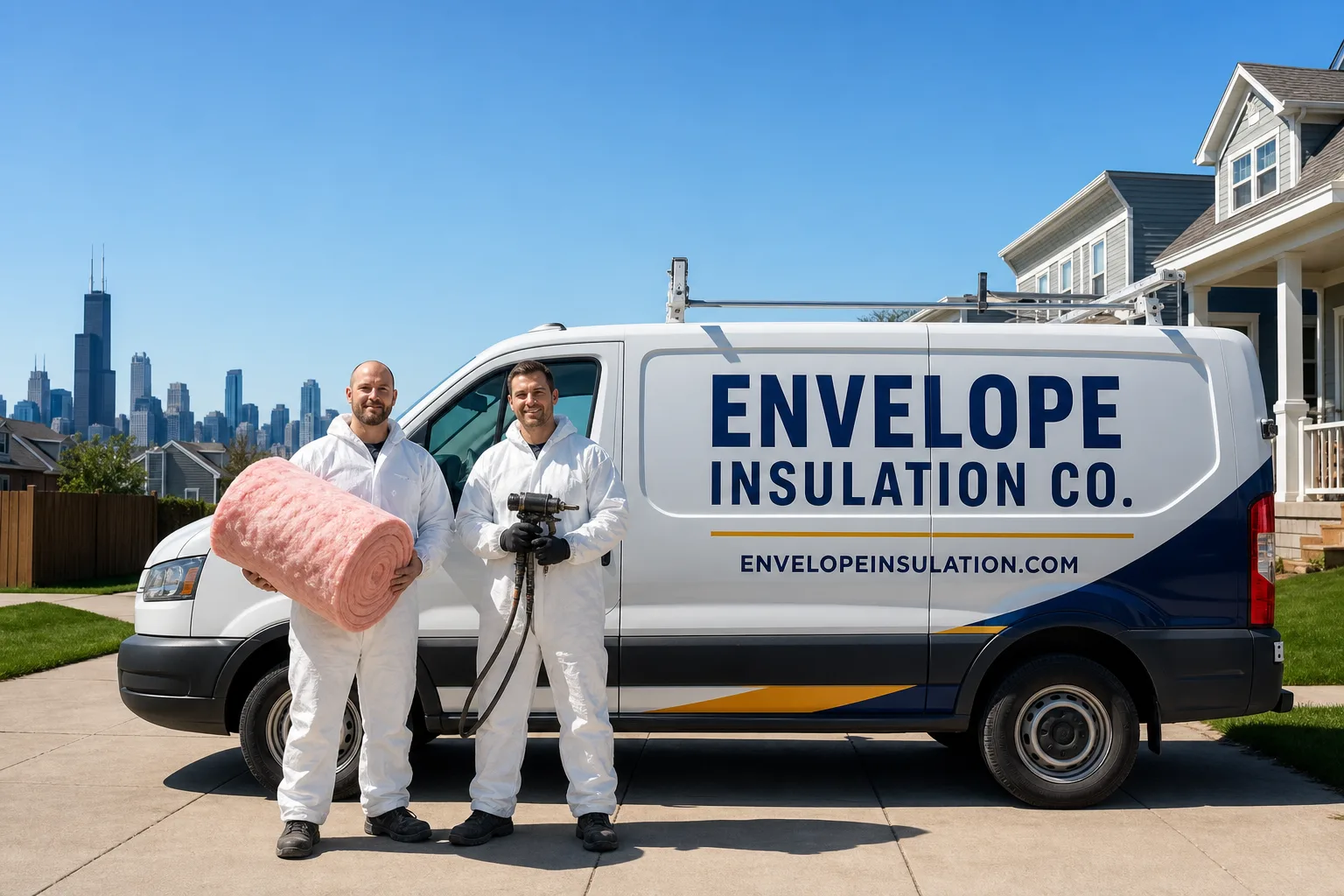
Insulation in Rock Hill, SC
Spray foam insulation in Rock Hill runs roughly $1.50 to $4.50 per board foot for open-cell and $2.50 to $6.50 for closed-cell, depending on depth and access. Rock Hill’s mix of pre-1950 mill-village cottages and new Zone 3A-code subdivisions means the right material and install method depend heavily on the house. Call (218) 261-7714 for a written price before any work starts.
Why Rock Hill Homes Are Different
Rock Hill sits in IECC Climate Zone 3A, where summer cooling loads drive energy bills and inward vapor drive during hot, humid Piedmont summers creates real moisture risk if insulation or air sealing is misapplied. The city’s housing stock is bimodal: early-to-mid-20th-century mill-worker cottages near the old Springs Industries sites along the Catawba River corridor, built with balloon-frame construction and little to no wall or attic insulation, sit alongside waves of 1990s-2000s tract homes and rapid 2010s-2020s new construction driven by Charlotte spillover growth.
Those older mill-village homes frequently have open balloon-frame cavities or compressed, degraded fiberglass batts performing far below rated R-values. The newer subdivisions fall under South Carolina’s Zone 3A energy codes, which differ meaningfully from the Zone 4A requirements Charlotte-based contractors are used to enforcing just 25 miles north. Homeowners getting quotes from NC-based crews should verify that the R-values bid and the SC contractor license actually match what York County requires.
Our Main Rock Hill Services
Two services get the most calls from Rock Hill homeowners: attic insulation retrofits in the older mill-village stock, and crawl space encapsulation in the humid Zone 3A climate that keeps ground moisture active year-round. Here’s how each works in this city.
Attic Insulation in Rock Hill
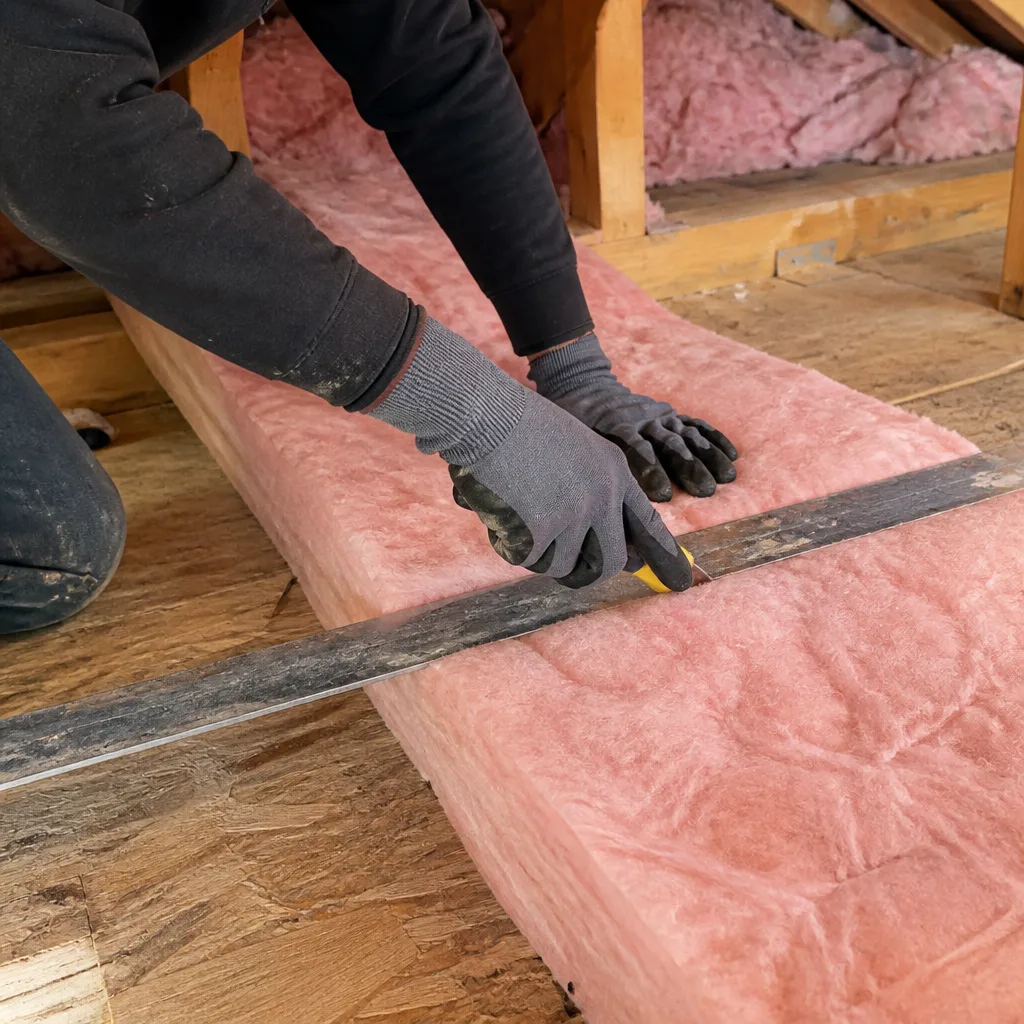
Most Rock Hill attics we open have either nothing in the floor cavities or a thin layer of fiberglass that settled below the top plates years ago. In the pre-1950 cottages near the old mill sites, we commonly find open balloon-frame chases that let conditioned air pour straight up into the attic. The fix starts with air sealing, then insulation goes in on top. Attic Insulation in Rock Hill covers the full scope, pricing, and what a blower-door reading before and after typically shows.
Crawl Space Encapsulation & Vapor Barrier in Rock Hill
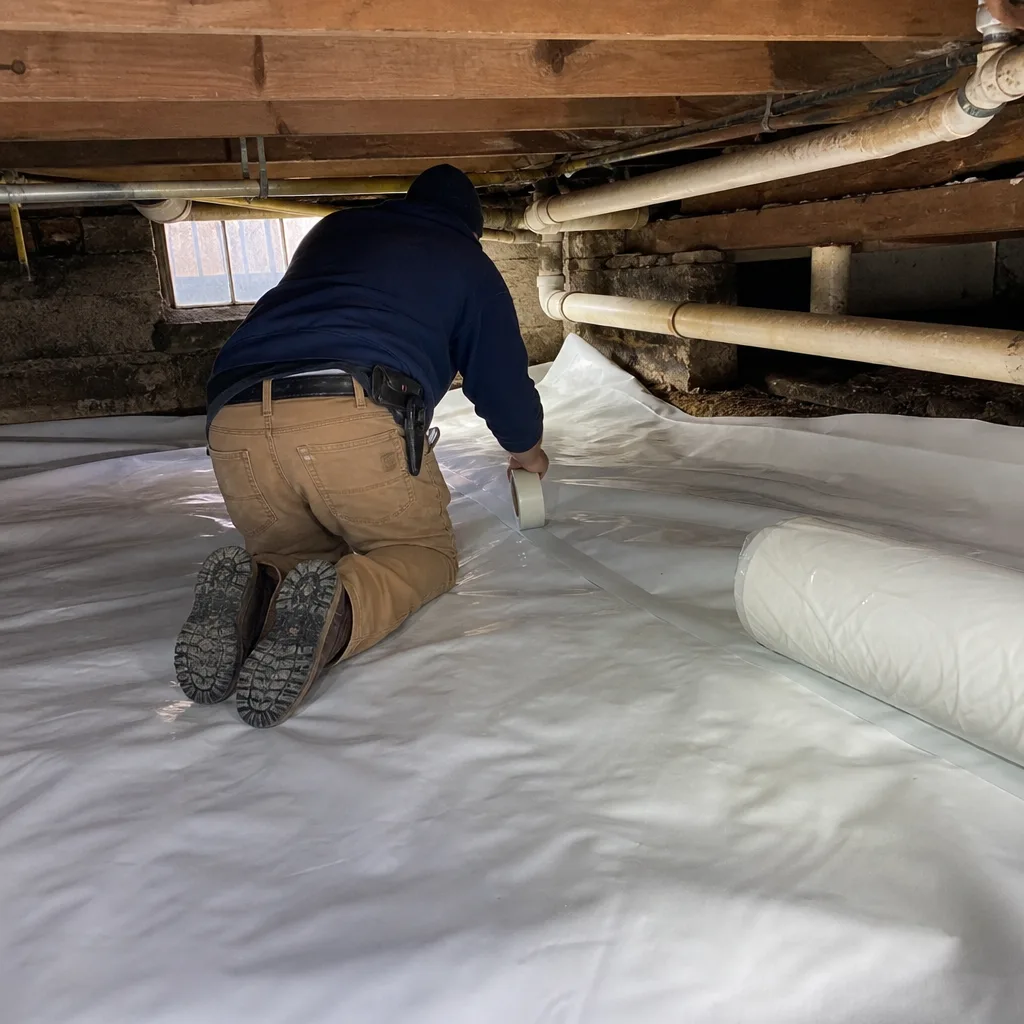
Zone 3A humidity means a vented crawl space in Rock Hill pulls damp air into the home for roughly eight months of the year. In older cottage stock with pier foundations or shallow crawl spaces, we see rim-joist gaps and bare dirt floors that keep indoor humidity high even when the AC runs constantly. Sealing and encapsulating that space changes the whole house. Crawl Space Encapsulation & Vapor Barrier in Rock Hill details the process and what it costs here.
What happens when you call
- 1
A real person answersNo phone trees - you reach a local pro.
- 2
You get an upfront price rangeHonest numbers before anyone is dispatched.
- 3
A background-checked tech heads outLicensed & insured, dispatched right away.
- 4
You approve before work beginsNothing starts until you say go.
Spray Foam Insulation in Rock Hill
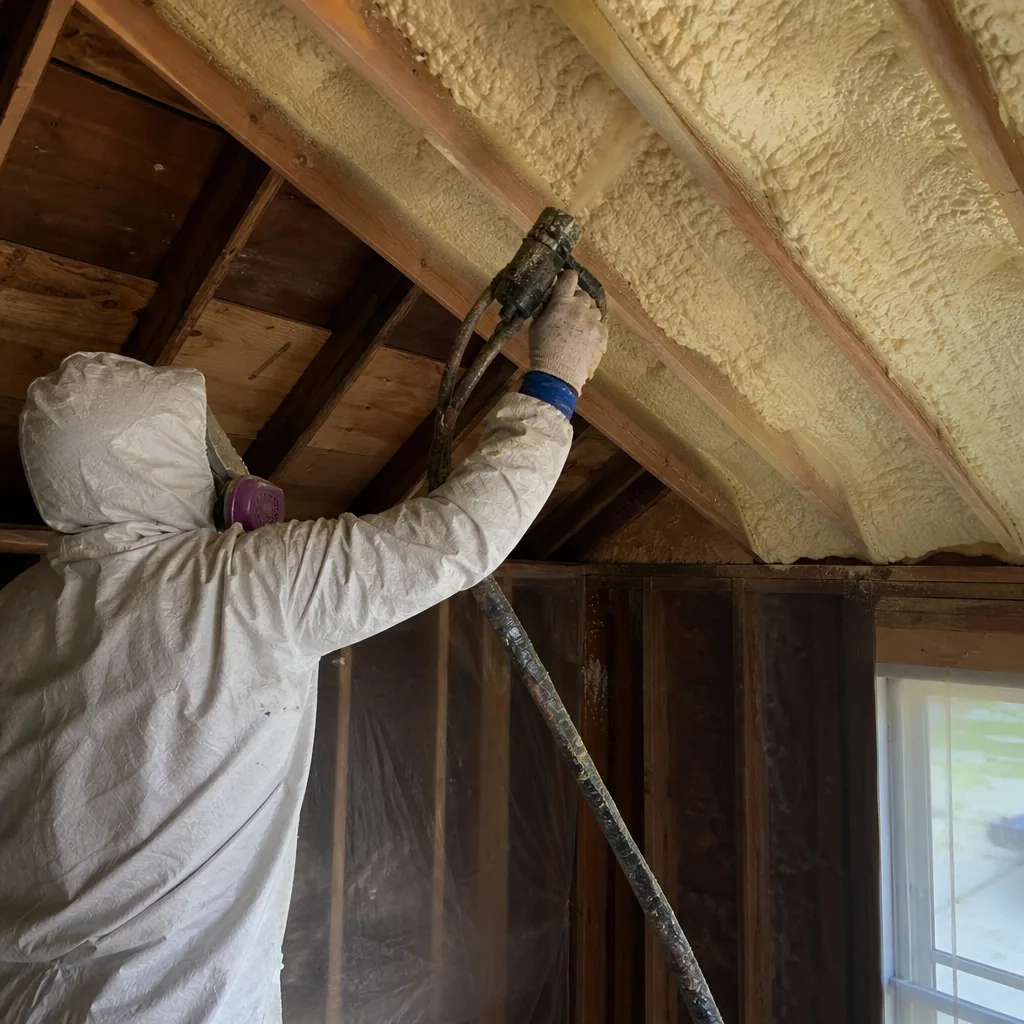
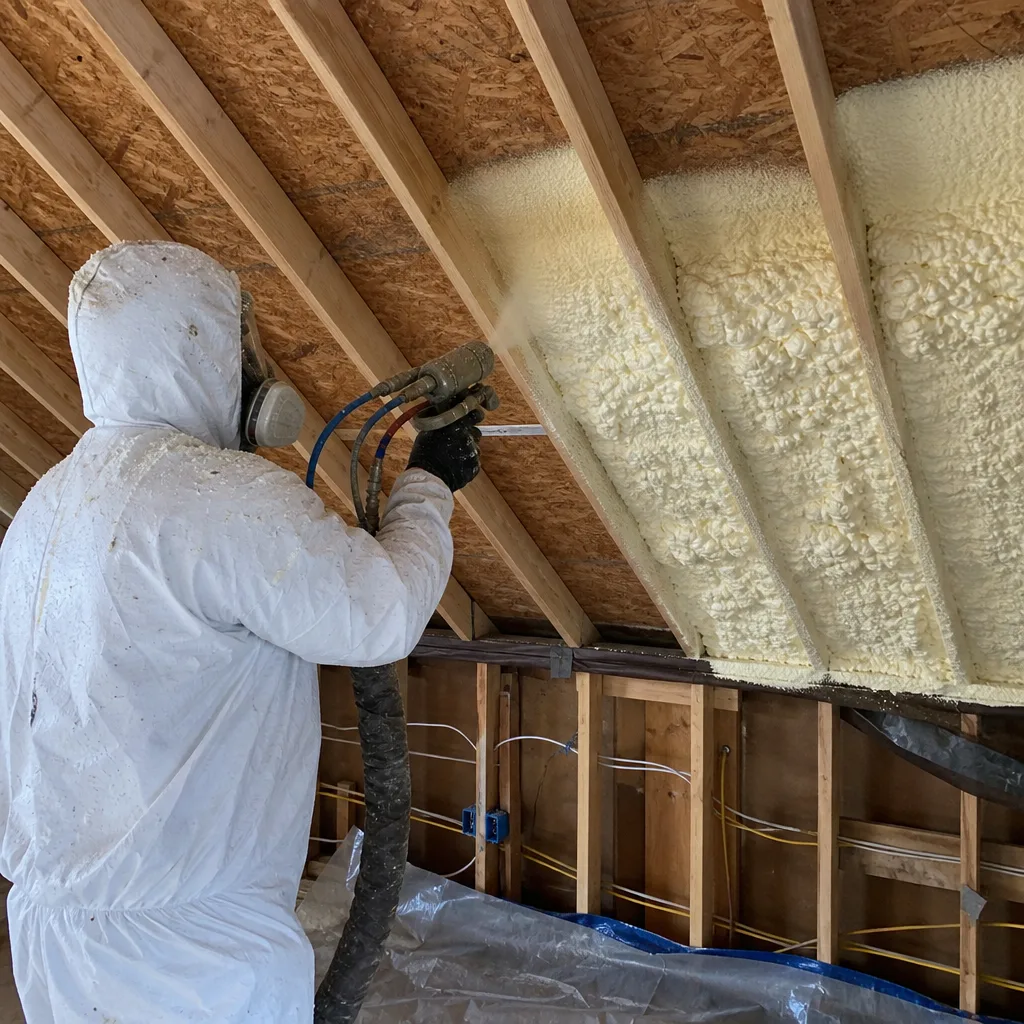
Spray foam insulation in Rock Hill answers two problems at once: the high summer cooling loads that dominate Zone 3A energy bills, and the air leaks that come built into the city’s older mill-village cottages and balloon-frame walls. Closed-cell foam is the most common choice here for unvented attic roof decks and rim joists, because it also functions as a vapor retarder on the correct side of the assembly, which matters in a warm-humid climate where inward vapor drive is the real threat. Open-cell is a better fit for interior wall cavities and sound control when cost per board foot is the deciding factor. Our crews handle both, along with specialty applications like garage ceilings and rim joists, and we publish before-and-after blower-door numbers on every foam job where the whole envelope is being addressed. Spray Foam Insulation explains our full approach.
Open-Cell Spray Foam
Signs you need it
Your second-floor rooms run five to eight degrees warmer than the first floor through July and August, and the attic floor has gaps around top plates or can lights that fiberglass batts simply lie over without sealing.
What it costs in Rock Hill
Open-cell spray foam in Rock Hill typically runs $1.50 to $4.50 per board foot installed, with most full attic floor or roof deck jobs landing between $3,500 and $9,500 depending on square footage and depth.
How we do it
We seal top plates, can lights, and penetrations first, then spray the open-cell foam to the specified depth, let it cure, and run a blower-door test to document the before-and-after CFM50 reading.
Closed-Cell Spray Foam
Signs you need it
Your attic is being converted to living space, or your rim joist bays are bare and leaking air into the crawl space, and you need an air barrier plus a vapor retarder in one product.
What it costs in Rock Hill
Closed-cell spray foam in Rock Hill typically runs $2.50 to $6.50 per board foot installed, with rim joist packages usually $2,200 to $5,500 and full unvented roof decks ranging $8,000 to $18,000.
How we do it
We prep and mask the area, spray the closed-cell foam at the specified depth to create an air and vapor barrier in one pass, then document the finished depth with photos and a blower-door reading on envelope jobs.
What Spray Foam Insulation Costs in Rock Hill
| Item | Typical range in Rock Hill |
|---|---|
| Open-cell spray foam (per board foot) | $1.50 - $4.50 |
| Closed-cell spray foam (per board foot) | $2.50 - $6.50 |
| Rim joist spray foam package | $2,200 - $5,500 |
Is closed-cell foam worth the higher price in Rock Hill?
For unvented roof decks and rim joists in Zone 3A, yes, because closed-cell doubles as the vapor retarder and air barrier in one layer. For interior walls, open-cell is usually the better spend.
Can you spray foam over old insulation?
No. Loose or batt material has to come out first or the foam can’t adhere to the surface. We quote removal as a separate line item so the price stays transparent.
Blown-In Insulation in Rock Hill
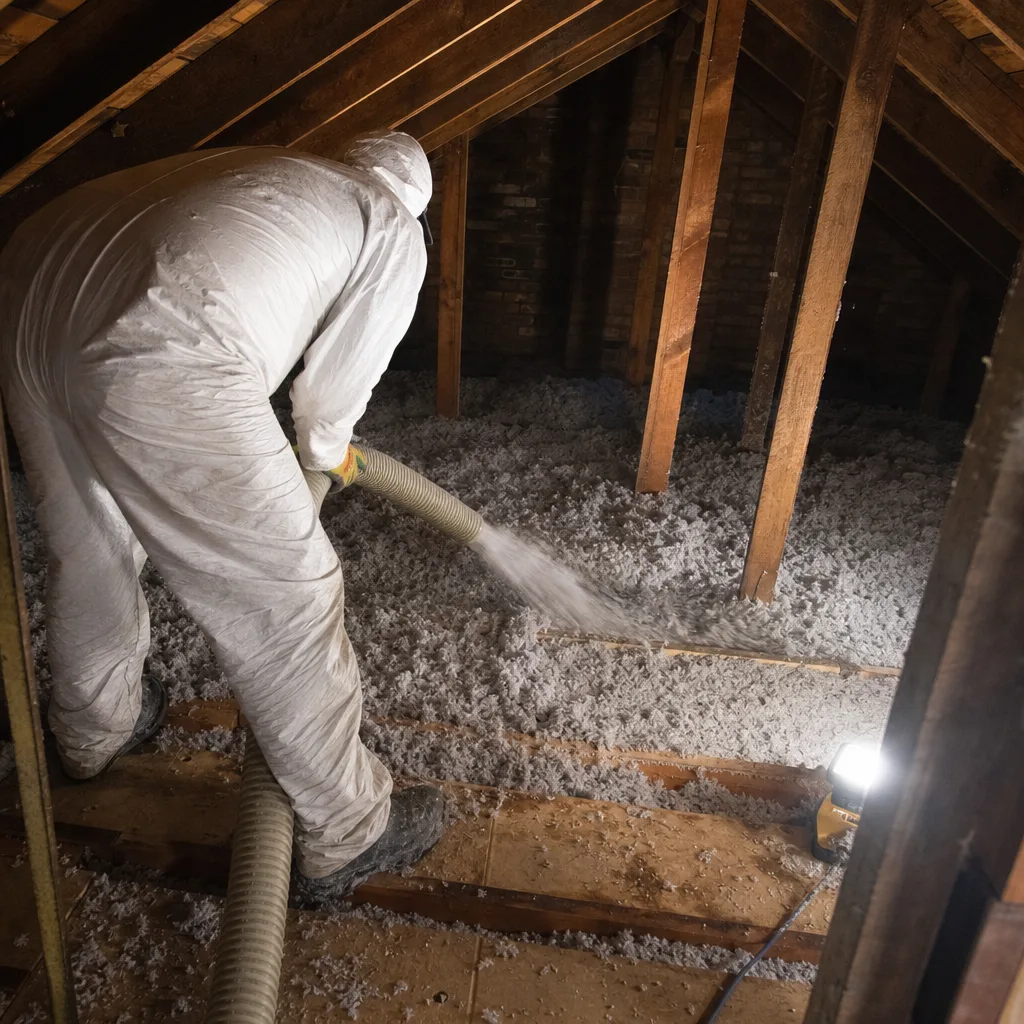
Blown-in insulation in Rock Hill is the most common retrofit for attics in the 1960s-2000s tract homes spread across the city’s suburban edge, where original fiberglass batts have compressed or settled below rated R-values. The same Zone 3A summer heat that drives cooling bills also makes a properly thick attic blanket one of the cheapest fixes per dollar in the whole envelope. In mill-village cottages with open wall cavities, dense-pack cellulose gives walls an R-value they never had. Blown-In Insulation covers the material choices and our install standard.
Blown-In Cellulose
Signs you need it
Your attic insulation measures under 8 inches deep, or you can feel temperature differences between rooms on the same floor even when the AC runs.
What it costs in Rock Hill
Blown-in cellulose in Rock Hill typically runs $0.80 to $2.50 per square foot installed, with most 1,200-1,800 square foot attics landing between $1,500 and $3,500 at R-38 to R-49.
How we do it
We air seal the attic floor first, then blow cellulose to the specified depth using a calibrated machine, and mark final depths on the trusses so you can verify coverage.
Blown-In Fiberglass
Signs you need it
Your attic has old, uneven fiberglass batts or thin blown material from the 1980s, and you want an R-value upgrade without the dust profile of cellulose.
What it costs in Rock Hill
Blown-in fiberglass in Rock Hill typically runs $0.90 to $2.75 per square foot installed, with full attic jobs in a typical 1,500 square foot home landing between $1,800 and $4,200.
How we do it
We remove or top up the existing material, seal the attic floor, then blow loose-fill fiberglass to the specified depth and provide a photo record of the finished coverage.
What Blown-In Insulation Costs in Rock Hill
| Item | Typical range in Rock Hill |
|---|---|
| Blown-in cellulose (per square foot) | $0.80 - $2.50 |
| Blown-in fiberglass (per square foot) | $0.90 - $2.75 |
| Full attic top-up to R-49 (1,500 sq ft) | $1,800 - $4,200 |
How deep should blown-in insulation be in Rock Hill?
Zone 3A code calls for R-38 to R-49 in attics, which is roughly 13 to 18 inches of blown cellulose or 14 to 20 inches of fiberglass depending on settled density.
Do you need to remove old insulation before blowing in new?
Only if it’s compressed, contaminated, or wet. Otherwise we air seal the attic floor and blow new material on top to reach the target R-value.
Radiant Barrier Installation in Rock Hill
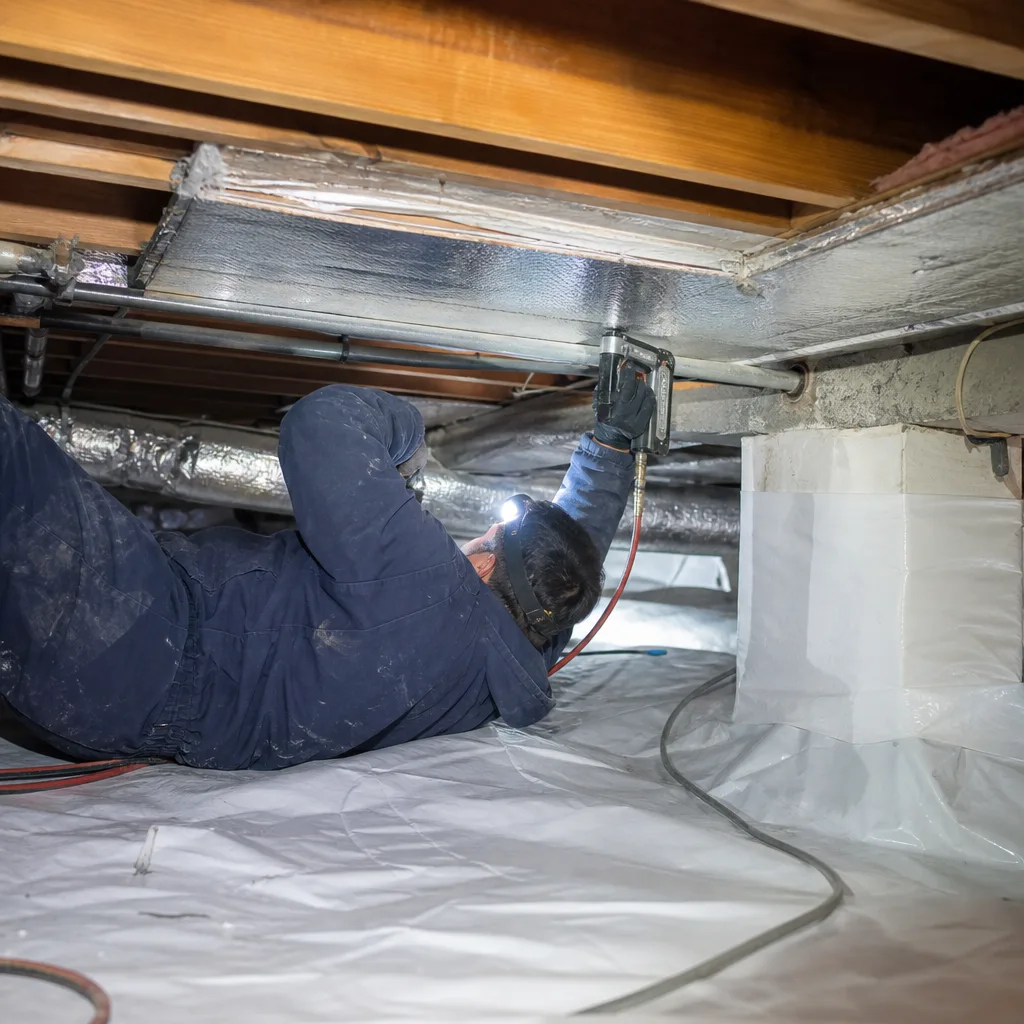
Radiant barrier installation in Rock Hill targets the heat gain that defines Zone 3A summers: afternoon sun baking the roof deck and radiating down into the attic, where it drives attic temperatures above 140°F and forces your AC to fight heat from above and below. In older mill-village cottages with minimal attic insulation and dark shingle roofs, a radiant barrier can cut attic temperatures by 20 to 30 degrees on the worst days. It works only when installed correctly with the reflective side facing an air space, and it performs best paired with adequate attic insulation and proper ventilation. Radiant Barrier Installation details the installation methods and material choices we use.
Attic Radiant Barrier
Signs you need it
Your upstairs rooms stay hot well after sunset in summer, or your attic temperature reads above 135°F on a 90-degree afternoon even with ridge and soffit vents open.
What it costs in Rock Hill
Attic radiant barrier in Rock Hill typically runs $0.95 to $2.50 per square foot installed, with most 1,200-1,800 square foot attics landing between $1,400 and $3,600.
How we do it
We staple the foil across the underside of the rafters with the reflective face pointing into an air gap, leaving proper eave and ridge ventilation channels clear.
Radiant Barrier Roof Deck
Signs you need it
You’re re-roofing or building new in Rock Hill and want a radiant barrier installed at the deck level where it can reflect heat before it reaches the attic.
What it costs in Rock Hill
Roof deck radiant barrier in Rock Hill typically runs $1.00 to $2.75 per square foot when installed during re-roofing, with most single-story homes landing between $1,600 and $4,200.
How we do it
We lay the foil-faced decking or foil over the sheathing before shingles go on, with the reflective side facing down into the attic air space.
What Radiant Barrier Installation Costs in Rock Hill
| Item | Typical range in Rock Hill |
|---|---|
| Attic radiant barrier (per square foot) | $0.95 - $2.50 |
| Roof deck radiant barrier (per square foot) | $1.00 - $2.75 |
| Typical full attic (1,500 sq ft) | $1,400 - $3,600 |
Does radiant barrier replace insulation in Rock Hill?
No. It reduces radiant heat gain only. You still need R-38 to R-49 attic insulation in Zone 3A. Radiant barrier is a supplement, not a substitute.
Will a radiant barrier damage my shingles?
No. Studies show roof surface temperatures rise 2 to 5 degrees with a radiant barrier, which falls well within shingle manufacturer tolerances. Ventilation stays the same.
Insulation Removal & Replacement in Rock Hill
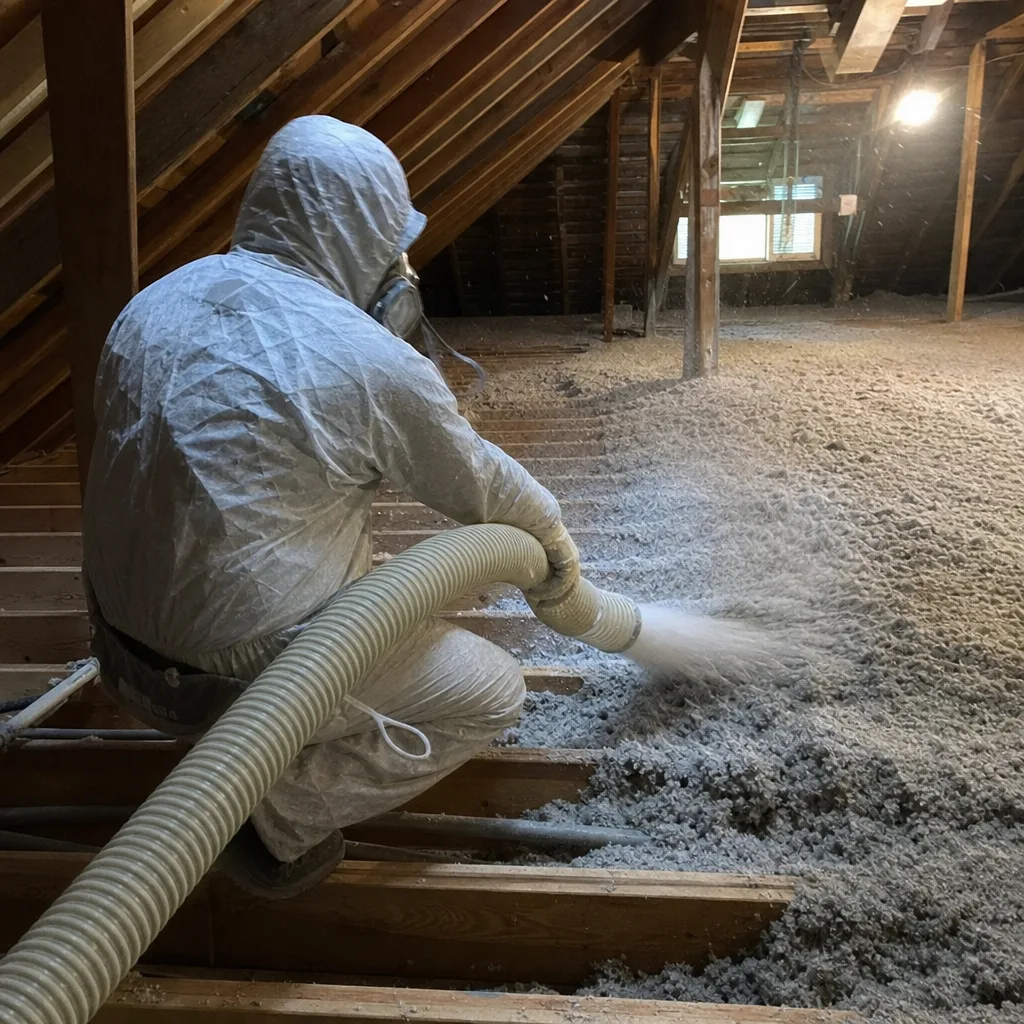
Insulation removal and replacement in Rock Hill most often comes up in two situations: older mill-village attics where insulation from the 1940s-1970s has compressed into a mat barely performing at R-5, and attics where rodents or roof leaks have contaminated the material. In the pre-1950 stock near the old textile mill sites, we also open attics with vermiculite that predates modern testing. The work requires full extraction, sanitizing where needed, air sealing the now-exposed attic floor, and installing new material. Insulation Removal & Replacement covers our removal process and what disposal involves.
Attic Insulation Removal
Signs you need it
Your attic insulation is compressed, wet, or has been shredded by rodents, and you’re seeing higher cooling bills than similar homes in your Rock Hill neighborhood.
What it costs in Rock Hill
Attic insulation removal in Rock Hill typically runs $1.20 to $3.00 per square foot, with most 1,200-1,800 square foot attics landing between $1,800 and $4,500 before new material.
How we do it
We use a commercial extraction vacuum, bag and remove the old material, clean the attic floor, then air seal before installing new insulation to the specified R-value.
Contaminated Insulation Removal
Signs you need it
You smell urine or must in the attic, see droppings, or find wet or mold-stained insulation, which is common in Rock Hill’s older cottage stock after roof leaks or rodent activity.
What it costs in Rock Hill
Contaminated insulation removal in Rock Hill typically runs $1.50 to $3.50 per square foot, with sanitizing and decontamination adding $400 to $1,200 depending on attic size and severity.
How we do it
We remove the contaminated material, sanitize the attic surfaces with an antimicrobial treatment, seal entry points, and install new insulation once the space is clean and dry.
What Insulation Removal & Replacement Costs in Rock Hill
| Item | Typical range in Rock Hill |
|---|---|
| Attic insulation removal (per square foot) | $1.20 - $3.00 |
| Contaminated removal (per square foot) | $1.50 - $3.50 |
| Sanitizing & decontamination | $400 - $1,200 |
How do I know if my old insulation contains asbestos?
If it’s vermiculite or a pre-1980 material you suspect, don’t disturb it. We can arrange testing before removal, and the written quote will list handling as a separate line item.
Can I stay in my house during insulation removal?
Yes. Our extraction equipment vents outside, and the attic is sealed off from living space during the work. Some dust may enter the top floor, so we tarp off the access point.
Attic Air Sealing in Rock Hill
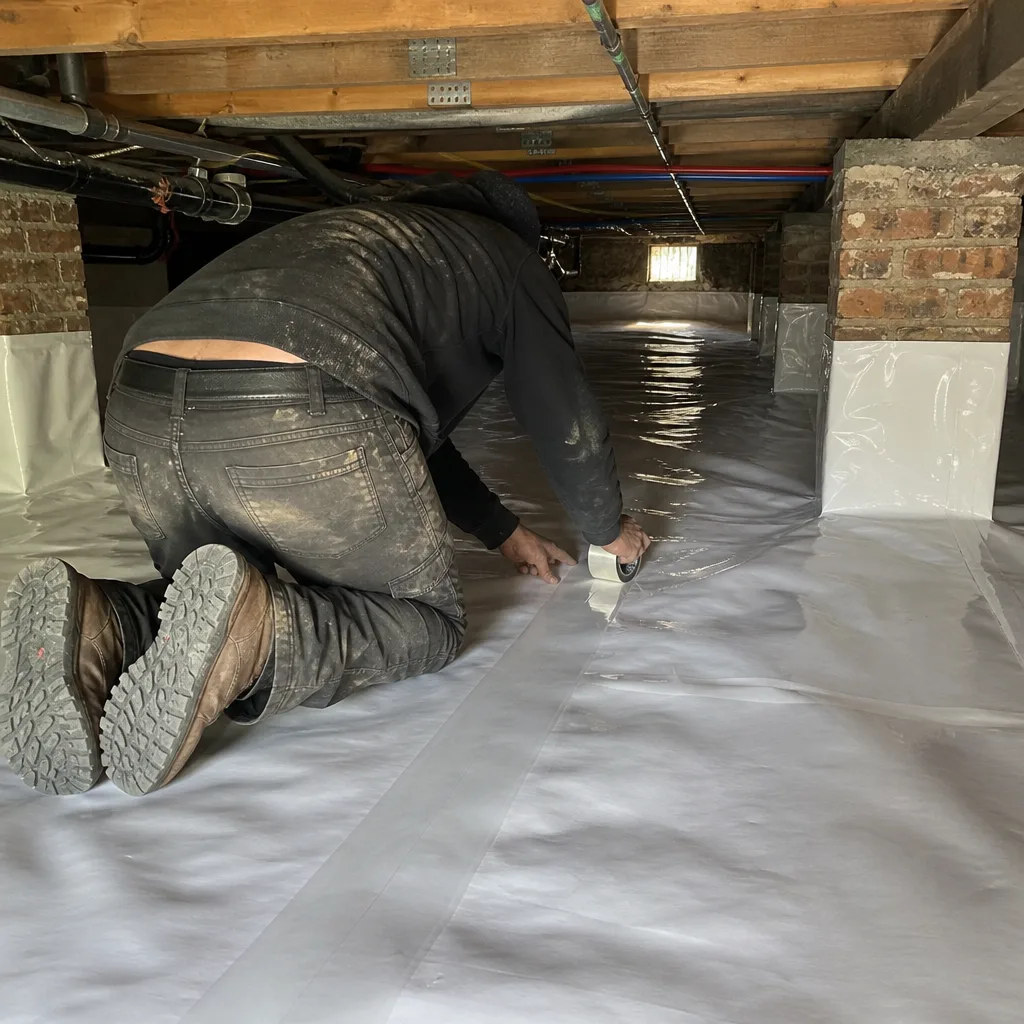
Attic air sealing in Rock Hill is the step most homes skip, and it’s the step that matters most in Zone 3A, where leaked air carries humidity into the attic and drives cooling costs all summer. In Rock Hill’s pre-1950 mill cottages with balloon-frame walls, unsealed top plates and chase ways act like open chimneys pulling conditioned air out of the house. We air seal before any insulation goes down, because insulation over an unsealed attic floor is just a filter. Every sealed job includes a before-and-after blower-door reading so you can see the CFM50 change in one number. Attic Air Sealing details our method.
Attic Floor Air Sealing
Signs you need it
You can feel drafts around attic access panels, or your blower-door test shows high CFM50 readings despite decent insulation depth in the attic.
What it costs in Rock Hill
Attic floor air sealing in Rock Hill typically runs $1,800 to $4,500 for a full 1,200-1,800 square foot attic, including sealing of top plates, penetrations, and the access hatch.
How we do it
We clear insulation from the areas to be sealed, foam or caulk every gap, seam, and penetration, then blow insulation back and run a blower-door test to document the change.
Can Light & Duct Boot Sealing
Signs you need it
Your recessed can lights are hot in summer or you can see daylight around duct boots in the attic, both common in Rock Hill tract homes from the 1990s and 2000s.
What it costs in Rock Hill
Can light and duct boot sealing in Rock Hill typically runs $200 to $650 per attic, depending on the number of fixtures and boots that need treatment.
How we do it
We seal each can light and duct boot with rated covers or foam, reconnect any loose boots to the ceiling drywall, and mark each sealed location in the photo record.
What Attic Air Sealing Costs in Rock Hill
| Item | Typical range in Rock Hill |
|---|---|
| Full attic floor air sealing (1,500 sq ft) | $1,800 - $4,500 |
| Can light & duct boot sealing | $200 - $650 |
| Attic hatch sealing | $150 - $400 |
Does air sealing make that much difference in Rock Hill?
Yes. Blower-door readings on older mill-village homes here often drop from 4,000-5,000 CFM50 to 2,000-2,500 after sealing. That directly reduces cooling load and indoor humidity.
Can you air seal without adding insulation?
Yes. Air sealing is a standalone service under a written price, and you can add insulation later. But doing both together saves setup time and usually costs less than scheduling separately.
Wall Insulation in Rock Hill
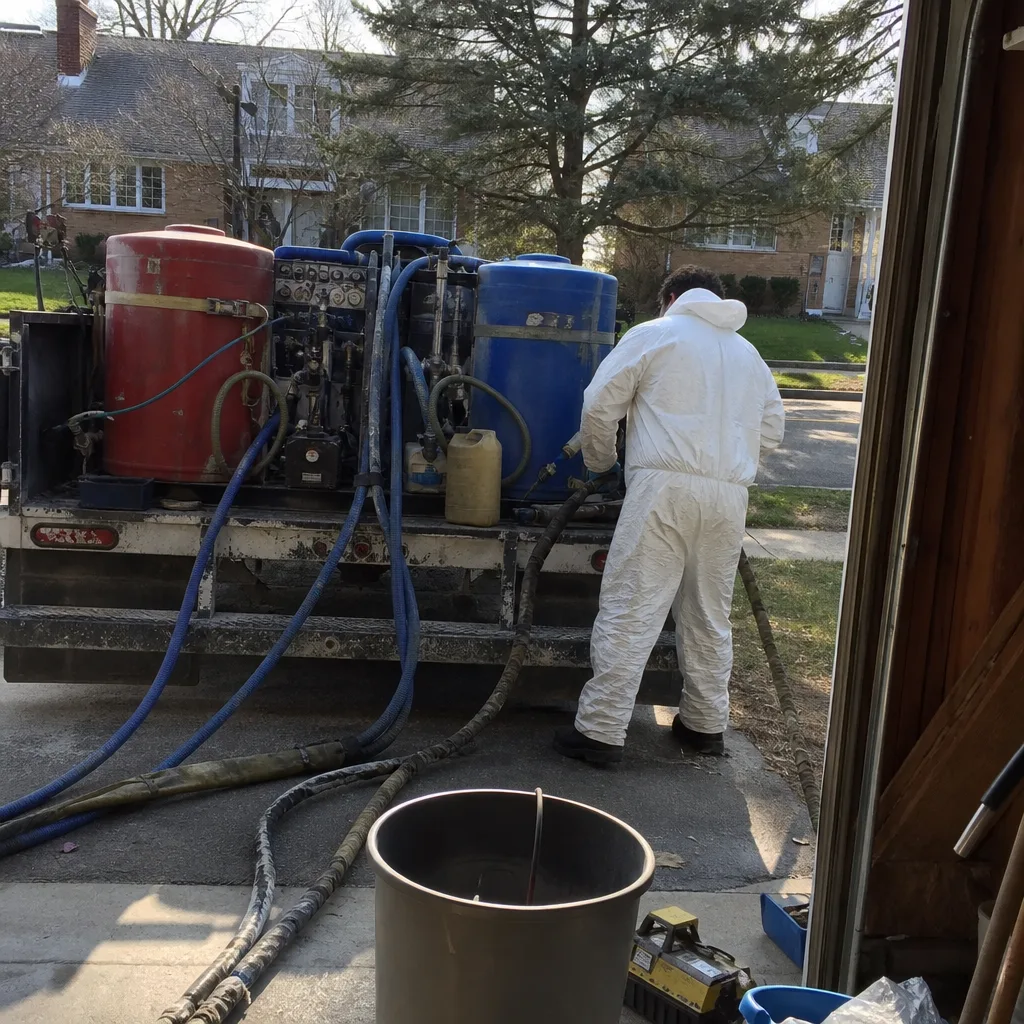
Wall insulation in Rock Hill splits into two very different jobs depending on which side of the city’s housing boom your home falls on. The pre-1950 mill-village cottages near the Catawba River have open balloon-frame wall cavities that were never insulated and let air move vertically through the entire wall assembly. Newer 2010s-2020s construction is built to Zone 3A code, but older 1990s-2000s tract homes often have R-13 batts that were installed poorly and perform well under spec. Injection foam and drill-and-fill dense-pack are the standard retrofits for the older stock. Wall Insulation covers all our wall retrofit options.
Injection Foam Wall Insulation
Signs you need it
Your walls feel cold in January or warm in July, your AC runs longer than neighbors’ similar homes, and you own an older Rock Hill cottage with uninsulated wall cavities.
What it costs in Rock Hill
Injection foam wall insulation in Rock Hill typically runs $2.25 to $5.50 per square foot of wall area, with most single-story cottages landing between $4,500 and $9,500.
How we do it
We drill small holes through the siding or interior drywall, inject the foam into each cavity, patch the holes, and document the coverage with thermal imaging.
Drill & Fill Wall Insulation
Signs you need it
Your home has closed wall cavities and you want the settle-resistant density of cellulose or the R-value of a dense-pack fiberglass fill without opening the walls.
What it costs in Rock Hill
Drill-and-fill dense-pack in Rock Hill typically runs $1.75 to $4.50 per square foot of wall area, with most full exterior wall retrofits landing between $3,800 and $8,500.
How we do it
We drill from the exterior or interior, blow dense-pack cellulose or fiberglass into the cavities at high pressure for full fill, then patch and paint to match.
What Wall Insulation Costs in Rock Hill
| Item | Typical range in Rock Hill |
|---|---|
| Injection foam (per square foot of wall) | $2.25 - $5.50 |
| Drill-and-fill dense-pack (per square foot) | $1.75 - $4.50 |
| Typical single-story retrofit | $3,800 - $9,500 |
Which wall insulation works best in Rock Hill’s climate?
For old ballon-frame walls, dense-pack cellulose or injection foam works best because it fills irregular cavities and slows air movement. Zone 3A doesn’t require a wall vapor barrier.
Do you need access to the inside of my walls?
Usually not. We can drill from the exterior through siding or from the interior through drywall. Exterior access is easier when siding is wood or fiber cement.
Attic Cleaning & Rodent Proofing in Rock Hill
Attic cleaning and rodent proofing in Rock Hill is inseparable from insulation work in the older mill-village stock, where open soffit gaps, rotted gable vents, and unsealed chase ways give squirrels and roof rats easy entry. Once rodents get in, they shred insulation into bedding, leave droppings and urine throughout the attic, and chew through wiring and ductwork. The sequence matters: clean, sanitize, seal every entry point, then install new insulation. Cleaning over contamination just buries the problem. Attic Cleaning & Rodent Proofing details our full process.
Attic Cleanout
Signs you need it
You see droppings, nesting material, or shredded insulation in the attic, or you hear scratching in the walls at night, common in Rock Hill cottages near the older tree-lined streets.
What it costs in Rock Hill
Attic cleanout in Rock Hill typically runs $1,200 to $3,500 depending on attic size, contamination level, and the amount of material that has to be removed.
How we do it
We vacuum out all contaminated insulation and nesting, bag and remove the waste, and leave the attic floor exposed for sanitizing and air sealing.
Rodent Proofing & Exclusion
Signs you need it
You’ve cleared rodents from the attic but they keep coming back, or you can see daylight through gaps at soffits, gable vents, or the roofline.
What it costs in Rock Hill
Rodent proofing and exclusion in Rock Hill typically runs $800 to $2,500, depending on how many entry points need sealing and what materials are used.
How we do it
We seal every gap larger than a quarter inch with steel mesh, flashing, or foam sealant, then inspect the roofline from a ladder to confirm no access remains.
What Attic Cleaning & Rodent Proofing Costs in Rock Hill
| Item | Typical range in Rock Hill |
|---|---|
| Attic cleanout | $1,200 - $3,500 |
| Rodent proofing & exclusion | $800 - $2,500 |
| Attic sanitizing & decontamination | $400 - $1,200 |
Should I clean the attic before or after rodent proofing?
Clean first, then seal, then insulate. If you seal entry points before cleaning, you trap anything still inside. The order we use is removal, sanitizing, exclusion, insulation.
Does rodent damage require replacing all attic insulation?
Not always, but in most cases yes. Urine and droppings contaminate the insulation and reduce its R-value. We quote replacement as part of the job when contamination is widespread.
Home Energy Audit in Rock Hill
A home energy audit in Rock Hill answers one question with hard numbers: where is your house losing conditioned air, and how much? In the city’s mixed housing stock, audits look very different from one block to the next. A 1940s mill-village cottage near the Catawba corridor typically fails worst at the attic floor, wall cavities, and rim joists, while a 2005 tract home on the suburban edge usually shows duct leakage as the biggest single problem. The audit includes a blower-door test, thermal imaging, and a written report showing the readings and what we recommend. Home Energy Audit explains the full testing protocol.
Blower Door Test
Signs you need it
Your energy bills are higher than similar homes in Rock Hill, or you’ve already insulated but still feel drafts and see high indoor humidity in summer.
What it costs in Rock Hill
A blower-door test in Rock Hill typically runs $350 to $650 as a standalone service, and is included when we complete a full insulation or air sealing job.
How we do it
We mount the blower-door frame in an exterior door, depressurize the house to a standard 50 pascals, and record the CFM50 reading that quantifies total air leakage.
Thermal Imaging Inspection
Signs you need it
You want to see exactly where heat or cooled air is escaping through walls, ceilings, or around windows and doors before spending money on insulation.
What it costs in Rock Hill
A thermal imaging inspection in Rock Hill typically runs $300 to $600 as part of a full home energy audit, or $200 to $350 when added to any insulation job.
How we do it
With the house depressurized, we scan every wall, ceiling, and floor with an infrared camera and capture images that show temperature differences indicating air leakage or missing insulation.
What Home Energy Audit Costs in Rock Hill
| Item | Typical range in Rock Hill |
|---|---|
| Blower door test (standalone) | $350 - $650 |
| Thermal imaging inspection | $300 - $600 |
| Full home energy audit | $850 - $1,700 |
How long does a home energy audit take in Rock Hill?
A full audit takes three to five hours depending on house size and access. The blower-door portion itself runs about 30 to 45 minutes once the house is prepped.
Will the audit tell me exactly what to fix first?
Yes. The written report ranks every finding by cost and impact, so you can start with the fix that moves your bill the most, not the one that’s easiest to upsell.
Brands We Service in Rock Hill
We install and service insulation from Johns Manville, Knauf, and Rockwool in Rock Hill attics and walls, with loose-fill and batt material stocked locally for same-week scheduling. Our brands page lists every product line we work with and what each performs best in.
Pricing for Insulation in Rock Hill, SC
| Service | Typical range in Rock Hill |
|---|---|
| Open-cell spray foam (per board foot) | $1.50 - $4.50 |
| Closed-cell spray foam (per board foot) | $2.50 - $6.50 |
| Blown-in cellulose (per square foot) | $0.80 - $2.50 |
| Blown-in fiberglass (per square foot) | $0.90 - $2.75 |
| Attic radiant barrier (per square foot) | $0.95 - $2.50 |
| Attic insulation removal (per square foot) | $1.20 - $3.00 |
| Attic air sealing (full, 1,500 sq ft) | $1,800 - $4,500 |
| Injection foam wall insulation (per square foot) | $2.25 - $5.50 |
| Drill-and-fill wall insulation (per square foot) | $1.75 - $4.50 |
| Attic cleanout | $1,200 - $3,500 |
| Full home energy audit | $850 - $1,700 |
Prices push higher in Rock Hill when attics are on the older mill-village stock with limited access, when rodent contamination requires sanitizing, or when crawl spaces and rim joists add scope. Every quote we give is a written flat price with a written scope and warranty, delivered before any work starts.
Neighborhoods We Serve in Rock Hill
We work throughout Rock Hill and the surrounding York County area, from the older mill-village neighborhoods near the Catawba River to the newer subdivisions on the northeast and southwest growth edges. Response time for most Rock Hill jobs is same-day or next-day for emergency calls, with standard scheduling running within a week depending on scope.
- Old Town Rock Hill
- Millwood
- Ebenezer Village
- Newport
- Autumn Meadows
Service Area - Cities Near Rock Hill
Our crews serve Rock Hill and surrounding York County communities, with dispatch coordinated from the Charlotte office and local technicians scheduled for Rock Hill work directly. If you’re in a neighboring town, call (218) 261-7714 and we’ll confirm coverage for your address and get you on the schedule.
Serving Rock Hill, SC - Our Local Coverage Area
We’re based in the Rock Hill area and know this community well. Use the map below to see our service coverage - if you’re nearby, we can almost certainly help.
FAQs About Insulation in Rock Hill
Same-day emergency response is available for Rock Hill addresses, and most non-emergency jobs can be scheduled within a week. Calls are answered by a live person 24/7, so you’ll know your slot before you hang up.
Most insulation retrofits don’t require a city permit in Rock Hill, but new construction, additions, and some attic conversions do. We check the scope against York County and city requirements and tell you what applies before work starts.
Yes. If your HOA requires approval for exterior drilling or visible materials, we provide the scope and product specs in writing so you can get sign-off. Exterior drill-and-fill work is the job most often needing HOA review.
Yes. Bring us any competing written estimate and we’ll read it with you line by line, then give you our written price for the same scope. There’s no cost and no obligation.
To get a written price for insulation work in Rock Hill, call (218) 261-7714. Wes Okafor leads our crews, and every job starts with a written scope, a written warranty, and a flat price, no exceptions.
What happens when you call
- 1A real person answersNo phone trees - talk to a local insulation pro.
- 2You get an upfront price rangeHonest numbers before anyone is dispatched. No surprises.
- 3A background-checked tech heads outLicensed & insured, typically within 1-hour.
- 4You approve before work beginsNothing starts until you say go.
What Rock Hill Customers Say
"Crawl space encapsulation done properly. Photographs of the vapour barrier at every seam, and the damp smell in the hallway is gone."
- Ainsley P."The winter gas bill dropped by about a third. They had estimated a quarter, so they under-promised."
- Genevieve R."Two other companies quoted to blow more insulation on top of what was there. These were the only ones who said the existing material had to come out first, and explained why."
- Clifford E.