
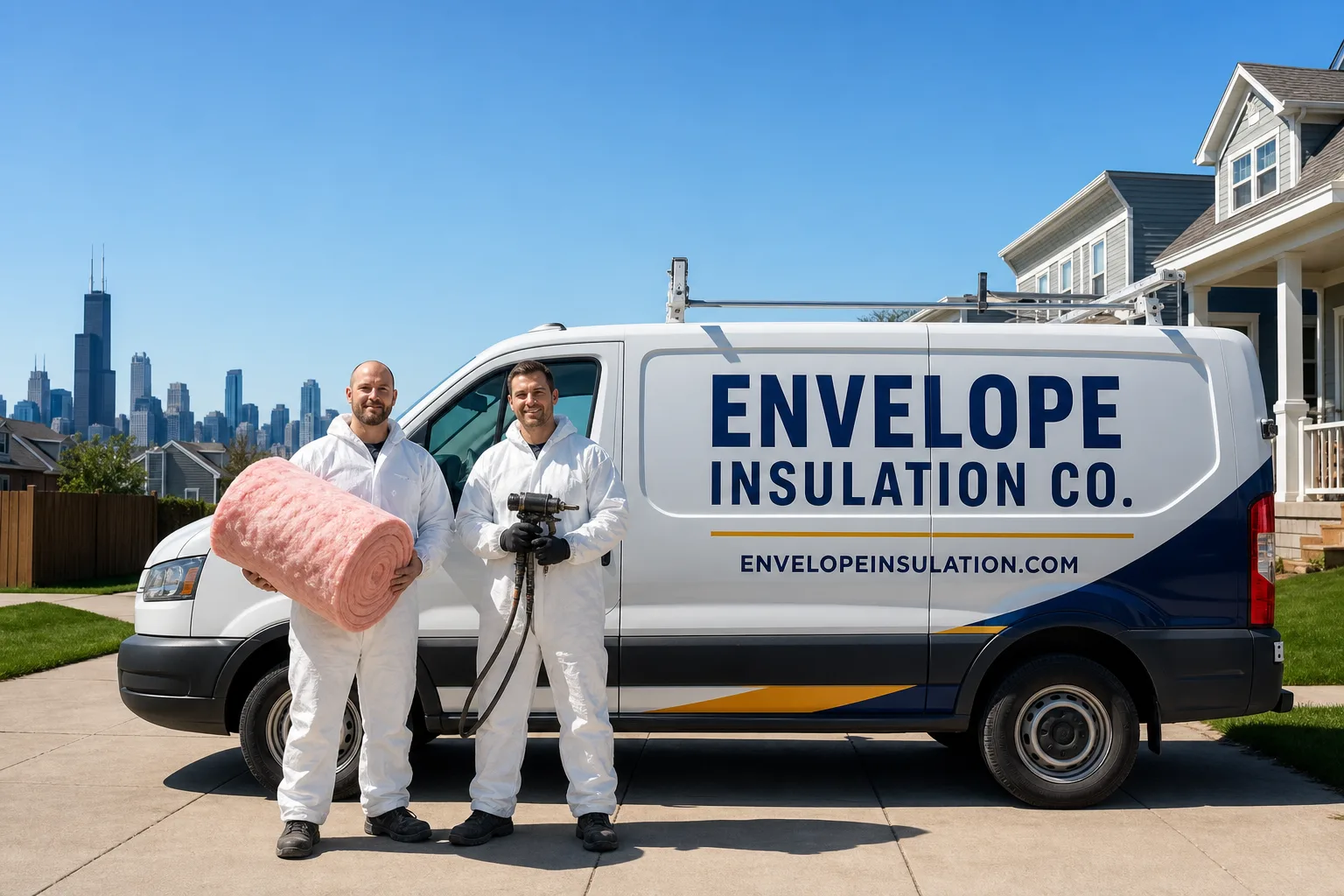
Fast, Reliable Attic Insulation Across Atlanta
Most attic insulation jobs in Atlanta run between $1,400 and $3,800 depending on attic size, existing material condition, and whether air sealing is part of the scope. We can typically reach homes in Grant Park, Virginia-Highland, Roswell, or Alpharetta within one to two business days for an assessment. If you’re in Atlanta and your upstairs runs hot in August while the downstairs stays comfortable, the problem is rarely your HVAC unit. It’s usually the attic assembly. Call (218) 261-7714 and we’ll put a written price in front of you before any work is scheduled.
Why Topside Attic Insulation Is Atlanta’s Preferred Attic Insulation Company
We’ve sealed and insulated over 9,000 homes since 2016, and Atlanta’s housing stock keeps us busy in ways other markets don’t. The overlap of 1920s craftsman framing and 1990s builder-spec production homes means two entirely different failure modes show up on the same dispatch board. Our crews know which one they’re walking into before they arrive, because the neighborhood tells us.
Every Atlanta job starts with a written price and a written scope under Haven Standard Clause 1. No exceptions, no verbal estimates. When the crew leaves, you get a Documented Photo Record showing exactly what was under the old insulation, what was sealed, and what went back in. On applicable jobs, we publish before-and-after blower-door numbers so you can see the measurable change in your home’s air leakage. Wes Okafor, our owner, set that standard in 2016 and it hasn’t shifted.
Reviews from Atlanta customers tend to focus on the same things: the price didn’t change, the crew showed up on time, and the second floor finally held temperature. If you call, a live person answers 24/7. No callback windows measured in business days.
Our Attic Insulation Services in Atlanta
Atlanta is the only metro in the Southeast where the intown pre-WWII bungalow belt’s absent wall insulation overlaps at scale with 1990s-2000s OTP production homes whose builder-spec attic insulation is now aging past its effective life during a cooling season that routinely drives attic temps above 140°F. Both problems are fixable, but they require different retrofit paths. Here’s what we actually do in Atlanta attics.
Blown-In Attic Insulation
We install Knauf and CertainTeed blown-in fiberglass to R-38 or R-49 across attic floors in Atlanta homes, but never before air sealing is complete. Blowing insulation over an unsealed attic floor is like putting a warmer blanket under an open window. In Candler Park craftsman homes especially, the top plates, can light housings, and plumbing penetrations leak conditioned air straight into the attic. We seal those first, then blow the insulation. That’s the whole order of operations.
Attic Batt Insulation
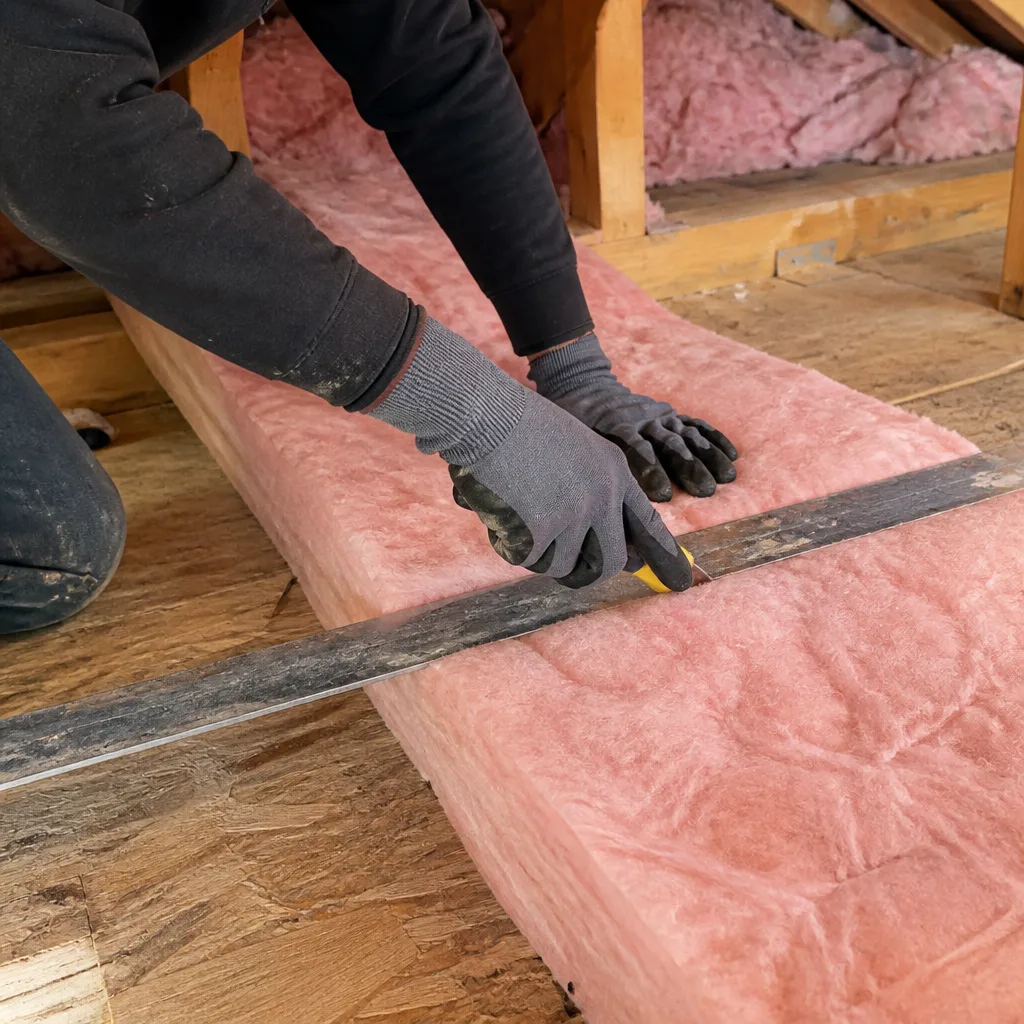
Batt insulation has its place in Atlanta attics, mostly in knee walls, bonus room floor decks, and sidewall applications where blown-in material won’t stay put. We use Rockwool and CertainTeed batts in these cavities. The critical part is compression. A batt stuffed into a 2×4 cavity loses R-value. We cut and fit precisely, then document the install with photos before drywall goes back or the access panel closes.
Attic Insulation Top-Up
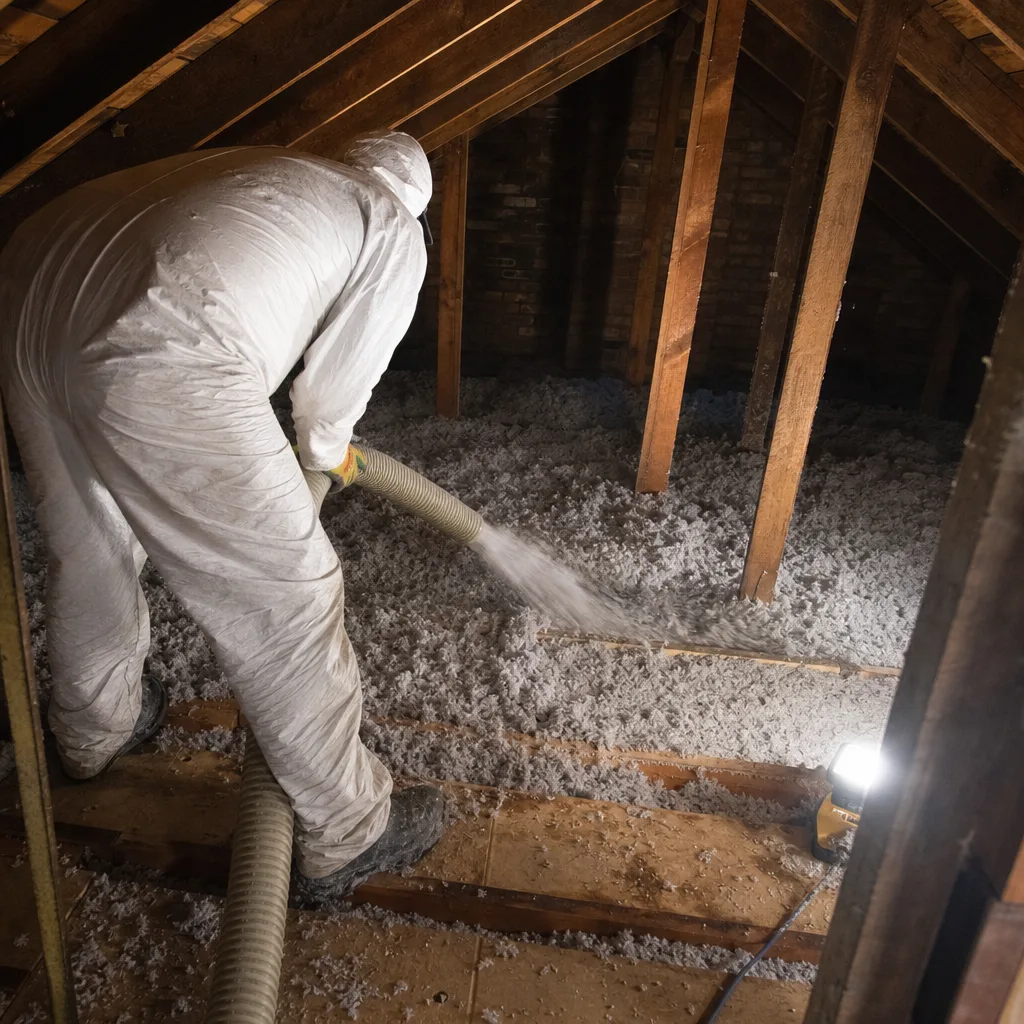
This is the most common call we get from Cobb, Gwinnett, and Cherokee county homeowners. A 2003 production home in Marietta or Alpharetta was built with R-19 batts in the attic, which was code minimum at the time. Fifteen years of settling and Georgia attic heat later, that R-19 behaves like R-11 in places. A top-up brings the attic floor back to R-38 or R-49, but only after we verify the existing material isn’t trapping moisture or hiding air leaks. In Atlanta’s mixed-humid climate, topping up over a moisture problem makes things worse.
Attic Insulation Replacement
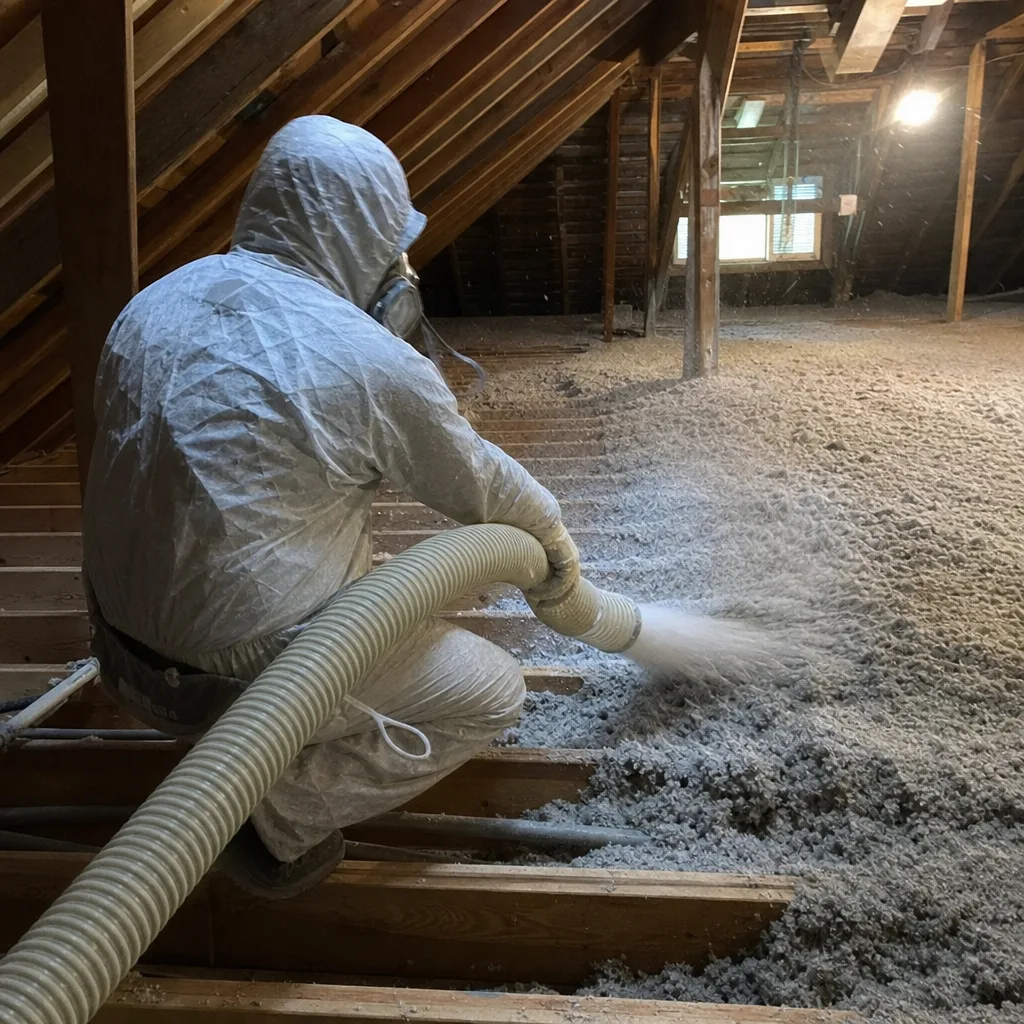
When old insulation is compressed, rodent-soiled, or saturated from roof leaks, removal and replacement is the only honest fix. We see this constantly in intown Atlanta homes where decades of dust have settled into pre-WWII material, reducing it to something closer to cellulose dust than insulation. We remove it, sanitize the attic deck, air seal the assembly, and install new blown-in fiberglass with proper depth markers. You get a photo record of the entire sequence.
Attic Baffles & Ventilation Prep
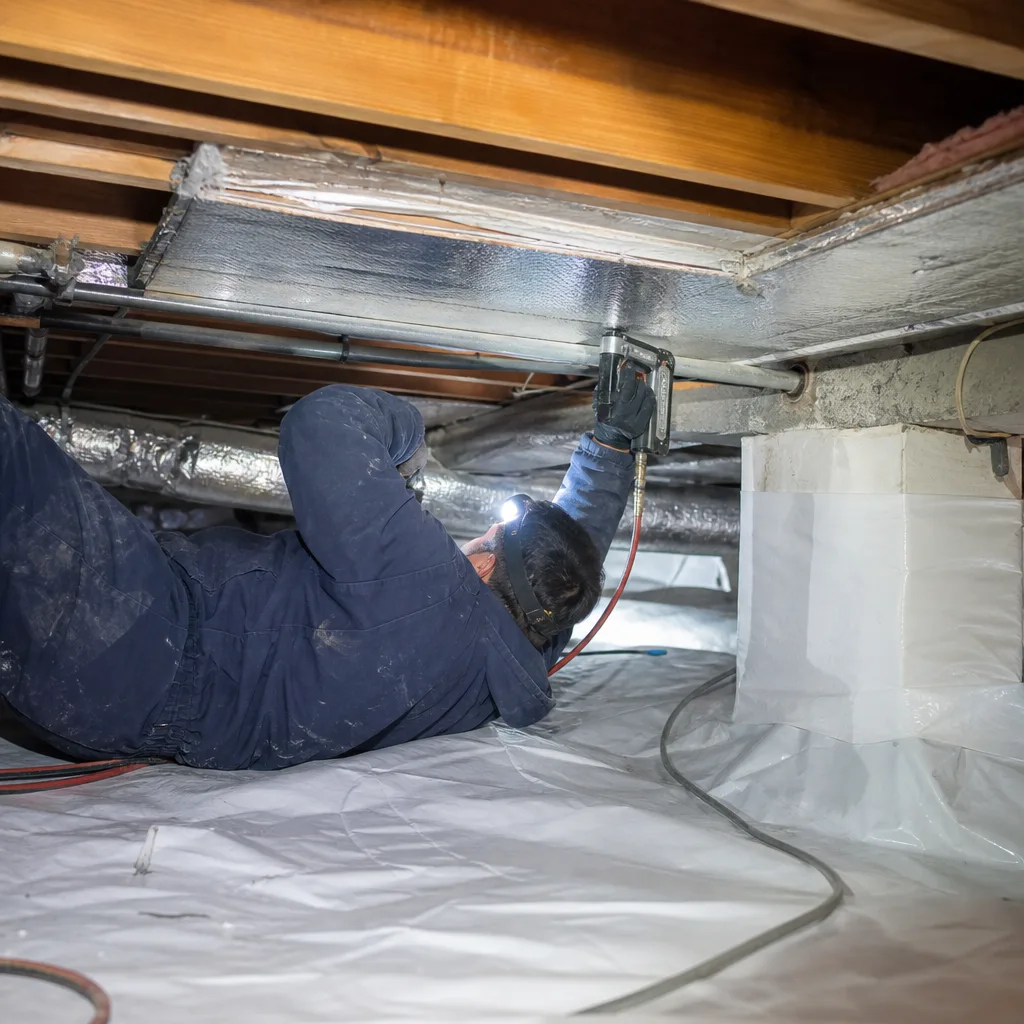
Baffles are the unglamorous part of attic insulation, and they’re the part most Atlanta crews skip. In a Virginia-Highland bungalow, the soffit vents are often completely blocked by old insulation or covered by a roof-over from the 1970s. Without baffles, ridge heat has no intake path, and the attic can’t breathe. We install baffles at every soffit bay before adding blown-in insulation. This is mandatory in our scope, not an add-on.
What happens when you call
- 1
A real person answersNo phone trees - you reach a local pro.
- 2
You get an upfront price rangeHonest numbers before anyone is dispatched.
- 3
A background-checked tech heads outLicensed & insured, dispatched right away.
- 4
You approve before work beginsNothing starts until you say go.
Trusted Brands We Service in Atlanta
We install materials from Knauf, Rockwool, CertainTeed, and Icynene, among others. No proprietary product lock-in. If a homeowner in Roswell wants Rockwool batts in a bonus room knee wall and CertainTeed blown-in on the main attic floor, that’s what we spec. We keep common materials locally stocked for Atlanta jobs, which means shorter lead times and less waiting for a truck from a distribution center in another state. The brand matters less than the install quality. We document both.
Common Attic Insulation Problems We See in Atlanta Homes
- Bonus rooms over garages in Cobb and Cherokee counties run 15-20°F hotter in August than adjacent bedrooms. The knee walls and floor decks in these spaces were routinely left uninsulated by production builders in the 1990s and 2000s. Behind the drywall, there’s often nothing but bare studs. We dense-pack the wall cavities and air-seal the floor deck before replacing the batt insulation.
- Intown craftsman attics in Grant Park and Kirkwood hold compressed R-11 batts or settled material with no baffles. Soffit vents are blocked, ridge heat has no exit, and the second floor bakes. After air sealing and installing R-38 blown-in plus new baffles, we regularly see second-floor temperature swings drop by 6-8°F within a week.
- Builder-grade blown-in insulation from the 2000s has settled below code minimum across hundreds of Cobb and Gwinnett subdivisions. Ceiling drywall feels warm to the touch in summer. Condensation forms on recessed light housings. The fix is a top-up to R-38 or R-49, but only after verifying the existing material isn’t holding moisture from air leaks.
- Pre-WWII Atlanta homes have no original wall insulation and degraded attic coverage simultaneously. That’s a whole-envelope problem, not just an attic problem. We can run a home energy audit and blower-door test to show you exactly where the air is leaving, then fix the attic portion with documentation of the before-and-after readings.
Pricing for Attic Insulation in Atlanta, GA
Here’s where costs land in Atlanta’s market. A standard blown-in top-up for a 1,500-2,500 sq ft attic floor runs $1,400-$2,600, including air sealing prep and baffle installation where needed. Full attic insulation replacement on an intown craftsman runs $2,800-$4,800 depending on removal volume and whether rodent sanitation is required. Bonus room knee wall and floor deck insulation in a Cherokee or Cobb production home runs $1,800-$3,200 for a typical 250-400 sq ft bonus room. If you have a written estimate from another Atlanta contractor, bring it to us. Under our Free Second Opinion policy, we’ll read it with you and tell you what’s missing. Call (218) 261-7714 for a written price. No work starts without one.
We Also Serve Cities Near Atlanta
Our crews work throughout the metro, including Smyrna, Marietta, Roswell, and Alpharetta. If you’re in one of those cities and want the same written-price, blower-door-documented approach, we can help. Read more about our service area on the Attic Insulation in Atlanta page, or see the full scope of what our Attic Insulation team does across the metro region.
Serving Atlanta, GA - Our Local Coverage Area
We’re based in the Atlanta area and know this community well. Use the map below to see our service coverage - if you’re nearby, we can almost certainly help.
FAQs - Attic Insulation in Atlanta
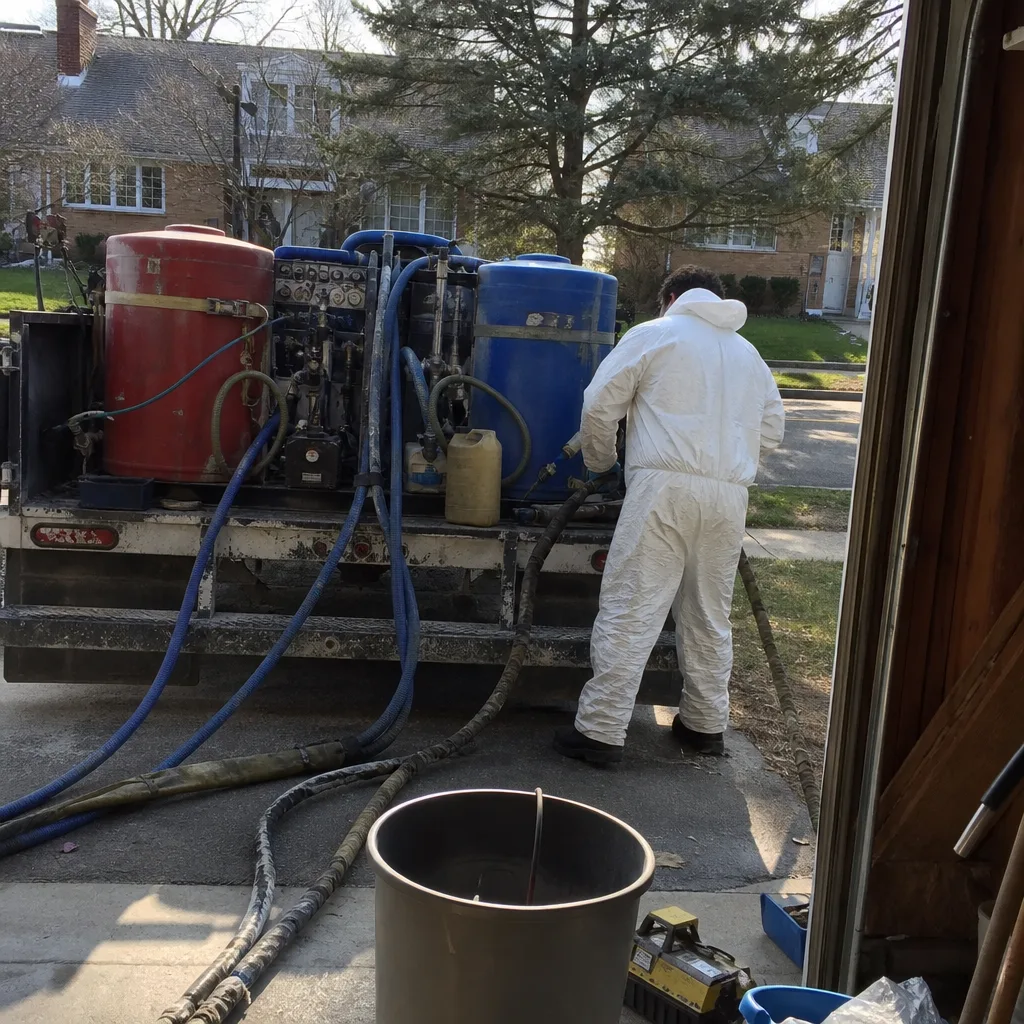
Because the knee walls and floor deck in that bonus room were likely never insulated. Production builders in the 1990s and 2000s routinely drywalled over bare studs in these spaces, leaving the room exposed to garage heat below and attic heat on three sides. A finished wall can hide an empty cavity. The fix is dense-packing the knee walls, air-sealing the floor deck from the garage below, and re-insulating the sloped ceiling. Call (218) 261-7714 and we’ll inspect what’s actually behind those walls before quoting a repair.
Yes, if your soffit vents are blocked or absent. Most pre-WWII intown Atlanta homes have soffits that were covered by roof-overs decades ago, or vents that are now buried under old insulation. Without baffles, adding more blown-in material chokes the attic’s only intake path and traps heat. We install baffles at every accessible soffit bay as a mandatory part of any top-up or replacement in Atlanta attics.
Yes. Current Georgia energy code calls for R-38 in attics for Climate Zone 3A, which covers all of Atlanta. A 2003 production home in Alpharetta was built to the older standard of R-19. After two decades of settling and Atlanta’s summer heat cycling, that material is likely performing below R-19 in places. A top-up to R-38 or R-49, done after air sealing, brings the attic floor up to current code and cuts summer cooling load immediately.
In many Atlanta homes it can, especially if your HVAC equipment or ductwork sits in the attic. Atlanta’s cooling season is long and intense. In an unvented attic assembly, Icynene open-cell foam at the roofline brings the attic inside the conditioned envelope, which stops the 140°F attic air from cooking your ducts. This isn’t the right call for every house, but for intown homes with ductwork in the attic and no room to add floor insulation around mechanicals, it frequently outperforms simply adding more blown-in. We’ll run the numbers on both paths and write the scope before you decide.
Because it’s likely original pre-WWII material that has settled and degraded over 80-plus years of Atlanta heat and humidity cycles. What you’re seeing has essentially no functional R-value left. In a Kirkwood craftsman our crew recently opened up, the original attic had just R-11 batts compressed under decades of dust, with zero baffles at the soffits. After air sealing and installing R-38 blown-in fiberglass plus new baffles, the second-floor temperature swing dropped by 8°F within a week. That’s a typical outcome, not an outlier. Call (218) 261-7714 for a written price to replace it.
Written by Wes Okafor, Owner at Topside Attic Insulation, serving Atlanta since 2016.