Fast, Reliable Crawl Space Encapsulation & Vapor Barrier Across Charlotte
Crawl space encapsulation in Charlotte typically costs between $8,000 and $18,000 for a full system on an average 1,500-2,500 sq ft home, with vapor barrier installation alone running $2,500-$6,000. Most jobs are completed in 2-3 days once materials arrive. If you’re dealing with musty smells, buckling hardwood floors, or humidity readings above 60% in a Dilworth bungalow or a Steele Creek tract home, call us at (218) 261-7714. We’ll put a written price in front of you before anyone lifts a tool.
Why Topside Attic Insulation Is Charlotte’s Preferred Crawl Space Encapsulation & Vapor Barrier Company
We’ve sealed and insulated over 9,000 homes since 2016, and a substantial share of that work has been crawl spaces in Charlotte neighborhoods like Ballantyne, Mint Hill, Plaza Midwood, and Huntersville. Every job starts with a written price and ends with a Documented Photo Record, so you can see exactly what was done under your house without crawling down there yourself.
Our crews are background-checked and uniformed, and a live person answers our phones 24/7. When we schedule a crawl space job in Charlotte, you get a named technician and a text when they’re on the way. Under the Haven Standard, that’s not a courtesy; it’s how we operate.
Wes Okafor, who leads our team, has built Topside Attic Insulation around one principle: seal first, then insulate. That order matters enormously in Charlotte’s climate, and we’ll explain why below.
Our Crawl Space Encapsulation & Vapor Barrier Services in Charlotte
Crawl Space Vapor Barrier
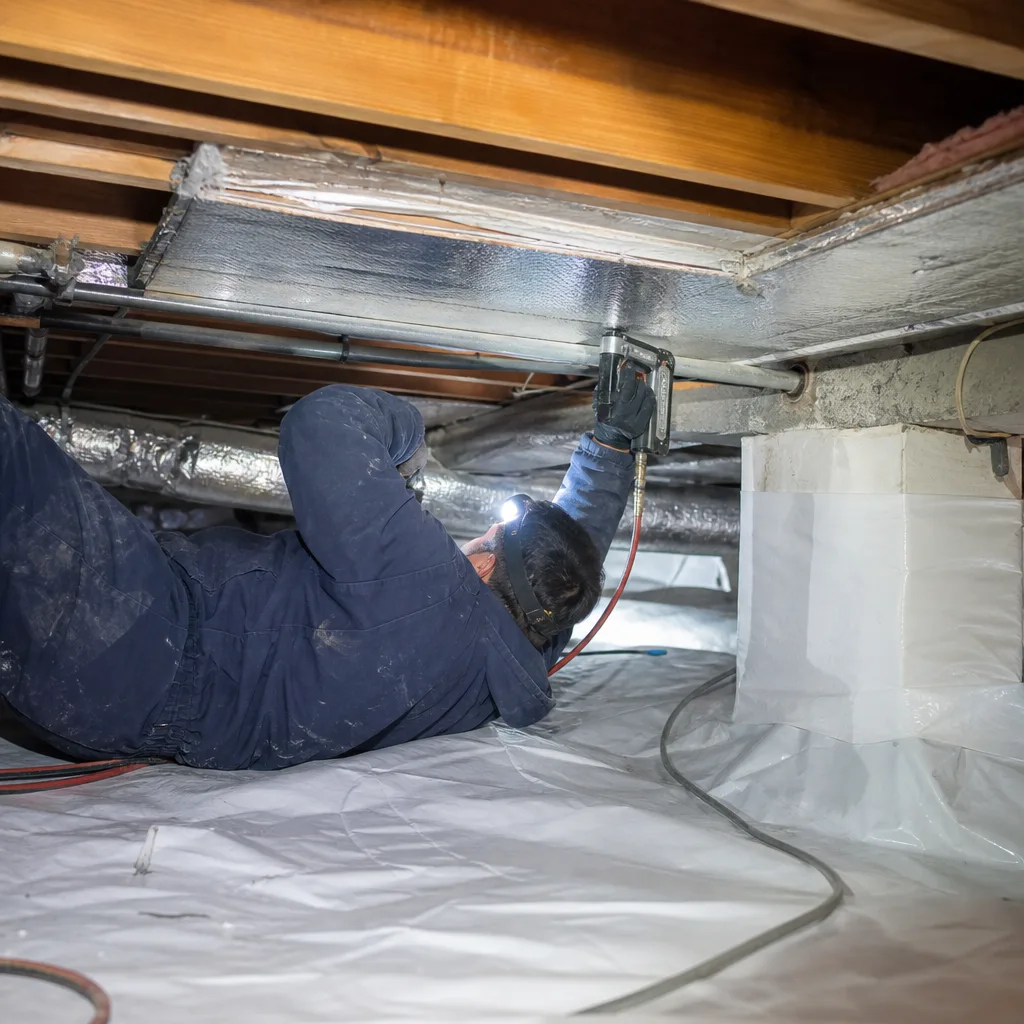
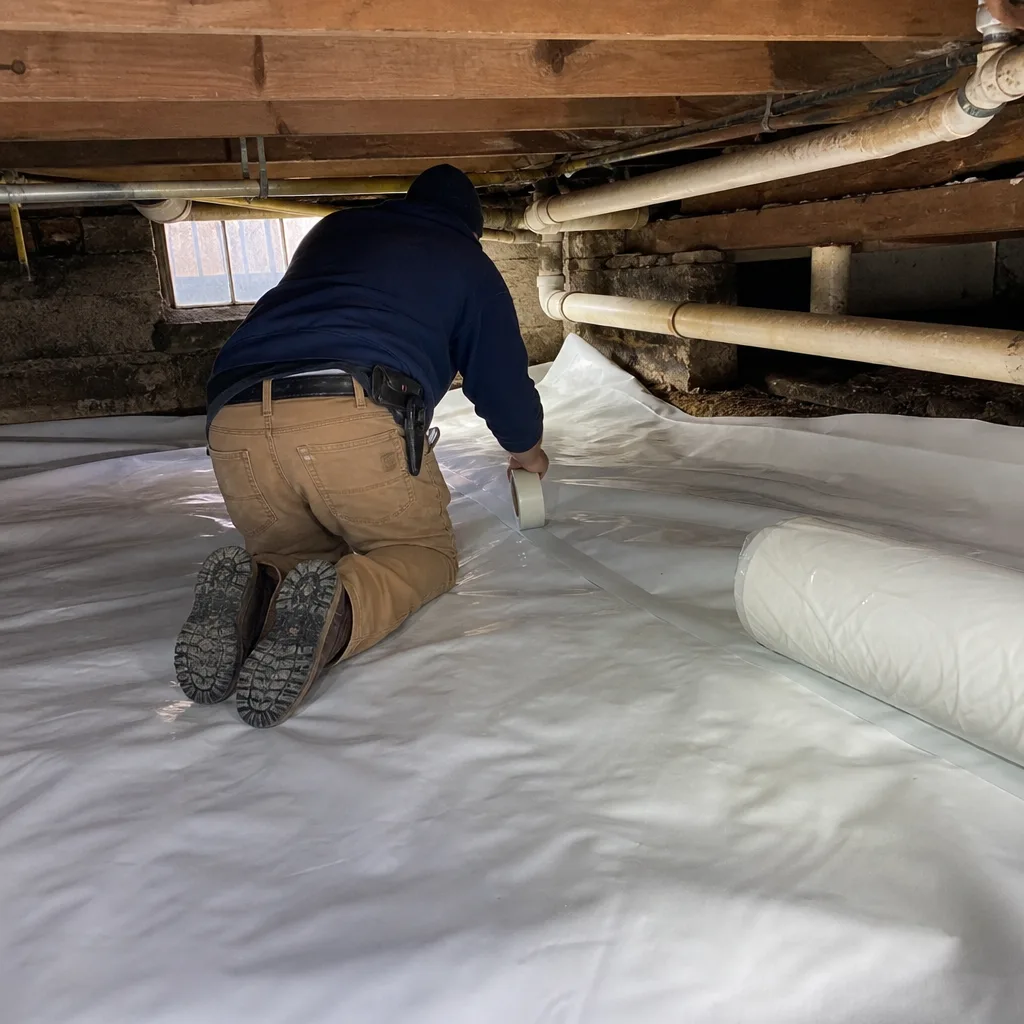
A vapor barrier is a reinforced polyethylene sheet laid across the crawl space floor and up the foundation walls. In Charlotte’s Zone 3A climate, the wrong barrier or a poorly installed one can trap moisture against wood framing and make things worse. We install 12-mil minimum, mechanically fastened and taped at every seam, using materials from brands like CertainTeed and Knauf. We see too many 6-mil builder-grade barriers in Charlotte homes that tore during construction and were never taped, which means they’re doing almost nothing.
Crawl Space Encapsulation
Encapsulation goes further than a vapor barrier: we seal the vents, insulate the rim joists, install a full barrier on floor and walls, and often add a dehumidifier sized for the space. This is the highest-volume crawl space job in Charlotte because the city’s stock of 1990s-2000s vented crawl spaces actively pulls in humid outdoor air all summer. Our Crawl Space Encapsulation & Vapor Barrier team seals the crawl space as a system, not as a single sheet of plastic.
Crawl Space Insulation
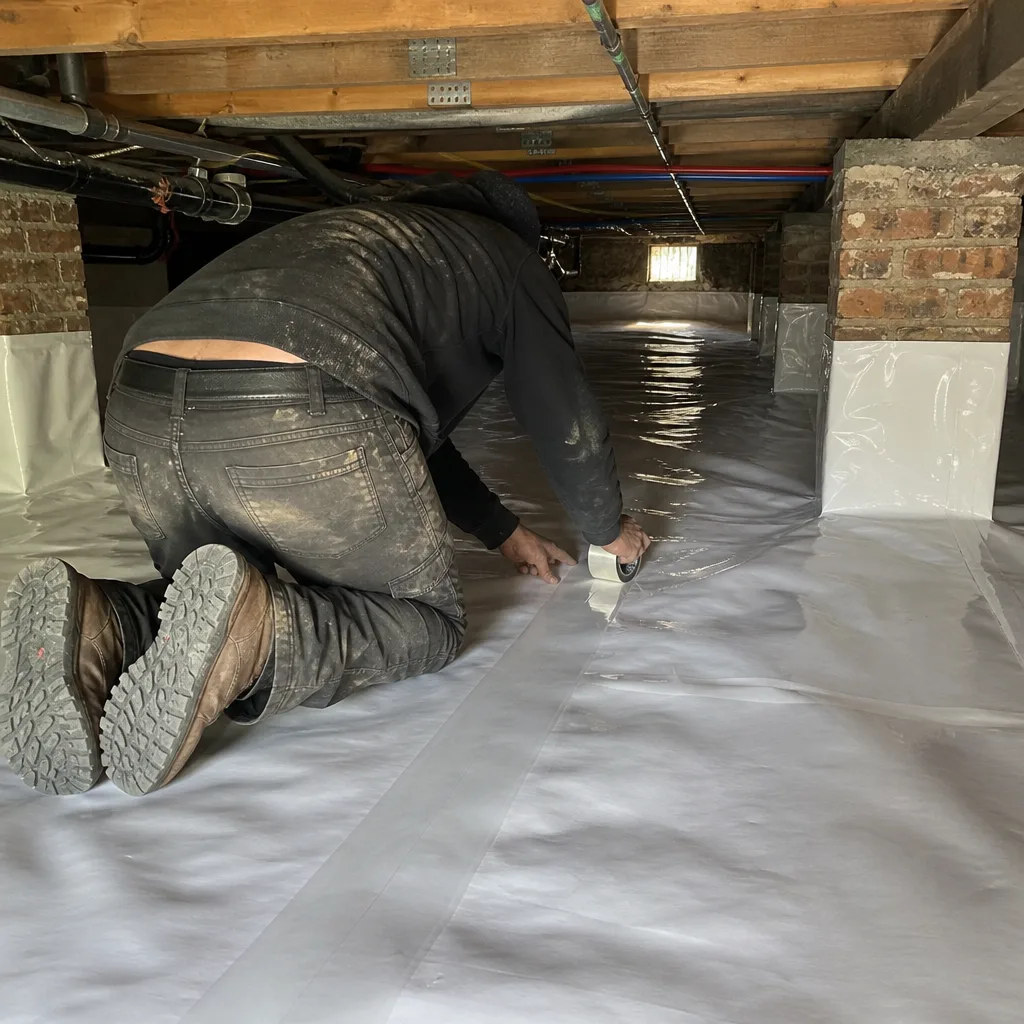
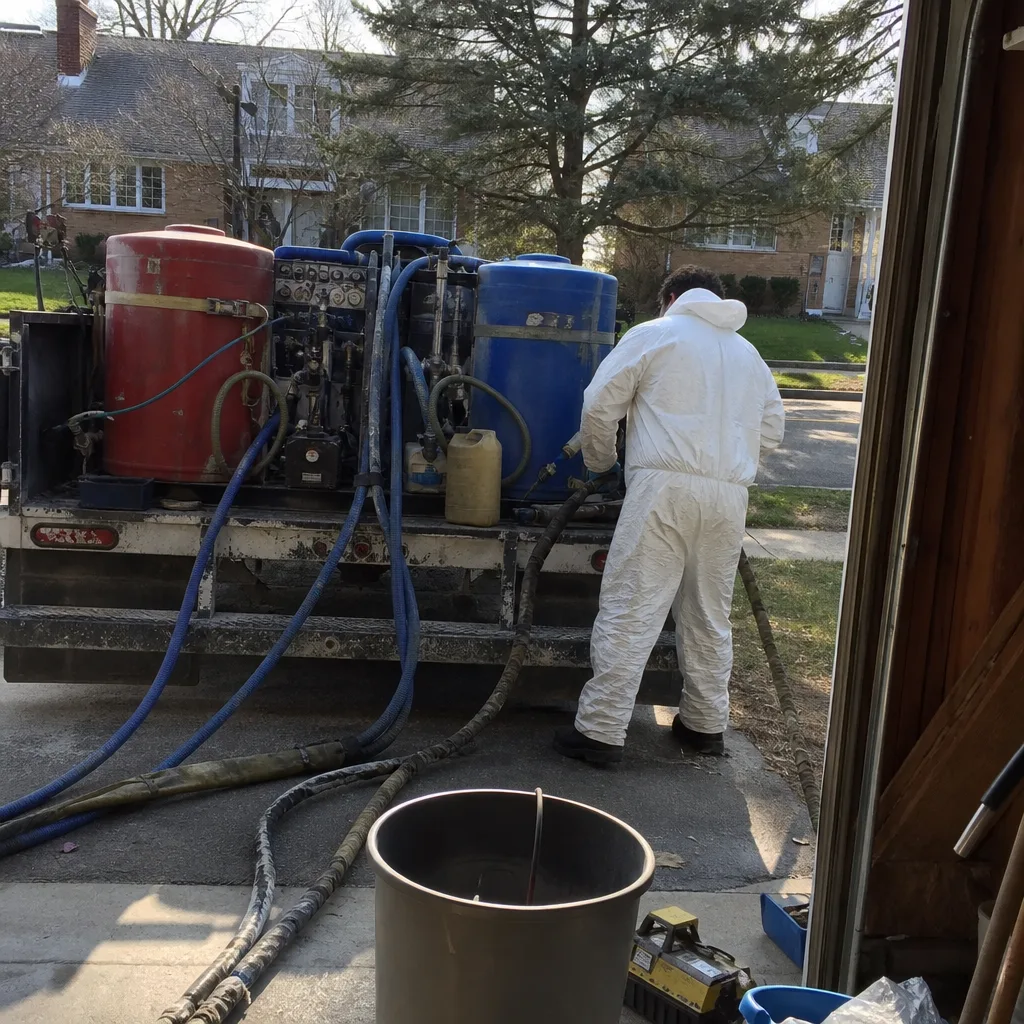
In Charlotte, the most important insulation surface in a crawl space is the rim joist, the band of wood where the floor framing meets the foundation wall. Hot, humid air condenses on that cool sill plate and feeds mold behind whatever vapor barrier is there. We install closed-cell spray foam at the rim joists during encapsulation, which air seals and insulates in one step. Fiberglass batts in this location fail in Charlotte’s humidity because they absorb moisture and sag.
Crawl Space Moisture Control
Moisture control in Charlotte means managing a two-way problem. Summer heat and outdoor relative humidity above 70% drive vapor inward through the building envelope. Winter reverses the flow. A single-strategy approach fails one season or the other. We measure, seal, insulate, and often add a dehumidifier, then document the before-and-after conditions with photos and readings. On applicable jobs, we provide before-and-after blower-door numbers so you can verify the air-sealing result in a single figure.
What happens when you call
- 1
A real person answersNo phone trees - you reach a local pro.
- 2
You get an upfront price rangeHonest numbers before anyone is dispatched.
- 3
A background-checked tech heads outLicensed & insured, dispatched right away.
- 4
You approve before work beginsNothing starts until you say go.
Trusted Brands We Service in Charlotte
We work with materials from Owens Corning, Johns Manville, Knauf, Rockwool, CertainTeed, Icynene, Demilec, and GreenFiber. We’re not locked into any proprietary product, so the system we design for your Charlotte crawl space is based on what your house actually needs, not what we happen to stock. For most Charlotte encapsulation jobs, we default to a reinforced 12-mil vapor barrier paired with closed-cell spray foam at the rim joists and a self-draining dehumidifier. We keep materials staged locally, so scheduling a job in Charlotte doesn’t wait on a shipment from out of state.
Common Crawl Space Encapsulation & Vapor Barrier Problems We See in Charlotte Homes
- Torn builder-grade 6-mil vapor barriers. Many Charlotte tract homes built between 1995 and 2010 got a thin sheet of poly laid over dirt and left untaped at the seams. Humid summer air moves through those gaps and condenses on the underside of the subfloor, feeding mold and wood rot for years before anyone notices.
- Exposed, uninsulated rim joists. In Charlotte’s humid summers, the rim joist is the coldest surface in the crawl space during air-conditioning season. Moist outdoor air hits it, condenses, and drips down behind the vapor barrier. Closed-cell spray foam at the rim joists solves this because it air seals and insulates the same surface.
- Vented crawl spaces in 1990s-2000s Ballantyne and Steele Creek homes. These houses were built when code required crawl space vents, but in Zone 3A those vents pull in humid air all summer and make the problem worse. The ventilation that was supposed to keep the crawl space dry is what’s keeping it damp.
- Dehumidifiers sized by guesswork. A dehumidifier that’s too small for the cubic footage of the crawl space will run constantly and still not hit 50% relative humidity. We calculate the load based on the actual space dimensions and local Charlotte humidity data, not a rule of thumb.
Pricing for Crawl Space Encapsulation & Vapor Barrier in Charlotte, NC
Here’s what we see in the Charlotte market as of 2026:
| Service | Typical Charlotte Range |
|---|---|
| Vapor barrier only (12-mil, floor & walls, taped seams) | $2,500 - $6,000 |
| Full encapsulation (seal vents, rim joist foam, barrier, dehumidifier) | $8,000 - $18,000 |
| Rim joist spray foam insulation (2-inch closed-cell) | $1,800 - $4,200 |
| Crawl space cleanout before encapsulation | $500 - $1,800 |
What moves the number: square footage, access height, whether we need to remove old fiberglass batt insulation, and whether the crawl space has standing water or structural issues that need a separate contractor. Every job begins with a written price before any work starts. We also offer a Free Second Opinion on any written estimate: bring us a competing quote for crawl space work in Charlotte and we’ll read it with you. Call (218) 261-7714 for an exact quote.
We Also Serve Cities Near Charlotte
Beyond our work across Crawl Space Encapsulation & Vapor Barrier in Charlotte, our crews regularly handle encapsulation projects in Concord and Gastonia. The same written-price-before-work rule applies everywhere we go. If your home is within 45 minutes of Charlotte, we can schedule a site visit and have a written estimate to you within a day or two of walking the space.
Serving Charlotte, NC - Our Local Coverage Area
We’re based in the Charlotte area and know this community well. Use the map below to see our service coverage - if you’re nearby, we can almost certainly help.
FAQs - Crawl Space Encapsulation & Vapor Barrier in Charlotte
Most of those homes got a code-minimum 6-mil poly sheet laid over dirt with untaped seams and vented side walls. In Charlotte’s Zone 3A climate, summer outdoor humidity above 70% flows through the vents and the seams, condenses on cool framing, and wets the crawl space from the inside. The barrier is there, but it’s not doing what you think. A proper Charlotte encapsulation seals the vents and the rim joists, then installs a taped, reinforced barrier, which is a different scope of work entirely.
You need to close the vents. Charlotte’s humid summers mean open vents actively pump moist air into the crawl space every single day. Adding a thicker barrier without sealing the vents just traps that moisture against the wood structure. We close and seal the vents as part of every encapsulation we do in Charlotte.
Closed-cell spray foam, at least 2 inches, applied directly to the rim joist and sill plate. It air seals and insulates in the same pass, and unlike fiberglass batts, it won’t absorb moisture from Charlotte’s humid air and sag. We use materials from brands like Icynene and Demilec, depending on the job.
You can encapsulate in the summer, and honestly, it’s often when homeowners finally call about it because the musty smell and high indoor humidity are at their worst. The crawl space is hot and unpleasant, but the work is not season-dependent. Our crews work in Charlotte crawl spaces year-round, and a summer encapsulation can start reducing your indoor humidity within the first week.
At minimum, 12 mil. We don’t install anything thinner in Charlotte because the humid summer air and the way moisture moves through the soil in this area demand a barrier that won’t tear when someone goes under the house to check a duct or a sump pump. A 6-mil barrier rips during installation and fails at the seams. If we’re also handling Crawl Space Insulation on the project, we’ll recommend the same 12-mil minimum underneath it. Call (218) 261-7714 for a walkthrough specific to your home, and we’ll give you a written price before any work starts.
The Charlotte Problem: Why Vented Crawl Spaces Fail Here
Charlotte sits in IECC Climate Zone 3A, which is a technical way of saying the vapor drive reverses seasonally. In summer, hot, humid outdoor air pushes moisture inward through the building envelope. In winter, the flow reverses and moves outward. A vented crawl space in this climate is a two-way moisture trap: the vents let humid summer air in, the cool ground and framing cause it to condense, and the moisture never fully dries out before the next humid spell. Tens of thousands of Charlotte-area homes built before the early 2000s have vented crawl spaces that were once code-required but are functionally counterproductive in the Piedmont’s humid summers. The “ventilation” pumps moist outdoor air underneath the house, feeding mold, wood rot, and elevated indoor humidity.
That’s why crawl space encapsulation has become one of the highest-volume insulation jobs in the Charlotte market. Homeowners in neighborhoods like Myers Park, Ballantyne, and Steele Creek aren’t imagining the musty smell or the high cooling bills; their crawl spaces are actively working against them. The fix isn’t a thicker plastic sheet alone. It’s sealing the space as a system, starting with the vents and the rim joists.
In Mint Hill, we encapsulated a 2004 vinyl-sided tract home where the builder’s code-minimum vented crawl had been pumping 70%+ summer humidity under the house for two decades. We sealed the vents, laid a reinforced 12-mil vapor barrier, and installed closed-cell spray foam at the rim joists with Owens Corning materials, dropping the customer’s indoor humidity from 68% to 48% and eliminating the musty smell their HVAC tech had blamed on the ducts. That’s not a rare outcome in Charlotte; it’s the typical one in a 2000s-era tract home with an unsealed crawl space.
Written by Wes Okafor, Owner at Topside Attic Insulation, serving Charlotte under The Haven Standard since 2016.
Ready to stop guessing what’s under your house? Call (218) 261-7714 for a free estimate. Every Charlotte job starts with a written price and ends with a Documented Photo Record, so you’ll know exactly what was done and what it cost before the crew leaves your driveway.
Crawl Space Encapsulation & Vapor Barrier in Nearby Areas