
Fast, Reliable Crawl Space Encapsulation & Vapor Barrier Across Gastonia
Crawl space encapsulation in Gastonia typically runs $4,200 to $8,900 for a standard 900 to 1,200 square foot pier-and-beam home, with vapor barrier alone landing between $1,700 and $3,200. Most jobs are completed in one to two days, and we schedule Gastonia work every week. If you’re seeing condensation on ductwork, smelling musty air rising through the floor, or noticing sagging floors in an older mill-village cottage, call (218) 261-7714 for a written price before any work starts.
The houses we work on in Gastonia are not the same as what we see across the county line. The mill-village cottages built between 1910 and 1945 sit on pier-and-beam foundations with bare dirt crawl spaces and no original vapor barrier, and the mid-century ranches that fill neighborhoods off New Hope Road and Union Road were built when a thin sheet of plastic counted as moisture control. We know what that means for your floor joists, your air quality, and your heating bill from July through September. We also know what it takes to fix it in one trip, because our crews run Gastonia routes every week.
Why Topside Attic Insulation Is Gastonia’s Preferred Crawl Space Encapsulation & Vapor Barrier Company
Since 2016, we’ve sealed and insulated more than 9,000 homes across the Piedmont, and a solid share of that work sits in Gastonia’s mill villages and ranch subdivisions. Homeowners in the Loray Mill district, the neighborhoods around Lineberger Park, and the acreage off Hoffman Road have called us because someone they know got a written price, a written scope, and before-and-after documentation, and they want the same.
Every job we run in Gastonia starts the same way: a fixed price in writing before anyone lifts a tool, under Haven Standard Clause 1. No open-ended hourly billing. No “we’ll see how it goes” pricing. The scope is written, the warranty is written, and you get a Documented Photo Record when the crew leaves, including photos of the vapor barrier seams, the sealed vents, and the dehumidifier install. If the job isn’t done right within 365 days, we make it right. That’s the Done Right Promise, and it’s in writing too.
Our Crawl Space Encapsulation & Vapor Barrier team includes technicians who have worked under Gastonia pier-and-beam cottages long enough to know what a balloon-frame stud bay does to moisture movement, and what a clay-heavy crawl space floor does to cheap vapor barrier. That local knowledge changes how we quote, how we prep, and how long we’re under your house. Calls are answered by a live person 24/7, and when your technician is dispatched, you get a named tech and a text when they’re on the way.
Our Crawl Space Encapsulation & Vapor Barrier Services in Gastonia
We built our service line around what Gastonia housing actually demands. Here’s what that means in practice.
Crawl Space Vapor Barrier
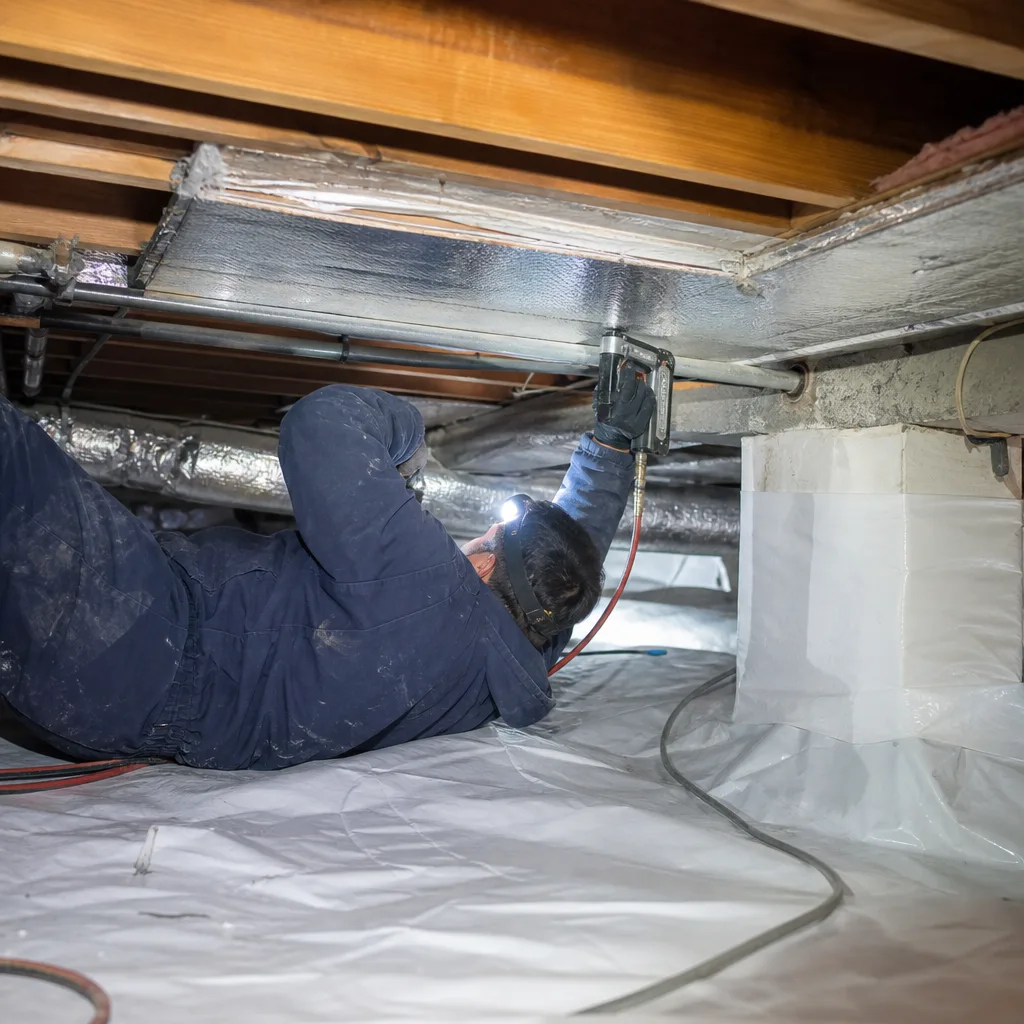
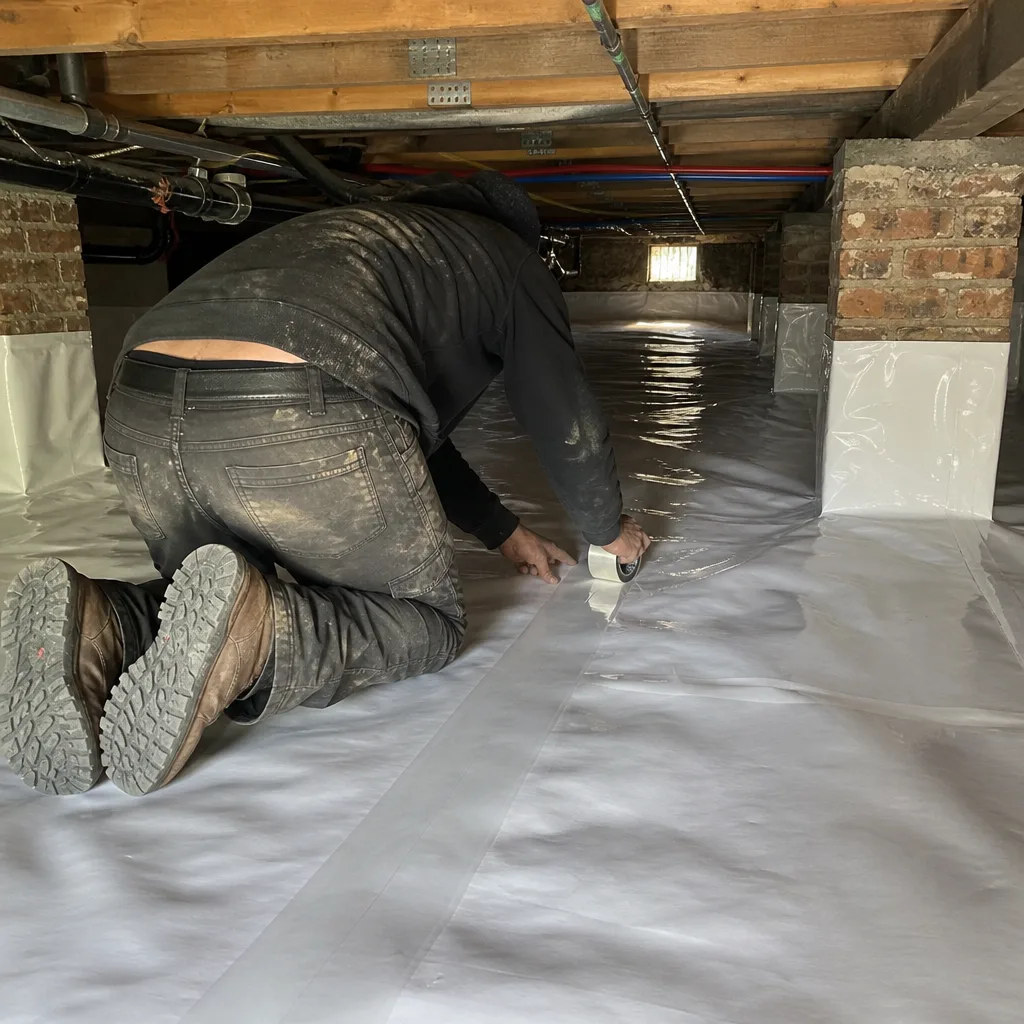
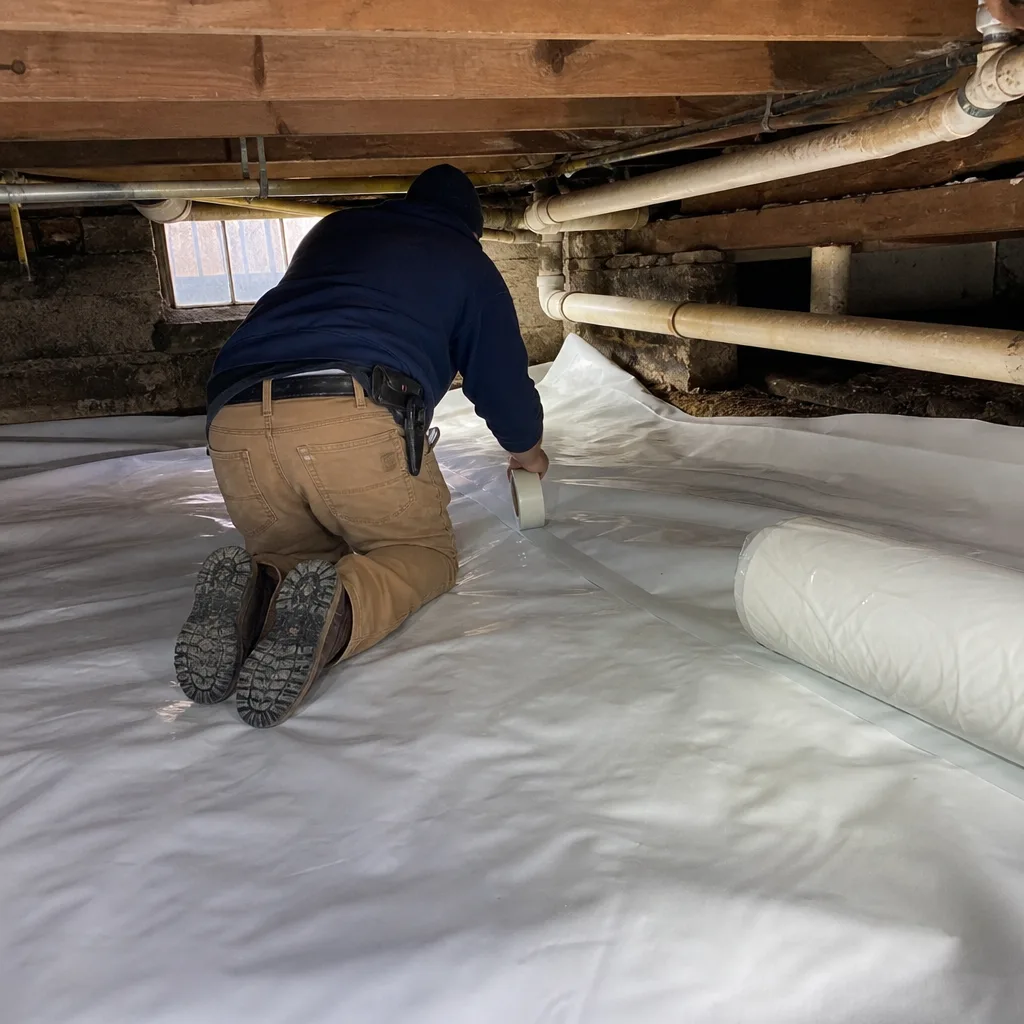
A vapor barrier in a Gastonia crawl space has to handle more than humidity. It has to survive rocky, clay-heavy ground that chews up 6-mil big-box plastic during installation. We install 12-mil reinforced barrier as standard on pier-and-beam homes, with seams overlapped 12 inches and taped, then mechanically fastened up the piers and foundation walls. The goal is a continuous ground cover that stops soil moisture from ever reaching your floor structure on a humid Piedmont August afternoon.
Crawl Space Encapsulation
Encapsulation is the full system: vapor barrier on the floor and up the foundation walls, foundation vents sealed closed, rim joists air-sealed with closed-cell spray foam, and a dehumidifier sized to the cubic footage of the space. In Gastonia’s mill-village cottages, we pay particular attention to the rim joist area, because balloon-framed walls have open stud bays running from the crawl space straight to the attic. Miss that air path and you’ll still feel drafts at the baseboards even with a fully lined crawl space.
Crawl Space Insulation
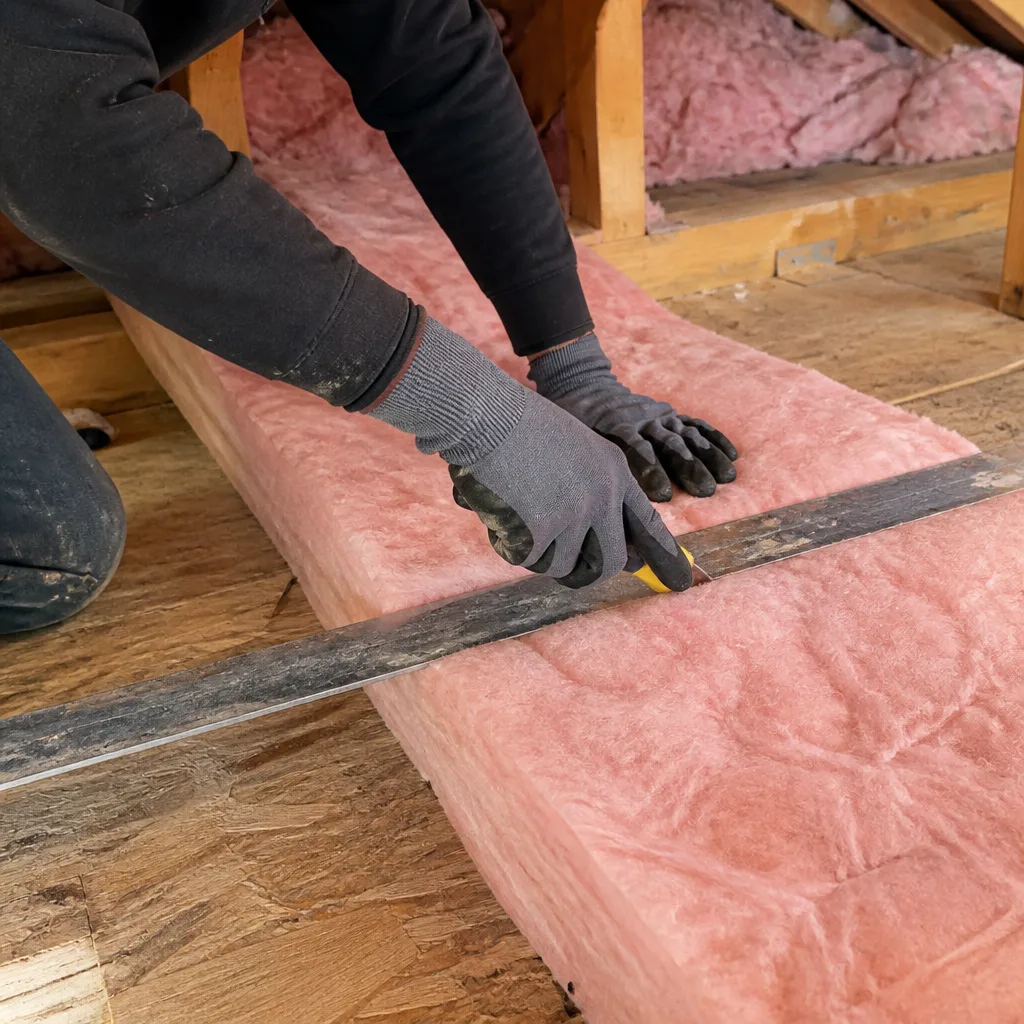
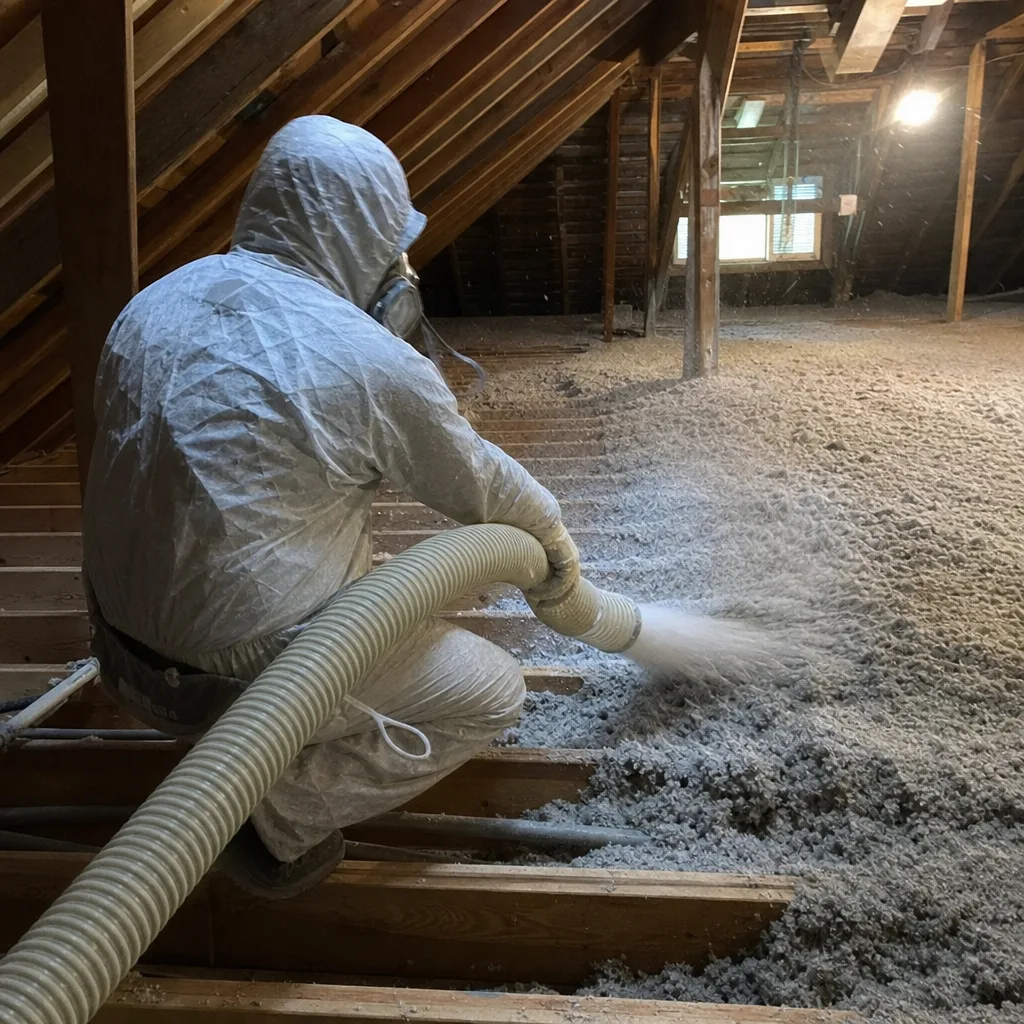
Once the ground is sealed and the vents are closed, floor insulation starts doing its job. For most Gastonia crawl spaces, that means R-19 fiberglass batts tucked into floor cavities, sometimes paired with closed-cell foam on the rim. We source from Owens Corning and Knauf for batts and board, and we’ve hung enough insulation in the city’s low-clearance crawl spaces to know when to use support rods instead of staples. The material spec is written into your scope before work begins.
Crawl Space Moisture Control
Some Gastonia crawl spaces don’t need full encapsulation yet. If the issue is standing water after a hard rain or condensation on ductwork and pipes, we address that first: grading corrections, sump pump installation where the water table demands it, and dehumidifier sizing based on the actual cubic footage of the space. Clay-heavy soil around Gastonia holds water against foundation walls, and sealing vents without first addressing standing water traps that moisture under your house. We won’t do that, and we’ll document why in your estimate.
What happens when you call
- 1
A real person answersNo phone trees - you reach a local pro.
- 2
You get an upfront price rangeHonest numbers before anyone is dispatched.
- 3
A background-checked tech heads outLicensed & insured, dispatched right away.
- 4
You approve before work beginsNothing starts until you say go.
Trusted Brands We Service in Gastonia
We don’t lock our Gastonia customers into one manufacturer’s product line. We specify what the job needs and pull from materials we’ve used for years: Owens Corning, Johns Manville, and Rockwool for insulation and rigid board, plus a range of 12-mil reinforced vapor barrier and closed-cell foam products from established suppliers. If you have an existing dehumidifier or encapsulation system from a prior contractor, we’ll service it and integrate our work without requiring a full tear-out. That matters when you’re dealing with a 1950s ranch that’s had three different partial fixes over the decades.
Common Crawl Space Encapsulation & Vapor Barrier Problems We See in Gastonia Homes
Gastonia has two housing generations that dominate the service calls, and each fails differently:
- Mill-village cottage (1910-1945), pier-and-beam, no fire-stop blocking: Moisture moves up open stud bays from the crawl space to the attic regardless of how well the floor is insulated, so air sealing the rim joists and blocking those bays is a required step before floor insulation goes in. Homes near the former textile operations around Loray Mill and Firestone are the ones we see this in most often.
- Mid-century ranch (1950s-1975), crawl space, thin or shredded vapor barrier: The original 4-mil plastic has torn, the foundation vents are wide open, and the floor insulation has sagged away from the subfloor, leaving cold floors in winter and humid air rising through every crack in summer. These homes run thick in the neighborhoods off Union Road and south toward York Road.
- Big-box store vapor barrier failures: A homeowner buys 6-mil plastic from a home center, spends a weekend under the house, and by the next spring the barrier has torn on rocky soil and pulled away from the piers, leaving the crawl space back where it started. We see this pattern constantly in Gastonia’s older neighborhoods, and it’s the main reason we install 12-mil reinforced material as a minimum.
- Vents sealed without addressing standing water first: Some contractors seal foundation vents and call it done, but Gastonia’s clay-heavy soil holds water against the foundation, and that trapped moisture feeds mold and rot on the floor framing. Any proper encapsulation here starts with water management or the fix fails within two seasons.
Pricing for Crawl Space Encapsulation & Vapor Barrier in Gastonia, NC
What you’ll pay depends on the size of the crawl space, the existing conditions, and whether foundation vents need sealing or structural blocking is required. Here are the ranges we quote for Gastonia work:
- 12-mil vapor barrier only (standard 800-1,200 sq ft crawl space): $1,700-$3,200 depending on access and pier count
- Full encapsulation with vent sealing, rim joist air sealing, and dehumidifier: $4,200-$8,900 depending on square footage and whether foam board is needed on foundation walls
- Crawl space cleanout prior to encapsulation (debris, old insulation, dead pests): $400-$1,200 added to the scope
- Dehumidifier sizing for a 900-1,200 sq ft Gastonia crawl space: typically 30-50 pints per day, installed as part of encapsulation
We give you a written price before any work starts. Not a verbal range, not a “come see it first” number. A flat price with a written scope and written warranty, every time. Call (218) 261-7714 and we’ll put someone under your house this week, document what we find, and get you that number in writing.
We Also Serve Cities Near Gastonia
Our crews work Gastonia, Crawl Space Encapsulation & Vapor Barrier in Gastonia, and surrounding areas including Charlotte and Concord. Dispatch is coordinated from our Charlotte office, but the crew that comes to your house is a local route crew that knows Gastonia’s housing stock and runs it every week. Same written price, same written scope, same documentation.
Serving Gastonia, NC - Our Local Coverage Area
We’re based in the Gastonia area and know this community well. Use the map below to see our service coverage - if you’re nearby, we can almost certainly help.
FAQs - Crawl Space Encapsulation & Vapor Barrier in Gastonia
Because they were built before fire-stop blocking was standard, which means the stud bays run continuously from the crawl space sill to the attic, and moisture doesn’t stop at the floor line unless you seal those bays as part of the encapsulation work. In newer platform-framed homes, the rim joist area is closed off, so a standard vapor barrier and floor insulation package works. In a Gastonia mill-village cottage near Loray Mill or the areas around Lineberger Park, the encapsulation plan has to include rim joist air sealing and bay blocking, or you’re leaving a moisture highway running through your walls. Call (218) 261-7714 if you’re not sure which type of framing your house has; we’ll check it in person.
Climate Zone 4A means mixed-humid conditions: hot, muggy summers and cool, damp winters, with high relative humidity through much of the year. That’s why we install 12-mil reinforced vapor barrier as a minimum in Gastonia, not the 6-mil material that’s common in drier climates. The thicker barrier survives longer on rocky, clay-heavy soil and holds up under crawl-space traffic during the cleanout and insulation phases. It also provides the air-tight ground seal needed in a humid Piedmont climate zone.
Yes. We include cleanout as a separate line item in the written scope, and it runs $400 to $1,200 depending on what’s under your house. In Gastonia’s 1950s and 1960s ranches, the crawl space often holds construction debris, abandoned ductwork, rotted insulation from prior decades, and sometimes evidence of past pest activity. We remove the debris and damaged material before the vapor barrier goes down, because you can’t lay a continuous ground cover over a pile of broken brick and insulation scraps without compromising the seal. Cleanout gets documented in the photo record, so you know exactly what was removed and what the space looked like before and after.
Encapsulation alone cannot fix floor sag. It stops the moisture that’s causing the floor framing to weaken, but it won’t straighten joists that have already bent or rotted. In a pier-and-beam cottage near the Loray Mill district, we’ve found the original brick piers still solid but the crawl space floor bare dirt, with humid Piedmont air pushing moisture into open floor joists and causing visible sag in the kitchen floor. Our crew installed a 12-mil reinforced vapor barrier, sealed all foundation vents, and applied closed-cell spray foam to the rim joists before hanging R-19 fiberglass batts in the floor cavities, finishing with a dehumidifier sized for the 900-square-foot space, so the homeowner got a dry, conditioned crawl space in a single service day. But the sag itself needed joist sistering, done by a framing carpenter, before the encapsulation work was finished. We’ll tell you if your sag is structural and coordinate the repair so it’s done before insulation goes in.
For a 900 to 1,200 square foot sealed crawl space in Gastonia, a dehumidifier rated for 30 to 50 pints per day is the right range, depending on the actual cubic footage and how tight the encapsulation is. A larger unit than necessary wastes energy; a smaller one won’t hold the relative humidity below 55 percent during a humid Piedmont summer. We size the dehumidifier using the cubic footage you measure from the crawl space, not the square footage, because a 4-foot-high space needs different capacity than a 3-foot-high space of the same footprint. The dehumidifier sizing is written into the scope and documented on your photo record.
Get a Written Price for Crawl Space Encapsulation in Gastonia
If you own a mill-village cottage, a mid-century ranch, or any home in Gastonia with a damp, humid, or sagging crawl space, call (218) 261-7714. We’ll schedule a visit, inspect the space, and hand you a written price with a written scope and a written warranty before any work starts. That’s the Haven Standard, and we’ve worked that way in Gastonia since our first pier-and-beam job here. You’ll get a named technician, a text when they’re on the way, and a Documented Photo Record when the job is done. Call today and get the price on paper.
Written by Wes Okafor, Owner at Topside Attic Insulation, operating under The Haven Standard since 2016.